Portuguese
  Spanish


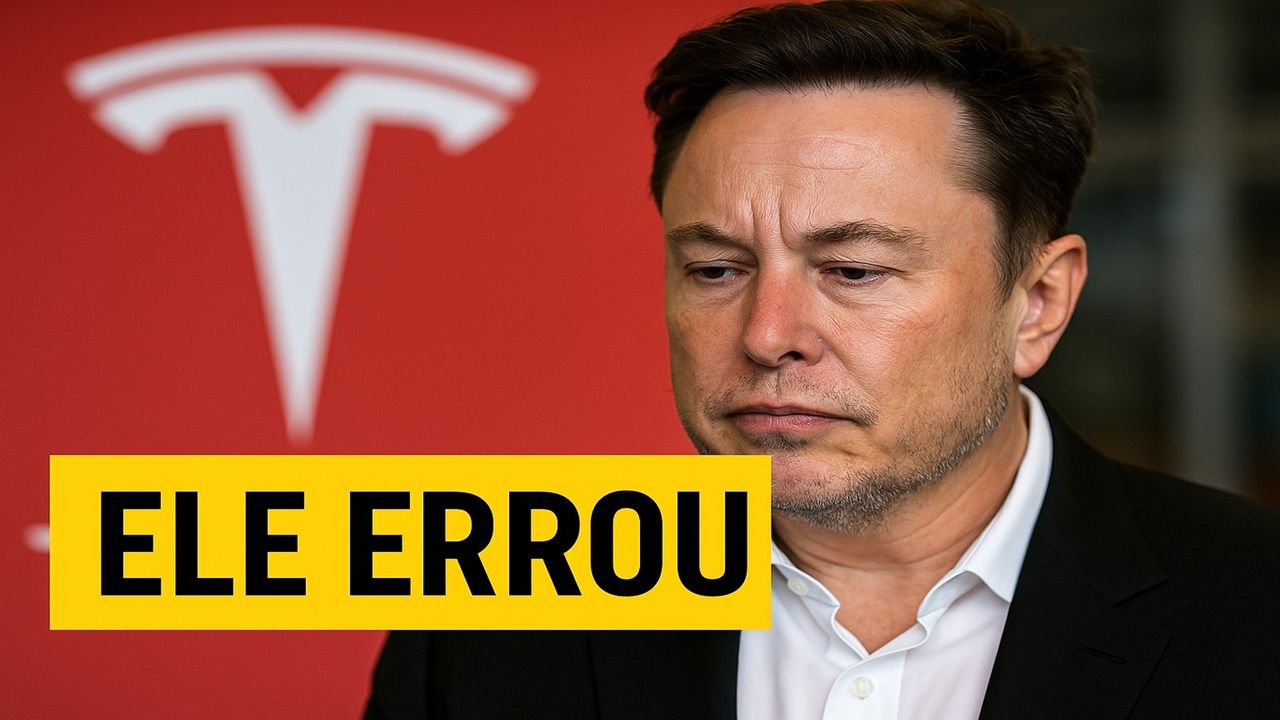


Elon Musk Acknowledges That FSD Has Not Reached The Promised Level And That Car Manufacturers Reject The Technology, Exposing Previously Ignored Limitations
Elon Musk admitted that he was wrong to believe that all car manufacturers would adopt Tesla’s full self-driving technology.
The change in stance came after years of defending that FSD would be widely licensed by the industry, creating expectations among investors and reinforcing the company’s image as a reference in vehicle autonomy.
The statements were made in a series of tweets. Musk stated that no automaker wants the software and that companies approach Tesla only for programs he described as minuscule with requirements considered unacceptable.
-
Texas Teens Win $50,000 at World’s Largest Science Fair for Developing Non-Surgical Brain-Controlled Bionic Prosthesis with 98% Accuracy

-
Samsung Galaxy A27 Launches with 6.7-inch Super AMOLED Display, Full HD+ Resolution, Android 16, Six Years of Updates, Snapdragon 6 Gen 3, and Dust and Splash Resistance; Available for Pre-order in the US for $350

-
Five Brazilian Students Invent Drug Test Pen That Detects Date Rape Drugs in Seconds
-
Viedma Glacier Retreat in Patagonia Uncovers 900-Meter-Deep Basin, Making Viedma the Deepest Lake in the Americas


This statement contrasts with the repeated narrative that FSD would become indispensable for competitors.
The Expectations Created By Tesla
The perception that Tesla also acted as an artificial intelligence and robotics company gained strength after 2020. Musk declared that the technological advantage was so broad that it would lead manufacturers to license the system to survive. In 2023, he even stated that Tesla was willing to license Autopilot and FSD to anyone interested.
Optimism grew even further in 2024 when Musk said he was in negotiations with a major manufacturer and that there was a chance of closing a deal.
No announcement occurred. Expectations were lowered after statements from Ford’s CEO, Jim Farley, who assured that Waymo was better and dismissed the integration of FSD into the company’s vehicles.
Differences Over Standards And Responsibility
The rift between Tesla and traditional manufacturers became evident in the approaches adopted. Automakers follow rigid models of validation and certification, with a strong focus on legal responsibility.
Mercedes-Benz exemplifies this scenario by assuming full responsibility for Drive Pilot, the first Level 3 system approved in the United States.
Tesla opted to launch beta software, now called Supervised, and uses drivers to collect data and validate the system.
The strategy has provoked federal investigations, criticism from regulators, and lawsuits. The company even settled out of court this month to avoid trial over a collision involving a Model Y with Autopilot activated.
Risks For Manufacturers And The Future Of FSD
Analysts point out that the requirements mentioned by Musk may indicate that manufacturers are asking for a truly autonomous system capable of avoiding collisions with static objects and with a well-defined liability structure. Integrating FSD would mean assuming legal risks that manufacturers do not intend to take.
While manufacturers like Toyota advance in projects with Waymo and others develop their own solutions, Tesla’s goal of making FSD a global standard seems increasingly distant.
With information from hibridosyelectricos.