Portuguese
  Spanish


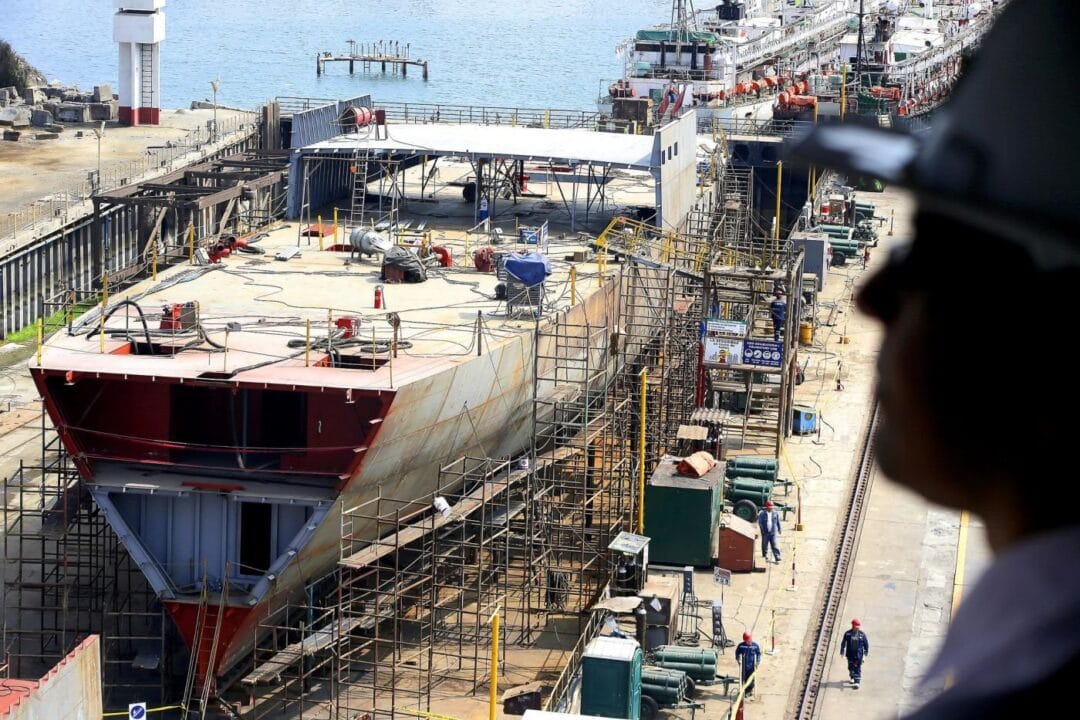

Understand The Critical Importance And Neglected Potential Of The Naval Industry In Economic Development, Employability And National Security.
The naval industry plays a relevant role in economic development and the security of many nations around the world. The commander of the Brazilian Navy, Marcos Sampaio Olse, in a recent interview with Canal Livre from Band argued that governments must protect and promote the structural and technological development of the naval industry. Because since 2014 (when the Lava-Jato operations were triggered) until now, there has been a significant loss of jobs in the sector.
However, it is an area often neglected and underestimated by governments. Watch the admiral’s statement in the BAND video below:


The Rich And Prestigious History Of The Naval Industry
The industrial policy announced by the federal government at the time played a significant role in this decline. The measures adopted were not sufficient to sustain the sector, leading to a gradual reduction in activities in the naval industry. This is concerning, especially considering the potential that shipbuilding has to create jobs and promote economic development.
-
France Revamps 530 Social Housing Units with Large Balconies and Glass Facades Without Demolishing Existing Buildings

-
10-Year-Old Max Makes History with Paris Fashion Show, Launches Own Brand, Hires Staff, and Sets World Record as Youngest Runway Designer

-
Bolivian Female Construction Workers Form Association to Combat Discrimination and 38% Pay Gap in the Industry
-
Near Amsterdam, residents buy land and discover they must also build streets, manage drainage, handle waste, and grow food on half their plot.




The Strong Contribution Of The Naval Industry To The Economy
Shipyards employ a wide range of workers, from highly skilled engineers to assembly line workers, providing job opportunities in various areas.
The growing exploration of the pre-salt has generated a continuous demand for a variety of vessels and platforms, fueling national production and encouraging the modernization of existing shipyards and equipment. In addition, the increase in international trade has driven the need for maritime cargo transportation, further contributing to the positive dynamics of the sector.
Despite these advancements, challenges persist. Global competition is fierce, requiring continuous investments in technology and innovation to maintain competitiveness, especially under demands from the Brazilian Navy. Furthermore, issues such as bureaucracy and the need for additional government incentives still require attention to ensure the full development of the sector.
Moreover, shipbuilding requires a variety of materials and services, benefitting related industries such as metallurgy and the chemical industry.
In the program Canal Livre from Rede Bandeirantes, journalist Fernando Mitre highlighted that until 2014, the industry was doing well but began to lose strength.
The commander of the navy, Marcos Sampaio Onse, agreed, stating that the sector lost 60 thousand jobs and is a strategic sector.
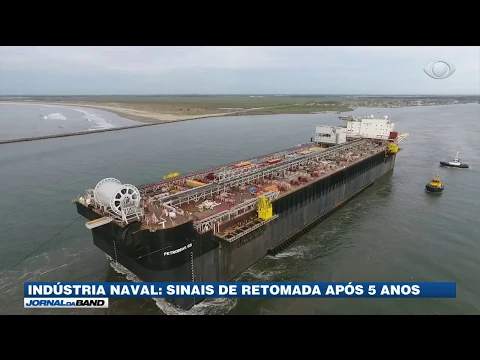
“The State must protect the naval industry that involves construction, maintenance, and green disposal. Today, we do not find shipyards in Brazil with competence to carry out green disposal. Indeed, it is decisive for a country that is absolutely dependent on its export activities on maritime traffic to have a robust shipbuilding sector,” he said.
National Security And The Brazilian Navy
The capacity to build, maintain, and operate a strong naval fleet is essential for the national security of a country. Warships, submarines, and patrol vessels are crucial for protecting maritime borders, ensuring the security of trade routes, and responding to humanitarian emergencies and natural disasters.
Relying solely on foreign ships to meet defense needs can compromise the sovereignty and security of a nation, leaving the Brazilian Navy with limited options. Therefore, governments have the responsibility to maintain a robust naval industry to ensure self-sufficiency and military readiness.
Innovation And Technology
The Naval Industry is a source of innovation and technological advancement. The pursuit of energy efficiency, safety, and sustainability has driven the development of new technologies, such as vessels powered by renewable energy, advanced propulsion systems, and more efficient construction methods. By investing in the naval industry, governments encourage research and development, driving the knowledge economy and strengthening global competitiveness.
It is essential that authorities understand the strategic importance of the naval industry and adopt policies that protect and promote it. This goes beyond shipbuilding; it also includes maintenance, modernization, and even sustainable decommissioning of vessels. The lack of capacity to handle the decommissioning of ships in an environmentally responsible manner is an example of the challenges the sector faces.
Regional Development
Naval shipyards are often centers of economic activity in coastal and port regions. They provide direct jobs and stimulate the development of local infrastructure and services. Therefore, the conservation of the naval industry is essential to sustain communities and promote balanced regional development.
Thus, it is crucial that the government establishes clear and effective policies to revitalize the naval industry in Brazil. This will benefit the sector itself and contribute to the national economy, promoting employment, stimulating innovation, and strengthening security and the sovereignty of the country.