Portuguese
  Spanish


The bodies were found next to the cathedral of Opole, in Poland, in 2023, and the DNA, analyzed at the University of Kiel, confirmed that they were two women with no blood ties. Whether they were lovers, friends, or relatives by other means, however, science cannot confirm.
Two women buried embraced next to a medieval cathedral in Poland have become one of the greatest enigmas of recent archaeology. According to the report, the bodies were discovered in 2023, during excavations next to the cathedral of Opole, in the south of the country, and the DNA examination revealed surprising details about who they were. The two were about 40 years old, had no blood relationship, and took to the grave a secret that science still cannot decipher.
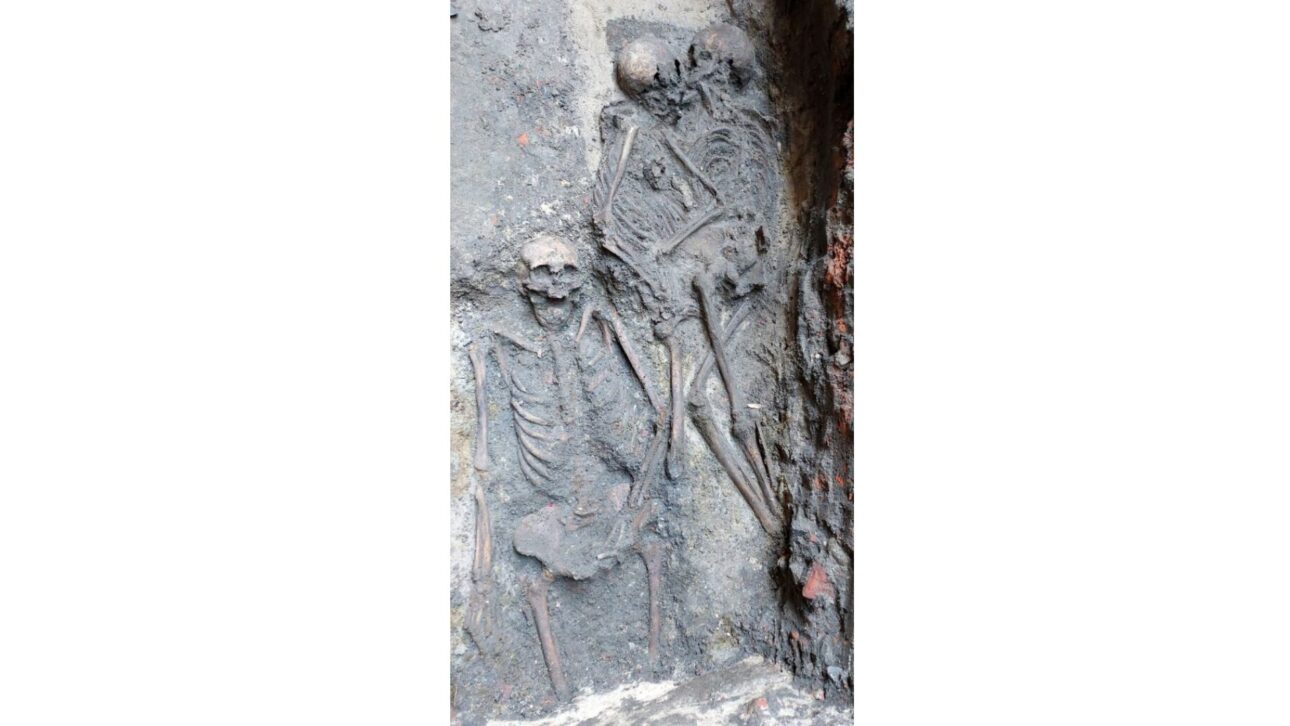
What intrigues researchers the most is the position in which the two women were buried, embraced, in a gesture that suggests intimacy. According to the study, conducted by specialists from the University of Kiel, the tomb was located in a noble area, close to the temple walls, reserved for the most influential people of the time. Knowing that they were not relatives only deepened the doubt about the type of bond that united them.
The discovery next to the cathedral of Opole
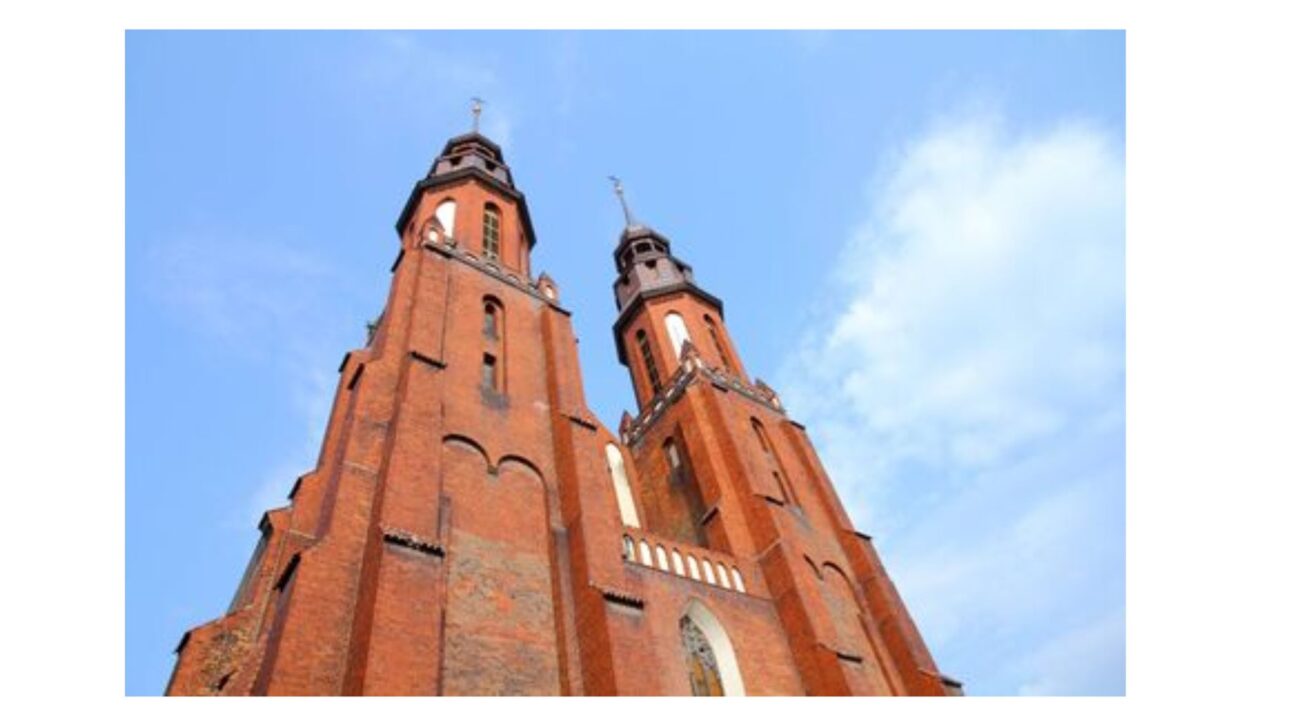
The story of the two women begins between May 2022 and November 2023, when archaeologists excavated around the cathedral of Opole, in Upper Silesia, on the banks of the Oder River. According to the report, the church originates from the 11th century and was expanded in the 13th century with the support of the local nobility. The researchers sought to better understand the funerary rituals of the time.
-
DNA Analysis Reveals How Five Cattle Survived Over 130 Years on a Deserted Brazilian Island

-
Private Spacecraft Intercepts Another for First Time in History During U.S. Space Force Mission Completed 11 Hours Early with Rocket Launched in Record 16 Hours

-
Scientists Predict Earth’s Habitable Lifespan: 1.8 Billion Years Before Oceans Evaporate and Sun Forces Planet Out of Life Zone
-
LG Unveils XBOOM Stage 501 Portable Speaker with 25-Hour Battery, AI Karaoke, and Sound by will.i.am in Brazil


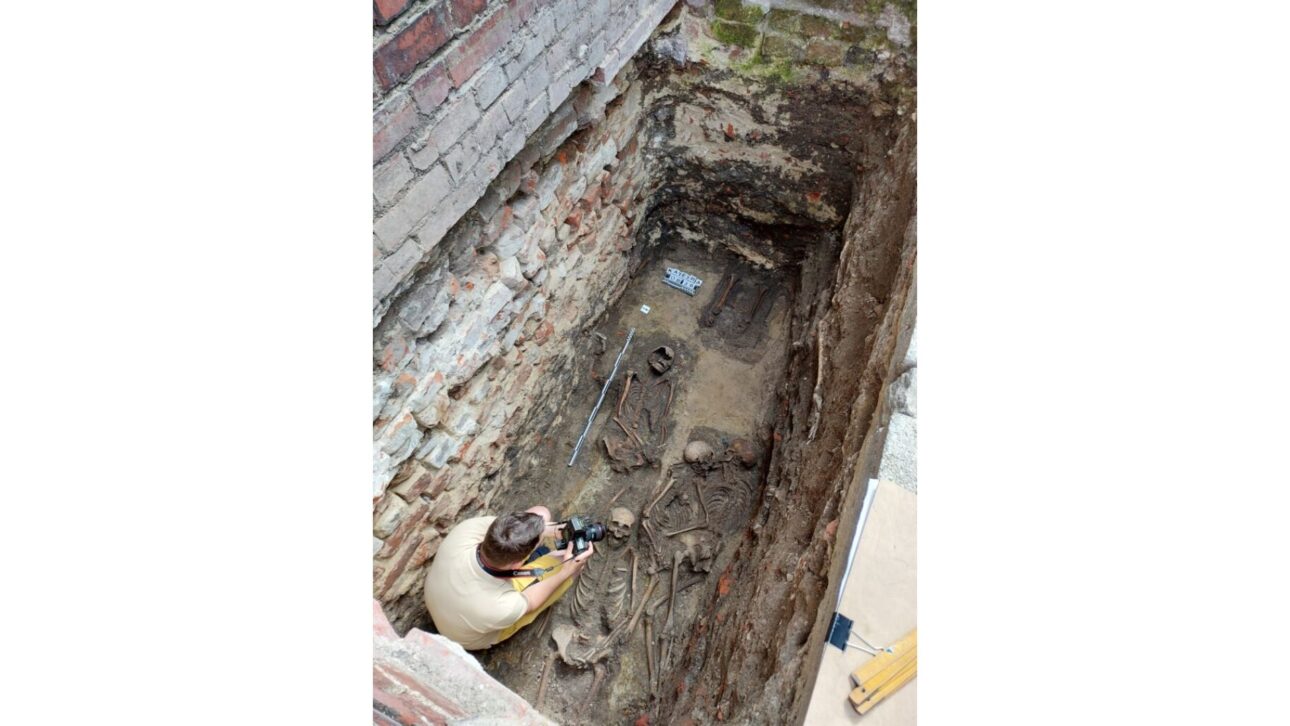
In total, 46 graves were found, but one drew attention, with two skeletons in the same tomb. According to the material, the grave was located on the north side of the cathedral, near the walls and foundations, in a place that, in the medieval period, was usually reserved for the richest and most powerful. The bones were 154 cm deep and quite deteriorated, wrapped in shrouds and placed in coffins.
The position that drew attention
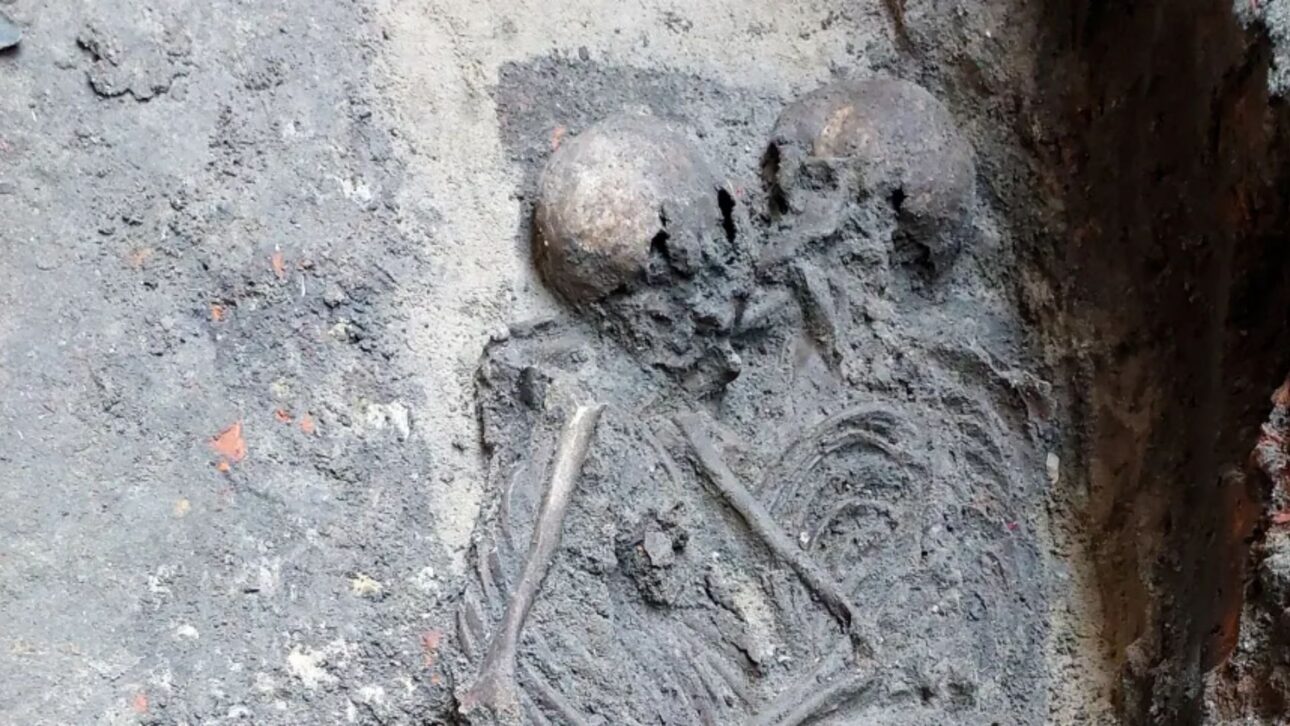
What made the find special was the position of the bodies, identified as 31 and 32. According to the report, the first was buried face down, as was common, while the second was lying on its side, supported on one limb, with one leg half-bent and the right arm extended under the companion’s skull. The composition suggests an embrace.
It is not the first time archaeology has found bodies buried in an embrace. According to the material, in 2007, in Mantua, two bodies buried about 5,000 years ago in an intertwined position were found, and in 2015, in the Peloponnese, a couple from 3800 B.C. appeared buried in a similar manner. These cases help to dimension the enigma of the two women from Opole.
What the DNA revealed
To try to answer who they were, researchers turned to DNA analysis of the bones found near the Cathedral of the Holy Cross in Opole. According to the study, published in the journal Archaeological Science: Reports by specialists from the University of Kiel, even with the degraded bones and no possibility of analyzing the dental enamel, three conclusions came to light. The two people were about 40 years old, both were women, and there was no blood relationship between them.
The result answers part of the questions but raises others about the two women. According to Joanna Romeyer-Dherbey, one of the authors of the article, in a statement to El País, genetics “cannot tell us how they were connected socially or emotionally.” In other words, the DNA confirms they were two women without a blood tie, but it does not explain the bond that motivated such an intimate burial.
Lovers, friends, or relatives, the mystery that DNA does not solve
Unrelated and buried embracing, the two women raise the hypothesis of a same-sex couple in the Middle Ages. According to the report, researchers do not dismiss this possibility, but they also do not confirm it with certainty. The article itself calls for caution and warns of the risk of projecting modern cultural categories onto past practices when the evidence does not allow for separating possible explanations.
There are several equally plausible interpretations for the case of the two women. According to the material, they could have been lovers, friends, relatives without a biological link, by adoption, for example, or members of the same religious community, and there is also the hypothesis that they died together in a tragedy and were buried side by side. The noble location, close to the church walls, complicates the thesis of a forbidden couple, since, according to specialists, in statements to La Brújula Verde, it was “unlikely that people who violated the principles of medieval Christianity” would be buried in such a distinguished place.
For now, the embrace of the two women from Opole remains without a definitive explanation. According to the article, this is the first genetically confirmed burial of same-sex individuals in medieval Poland, which does not prove a romance, but paves the way to investigate bonds capable of uniting someone until death, even beyond kinship. The enigma remains open, and perhaps that is precisely what makes it so fascinating.
And you, how do you interpret the eternal embrace of these two women, love, friendship, family, or faith? Share your thoughts and exchange ideas with other readers, always with respect for different opinions.