Portuguese
  Spanish


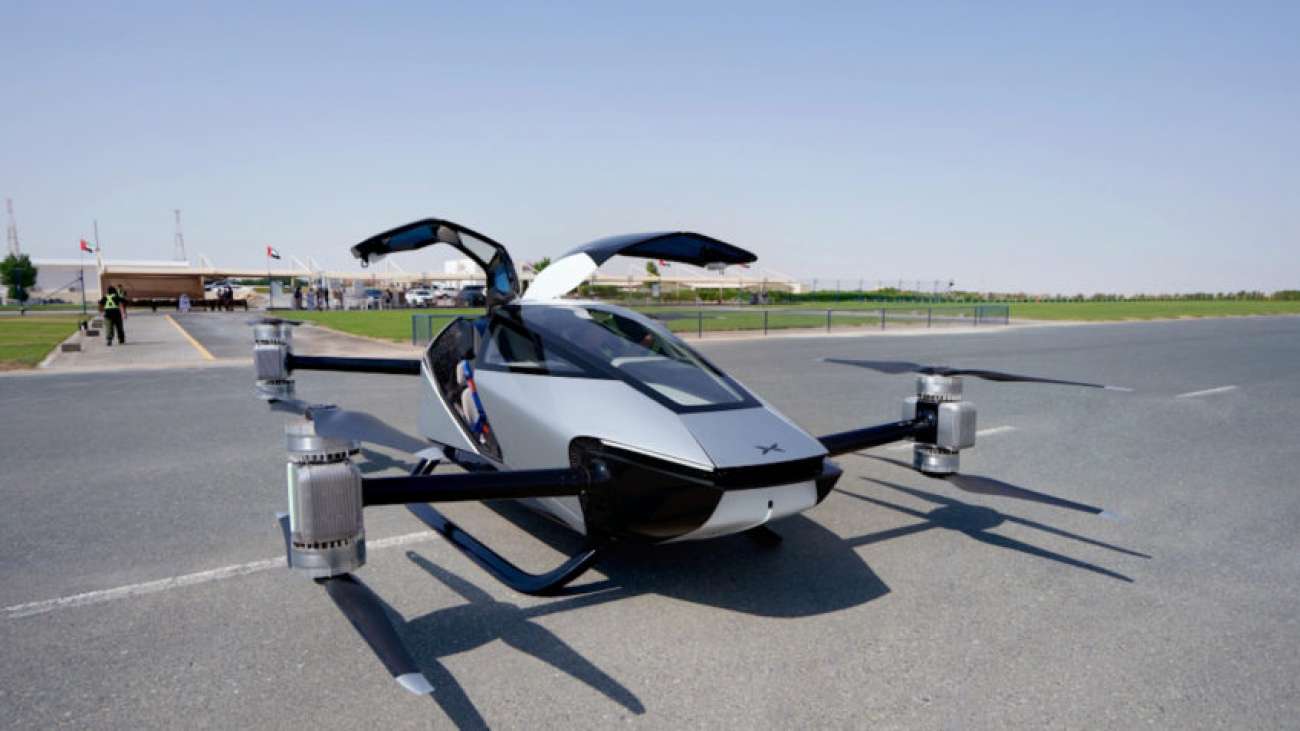


Innovative Partnership Between Embraer and EVE Boosts the Urban Air Mobility Industry with the Arrival of the First Flying Car Factory in Brazil.
Embraer, a Brazilian company and world leader in aircraft manufacturing, announced today (20) the construction of the first flying car factory in Brazil. The initiative promises to revolutionize the urban air mobility industry, bringing a significant advancement in how people move in large cities. The partnership with national and international investors will ensure the development of a new generation of electric and autonomous vehicles, aligned with trends in sustainability and technological innovation.
Construction of the New Factory
The new factory will be built in a cutting-edge technological hub in the Southeast region, providing a conducive environment for the development of new technologies. The forecast is for the plant to be operational within the next two years and have an initial production capacity of 500 flying cars per year. The total investment exceeds 500 million reais, representing a historic milestone for the Brazilian aerospace industry.
Urban Mobility and Sustainability in Focus
With the growing concern about urban mobility and the need to find sustainable solutions for congestion in large cities, flying cars emerge as a promise to revolutionize personal transportation. These electric and autonomous vehicles have the potential to alleviate road traffic, reduce air pollution, and improve the quality of life for city dwellers.
-
Brazilian City Makes Remarkable Leap, Becomes 4th Wealthiest in the Country with GDP of R$ 134.1 Billion

-
OnePlus N6 Smartphone to Launch in India with 8,000mAh Battery and 45W SuperVOOC Charging, Lasting Up to Three Days

-
Scientists Plan to Release Air Bubbles Underwater to Protect Antarctica’s “Doomsday Glacier” from Melting

-
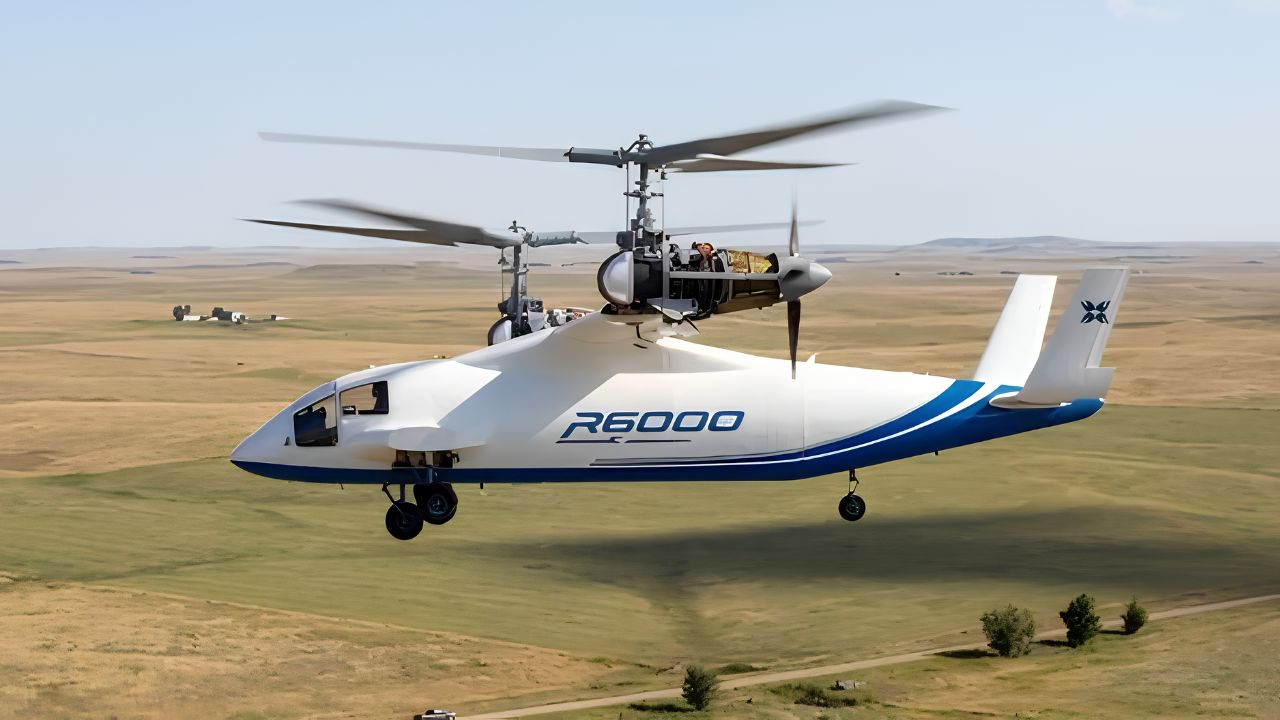
Chinese R6000 Drone Combines Airplane and Helicopter Features, Carries Up to 12 People for Multiple Missions





Moreover, the partnership with investors committed to sustainability will enable the development of more efficient and environmentally friendly battery technologies, further advancing the sector. Embraer, with its experience in innovation and aerospace engineering, is in a privileged position to lead this initiative and become a global reference in flying car manufacturing.
Challenges and Perspectives for the Future
Despite the promising outlook, the flying car industry faces complex challenges, such as regulatory issues, infrastructure needed for operation, and public acceptance. However, advancements in technology and the growing demand for innovative mobility solutions signal that the time is right for investments in this sector.
The expectation is that flying cars will become a reality in the not-so-distant future, promoting a true revolution in how people move in cities. The partnership between Embraer and investors represents an important step in this direction, with the potential to position Brazil at the forefront of the urban air mobility industry.
Impacts on the Economy and Society
The construction of the first flying car factory in Brazil brings significant impacts to the economy and society. The initiative generates direct and indirect jobs, strengthening the supply chain and boosting technological innovation in the country. Furthermore, consolidating Brazil as an important player in the urban air mobility industry attracts investments and places the country in a prominent position on the international stage.
On the social front, the deployment of flying cars has the potential to democratize air transportation, making it more accessible and integrating urban areas that are difficult to reach. This could help reduce inequalities and improve the quality of life in peripheral regions.
In summary, the creation of the first flying car factory in Brazil is an important milestone for the aerospace industry and for the country’s urban mobility. With Embraer leading this innovative initiative, the future promises to be exciting and revolutionary for personal transportation in Brazilian cities and around the world.