






 Portuguese
  Spanish


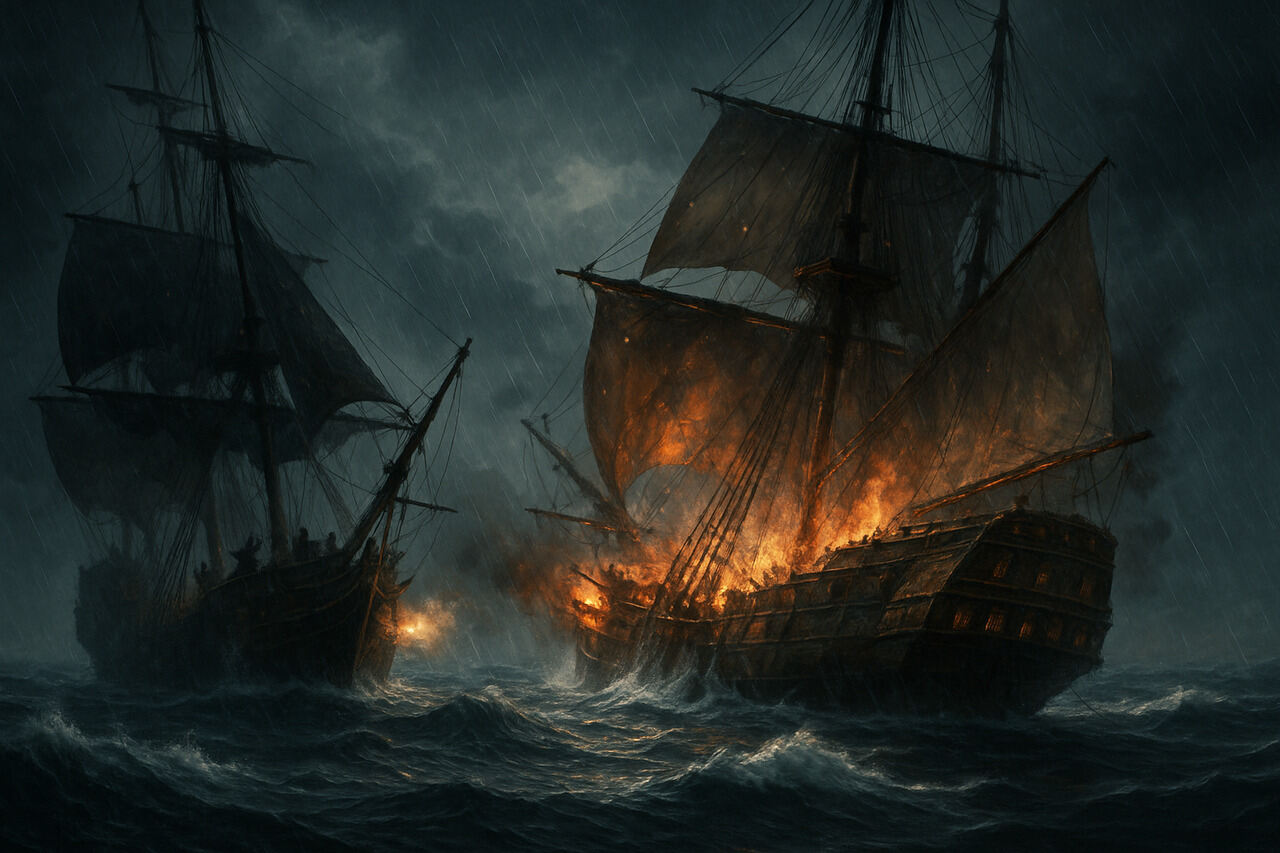

Archeologists Identify Shipwreck Of Portuguese Ship Captured By Pirates In 1721, With Multimillion-Dollar Cargo And Important Figures On Board
The wreckage of a Portuguese ship captured by pirates in the 18th century has been identified by archeologists. The discovery was made off the coast of Madagascar, near the island of Nosy Boraha. The vessel, named Nossa Senhora do Cabo, sank in 1721 after being intercepted in one of the most well-known attacks of the so-called Golden Age of Piracy.
The ship had departed from Goa, India, bound for Lisbon. It was carrying a valuable cargo, including bars of gold and silver, jewelry, and a cross with over 200 pounds of gold encrusted with rubies.
On board were also the Portuguese viceroy, the archbishop of Goa, and about 200 enslaved people from Mozambique. The whereabouts of these individuals remain unknown.
-
Workers renovating a playground in northern England uncover 176 World War II bombs buried underground; training artifacts still contained explosives.

-
Brazilian Architect Transforms Waste into Sustainable Homes with Solar Power and Rainwater Systems for 40 Years

-
Security Guard Becomes Doctor at Louisiana Hospital Where He Once Worked, Studied Chemistry Between Shifts

-
Woman Rescued from Luxury Complex in Brazil Worked Without Pay for 55 Years, May Be Entitled to Over $300,000




The shipwreck occurred after a coordinated attack by pirate ships, including that of Captain Olivier “The Buzzard” Levasseur.
The attack was facilitated by a storm that damaged the vessel and forced the crew to discard some cannons. The final confrontation took place on April 8, 1721, near Reunion Island.
The confirmation of the ship’s identity was published in the magazine Wreckwatch. The team at the Center for the Preservation of Historical Shipwrecks used archeological evidence, artifacts, and historical documents to reach this conclusion.
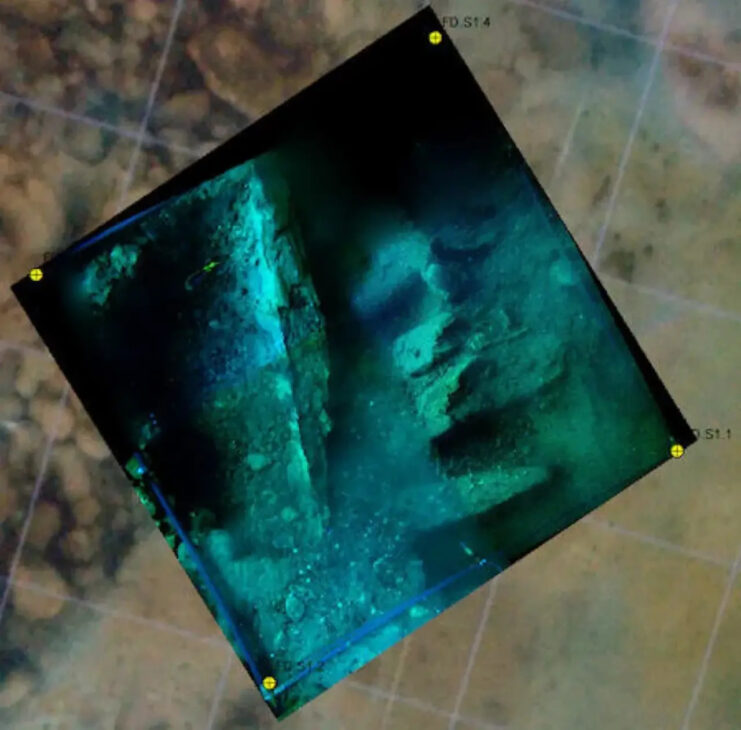
Over 3,300 items have been recovered from the seabed, including religious figurines made of wood and ivory, a plaque inscribed with “INRI,” and fragments of a crucifix. According to researchers, the objects were likely produced in Goa.
Archeologist Brandon Clifford explained that the total value of the stolen cargo would exceed 138 million dollars. Researcher Mark Agostini highlighted the historical significance of the region.
According to him, at least four pirate ships or captured vessels still remain submerged in the port of Nosy Boraha.
The island was one of the main refuges for pirates in the Indian Ocean, precisely because it was outside the control of colonial authorities at the time.
Agostini lamented the lack of archeological attention dedicated to the region and hopes that new expeditions will reveal even more forgotten chapters of maritime history.
With information from Aventuras na História.


