Portuguese
  Spanish


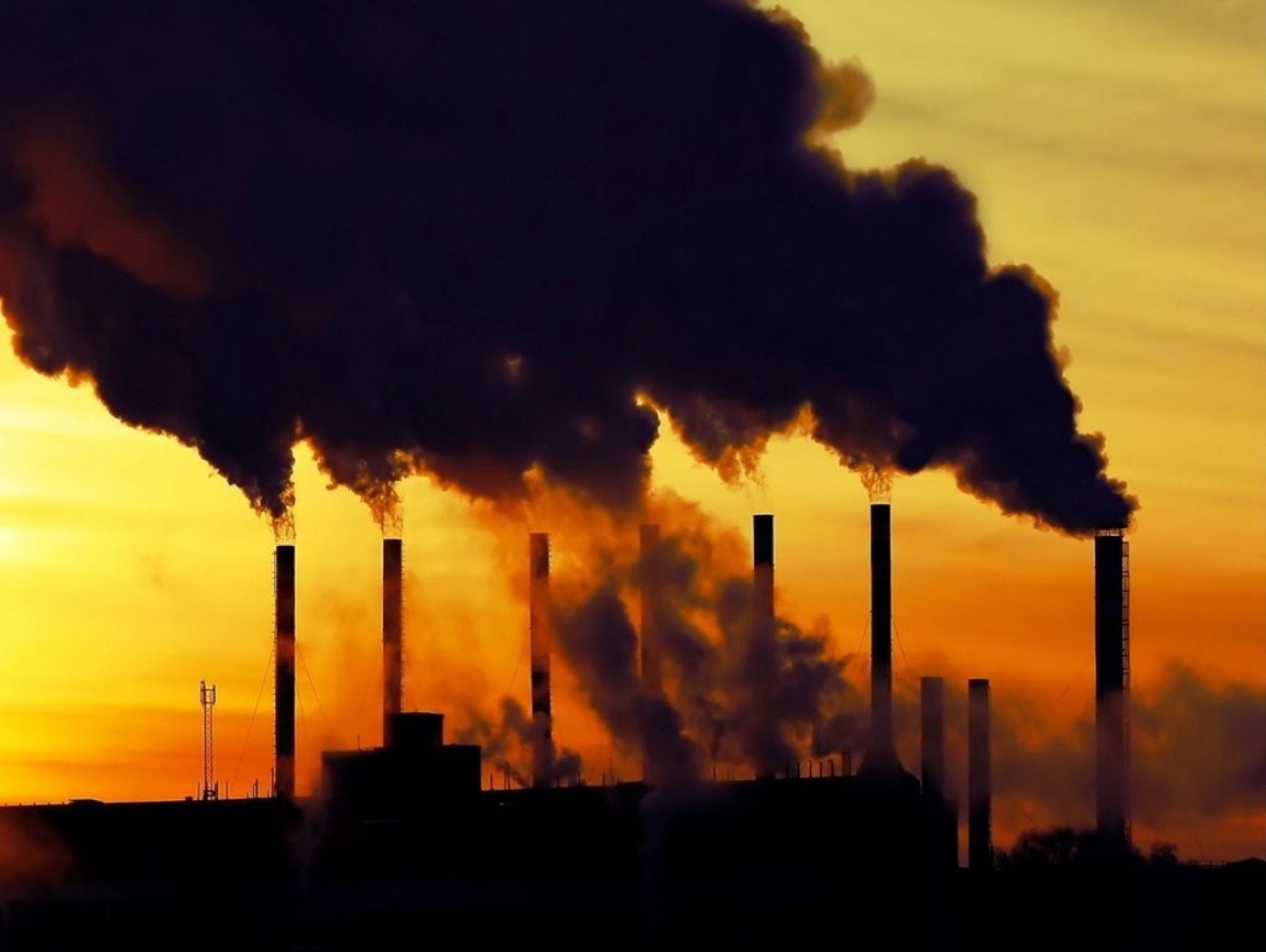

The Expectation Is That the Installation Works of the Plant Will Start in 2022 and Be Completed in 2025
The construction of the new energy generation plant from waste will be located in the interior of São Paulo, in an industrial park in Nova Odessa, near the Anhanguera highway. Once the last bureaucratic details are settled, it is expected that the works will begin in the second half of next year and be completed by 2025.
See Also:
- Workfrom home: Quality Nextech Offers 130 Job Openings for IT Professionals
- First Distributed Biogas Power Plant of Vivo Inaugurated in SP
- 3R Petroleum Acquires Additional Stake in the Sanhaçu Field, in the Potiguar Basin, Rio Grande do Norte
- Institute Offers 630 Vacancies in Free Courses for 16-Year-Old Residents in Salvador
The energy plant project was developed by Consimares (Intermunicipal Consortium for Solid Waste Management of the Metropolitan Region of Campinas) at a cost of R$500 million and will process waste from nearby locations, such as the municipalities of Nova Odessa, Santa Bárbara d’Oeste, Sumaré, Hortolândia, Capivari, Elias Fausto, and Monte Mor.
The 650 tons of waste produced daily can be converted to energetically supply part of the 960,000 inhabitants of the seven municipalities. Consimares reported that the new plant has the capacity to generate up to 160,000 MWh per year, an amount capable of supplying almost half the energy demand of each of these cities.
-
Brazil Aims to Become a Global Exporter of Green Hydrogen, the Clean Fuel Set to Generate Billions

-
Brazil to Hold First Offshore Wind Energy Auction, Aiming to Become the Country’s New Hydropower
-
Brazil to Hold First Auction for Batteries to Store Solar and Wind Energy from the Northeast
-
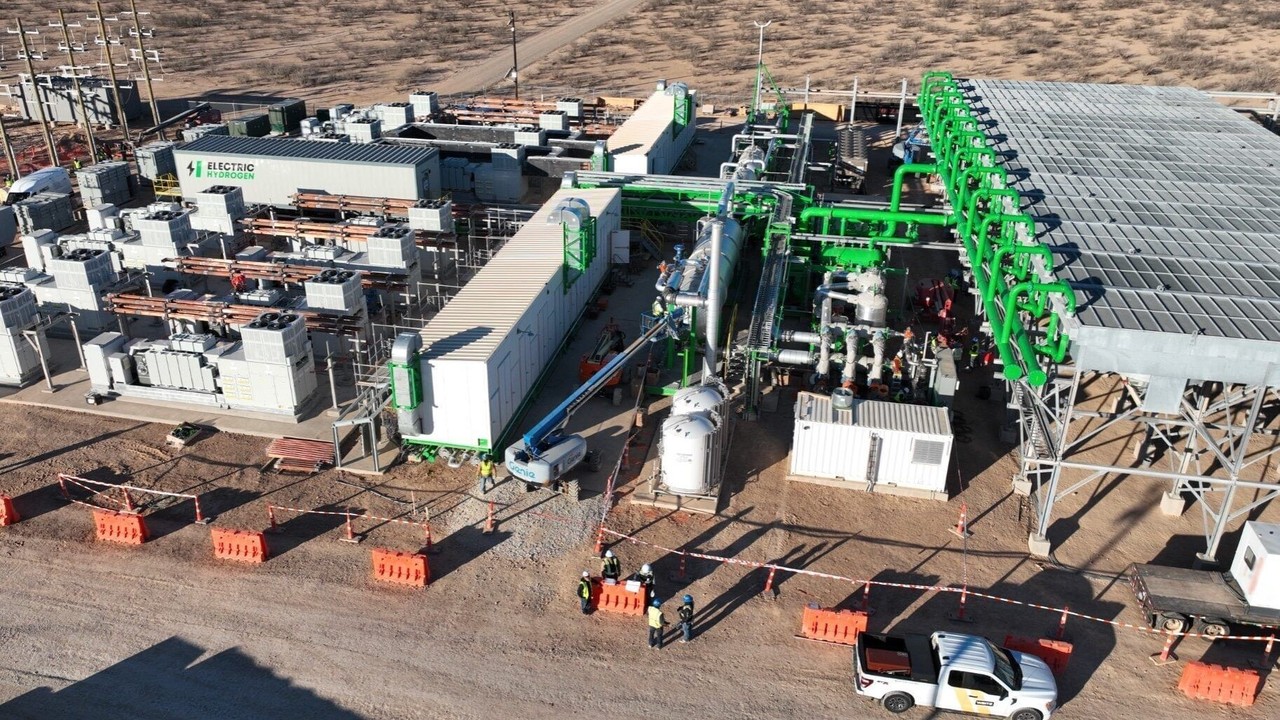
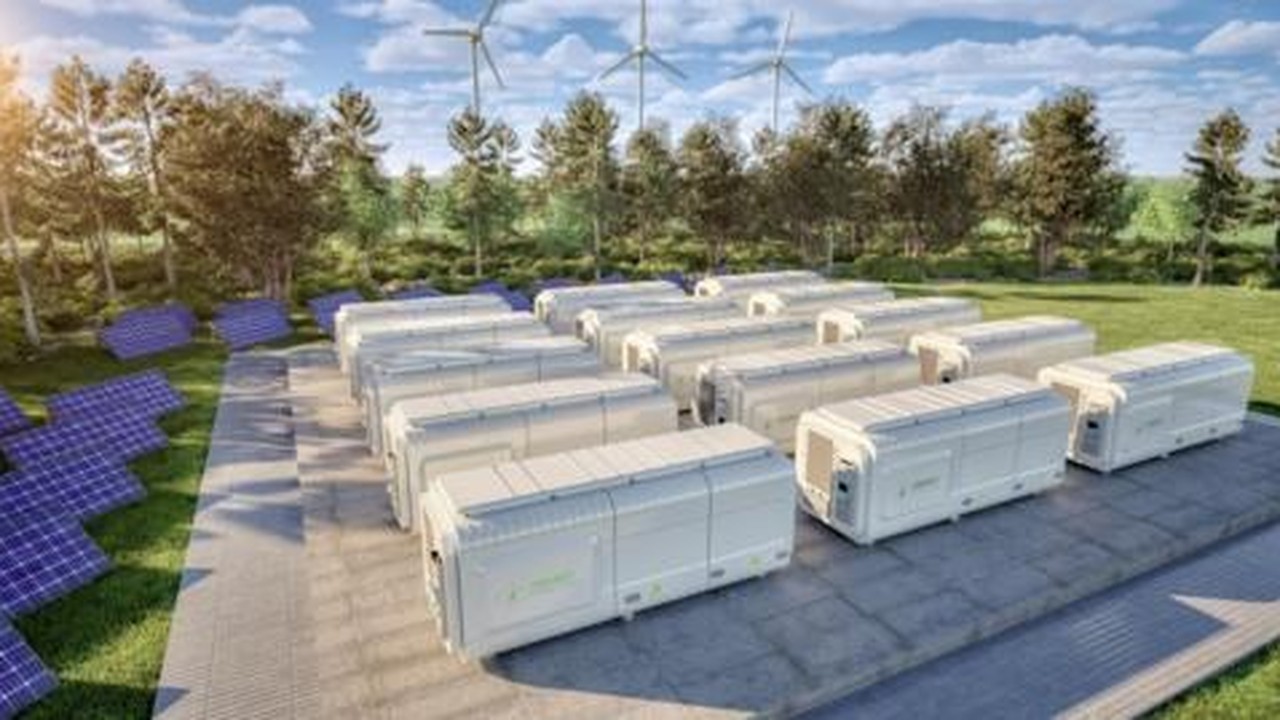
Brazilian scientists are simultaneously advancing two research projects on clean hydrogen and driving solutions that could transform the energy matrix, enhance industrial competitiveness, and accelerate large-scale emission reduction targets.



In addition to energy issues, the center also promised to provide sanitary and environmental solutions to the municipalities that will be served by the new energy plant, such as the organization of structure and equipment for waste sorting from selective collection and the inclusion of recyclable waste collectors in cooperatives and associations.
Job Creation
Consimares expects that indirect jobs will employ more than 5,000 people to carry out the construction of the plant and that, after the works are completed, 200 employees will be hired to work in the operation of the new waste plant.
Waste Production
Of the nearly 80 million tons of waste produced annually in Brazil, only a small portion is repurposed into energy. This is because the energy derived from urban waste represents only 0.1% of the total installed capacity of the energy matrix.
According to the mapping by ABREN (Brazilian Association for Energy Recovery from Waste), Brazil has the potential to install 120 energy generation units from waste in the 28 metropolitan regions with over 1 million inhabitants.
Data from CCEE (Chamber of Electric Energy Commercialization) further reveal that, from January to October 2021, 20 urban waste biogas plants generated an average of 119.5 MW to the SIN (National Interconnected System), which corresponds to 0.18% of the total generation from all energy sources in the country during that period.
Operation of a Biogas Plant
In general, energy generation plants using waste operate by converting the chemical energy of gas into mechanical energy through a controlled combustion process. This mechanical energy activates a generator that produces electric energy.