Portuguese
  Spanish


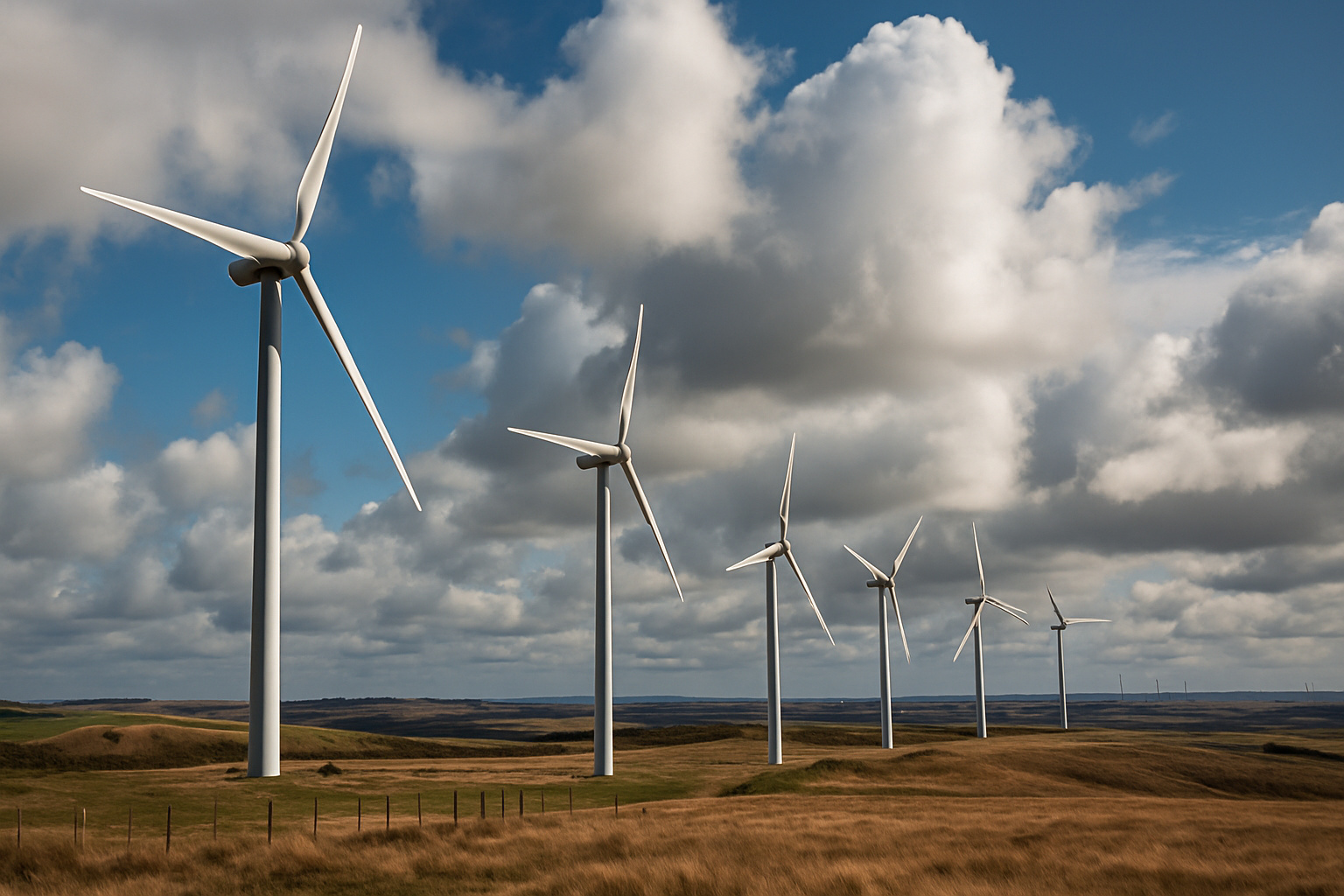

The wind energy has returned to the center of international discussions on sustainability after a federal judge in the United States overturned the ban imposed by the Donald Trump administration on new projects in the sector. The topic reignites structural debates about the energy transition, as this decision directly touches on issues of climate security, industrial innovation, and the future of energy matrices.
Since the beginning of the 21st century, wind energy has been advancing steadily, as the world sought alternatives to oil and coal. However, restrictive policies emerged in different countries over the years, which created movements of temporary retraction. According to BloombergNEF, regulatory changes always affect global investments, especially when they involve large markets like the U.S.
A New Regulatory Chapter
The U.S. District Court decision in Massachusetts, reported by Euronews in December 2025, declared that the ban was “arbitrary, capricious, and contrary to law.” As a result, the judge reinstated permissions for the development of onshore and offshore wind projects. This change came after months of political uncertainty that stalled new auctions and deterred investors.
-
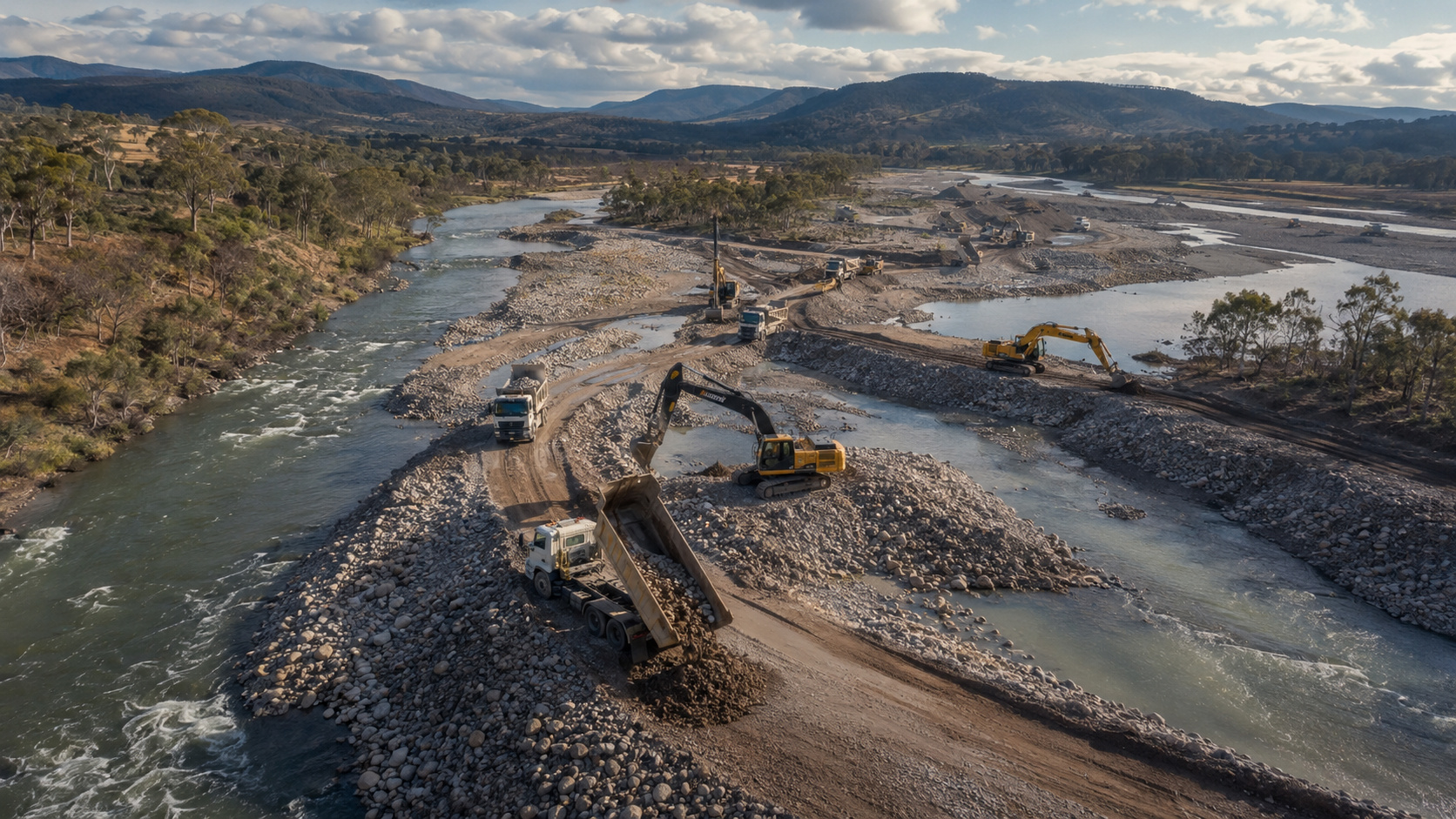
Brazil filled the Northeast with wind turbines but now faces the side effect of 705 giant blades reaching the end of their lifespan by 2032 just in Rio Grande do Norte, while the world projects 43 million tons of waste by 2050.

-
Brazil has filled the Northeast with wind turbines, but now it faces the side effect of 705 giant blades reaching the end of their useful life by 2032 just in Rio Grande do Norte, while the world projects 43 million tons of waste by 2050.
-
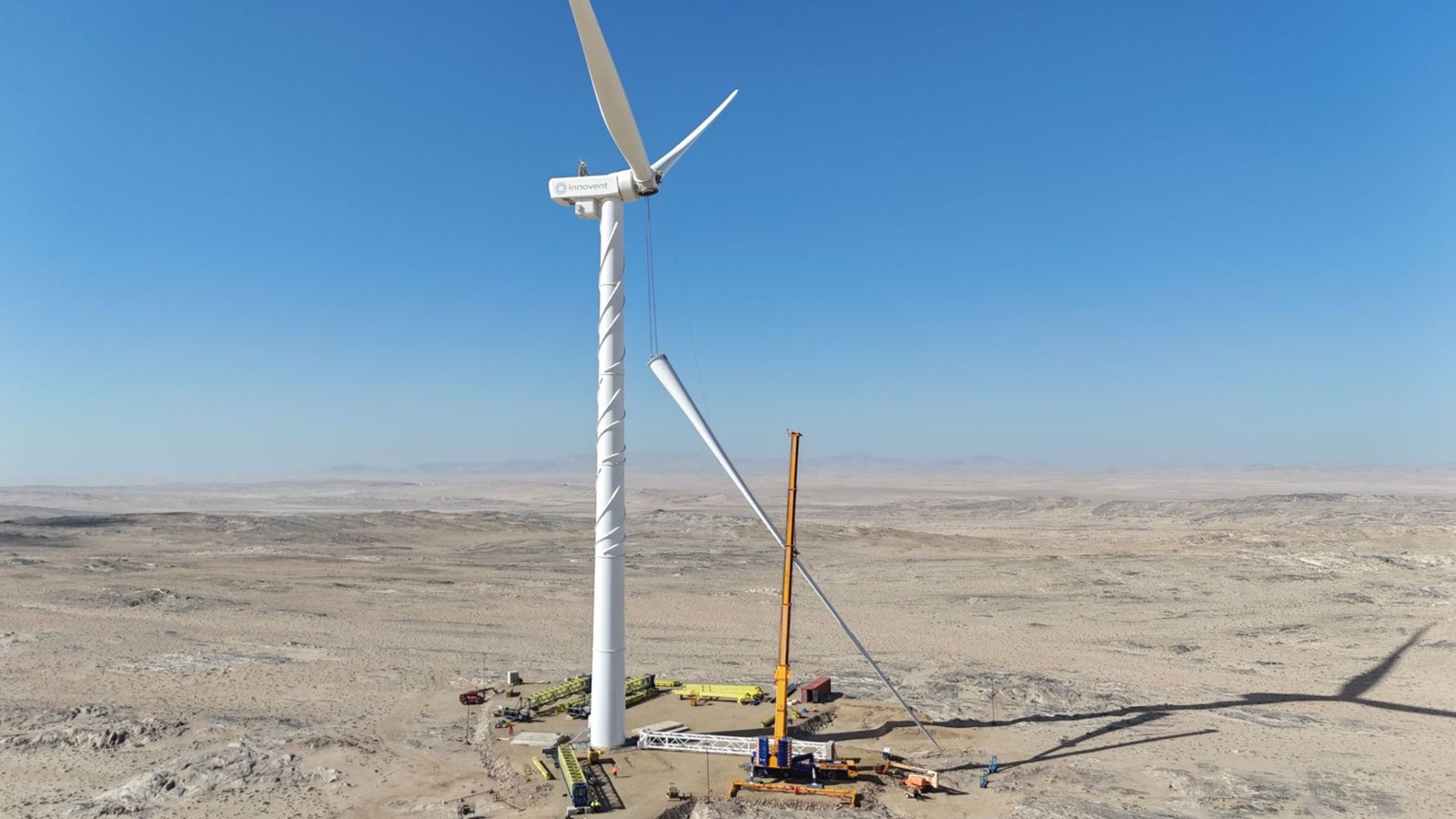
Wind farm in Namibia will have wind turbines assembled without giant cranes and is expected to avoid 200,000 tons of carbon dioxide per year when it becomes operational.

-
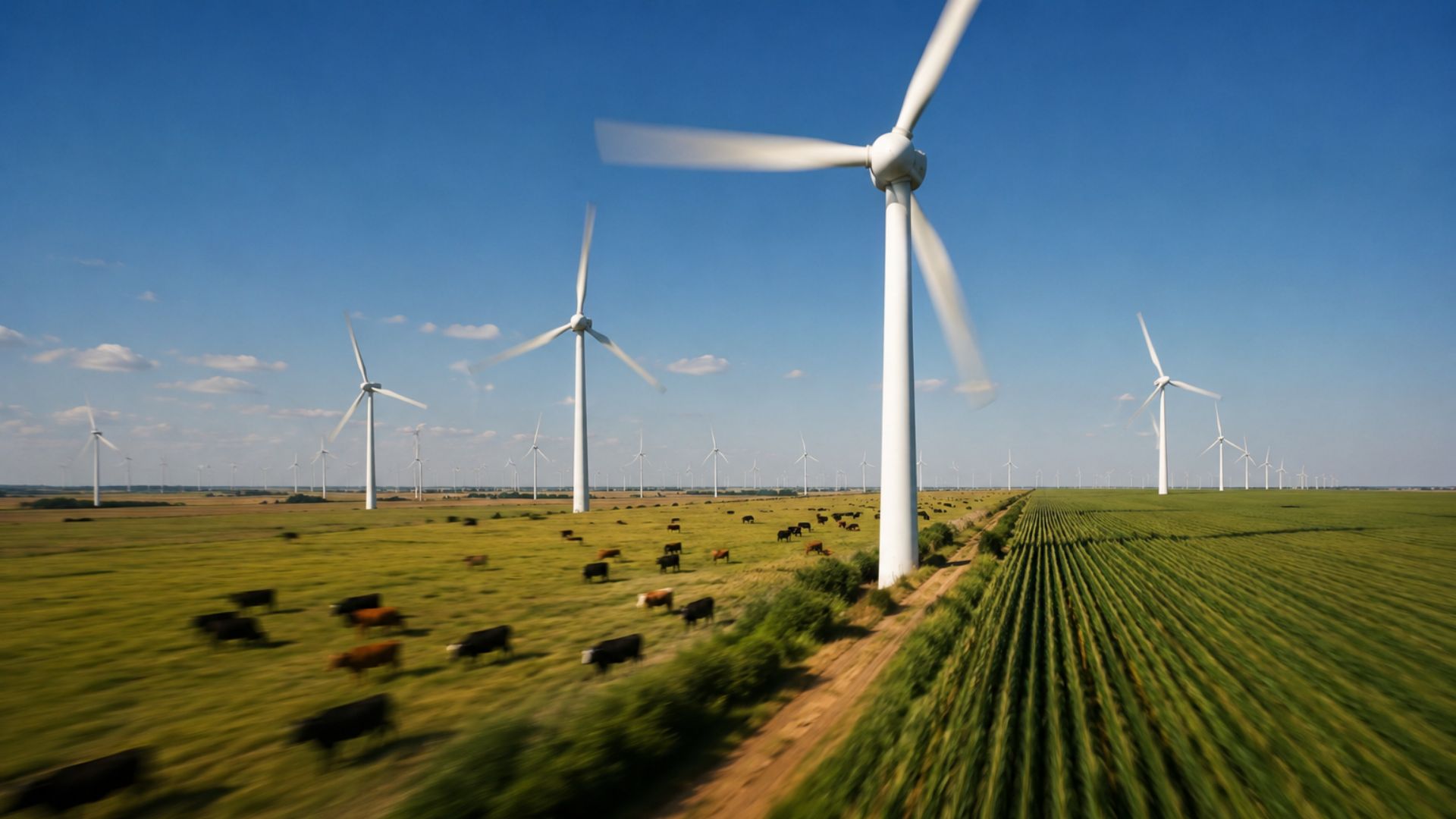
Taller than the Statue of Liberty, thousands of wind turbines are being planted in the middle of U.S. fields, creating two-story farms where corn and soybeans grow below while the wind turns into electricity above.


Immediately after the announcement, international companies in the sector reacted quickly. Bloomberg reported that the shares of Vestas and Ørsted rose by about 0.5%, demonstrating renewed confidence in regulatory stability. This movement, although small in the short term, symbolizes a trend: clean energy markets respond immediately to signs of predictability.
Meanwhile, the White House is working to reposition its energy strategy. According to the U.S. government, the construction of data centers and digital infrastructure increasingly requires more electricity. Thus, the suspension of the ban aligns with the need to expand renewable sources and reduce long-term operational costs.
The Global Impact of the Decision
The wind energy directly influences the climate commitments discussed since the Earth Summit in 1992. Since then, treaties like the Paris Agreement have strengthened the urgency to reduce emissions. Therefore, when a major economy changes its regulations, the effect spreads to other markets.
According to the International Energy Agency (IEA), the costs of wind generation have fallen by more than 60% in ten years. As a result, investors have begun to see the sector as an economically viable alternative even before government incentives. The annulment of Trump’s ban directly relates to this historical progress.
Moreover, the IEA’s 2024 report indicated that wind energy already avoids hundreds of millions of tons of CO₂ per year. This data reinforces the direct relationship between wind energy and sustainability, enhancing the popularity of renewable sources in public debate and the corporate environment.
Wind Energy as a Pillar of Sustainable Transition
The U.S. judicial decision is also resonating in Latin America, as several countries closely monitor global regulatory changes. Brazil, for instance, has expanded its offshore and onshore wind production in recent years, according to data from ABEEólica and the Ministry of Mines and Energy.
This movement demonstrates that the energy transition is not solely dependent on the installation of turbines, but also on integrated policies. Thus, governments seek to balance energy security, economic development, technological innovation, and climate goals.
It is in this context that the decision of the U.S. Court gains strategic relevance. It sends a symbolic and practical message: when rules favor predictability, investments grow and clean technologies gain ground. Wind energy comes to represent not only an environmental solution but also an essential element of economic competitiveness.
The Power of Historical Precedent
Over the past decades, various disputes have involved energy matrices and judicial decisions. In 1973, the oil crisis showed the world the impact of relying on fossil fuels. By the early 2000s, the expansion of renewables began to be seen as a way to protect against geopolitical instabilities.
In this case, the decision against Trump’s ban adds to this historical legacy. It reinforces the idea that energy transitions do not occur solely due to technological advancements but also through legal battles, political agreements, and economic movements.
For this reason, environmental law experts assert that decisions like this become references for other countries seeking to align growth with sustainability. And this occurs at a time when data centers, artificial intelligence, and high-capacity networks increase pressure on the global electricity system.
The Future of Wind Energy After the Decision
With the official suspension of the ban, new projects are starting to reorganize. Thus, energy consultants believe that the United States may accelerate its onshore and offshore wind expansion once again.
According to BloombergNEF, the country had thousands of megawatts awaiting only regulatory approval. Now, these projects are likely to be resumed, strengthening the entire production chain.
At the same time, other nations are observing the decision to adjust their own legislations. Consequently, the U.S. model may serve as a reference for public policies aimed at stimulating sustainable progress, without imposing restrictions that are incompatible with climate goals.
Wind energy, therefore, reaffirms its role as a protagonist of the global transition, as its environmental, economic, and technological benefits become increasingly evident.