Portuguese
  Spanish



Have You Ever Thought About Turning Your Home’s Wall Into A Solar Power Plant? Discover This Innovation That Is Changing The Energy Market In Brazil
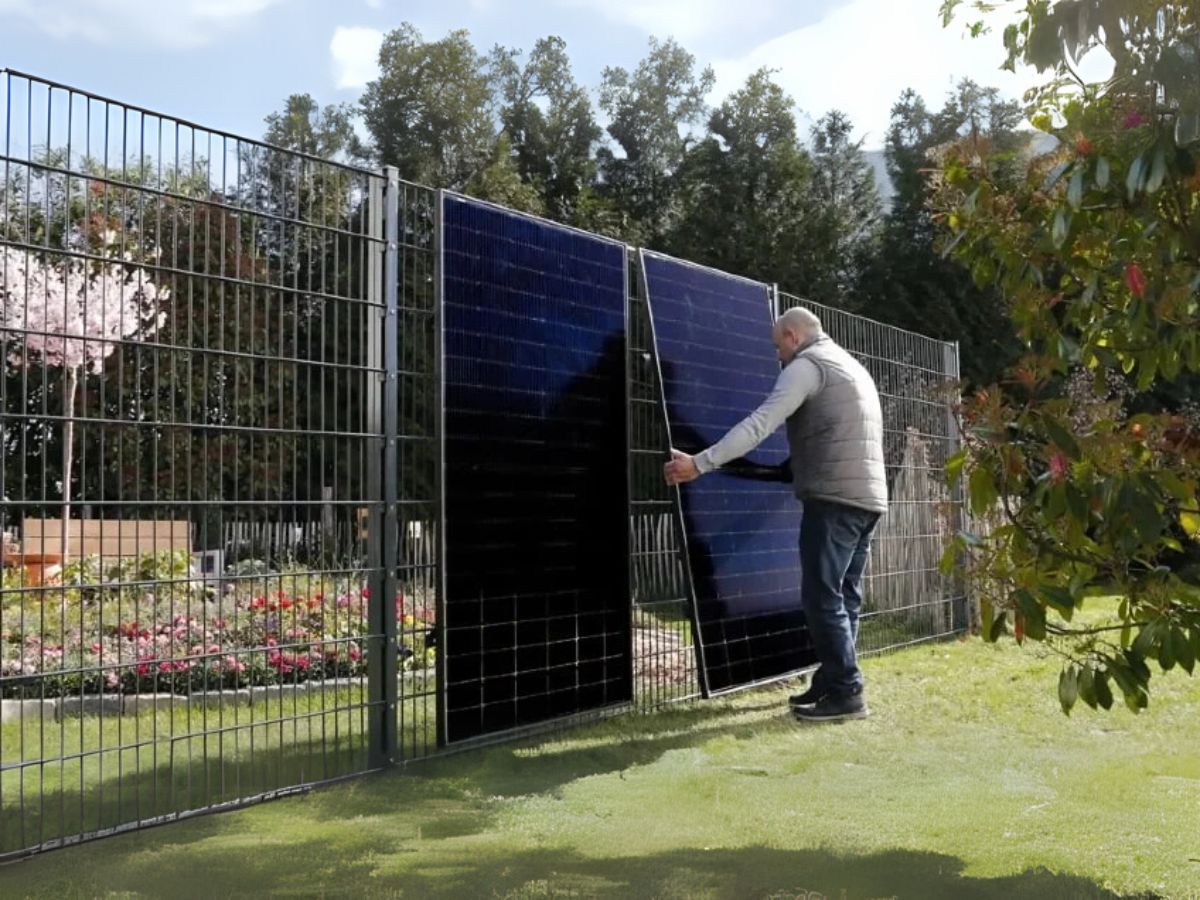
In recent years, solar energy has been gaining more supporters in Brazil, driven by the decrease in equipment costs and the growing desire for energy independence. One of the formats that has been drawing attention recently is the use of solar panels as walls, a creative solution that combines energy generation with architectural functions.
What Are Solar Walls And Why Are They Gaining Popularity?
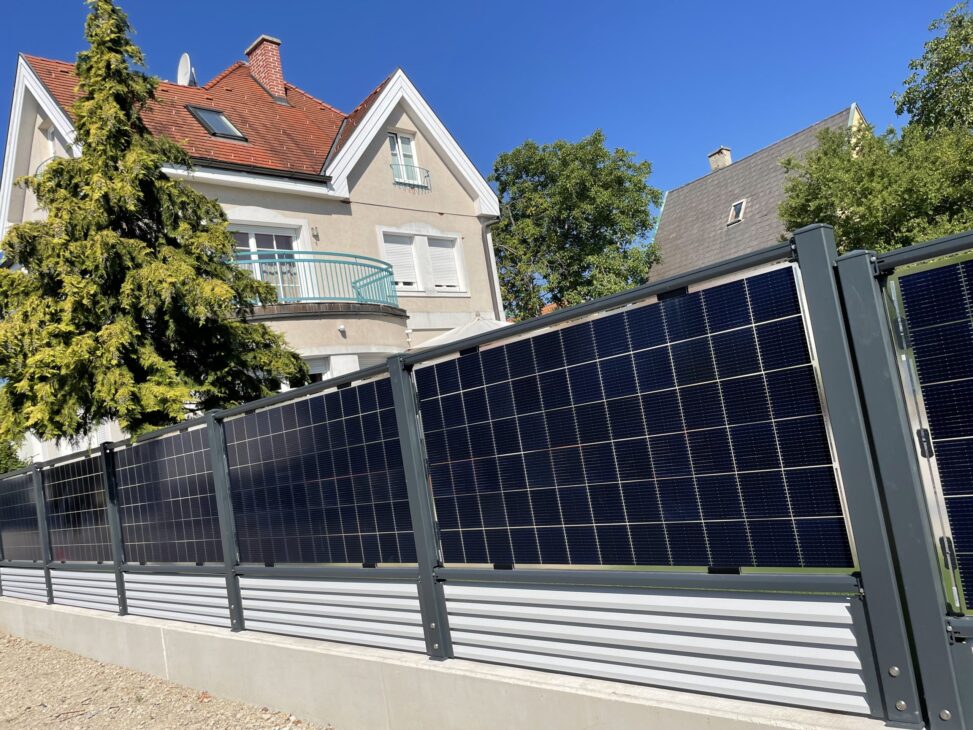
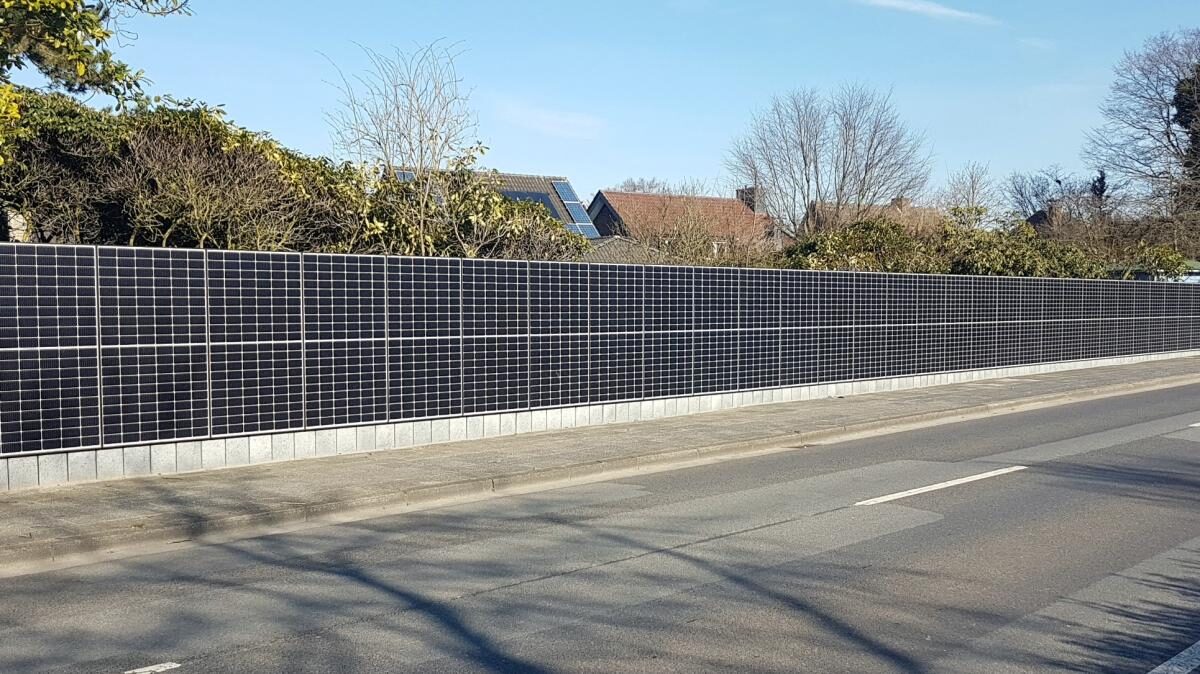
The installation of solar panels in a vertical position, such as fences or walls, emerges as a particularly useful alternative in properties with small roofs or shading. This configuration allows for the utilization of underused areas to generate electricity sustainably.
In Europe, this practice is already common in countries like Germany and the Netherlands. In Brazil, it is beginning to gain traction thanks to a reduction of over 60% in system costs between 2022 and 2025 and the expansion of credit for residential installations.
-
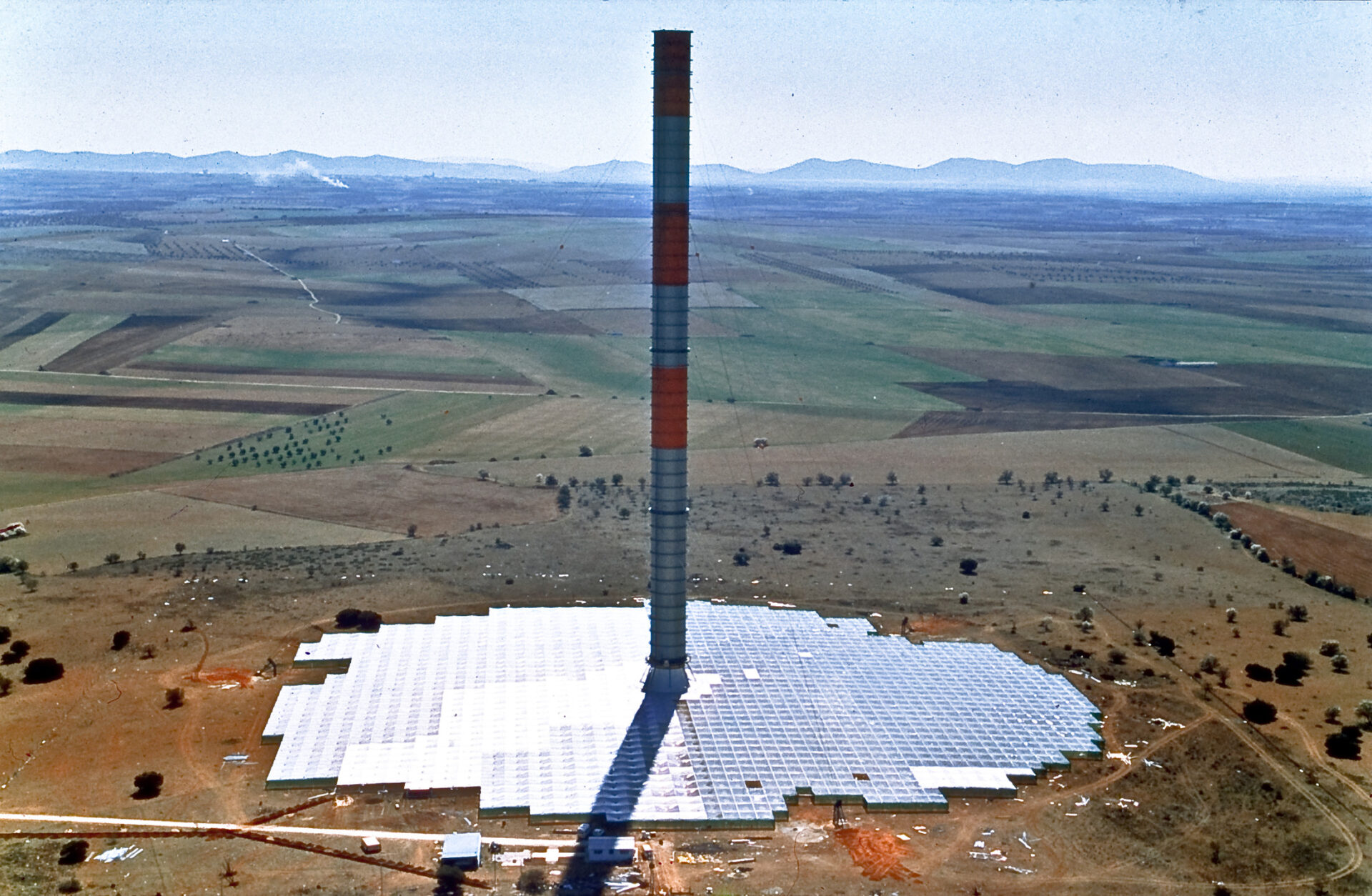
Solar Chimney in Spain Harnessed Sun to Generate Electricity for 7 Years Without Burning Fuel

-
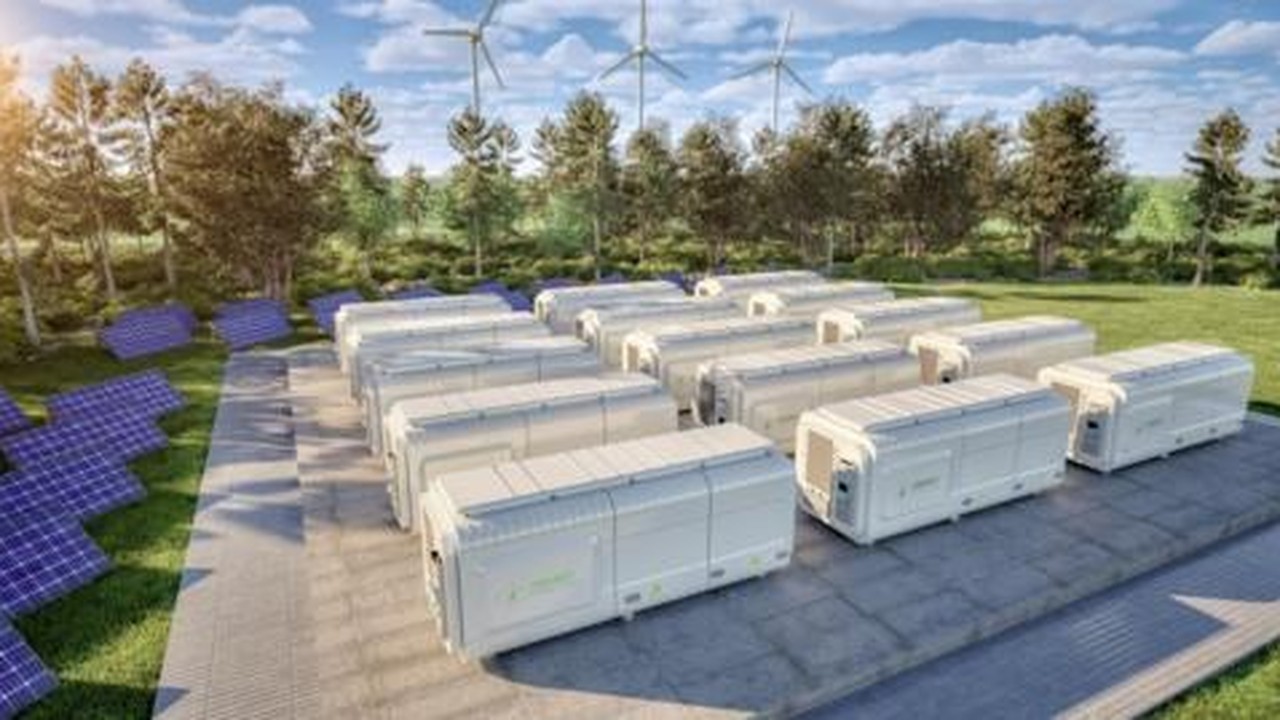
Brazil to Hold First Auction for Batteries to Store Solar and Wind Energy from the Northeast

-
Solar energy reaches 55 GW, becoming the second largest power source in Brazil’s energy mix

-
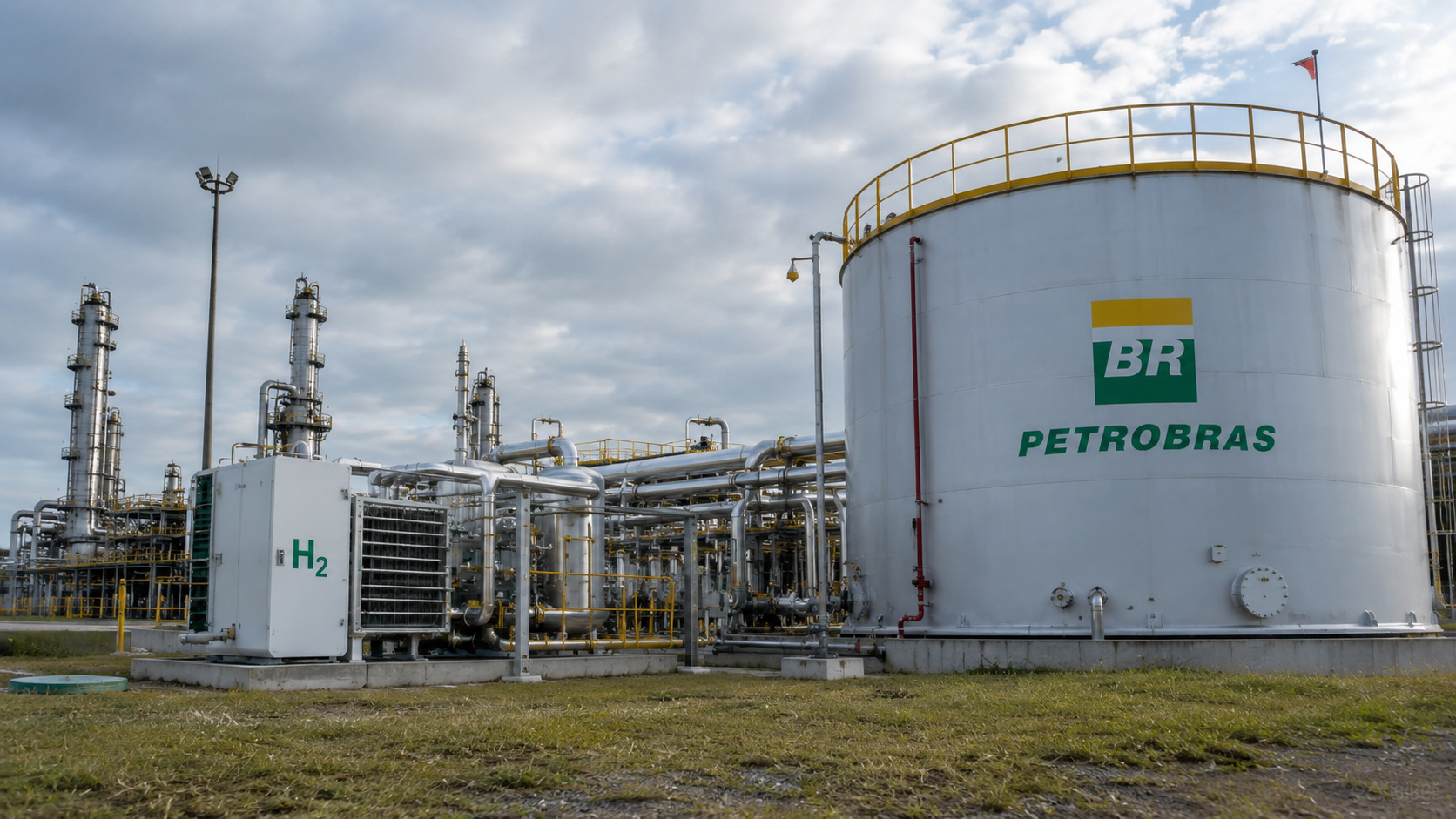
Brazilian scientists are simultaneously advancing two research projects on clean hydrogen and driving solutions that could transform the energy matrix, enhance industrial competitiveness, and accelerate large-scale emission reduction targets.

Advantages Of Vertical Solar Panels
Among the main benefits of this type of installation is the reduced cost. Since solar walls do not require complex metal structures or scaffolding, the installation tends to be quicker and more economical. Additionally, there are aesthetic and functional advantages: the panels can serve as elements of privacy or security, adding visual and utility value to the property.
Another positive aspect is that this solution allows for increased energy generation in properties that already use their rooftops for solar panels, optimizing the available space. According to Portal Solar, the intelligent use of different areas of the residence can enhance the energy self-sufficiency of the property.
Disadvantages And Limitations
Despite the advantages, it is important to highlight that vertical panels tend to have lower energy efficiency. This occurs because they are not tilted towards the sun and therefore receive less direct radiation throughout the day.
Additionally, the presence of nearby obstacles, such as trees and buildings, can create shading that affects the panels’ productivity. Therefore, it is essential to conduct a detailed analysis before installation, considering factors such as solar position and wall orientation.
The Brazilian Solar Energy Scenario
Brazil has one of the highest solar incidences in the world, which makes the country especially promising for the adoption of photovoltaic systems. By 2024, there are already more than 4.6 million properties with installed solar energy across the country.
This advancement has been driven by public policies and financing, such as those offered by public banks and cooperatives. According to a report by IstoÉ Dinheiro, the average payback time for the investment is around three to five years, depending on consumption and the installed system.
A Growing Trend
The use of solar panels as walls represents an evolution in the way we think about architecture and sustainability. By integrating technology and aesthetic function, this practice proves to be an innovative solution to the urban and climate challenges of today.
As technology evolves and prices continue to fall, it is likely that solar walls will become increasingly common in Brazilian residential neighborhoods. With more information, access to credit, and environmental awareness, this sustainable alternative tends to transform the way we produce and consume energy in our daily lives.
To learn more about this trend and other solutions in clean energy, visit the portals Portal Solar and LA Solar, references in the national photovoltaic sector.
And you, what do you think about this trend? Would you install solar panels on your home’s wall? Do you believe that this solution can truly transform the way we use energy in Brazil? Share your thoughts in the comments and join the conversation!