Portuguese
  Spanish


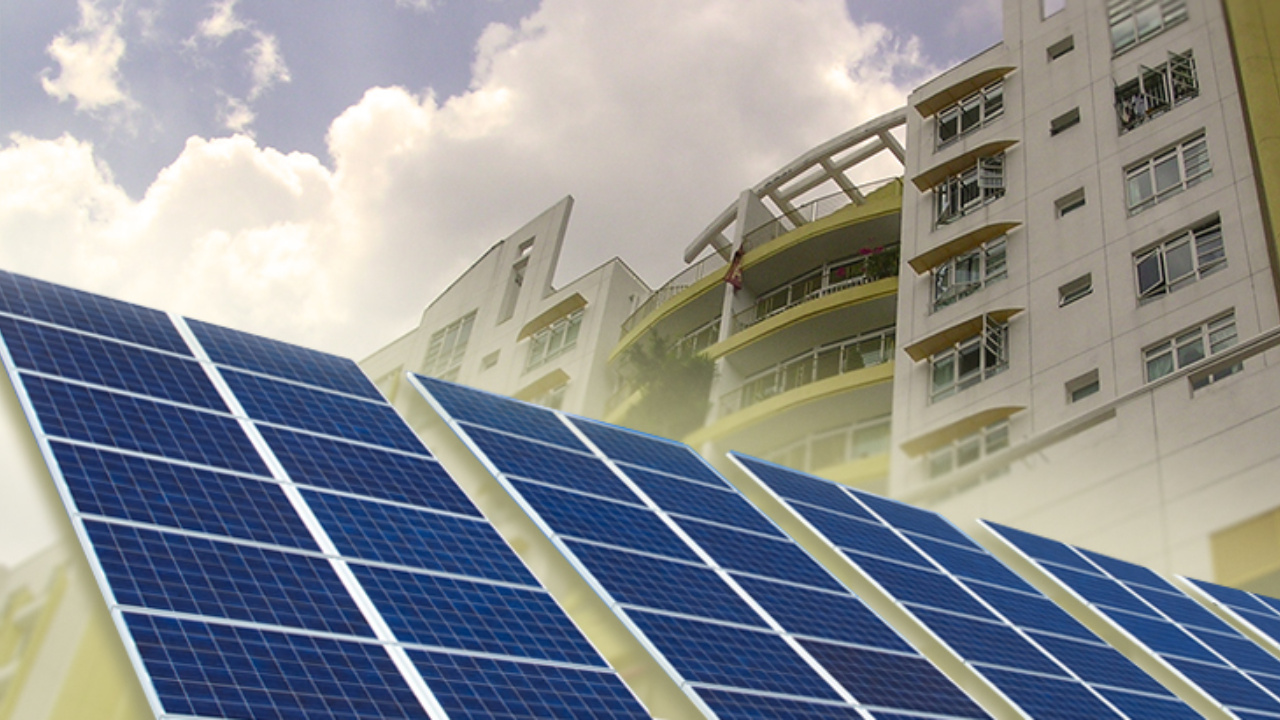

Collective Solar Energy Is Gaining Ground in Condominiums in Brazil, Promising Savings and Property Valuation. However, Experts Warn of Legal Risks and the Need for Adequate Financial and Technical Planning.
The adoption of solar energy has ceased to be a trend restricted to isolated residences and has also started to gain space in Brazilian condominiums. The distributed generation model, authorized by the National Electric Energy Agency (Aneel), allows residents to share the energy generated by photovoltaic panels and offset part of their electricity bills, promoting savings and sustainability collectively.
According to Normative Resolution No. 482/2012 and its update by No. 687/2015, condominiums can install their own solar systems and compensate for electricity consumption through credits distributed among residents. This proposal has been attracting managers and administrators across the country, especially in light of rising energy tariffs and growing demand for green solutions.
Data Indicates Savings of Up to 60% with Solar Energy in Condominiums
Studies by the Brazilian Photovoltaic Solar Energy Association (Absolar) reveal that condominiums adopting collective solar energy can reduce their monthly electricity costs by between 30% and 60%. Additionally, properties with photovoltaic systems can appreciate by up to 15% in the real estate market, as they are considered more sustainable and modern.
-
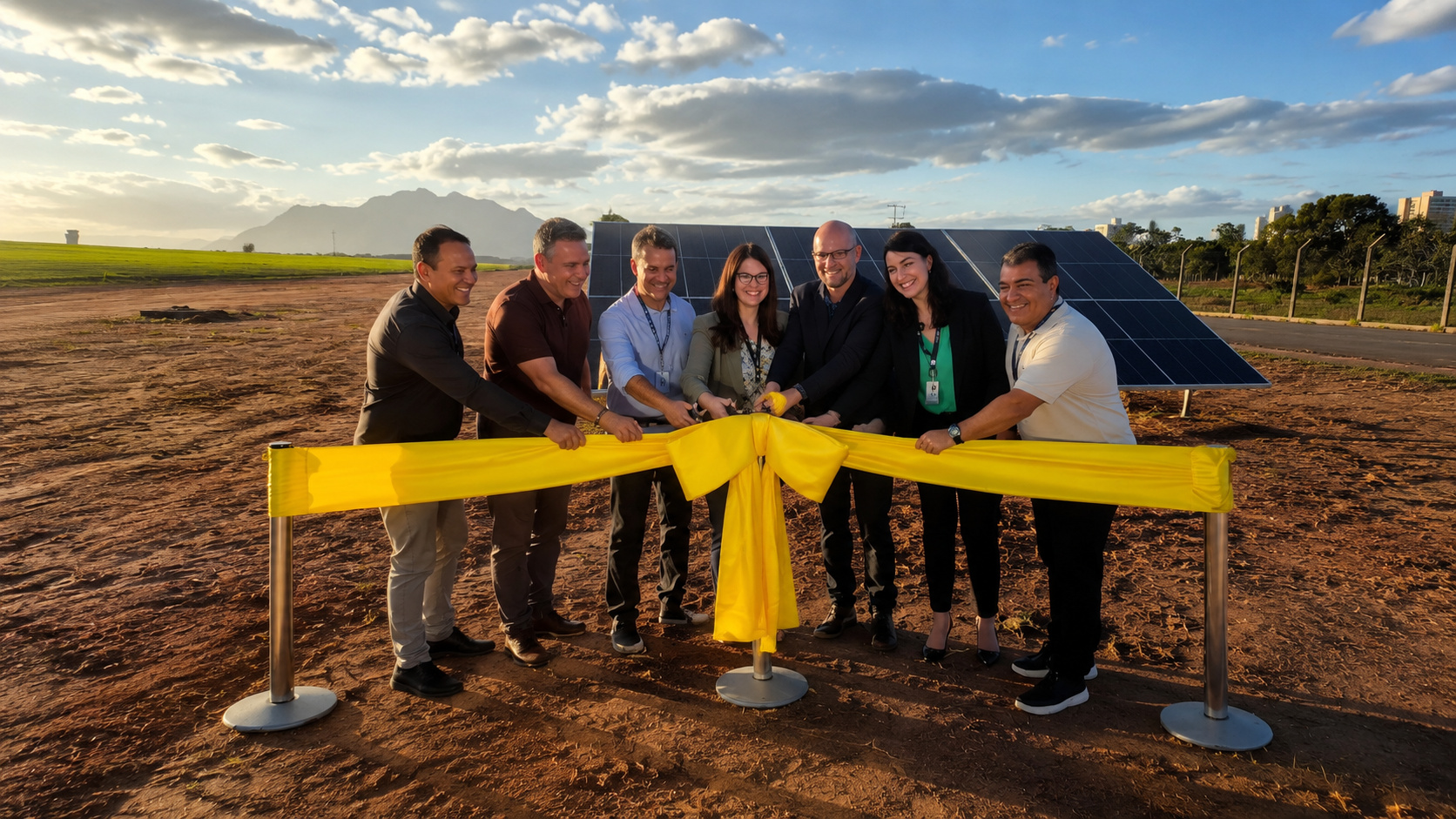
Brazil’s Vitória Airport to Launch Solar Plant Covering Area of 10 Soccer Fields, Boosting Clean Energy and Cutting Costs

-
Switzerland Converts Train Tracks into Solar Power Plants with Removable Panels to Generate Energy Without Using Additional Land
-
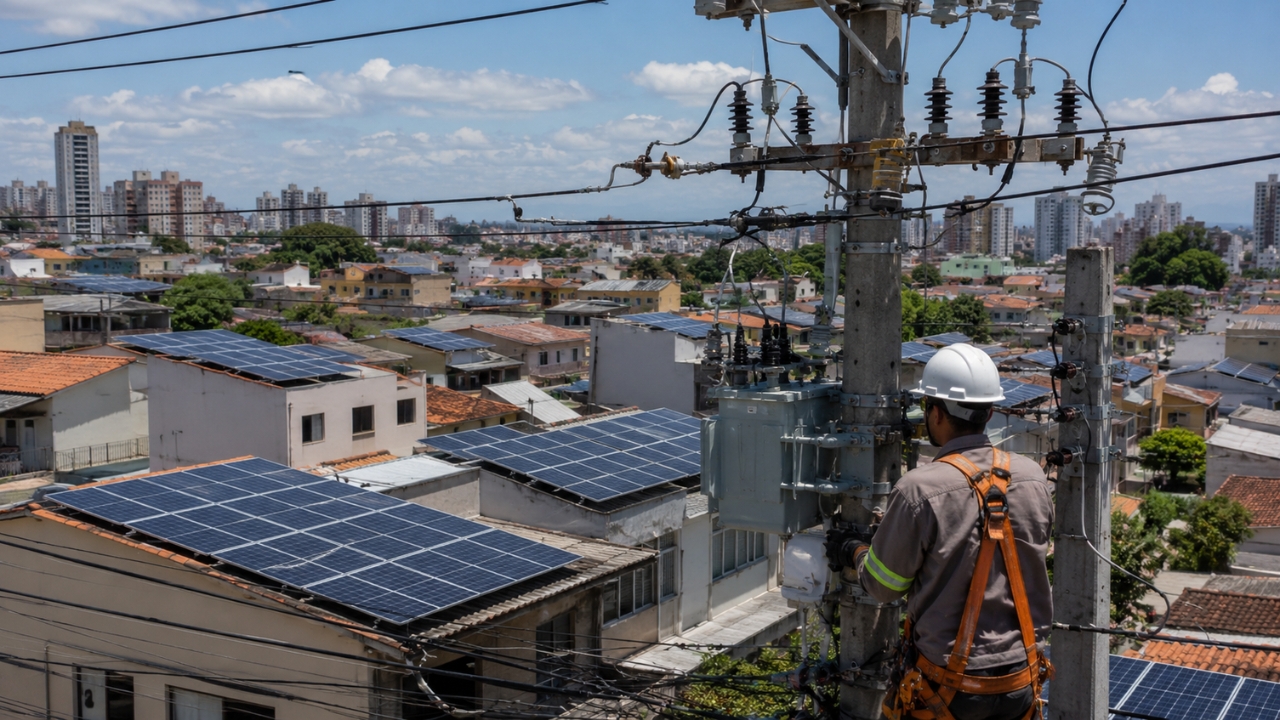
Surge in Solar-Powered Homes in Brazil Leads to Grid Strain and Connection Restrictions in Three States

-
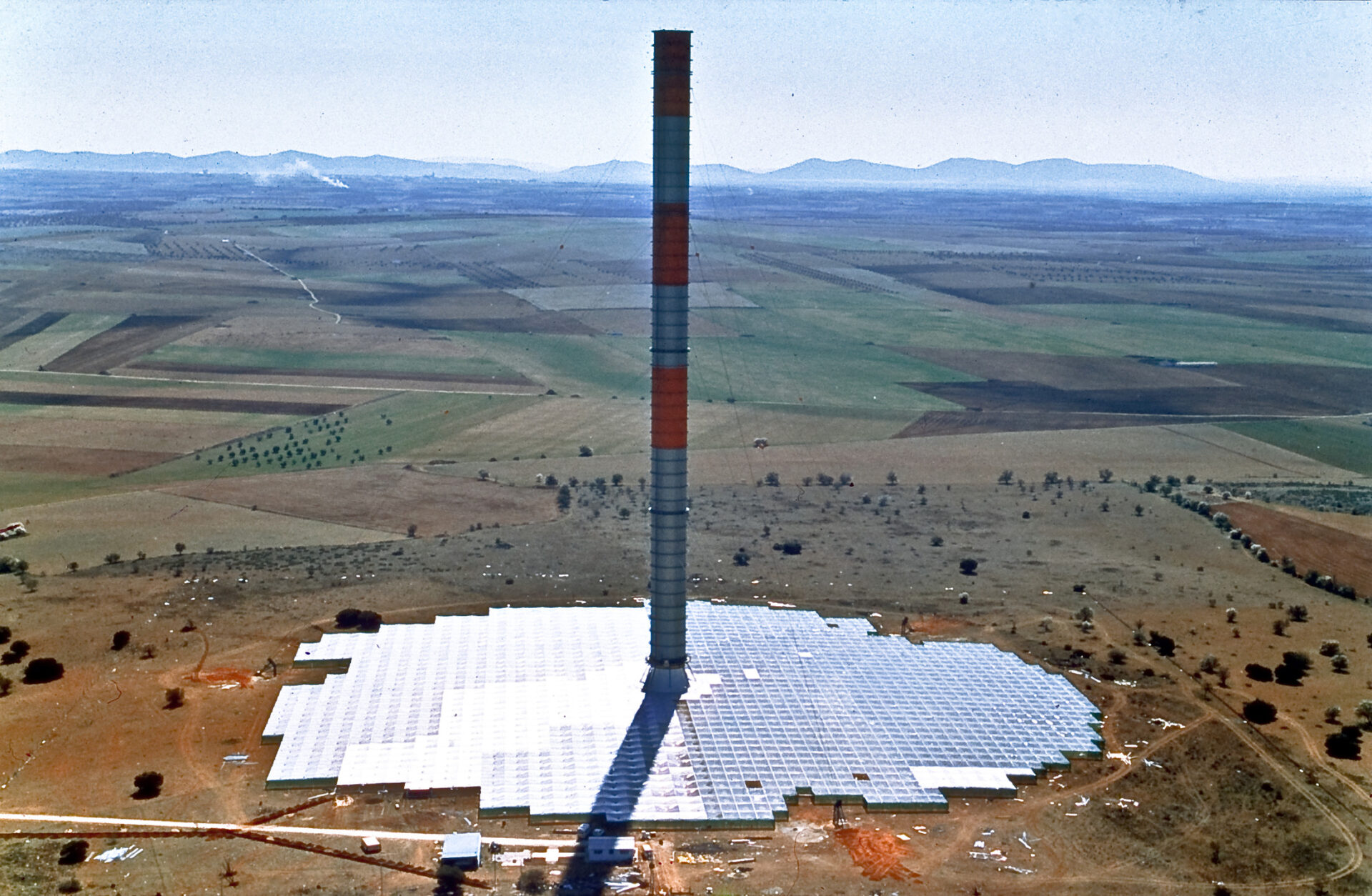
Solar Chimney in Spain Harnessed Sun to Generate Electricity for 7 Years Without Burning Fuel


However, the savings, while significant, do not happen immediately. The initial investment remains the main obstacle. Medium-sized projects can cost between R$ 200,000 and R$ 500,000, with financial returns expected between five and seven years. To make the project feasible, many condominiums seek specific credit lines offered by banks and cooperatives aimed at energy efficiency and renewable energies.
Sharing and Energy Credits Require Transparent Management
One of the biggest challenges in adopting collective solar energy is figuring out how to divide the costs and energy credits among residents. Aneel allows the generated energy to be shared according to the ideal fraction of each unit or according to assembly decisions, as long as it is recorded and documented.
This stage requires total transparency. The manager, along with the administration and the energy management company, must ensure that the discount is correctly reflected on each resident’s bill. Without clear management, there is a risk of conflicts and legal disputes.
Furthermore, it is essential to maintain rigorous accounting control over energy credits and ensure that offsets are correctly applied, avoiding questioning or financial imbalances within the condominium.
Legal Risks Can Compromise Collective Savings
Despite the economic and environmental benefits, experts warn that collective solar energy can become a legal impasse if implemented without proper legal support.
According to lawyer Felipe Faustino, a specialist in condominium law, “the main challenge is aligning collective interests with current legislation, respecting both Aneel and the Civil Code. A poorly structured decision can lead to lawsuits among residents or even questions about the legality of cost-sharing.”
Another critical point is the hiring of the installation company. The condominium must ensure that the supplier has technical registration, warranty for equipment, and civil liability insurance, avoiding losses in case of failures or accidents. The absence of these precautions can result in financial loss and prolonged litigation.
How to Ensure Legal Security and Efficiency in the Collective Solar Energy Project
To avoid setbacks and ensure that the project yields positive results, experts recommend following five essential steps before installing solar panels:
- Technical and Legal Feasibility Study: hire specialized professionals to assess costs, benefits, financial returns, and possible legal implications.
- Documented General Assembly: record all decisions in the minutes, especially regarding adherence, cost-sharing, maintenance, and responsibilities.
- Detailed Contract: include specific clauses regarding warranties, delivery deadlines, maintenance, and insurance.
- Tax and Environmental Compliance: verify possible tax incentives and ensure the project adheres to current environmental regulations.
- Transparent Management of Energy Credits: adopt digital platforms that allow tracking the distribution and application of credits in real time.
These measures reinforce legal security and increase residents’ confidence in the system, ensuring that the promised savings actually materialize.
Collective Solar Energy Drives Urban Sustainability and Enhances Property Value
In addition to direct savings, solar energy projects in condominiums promote positive impacts on the community and the environment. Reducing CO₂ emissions and utilizing renewable sources contribute to the country’s climate commitments while enhancing the image of developments as symbols of innovation and environmental responsibility.
Condominiums with their own solar plants become more attractive to new buyers and investors, particularly among younger generations who prioritize sustainability and conscious consumption. Managers report that, in addition to savings on bills, there is greater engagement among residents in environmental issues and collective improvements.
The growing adoption of collective solar energy reflects a structural shift in how condominiums approach energy consumption. Self-generation, combined with intelligent monitoring and automation systems, transforms buildings and residential complexes into sustainable microgrids — autonomous and more efficient.
With the projected growth of the solar sector in Brazil and the expansion of public incentives, the trend is that more and more condominiums will adopt solar energy as a standard of sustainability and economic management.
Thus, while initial costs still represent an obstacle, the long-term outlook shows that investing in collective solar energy is more than an environmental choice: it is a strategy for property appreciation, energy autonomy, and modernization of condominium life.