Portuguese
  Spanish



With Forecast Of 25% In 2025, Solar Energy Sector Gains Strength With Accessible Credit Lines From Banco Da Amazônia For Companies And Individuals.
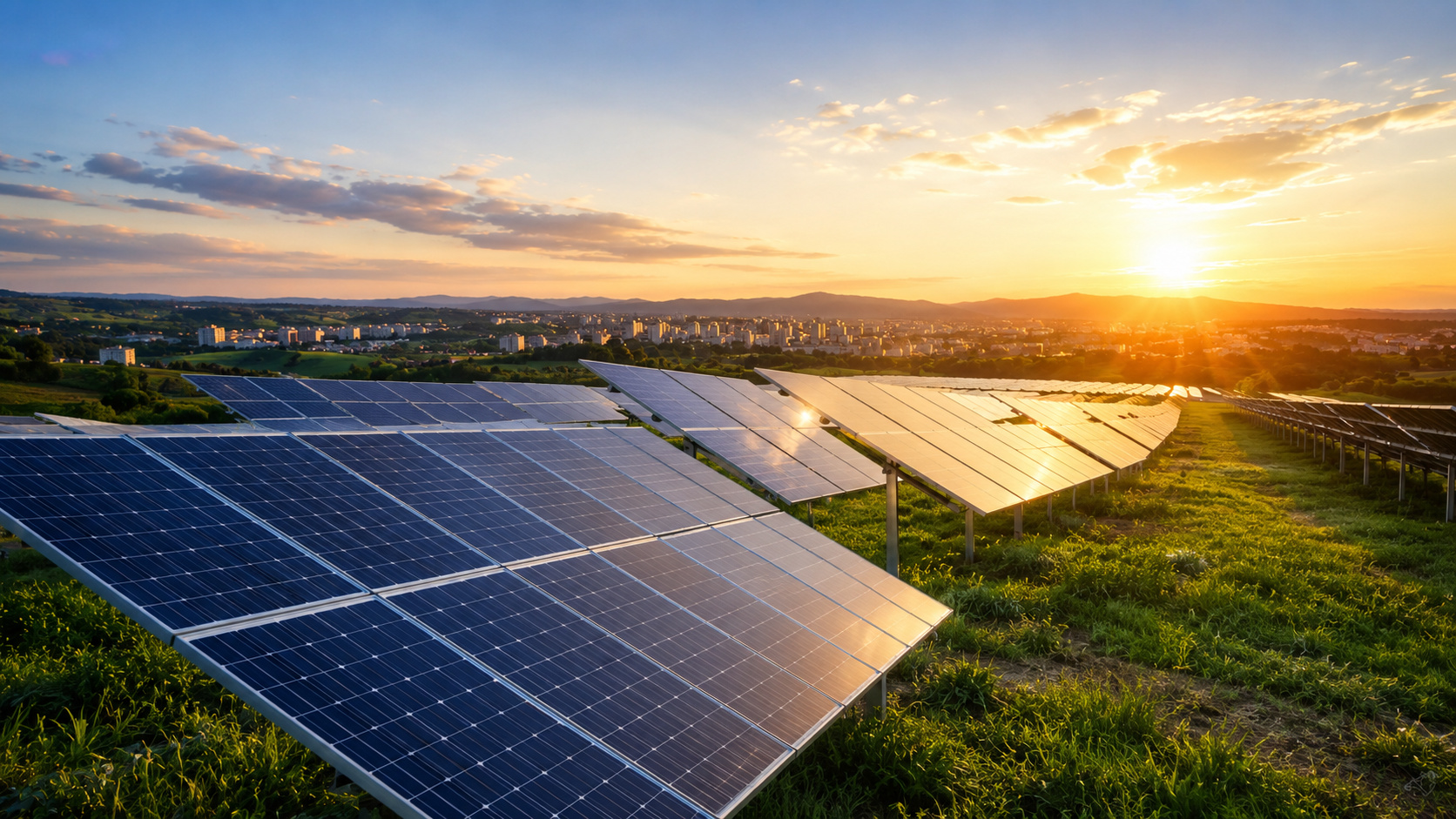
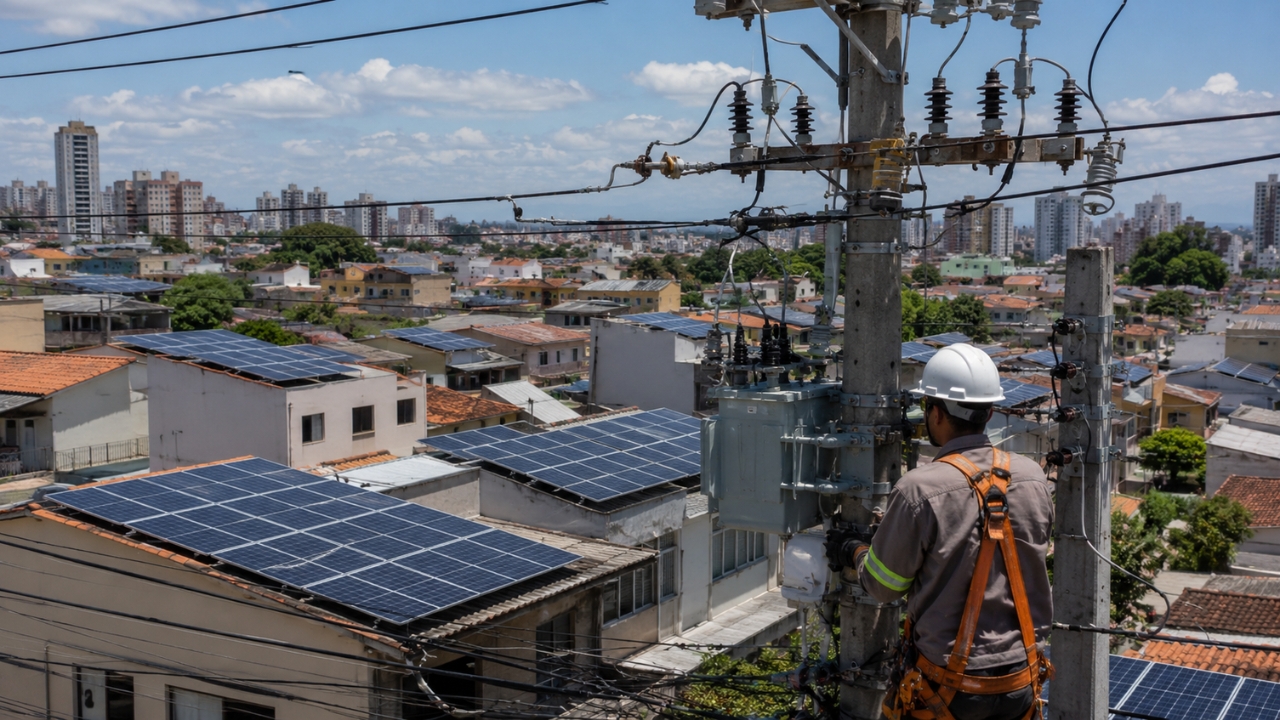
Brazil is preparing for another significant advancement in the adoption of solar energy in 2025. The expectation is that the country will add 13.2 gigawatts (GW) to its installed capacity, which represents a jump of 25% compared to what has been achieved so far.
Behind this growth is the essential role of Banco da Amazônia, which has encouraged the use of renewable sources through financing lines aimed at residences, businesses, and rural producers.
With accessible conditions and extended terms, the financing has enabled sustainable projects that promote savings on electricity bills and reduce environmental impacts.
-
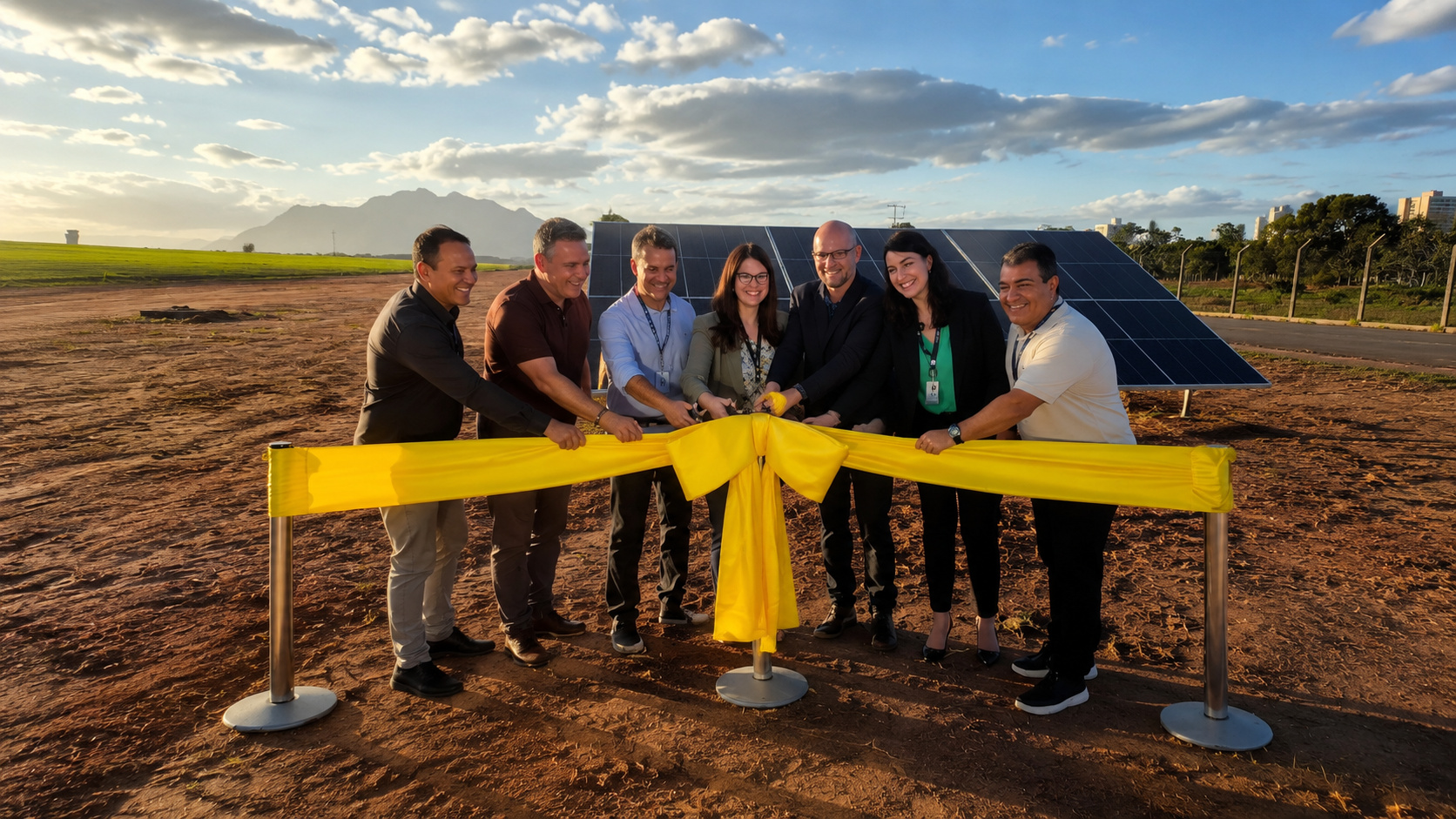
Brazil’s Vitória Airport to Launch Solar Plant Covering Area of 10 Soccer Fields, Boosting Clean Energy and Cutting Costs

-
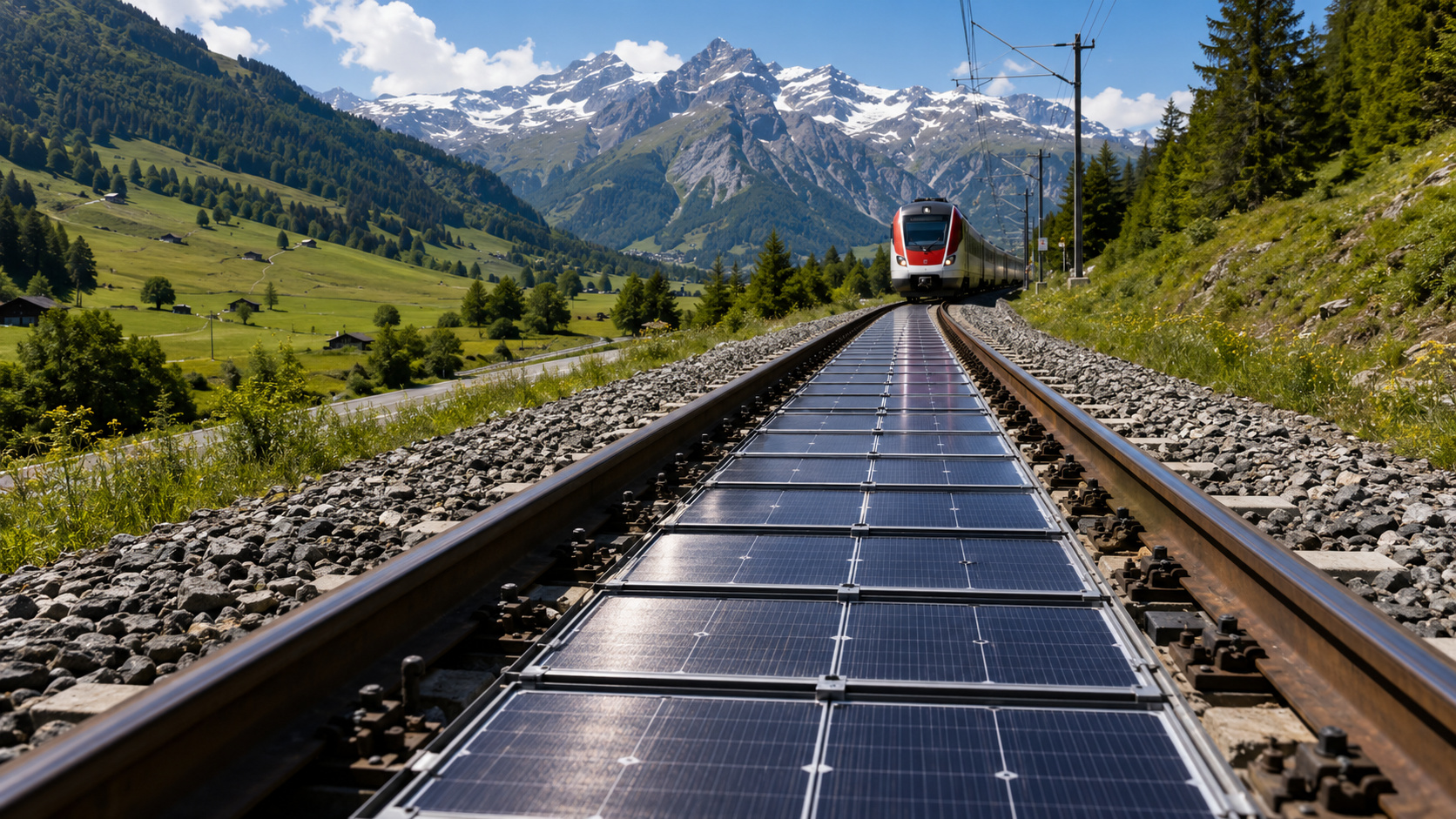
Switzerland Converts Train Tracks into Solar Power Plants with Removable Panels to Generate Energy Without Using Additional Land
-
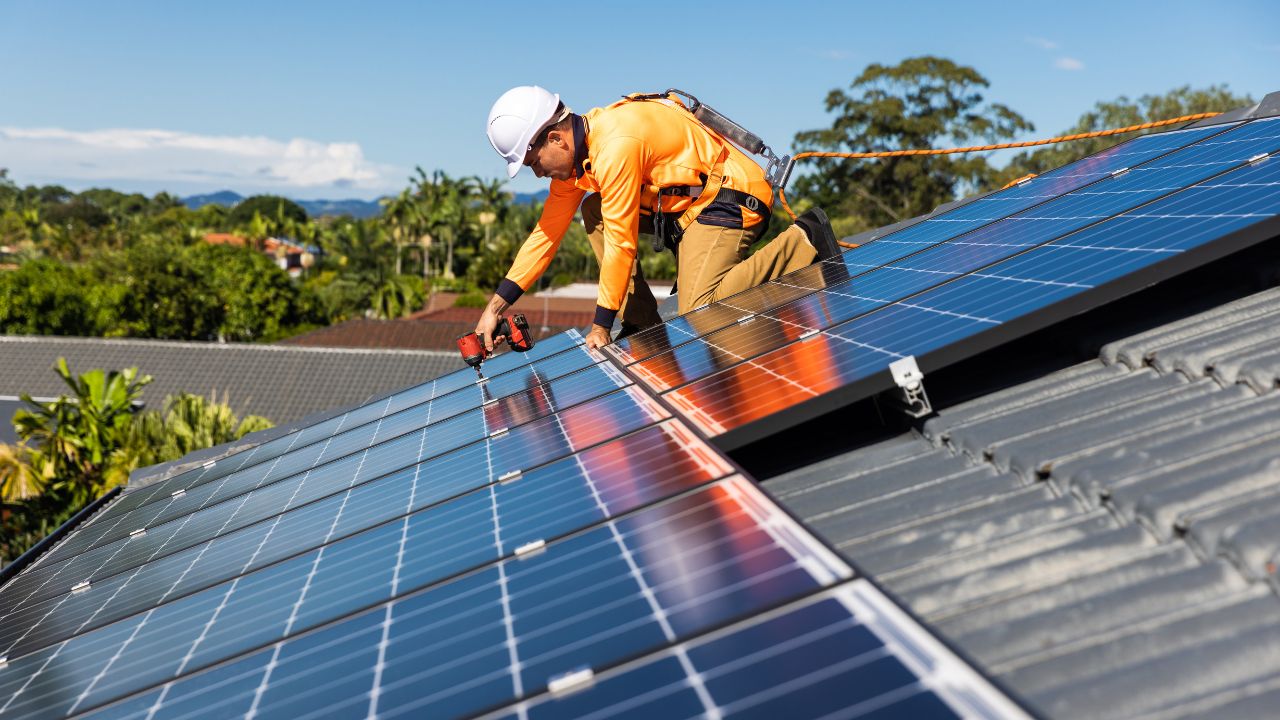
Surge in Solar-Powered Homes in Brazil Leads to Grid Strain and Connection Restrictions in Three States

-
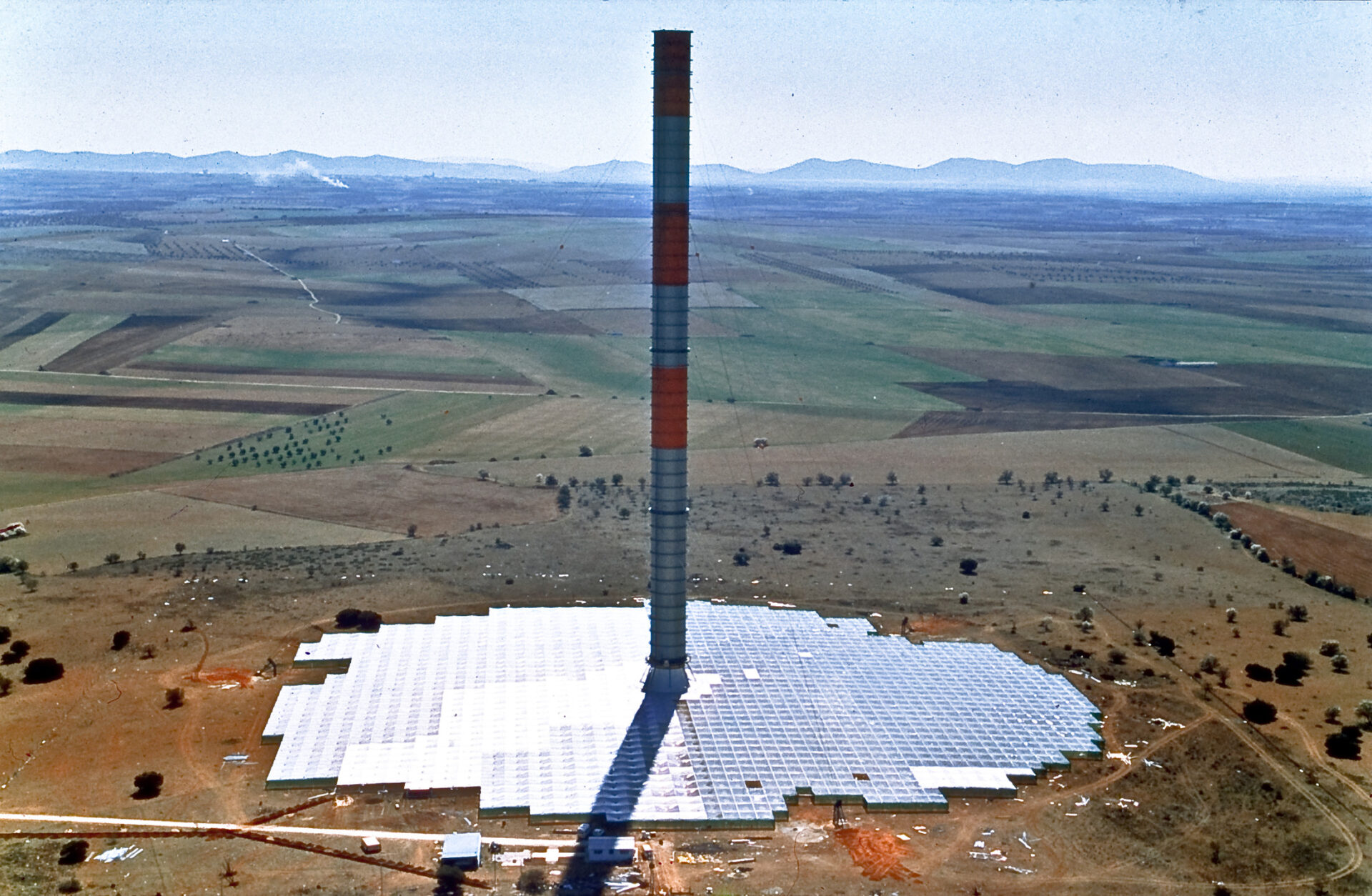
Solar Chimney in Spain Harnessed Sun to Generate Electricity for 7 Years Without Burning Fuel

Solar Energy Financing For Individuals: Up To 100% Of The Covered Value
One of Banco da Amazônia’s main bets is the FNO Energia Verde line, aimed exclusively at those who wish to install solar energy in homes or small businesses.
This credit covers up to 100% of the project’s value, with amounts ranging from R$ 10,000 to R$ 100,000. The repayment term can extend up to 8 years, including a grace period of up to 6 months.
According to the bank’s Sustainable Development Manager, Samara Farias, “these initiatives contribute to reducing electricity costs while promoting the use of clean and renewable sources.”
Solar Energy Helps Reduce Up To 98% Of The Electricity Bill
In addition to the environmental benefits, solar energy represents significant savings in the monthly budget.
A system costing R$ 33,000 can generate savings of up to R$ 550 per month, which is about 91% of the electricity bill.
This reduction in fixed costs is appealing to both families and small entrepreneurs seeking financial stability and less reliance on conventional energy supply.
Thus, investment in solar energy pays off over the years and also increases the value of the property where the system is installed.
Support For The Field: Sustainable Credit For Rural Producers
Banco da Amazônia also offers specific support to the rural sector through the FNO Amazônia Rural Verde line.
The goal is to finance sustainable practices, such as the use of solar energy in agricultural properties and the restoration of degraded areas.
The terms can extend up to 5 years for repayment, with a grace period of up to 8 years and interest starting from 4.18% per year.
This credit is aimed at rural producers, traditional Amazon communities, and private companies operating in the agricultural sector.
Companies Are Also Covered By Green Credit
Companies interested in investing in sustainable solutions can turn to the FNO Amazônia Empresarial Verde line.
This modality supports projects in the tourism, education, health, culture, and technology sectors, as long as they align with environmental responsibility practices.
The term can be up to 17 years, with up to 4 years of grace period. For working capital, repayment can be made in up to 36 months.
Solar energy, in this context, is one of the most sought-after solutions, as it improves operational efficiency and reduces fixed costs in the long run.
Another important front of Banco da Amazônia is the encouragement of low-carbon infrastructure through the FNO Amazônia Infraestrutura line.
Projects in areas such as renewable energy generation and storage, composting plants, sanitation, green transportation, and connectivity in isolated communities are financed.
This modality offers terms of up to 24 years for repayment and a grace period of up to 8 years, with variable interest rates depending on the sector and the size of the enterprise.
The expectation of the Brazilian Association of Photovoltaic Solar Energy is optimistic: even after robust growth in 2024, when 14.3 GW were added to the national energy matrix, the sector still has room to grow.
With the advancement of financing like those offered by Banco da Amazônia, solar energy consolidates itself as a strategic solution for sustainable development, generating jobs, reducing dependence on polluting sources, and bringing savings to Brazilian families.
If the current pace is maintained, Brazil is expected to remain among the global leaders in solar energy generation in the coming years.