Portuguese
  Spanish


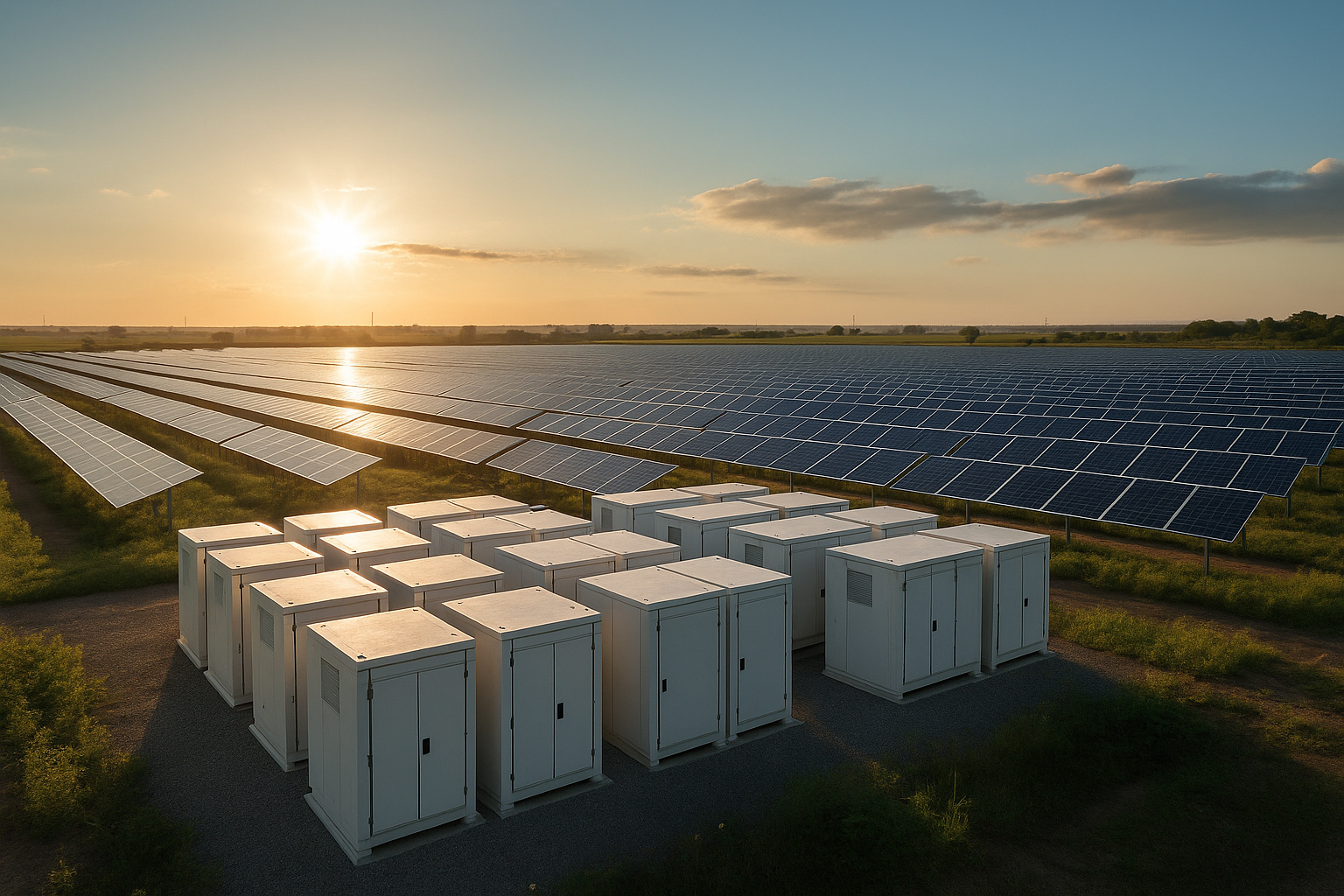

With 11.7 GW of Storage in 2024, The U.S. State Reduces Gas Use by 43% and Becomes a Global Leader in Energy Transition
A historic turn is lighting up the future of energy. California, a global reference in innovation and sustainability, achieved in 2024 what experts call the “Holy Grail of Solar Energy”: generating clean electricity at night without relying on the sun.
According to the Ember (2024) report, the state jumped from 0.6 GW of batteries in 2020 to 11.7 GW in 2024, expanding its storage capacity by almost twenty times. Today, this infrastructure represents almost half of the total installed in the United States, consolidating California as a global model of renewable energy.
Storage Turns Night into Day
This impressive achievement did not happen by chance. The secret lies in the combination of solar energy, batteries, and smart demand management. According to the California Independent System Operator (CAISO), natural gas use fell 43% between 2022 and 2024, marking the decline of the fuel that dominated nighttime consumption for decades.
-
Green Roofs on Homes Gain Popularity for Reducing Heat, Noise, and Rain Impact in Brazil

-
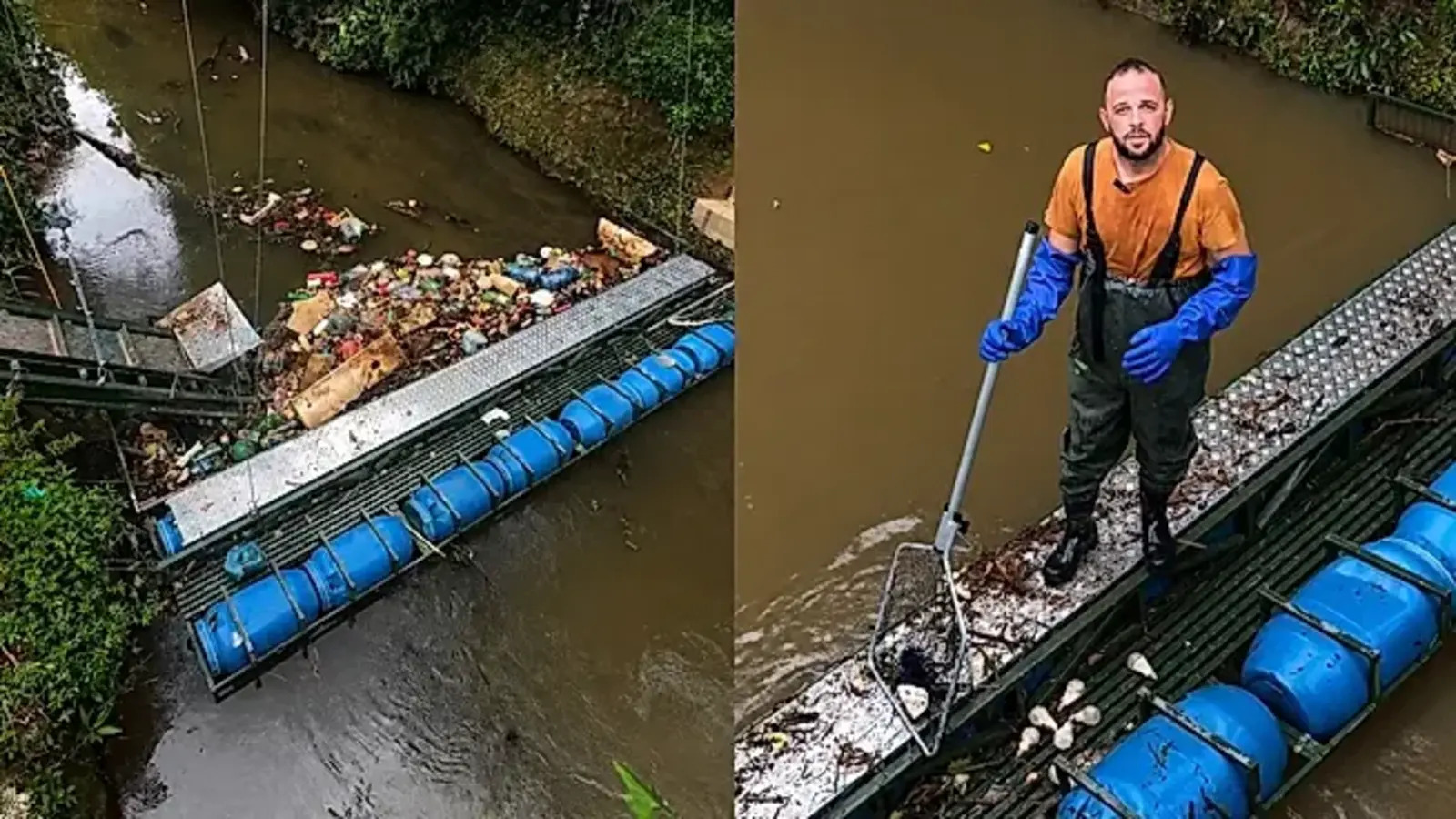
Brazilian promises his children to save a river, creates an eco-barrier in his backyard, has already removed more than 40 tons of trash from the water, and even inspires the idea in other states of the country.

-
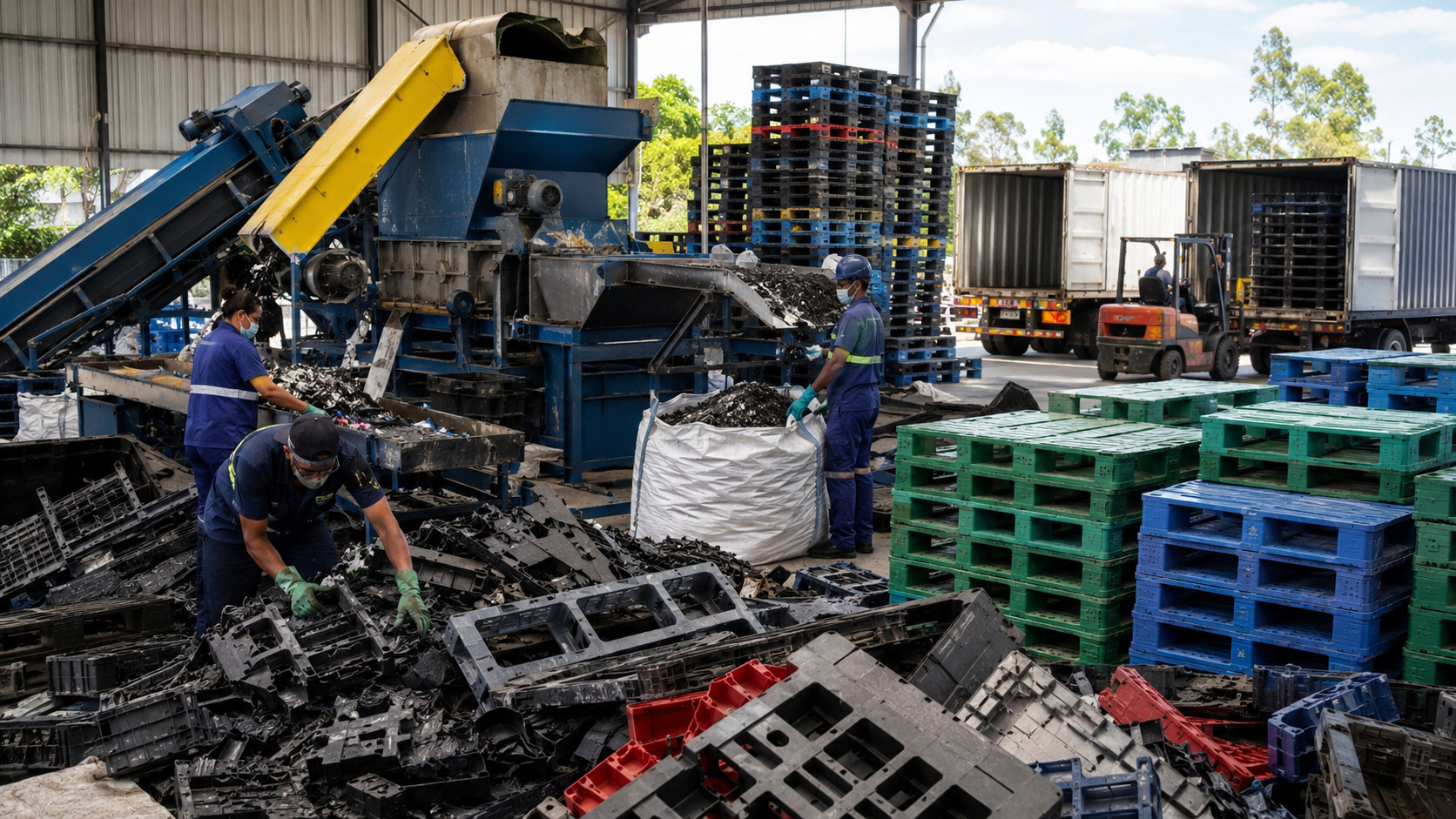
How a Brazilian company created a system that transforms broken pallets of any brand into new assets, recycles 80 tons of plastic per month, and found a profitable solution to a problem that challenges industries across the country.
-
Invasive bullfrog capable of devouring other amphibians and laying up to 20,000 eggs is found in Florianópolis, raising an alert about the threat to native fauna.


During the summer of 2024, in 41 of the last 49 days, California’s power grid met all demand solely with renewable sources — solar, wind, and hydroelectric — for up to nine consecutive hours.
The report also indicates that solar generation increased by 18% compared to 2023, while battery discharge grew by 63%. Thus, up to one-third of the maximum nighttime demand began to be covered by storage, drastically reducing dependence on natural gas.
According to researcher Mark Jacobson from Stanford University, there were days when the supply of clean energy reached 140% of demand, allowing surpluses to be exported to neighboring states.
Market Strategy and Technological Innovation
In addition to technological advances, CAISO implemented innovative measures in the energy market. Since 2023, batteries have started buying cheap energy during the day and reselling it at night, when prices rise. This strategy, known as intraday arbitrage, helped balance the grid and reduced the use of thermal plants.
Another highlight is the Demand-Side Grid-Support (DSGS) program, one of the largest virtual power plants on the planet. According to PV Magazine (2024), it brings together over 200 MW of active power and 720 MW in home batteries. In the summer of 2024, the system was activated 16 times to contain consumption peaks during heat waves, proving its efficiency.
However, the future of the program is at risk. Budget cuts of up to US$ 18 million may jeopardize both the DSGS and the DEBA microgrid project, essential for sustaining the energy transition in the state.
Economic Effects and New Challenges
The positive impacts are already visible. Wholesale electricity prices fell by 53% in 2024 compared to the previous year, according to CAISO. In addition, mid-day sectors recorded negative prices, offset by the capacity of batteries, which absorb up to 15% of demand during these hours.
According to Jacobson (2024), full electrification could reduce annual energy costs by between 60% and 65% compared to the fossil fuel-based model.
On the other hand, California still faces structural challenges. The state needs to transfer hydroelectric energy to nighttime, accelerate the development of offshore wind energy, and expand demand management, according to a report from Stanford University (2024).
A Transition Model That Inspires The World
The Californian experience shows that the energy transition does not depend on miracles but on decision and planning. With solar, wind, and batteries, it is possible to replace natural gas and create a stable, clean, and economical electricity system.
Mark Jacobson predicts that California will achieve 80% renewable energy between 2026 and 2028 and 100% by 2033. Thus, the state is moving toward becoming the first region on the planet to operate almost entirely with clean energy.
While other countries are still planning their next steps, California is already living the future — with nights powered by stored solar energy and an economy increasingly less dependent on fossil fuels.
What do you think should be a priority for governments worldwide: accelerating the replacement of natural gas with solar energy and batteries, or opting for a more gradual and safe transition to the economy?