Portuguese
  Spanish




Discover How Solar Energy in Companies Grew 9.7% in the First Half of 2025, Driving Sustainability and Economic Efficiency.
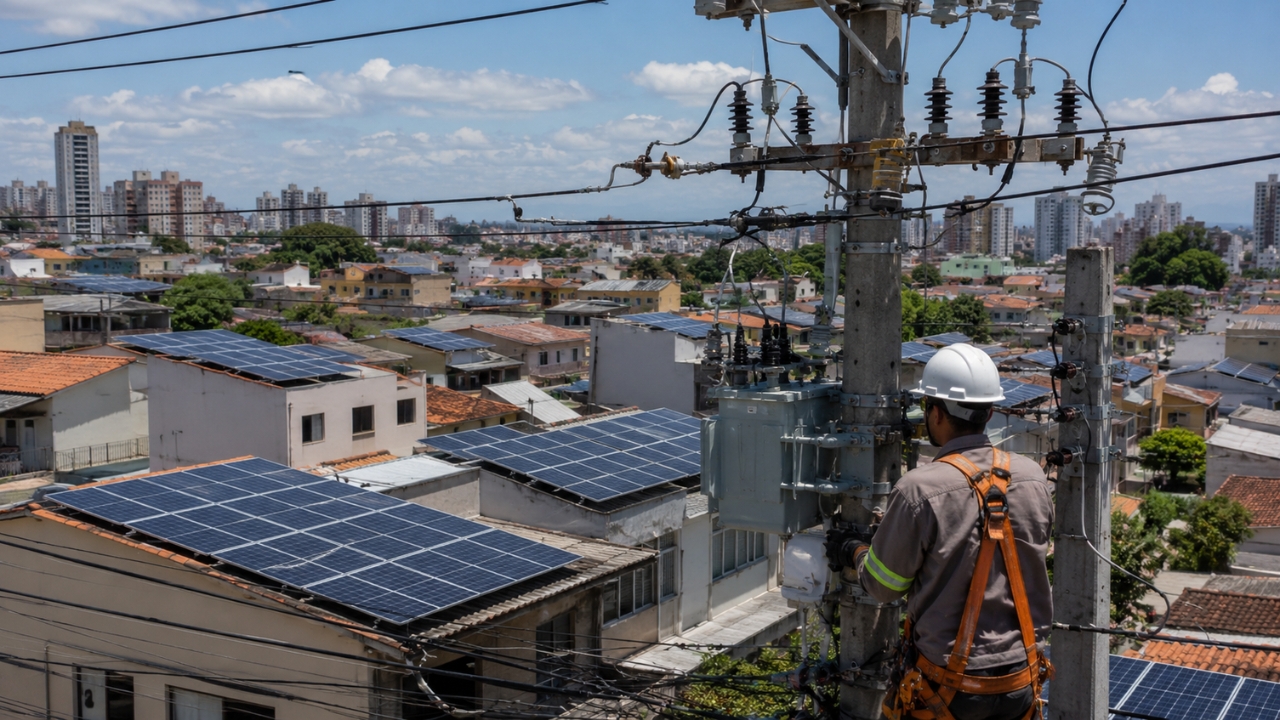
In recent years, Brazil has recorded significant advances in the adoption of solar energy in companies, reflecting not only the growing environmental concern but also the pursuit of economic efficiency.
Indeed, solar photovoltaic energy, which transforms sunlight into electricity, has become a strategic tool for companies looking to reduce operational costs while simultaneously increasing their competitiveness.
Between January and June 2025, the Brazilian business sector recorded a growth of 9.7% in solar energy adoption, according to a survey by TTS Energia, thus consolidating the expansion trend of distributed generation.
-
Brazil’s Vitória Airport to Launch Solar Plant Covering Area of 10 Soccer Fields, Boosting Clean Energy and Cutting Costs

-
Switzerland Converts Train Tracks into Solar Power Plants with Removable Panels to Generate Energy Without Using Additional Land
-
Surge in Solar-Powered Homes in Brazil Leads to Grid Strain and Connection Restrictions in Three States

-
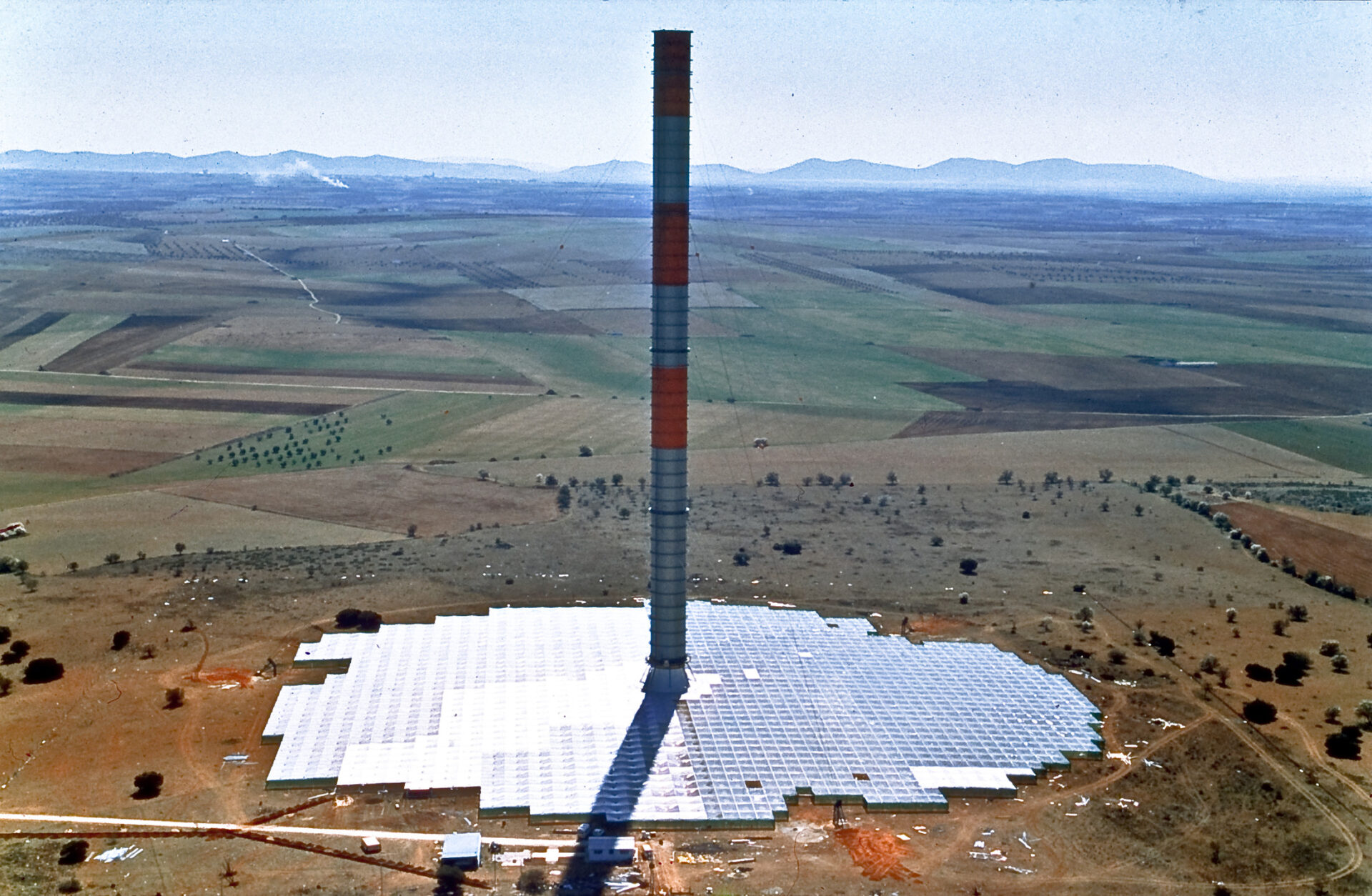
Solar Chimney in Spain Harnessed Sun to Generate Electricity for 7 Years Without Burning Fuel



Growth of Solar Energy in Companies in Brazil
Historically, the development of solar energy in Brazil started timidly back in the 1990s, when companies installed the first projects primarily in remote areas without connection to the conventional electricity grid.
At that time, access to technology was limited, and consequently, high costs restricted its use to pioneering initiatives.
However, over the years, public policies, tax incentives, and technological advancements have transformed the landscape, making solar energy more accessible for households, industries, and companies of various sizes.
The recent growth, highlighted by the increase of over 169,000 companies adopting solar energy in the first half of 2025, thus evidences the consolidation of this renewable source in the corporate sector.
In the previous year, 154,000 companies had installed photovoltaic systems, thus showing a constant advance.
These numbers reflect not only the increase in installed capacity but also the recognition of solar energy as a sustainability and cost reduction strategy.
Additionally, the expansion of solar energy has allowed companies in different sectors to experiment with more sustainable business models.
From small industries to large shopping centers, the adoption of photovoltaic panels thus transforms the way energy flows, encouraging more responsible practices and consequently contributing to the energy transition of the country.
Economic and Environmental Benefits of Solar Energy
The survey by TTS Energia, based on data from ANEEL (National Electric Energy Agency), shows that new photovoltaic installations for commerce, services, and industry totaled 1.5 GW of capacity just in the first half of the year.
Additionally, over 42,000 solar distributed generation systems emerged on rooftops, coverings, and small plots of land.
In comparison, the first half of 2024 recorded 39,800 connections, thus indicating a 5.7% growth in mini power plants aimed at the business sector.
The advancement of solar energy in companies goes beyond the numbers.
It truly reflects a profound change in how companies perceive energy and the environment.
Each installed system reduces the carbon footprint, promotes more sustainable practices, and strengthens the ESG agenda (Environmental, Social, and Governance), which is increasingly valued by investors, consumers, and business partners.
Furthermore, companies adopting solar energy reinforce their institutional image, showcasing a commitment to responsible and innovative practices.
From an economic standpoint, solar energy offers clear benefits.
The reduction of electricity costs, especially in high energy demand sectors, allows financial resources to be directed towards strategic investments.
Additionally, generating energy internally protects companies from electric market fluctuations, thus providing greater financial predictability.
In a scenario of rising costs and energy volatility, solar energy in companies emerges as a reliable and advantageous solution.
An additional relevant aspect is the integration of solar systems with energy storage solutions, such as batteries.
This combination allows companies to use energy even outside solar generation hours, thus increasing autonomy and energy efficiency.
Small adjustments in the infrastructure yield large gains, making the technology even more attractive for different corporate segments.
Solar Energy as a Corporate Strategy
The historical context helps to understand the impact of this transformation.
Brazil, traditionally dependent on hydroelectric sources, faces challenges related to climate variability and the need for energy matrix diversification.
Solar energy, by complementing other renewable sources, allows companies and industries to gain greater autonomy and security in supply, in addition to reducing environmental impacts associated with fossil sources.
Moreover, favorable regulatory policies and accessible financing options further propelled this movement, making solar energy a viable and strategic choice.
In addition to reducing costs and emissions, solar energy encourages technological innovation.
The development of more efficient systems, smart inverters, monitoring solutions, and integration with smart grids thus enhances the performance of installations.
Companies investing in solar energy also access data on consumption and production, allowing operational adjustments that elevate energy efficiency and reduce waste.
The industrial sector, in particular, significantly benefits from this trend.
Industries in food, beverages, metallurgy, and technology adopt photovoltaic systems to ensure greater energy autonomy and reduce operational costs.
Small and medium-sized enterprises also take advantage of government incentives and financing conditions to install solar panels, consequently expanding access to technology.
Thus, solar energy in companies is no longer a privilege of large corporations; it has become a tool available to different business profiles.
Additionally, large retail chains and shopping centers adopt solar energy not only to save money but also as a sustainable marketing strategy.
In this way, demonstrating environmental commitment strengthens the relationship with conscious consumers and creates competitive advantages in the market.
Social and Reputational Impacts
Another relevant factor is the increasing awareness of consumers and investors regarding sustainable practices.
Companies adopting renewable energy sources strengthen their market reputation, meeting the expectations of stakeholders who value environmental responsibility.
This positive cycle thus increases competitiveness and attracts new clients and partnerships.
The expansion of solar energy also generates jobs and develops regions.
The installation and maintenance of photovoltaic systems require specialized labor, stimulating the local economy and encouraging the training of qualified professionals.
Consequently, this dynamic reinforces the role of solar energy as a driver of social and economic transformation, in addition to environmental.
Large-scale corporate projects often involve partnerships with universities and research centers, fostering technological innovation and training of professionals.
In this way, solar energy not only impacts the business sector but also contributes to the scientific and technological development of the country.
Future Perspectives of Solar Energy in Companies
In summary, the growth of 9.7% in the adoption of solar energy in companies in the first half of 2025 highlights not only the economic and environmental efficiency of the technology but also the change in how Brazilian corporations manage energy.
Historical factors, regulatory incentives, cost reduction, and demand for sustainable practices thus consolidate solar energy as a strategic solution for companies across all sectors.
As more companies adopt solar energy, Brazil approaches a more diversified and sustainable energy matrix.
The trend indicates that in the coming years, self-generation of energy through photovoltaic systems will continue to grow, thus contributing to corporate sustainability, economic competitiveness, and technological innovation.
Therefore, solar energy in companies is not just an energy option; it has become a strategic pillar for businesses seeking efficiency, environmental responsibility, and market leadership.