Portuguese
  Spanish


Seagri Initiative Has Benefited Over 260 Farmers in 2024 and Adapts to Climate Changes by Prioritizing Water Storage to Ensure Production and Supply.
The government of Acre, through the State Department of Agriculture (Seagri), is strengthening the local agribusiness with the Tank Construction Program. The initiative has primarily benefited small farmers. The focus is to boost production chains and make the agricultural sector more resilient and sustainable, especially in the Lower Acre region.
Program Results and Goals
The program demonstrated significant results in 2024. A total of 2,243.8 machine hours were dedicated to the construction of tanks in the Lower Acre region. The action directly reached 264 farmers. This year, the program enabled the delivery of 20 reservoirs, benefiting 20 producers in nine municipalities in the region.
With the expansion of operational capacity, the goals for 2025 are even higher. Seagri aims to exceed 2,500 machine hours. The goal is to serve about 350 livestock producers, reinforcing the state’s care for small farmers.
-
Two-Bedroom Home Built in a 40-Foot Shipping Container Delivered and Ready for Same-Day Living in São Paulo Countryside

-
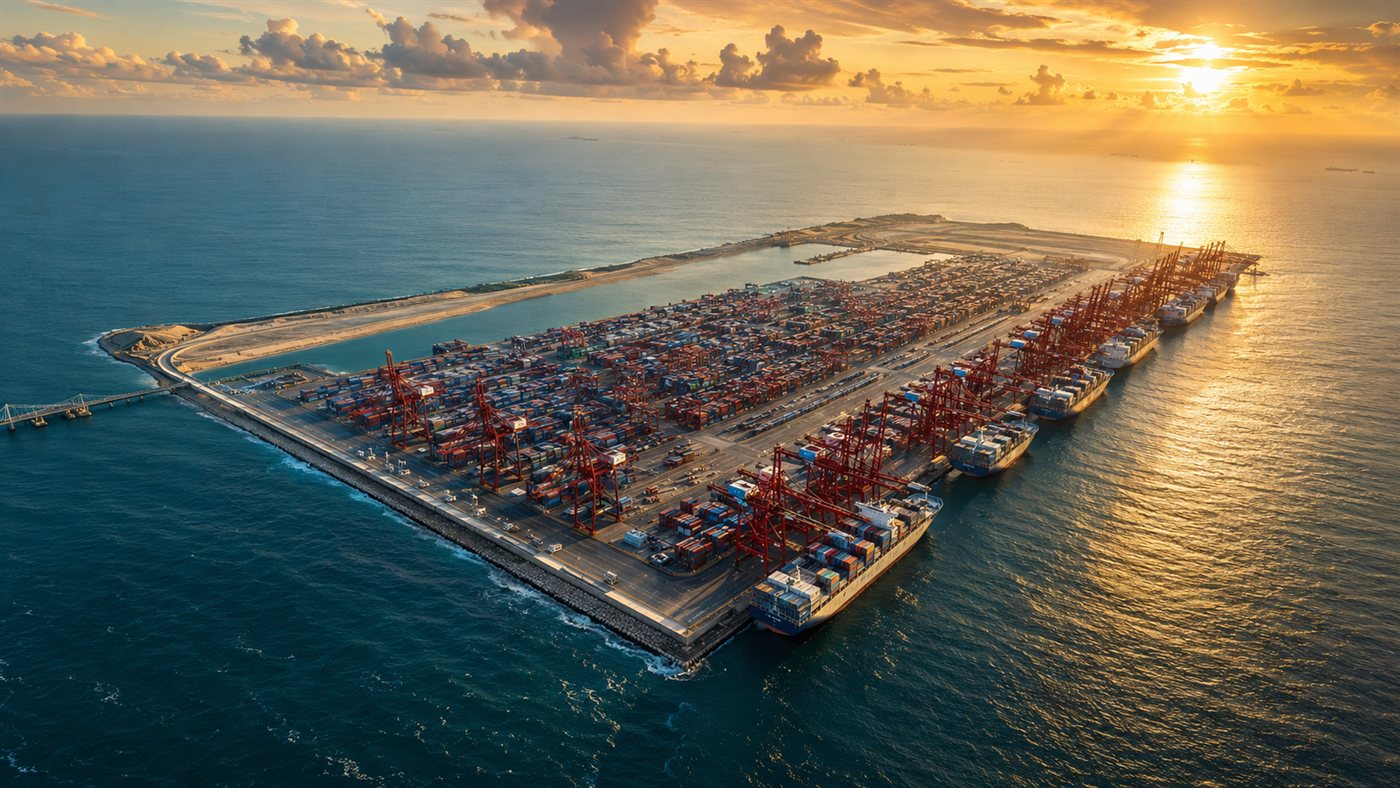
China Constructs Artificial Island 32 km Offshore for Yangshan Port, Connected to Shanghai by 32 km Bridge, Unloading 3,000 Containers in 20 Hours
-
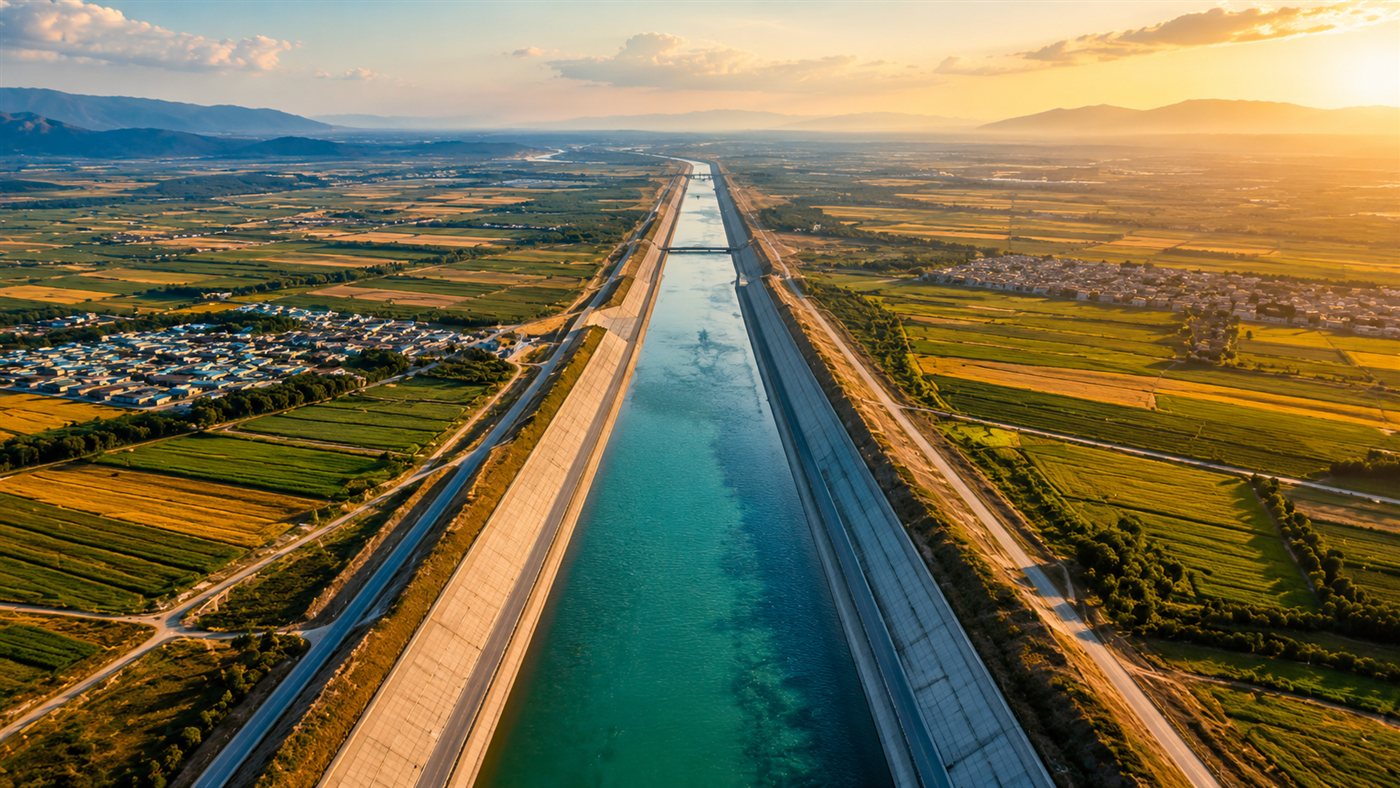
China’s $70 Billion River Diversion Project, the World’s Largest, Moves 44.8 Billion Cubic Meters Annually, Crosses Under the Yellow River, and Displaced 330,000 People
-
Indian Driver Spends 14 Years Digging 10-Meter Tunnel Through Mountain to Connect Isolated Village to the World



Tank Construction to Ensure Water Security
The initiative proves strategic in light of the global climate change scenario. With the worsening of environmental emergencies, the purpose of the construction of tanks has changed. Many farmers now prioritize water storage instead of fish farming, which was the previous focus.
Seagri is attentive to this new context. The department is already conducting studies to implement public policies aimed at water management. The goal is to adapt agricultural activities to new climate impacts.
“We built several tanks in the Rio Branco region and in the countryside for our farmers to store water because some producers don’t even have water to drink. And, for example, we are investing in various crops that need irrigation; otherwise, we will face significant delays,” says Seagri head, José Luis Tchê.
Technical Criteria for Tank Construction
Seagri opted for a personalized approach. The dimensions of the tanks are not standardized but adapted to the characteristics of each property. The sizing follows rigorous technical criteria to ensure efficiency.
These criteria include the type of fish cultivated, the technology used, the scale of production, and the size of the property. Storage density, management, type of feed, water quality, and oxygenation are also considered. The entire construction process follows best practices from Embrapa and the Ministry of Agriculture, Livestock, and Supply (MAPA).
How Rural Producers Can Request the Benefit
To ensure transparency and effectiveness of the program, Seagri requires compliance with basic requirements. Interested producers must submit a signed formal request. After the request, a technical visit to the area is conducted.
The applicant also needs to provide the necessary documentation and make the payment for the Federal Revenue Collection Document (DARF). The government offers a subsidy for machine hours, making access to the benefit easier.
Commitment to the Development of Acrean Agribusiness
The state reaffirms its commitment to strengthening rural production chains. The department extends its mechanization actions throughout Acre, according to demand and planning. The actions aim at the construction of a stronger agricultural sector ready for the future.
“It’s something that our farmers are genuinely satisfied with. Their participation in the program is extremely important because with the structure we are receiving now, from parliamentary amendments, I am sure we will acquire more equipment, and achieving these new machines will benefit small rural producers,” reinforces Tchê.
With information from the Acre News Agency.