Portuguese
  Spanish


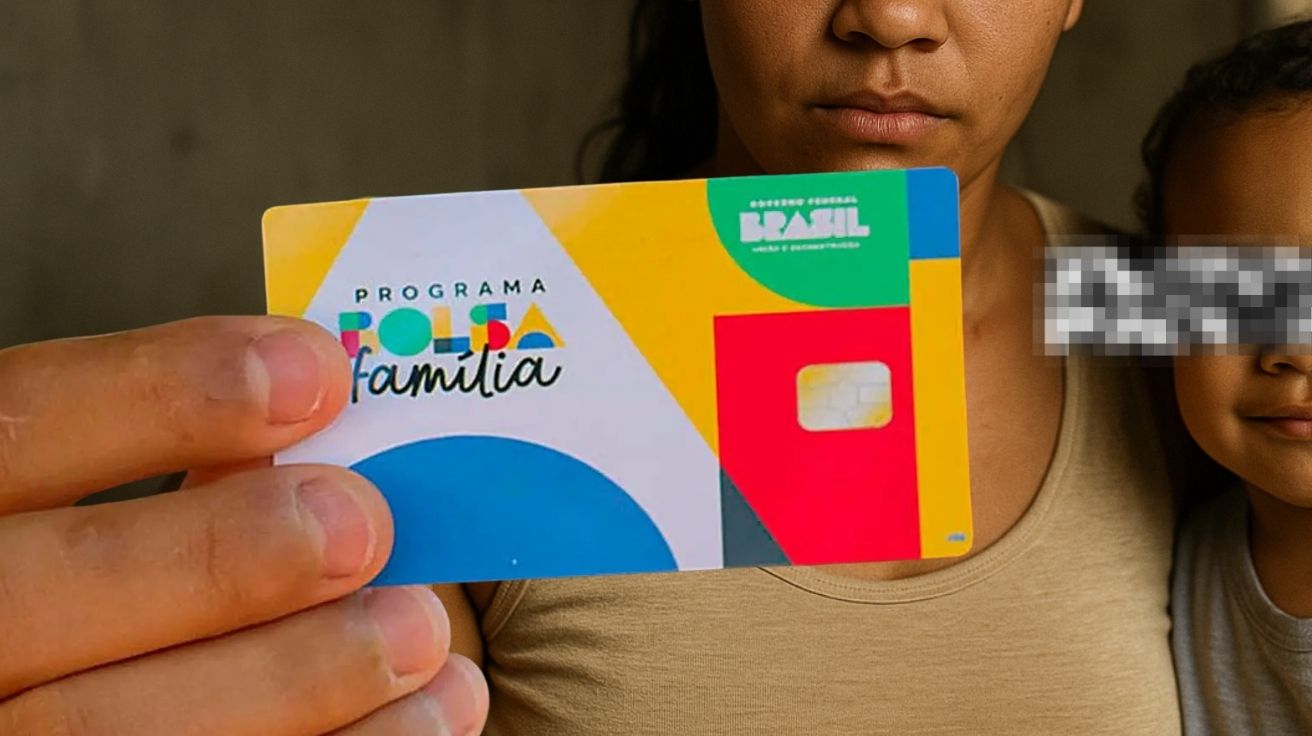


Survey Indicates That Mothers Beneficiaries of Bolsa Família Have Higher Rates of Entry into Formal Employment, Especially Among Those With Preschool-Aged Children
A study released by the Ministry of Development and Social Assistance presented new data on the impact of Bolsa Família on the lives of beneficiary mothers. According to the research “Cash Transfer and Female Participation in the Labor Market: The Case of the Bolsa Família Program,” women receiving the benefit have a higher rate of formal employment compared to other groups.
According to the survey, there was an increase of 1.13 percentage points in the participation of mothers in the formal market, equivalent to a growth of 7.4% compared to the previous average before receiving the program.
Results by Age Group
The effects are more significant among mothers of children aged three to six years, a period when educational coverage is still not universal. This group showed a greater capacity for entry into formal work after joining the program.
-
Brazilian Startup Turns Coffee Grounds into Plant-Based Leather, Cutting Water Use by Over 50 Times for High-Impact Sustainable Fashion

-
Eco Invest Auction Aims to Unlock $10 Billion in Investments, Focusing on Green Fertilizers, Critical Minerals, Batteries, and AI for Clean Industry in Brazil

-
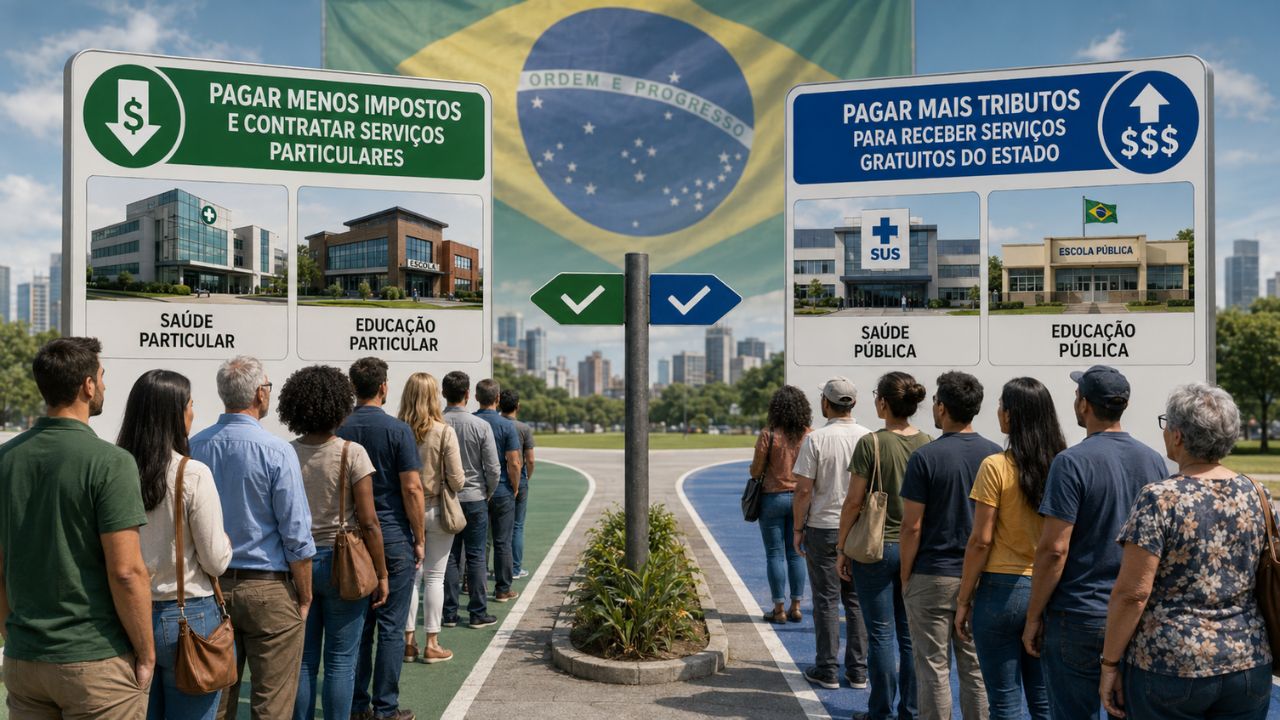
Half of Brazilians Prefer Lower Taxes with Private Health and Education, While 44% Opt for Higher Taxes for State-Provided Services, Datafolha Survey Reveals

-
Brazil’s Most Expensive Toll Rises to R$ 40.60 on Route from São Paulo to the Coast, Nearly Matching Bus Fare to Santos



The study also points out that Bolsa Família reduced the likelihood of women declaring unavailability to accept a job offer by 4.2 percentage points, a figure that reinforces the relationship between the benefit and increased participation in the labor market.
Education and Conditionalities
Another point raised by the survey is the program’s reflection on family investments in education. Households receiving Bolsa Família have 11.5 percentage points higher probability of investing resources in preschool, school materials, and extracurricular activities.
The report also highlights the importance of conditionalities related to education. To receive the benefit, a minimum school attendance of 60% for children aged 4 and 5 and 75% for youths aged 6 to 18 years is required.
Conclusions of the Study
The data is part of the 40th edition of the Study Notebook series, published by the Secretariat of Evaluation, Management of Information and Unified Registration (Sagicad), linked to the Ministry of Development and Social Assistance. The survey demonstrates the relationship between Bolsa Família, mothers’ participation in the formal labor market, and increased investments in education in beneficiary households.