Portuguese
  Spanish


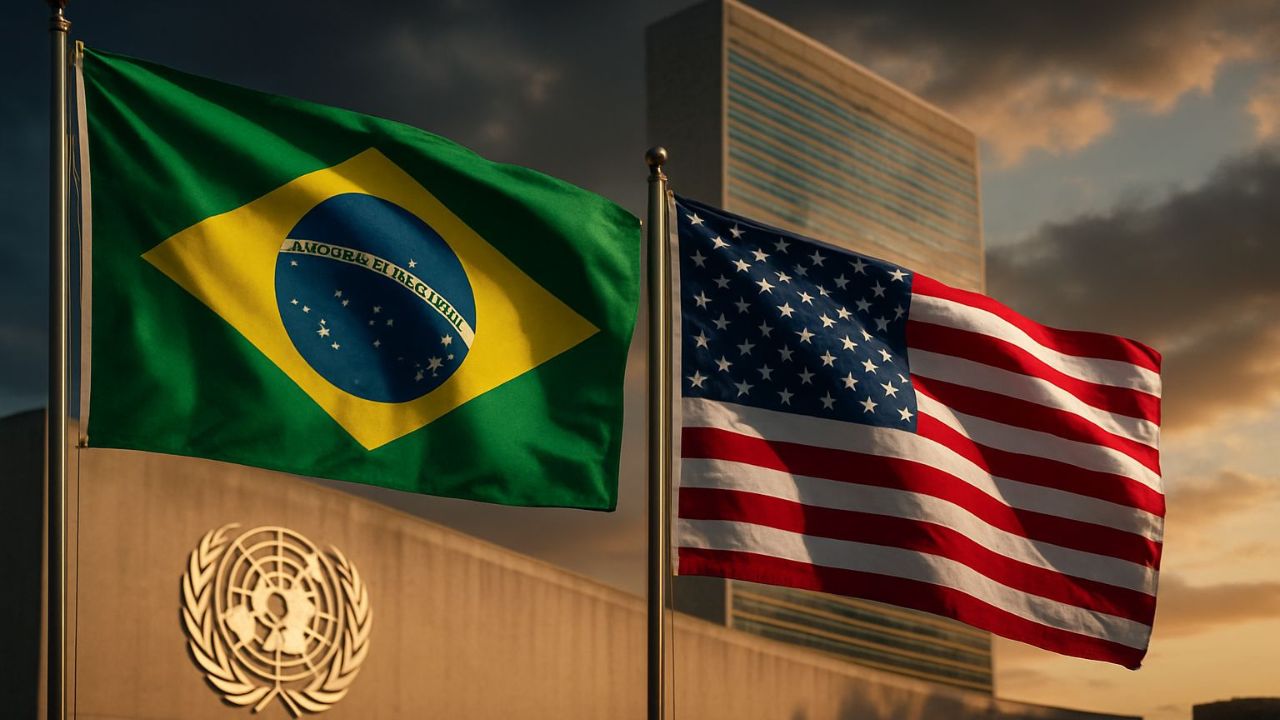

While Lula Should Focus on Multilateralism and Climate, Trump Should Reinforce Individual Interests, Deepening the Split Between Brazil and the USA, Says Expert to CNN.
The 80th United Nations General Assembly (UN), which began this Tuesday (23) in New York, exposes a scenario of deep global division. The event is particularly marked by an “evident rupture” in relations between Brazil and the USA, whose leaders, Presidents Luiz Inácio Lula da Silva and Donald Trump, are expected to deliver speeches with diametrically opposed worldviews.
In an interview with CNN, Doctor in International Law, Priscila Caneparo, analyzed that this distancing reflects a reorganization of the geopolitical chessboard. The expectation, according to the expert, is that the debate at the UN will not serve to unite, but rather to mark the antagonistic positions of the two largest economies on the American continent, at a time of increasing international complexity.
The Clash of Visions: Multilateralism vs. Individual Interests
The analysis by experts, echoed by CNN, indicates that Brazil’s opening speech, traditionally the first to speak at the Assembly, should focus intensely on the defense of multilateralism. Lula is expected to reinforce the need for international cooperation to tackle complex challenges, such as social inequality, hunger, and poverty, which are historical issues in Brazilian diplomacy. The Brazilian stance should advocate for collective solutions to global problems.
-
European Parliament Approves Digital Euro, Aiming to Challenge Visa and Mastercard’s Dominance and Transform Payments Across Europe by 2029

-
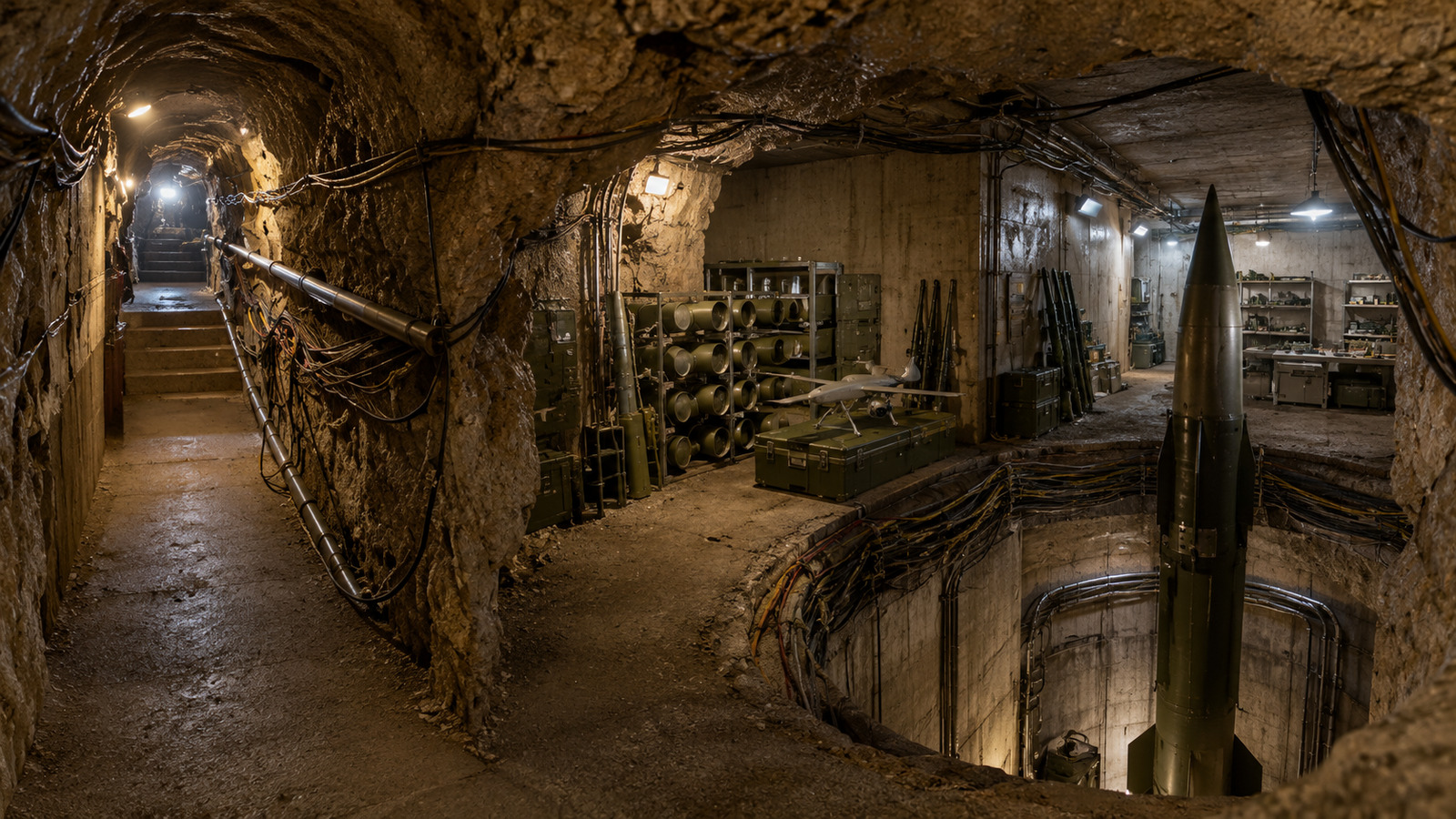
Israel finds Hezbollah militarized tunnel over 200 meters long under village, with 4 missile launch shafts, 12 chambers, anti-tank missiles, drones, and weapons depots at a depth of 25 meters.

-
Ukraine launches largest drone attack on Moscow since 2022, Russia claims to have intercepted nearly 200 aircraft near the capital, Kapotnya refinery targeted again, and offensive reignites alert about war reaching the Russian energy heart just a few kilometers from the Kremlin.

-
Truck drivers, freight, and fines from 2022 take center stage in politics: Chamber approves MP with amnesty, mandatory tracking by CIOT, million-dollar penalties, and new minimum wage for those who spend more than 24 hours on the road.



In contrast, expectations for Donald Trump’s speech lean towards a more individualistic approach focused on the interests of the United States. Priscila Caneparo explained to CNN that this approach, often described as unilateralist, tends to prioritize national sovereignty at the expense of global agreements. This positioning creates a direct clash with the Brazilian proposal for greater integration and shared global governance.
This antagonism between Brazil and the USA is not just rhetorical; it has practical implications. The divergence affects how the world seeks solutions for migration crises and even the regulation of new technologies, such as artificial intelligence, which are also on the agenda of the 80th Assembly. Where Brazil seeks consensus, the USA may pursue competitive advantage.
Climate, Palestine, and BRICS: The Points of Friction
One of the central points of the Brazilian agenda is the climate crisis. Brazil seeks to capitalize on its position as host of the COP30, which will be held in Belém (PA), to position itself as a global leader in energy transition and environmental protection. This is a theme where the distance from the US administration can be significant, depending on Trump’s prioritization of fossil fuel issues over climate agreements.
In addition to climate, other themes are expected to highlight the rift. The situation in Palestine will gain prominence, especially following the recent recognition of the Palestinian state by several nations, a movement historically supported by Brazil but facing strong resistance from the USA. The expert interviewed by CNN also mentioned that the expansion of BRICS (a bloc that includes Brazil) and the discussions about the de-dollarization of the global economy are other vectors that increase geopolitical tension and widen the gap between Brazil and the USA.
The UN in Crisis: Institutional Fragility Threatens Global Action
The 80th General Assembly occurs at a moment of profound questioning about the very effectiveness of the UN. The organization, according to Caneparo, faces a crisis of credibility. As detailed to CNN, this fragility is fueled by two main factors: the obsolete structure of the Security Council and the constant attacks on multilateralism by far-right governments.
The Security Council, the main decision-making body of the UN, still reflects the power balance of the post-World War II era, not incorporating emerging powers (such as Brazil, India, and South Africa). This lack of representation, combined with the veto power of the permanent nations, often paralyzes the organization in the face of major conflicts, undermining its capacity for action.
At the same time, the expert cited by CNN points out that skepticism regarding international cooperation has been growing, weakening the institution. Despite structural criticisms, Caneparo emphasizes that the UN maintains its relevance through its various agencies and technical bodies, which continue to produce practical results for global development. However, the need for structural reform is urgent for the organization to adapt to contemporary challenges.
This scenario of rupture between Brazil and the USA at the UN signals a profound reorganization of global alliances. In light of these opposing views, how do you assess Brazil’s positioning? Should Brazil prioritize traditional alliances or focus on expanding blocs like BRICS? Leave your opinion in the comments; we want to understand your perspective on this new moment in diplomacy.