Portuguese
  Spanish


Record Drop in Sugar Sales to the United States Exposes Effects of 50% Tariff, While Mexico and China Gain Space in Brazilian Trade.
Brazilian exports of processed foods suffered a strong retraction in August, with a highlight on sugar, which recorded a 69.5% drop in sales destined for the United States compared to July. The decline is a direct reflection of the 50% tariff imposed by the U.S. government, a measure that hit Brazilian shipments hard right after a month of advance sales in July.
In total, the U.S. purchased US$ 332.7 million in August, a decrease of 27.7% compared to July and a drop of 19.9% in comparison to August 2024.
Sugar was the most affected product, but animal proteins (-45.8%) and food preparations (-37.5%) also suffered significant retraction.
-
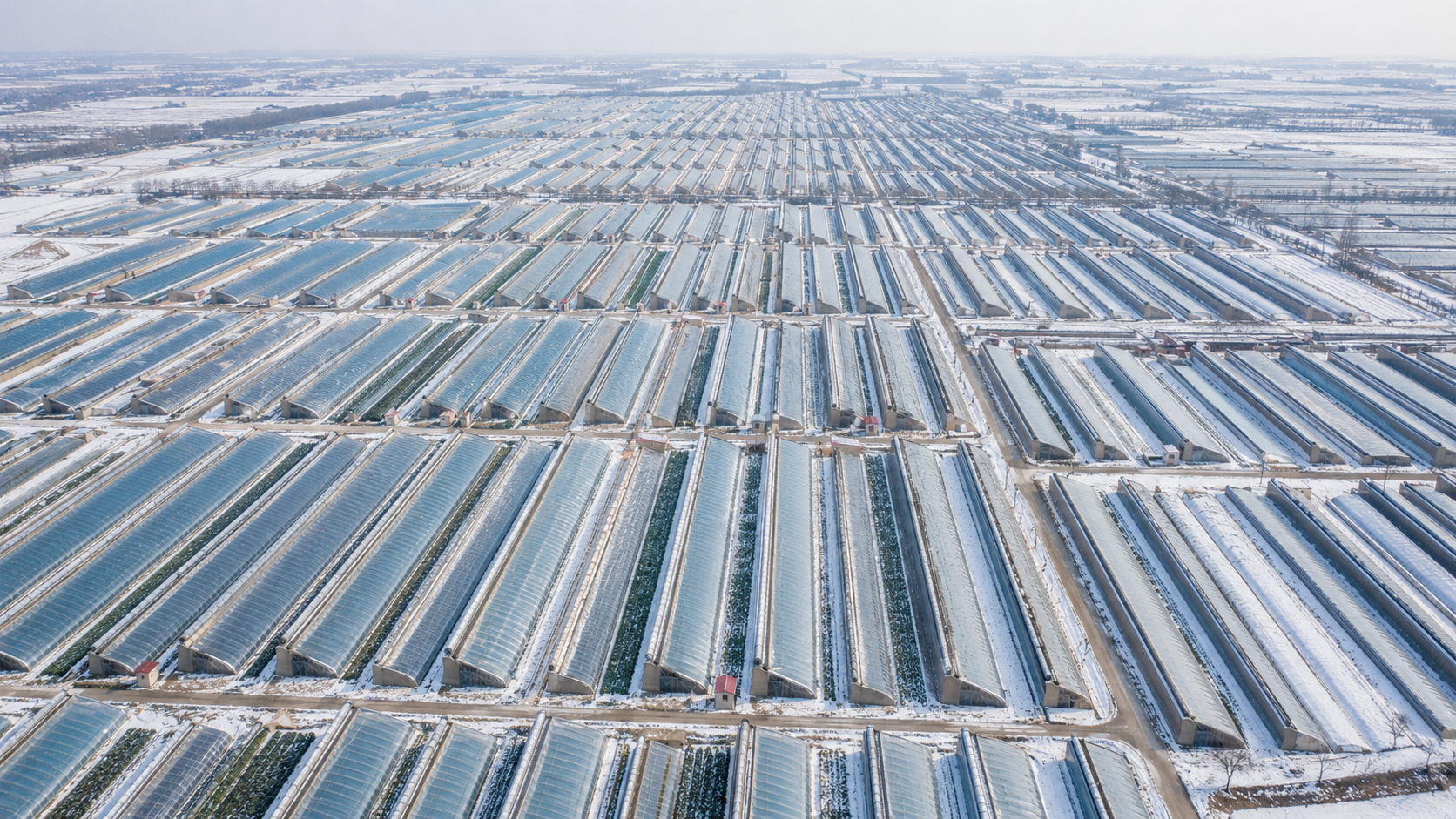
Chinese Farmers Develop “Blanket Greenhouses” to Grow Vegetables in Extreme Winter Without Heaters

-
Centuries Before Modern Greenhouses, English Gardeners Used Horse Manure to Grow Pineapples in Cold Climates

-
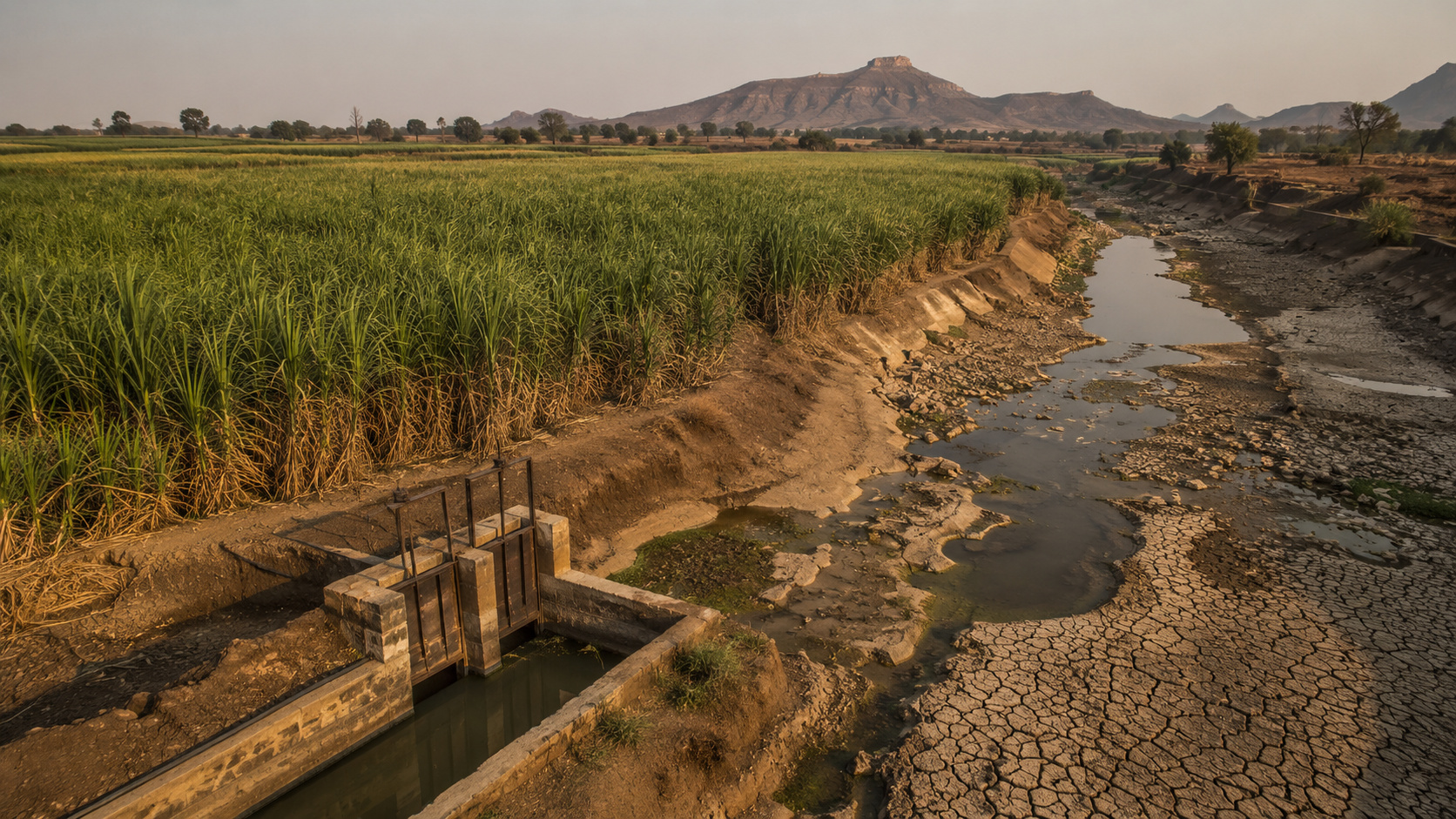
Sugarcane Cultivation in India: A Symbol of Water Stress and Environmental Strain Amidst Global Demand for Sugar and Green Fuel
-
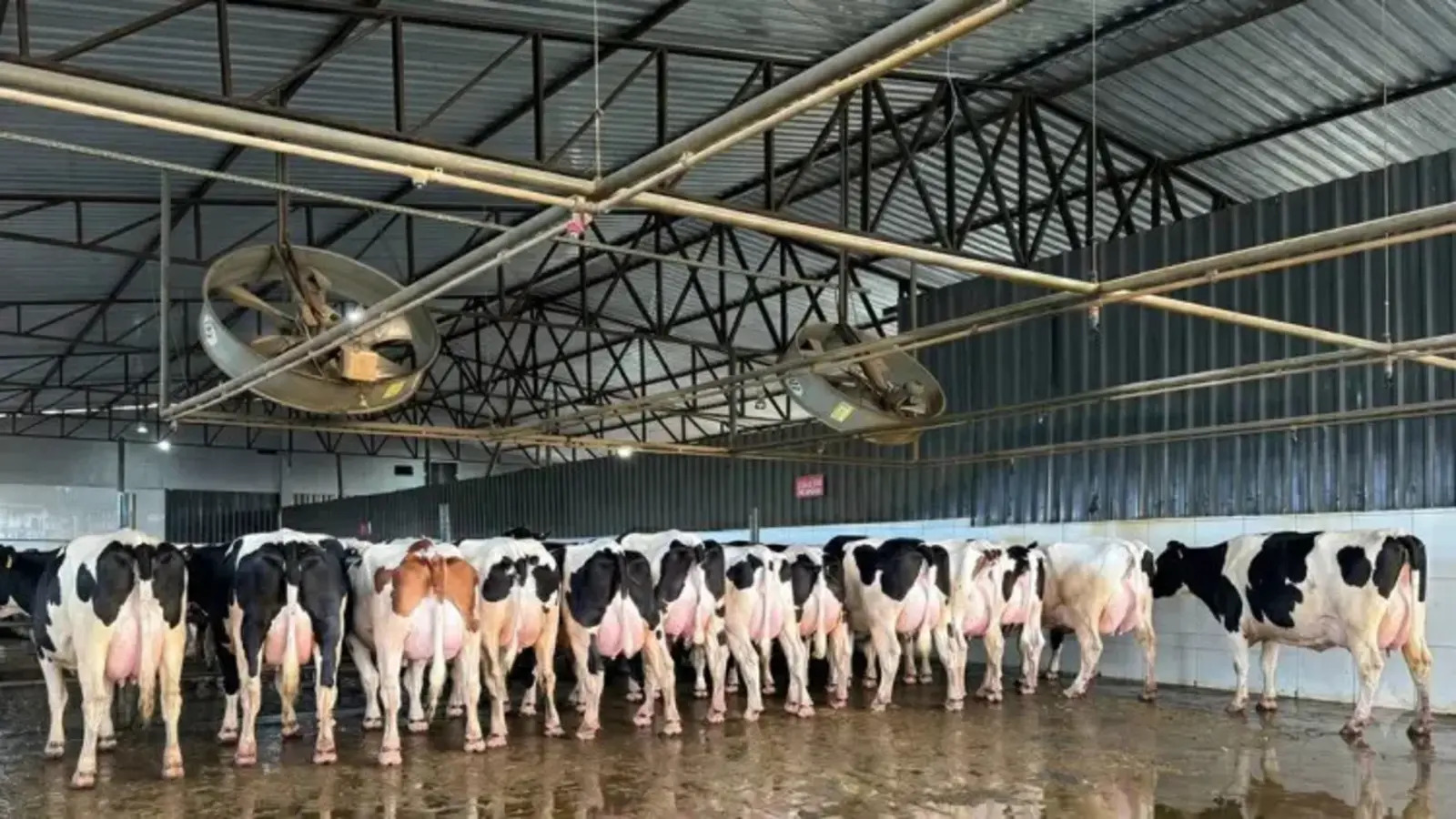
Innovative Farm in Northeastern Brazil Combats Drought with Advanced Techniques, Aiming for 10,000 Liters of Milk Daily Production


Drop of US$ 300 Million Overall
According to the Brazilian Association of Food Industry (ABIA), total exports in August amounted to US$ 5.9 billion, a result US$ 300 million lower than in July — a reduction of 4.8%.
According to the entity, the performance shows a clear inflection: after the significant growth in July, there was a strong adjustment in August, especially in the U.S.
The executive president of ABIA, João Dornellas, assessed that the impact of the new tariff reinforces the need for diversification of trade partners.
For him, excessively relying on a single market increases the vulnerability of the Brazilian industry.
Billion-Dollar Losses Until December
ABIA’s expectation is that the effect of the tariffs will be even more visible in the year-to-date total. Between August and December, shipments of processed foods to the U.S. could drop by 80%, representing losses of up to US$ 1.351 billion.
This scenario worries the sector because the United States was one of the main destinations for products such as sugar, meats, and processed goods. Now, the search for new markets becomes a priority to mitigate dependence and maintain the trade balance.
Mexico Grows 43% and Becomes Expanding Destination
On one hand, while the U.S. drastically reduced its purchases, Mexico stood out in August as an expanding market.
The country imported US$ 221.15 million in Brazilian processed foods, an increase of 43% compared to the previous month. Animal proteins led the export agenda.
This advance coincides with the U.S. retraction and may signal a shift in trade flows. ABIA, however, warns that it is still early to know whether the growth in Mexico will be structural or merely conjunctural.
China Reinforces Anchor Position
While sugar suffered a historic drop in the U.S., China expanded its importance as Brazil’s largest partner in the sector.
In August, the Asian country purchased US$ 1.32 billion in processed foods, a rise of 10.9% compared to July and 51% compared to August 2024.
The Chinese share represented 22.4% of the total exported in the month, reinforcing its position as the main destination of the sector and compensating for some of the losses in Western markets.
EU and Arab Countries Reduce
Other important markets also showed retraction in August.
Sales to the European Union totaled US$ 657 million, a decrease of 14.8% from July and a drop of 24.6% compared to the same month in 2024. The Arab League countries imported US$ 838.4 million, a decline of 5.2% compared to the previous month.
These numbers show that, in addition to the impact of U.S. tariffs, international demand in other blocs also maintained a slower pace.
Orange Juice Escapes Tariff and Grows
Not all sectors were affected by the tariff barriers.
The orange juice industry, which was not included in the U.S. tax package, recorded a growth of 6.8% in August compared to the same period in 2024. Still, there was a 11% decrease compared to July, reflecting the anticipation of shipments.
The performance shows that, even amidst turbulence, some products continue to strengthen their presence in foreign trade.
Jobs Continue to Expand Despite Crisis
Even with the decline in exports, the food industry managed to maintain growth in job creation. In July, the sector recorded 2.114 million formal and direct jobs, an increase of 3.3% compared to the same month of the previous year.
Between July 2024 and July 2025, 67.1 thousand new jobs were created. In 2025 alone, the industry opened 39.7 thousand direct jobs and another 159 thousand throughout the entire production chain, including agriculture, livestock, packaging, and machinery.
The Challenge of Diversification
The August balance makes it clear that the Brazilian food sector faces an immediate challenge: to reduce its dependence on the U.S.
The sharp decline in sugar and other products exports shows how a unilateral decision can impact billions of dollars in just a few months.
At the same time, the data reveals new opportunities in markets like China and Mexico. The future of the sector will depend on the ability to diversify, negotiate barriers, and strengthen more stable trade relations.