






 Portuguese
  Spanish
  5 min of reading
  0 comments


The story of the woman who dug a tunnel under her own house went viral for showing an underground work done in the basement, with ventilation, rock removal, and a warning about structural risk.
A woman entered the basement of her own house, began digging the subsoil, and turned the work into one of the most curious stories on social media. Known as the Tunnel Girl, Kala showcased the construction of a 9.1-meter tunnel in Virginia, United States.
The information was published by Global News, a Canadian news portal with international coverage. The underground work had a chamber almost 6.7 meters deep, as well as ventilation and a mine cart used to remove stones.
The case became famous because it seemed to mix home renovation, improvised mine, and extreme experiment. But the curiosity also raised a warning: digging under a house can affect the safety of the structure, especially when the work progresses without proper authorization.
-
An entire sea disappeared from the map: the Aral Sea, formerly the fourth largest lake on the planet, lost more than 90% of its area in a few decades and left behind a toxic desert where fishing boats rust over 100 km from the water that once supported entire cities.

-
Mother of 4 children started as a salesperson and became the owner of 4 franchises: Pamela Oliveira took over the first unit, saw the revenue more than double, and turned a busy routine into proof that motherhood and business can grow together with organization.

-
Majestic castles of Slovakia reveal UNESCO heritage, the setting of Nosferatu, and medieval legends

-
Goodbye, iron gates: rain, sun, and moisture-resistant alternative combines low maintenance and modern look for facades



How the tunnel started in the basement and turned an ordinary house into an excavation site
Kala began the excavation in her own basement in August 2022, with the idea of building a storm shelter. This type of shelter is below ground level and requires care because it directly affects the terrain.
From October 2022, she started posting videos showing the progress of the work. The images displayed cuts, excavation, rock removal, and the advancement of a tunnel that seemed unlikely for an ordinary residence.
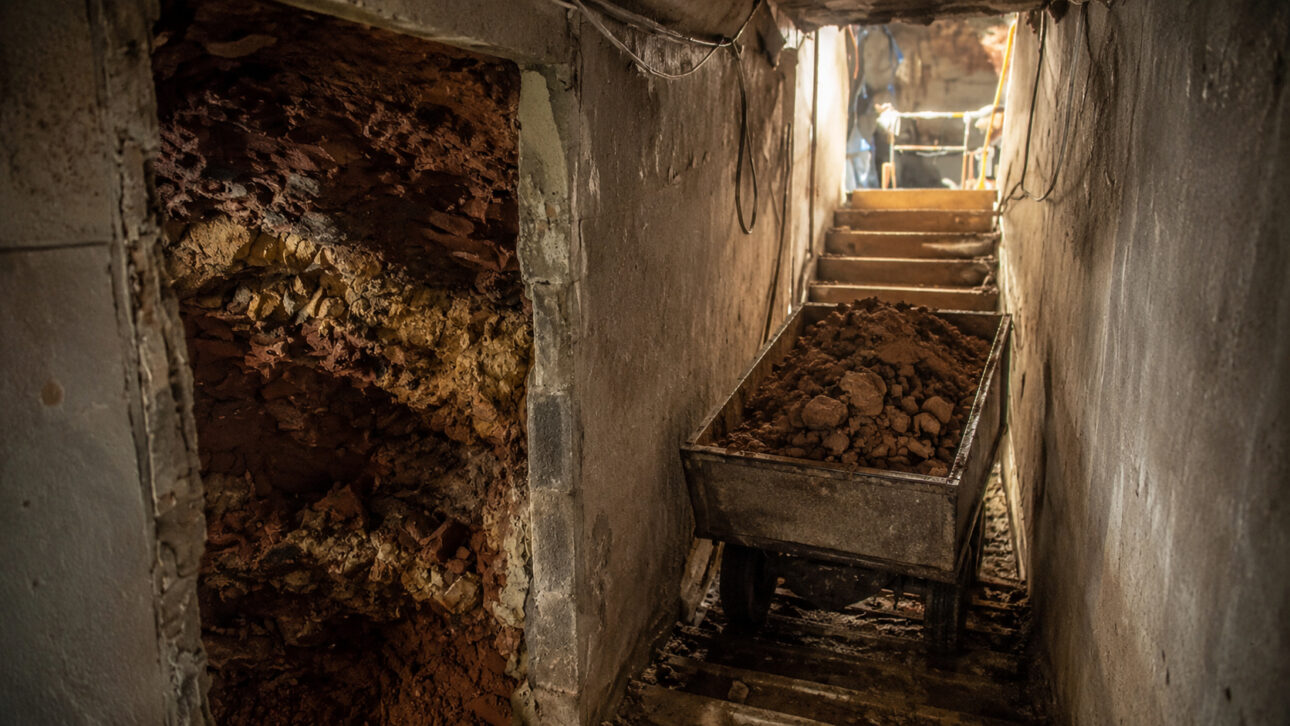
The strength of the story was in the contrast. From the outside, it was a house like so many others. Inside, the basement became the entrance to a 9.1-meter long underground excavation.
This type of work requires attention because the soil supports part of the construction. When someone removes earth or stone from under a house, any mistake can cause cracks, infiltration, or instability.
Improvised ventilation and mine cart made the project go viral on social media
One of the points that drew the most attention was the installation of ventilation. In enclosed underground spaces, the air can become heavy. Therefore, ventilation serves to renew the air and reduce risks during the stay in the location.
Another detail that helped spread the videos was the mine cart. Kala used the equipment to transport rocks and excavation debris, creating an image similar to that of a small mine inside the house.
The videos also showed construction stages with blocks, tools, and solutions for removing heavy material from the tunnel. For those watching, each advancement seemed to reveal a new phase of the project.
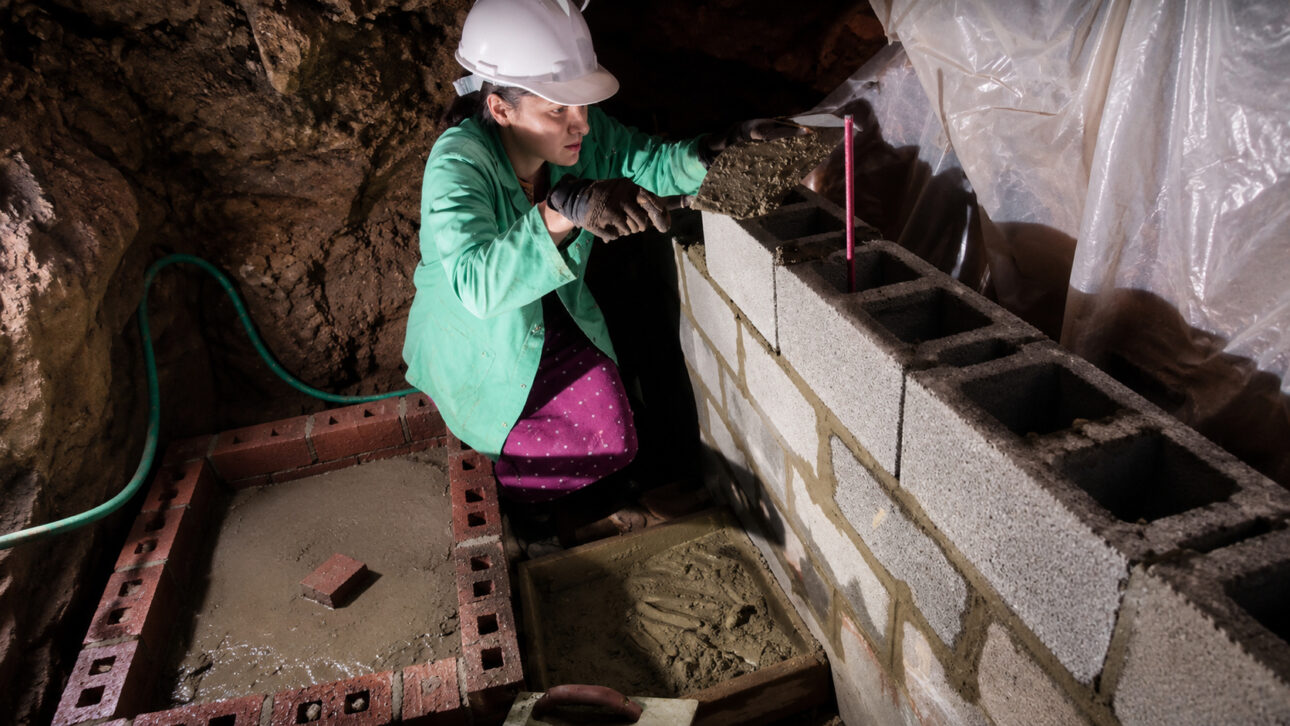
But the same sequence that enchanted the audience also raised doubts. An underground excavation does not depend solely on strength and creativity. It involves house weight, soil stability, moisture, and the safety of nearby residents.
Authorities ordered the project to stop after doubts about safety and authorization
In December 2023, local authorities ordered Kala to stop the excavation. The interruption occurred because the underground project needed to be evaluated by a qualified professional, capable of verifying if the structure posed a risk.
Global News, a Canadian news portal with international coverage, detailed that the halt happened after the project began to raise doubts about safety and licensing. Licensing, in this case, is the authorization required for projects that may alter the structure of a property.
A common renovation may already require analysis when altering walls, foundation, or built area. A tunnel under the house increases the concern even more.
The stop order changed the perception of the case. What once seemed like just an internet adventure also came to be seen as a warning about extreme projects done without adequate technical control.
The structural risk was the main concern behind the excavation
Structural risk is the possibility of a project compromising the support of a house. In a tunnel, this risk can appear when the soil or rock is removed without correct calculation.
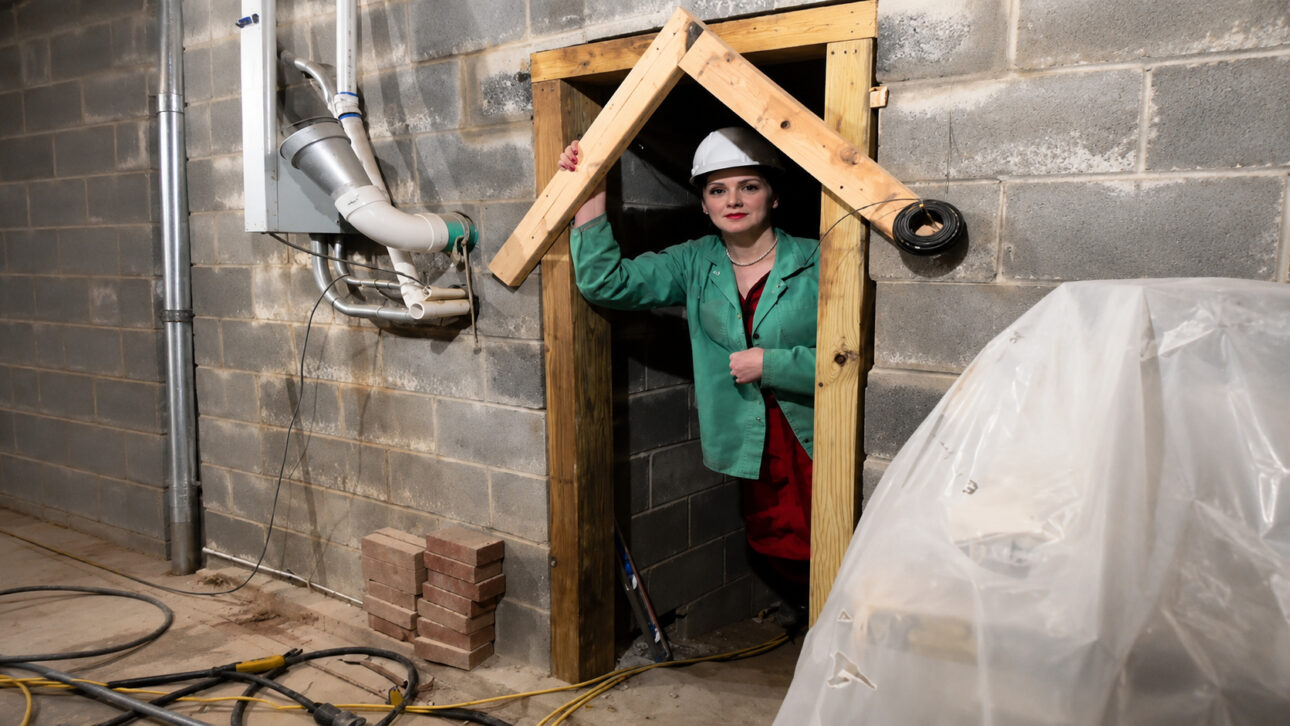
The depth also weighs in this analysis. A chamber almost 6.7 meters below the surface is not a simple basement renovation. This type of space needs to deal with ground pressure, water, air, and support.
Another important point is the neighborhood. Even when the construction is within a private property, the underground does not function as an isolated box. A failure can generate fear in nearby properties.
Therefore, the case should not be seen as an example to be copied. The curious part exists, but the warning is greater: underground construction needs a project, permission, and professional supervision.
What this case shows about extreme construction videos on TikTok
Extreme construction videos are successful because they show rapid transformation and steps difficult to imagine. When someone follows such a construction in sequence, curiosity grows with each publication.
In the case of the Tunnel Girl, the visual appeal was very strong. There was a basement, rocks, ventilation, a mine cart, and a person working in a tight space under her own house.
The problem is that the screen does not show everything. A video can hide cracks, support failures, lack of license, risk of collapse, and problems with water in the underground.
The story leaves an important lesson for those who consume this type of content: not every impressive construction on social media is safe in real life. The audience can turn a construction into a spectacle, but safety must come first.
The woman who dug 9.1 meters under her own house became famous because she turned the basement into a tunnel entrance and showed a construction that seemed to come out of a domestic mine. Even so, the halt by the authorities showed that creativity does not replace authorization, calculation, and inspection.
Do you think extreme construction videos inspire good ideas or end up making risky constructions seem too simple? Share your opinion and share this story with those who enjoy curious cases of engineering and construction.







Be the first to react!