






 Portuguese
  Spanish
  5 min of reading
  0 comments


Pamela Oliveira started as a saleswoman at Instituto Gourmet and today leads four franchises of the network, according to Terra, in an article from May 22, 2025. Mother of four children, she saw the revenue of the first unit more than double and advocates planning, support, and self-confidence in current Brazilian female entrepreneurship.
Pamela Oliveira joined Instituto Gourmet as a saleswoman and, years later, went on to lead four franchises of the network. Her journey was highlighted in a report published by Terra on May 22, 2025, showing how she balanced motherhood, a hectic routine, and professional growth.
Mother of four children, Pamela states that she always dreamed of having her own business. Without initial experience in the gastronomy field, she started as an employee, got to know the operation from the inside, and saw in the franchise an opportunity to transform her own life and her family’s reality.
From Saleswoman to Owner of Four Units
Pamela Oliveira began her professional journey within a unit of Instituto Gourmet. The source informs that she started as a saleswoman and gradually advanced until she reached the leadership of four schools in the network.
-
Majestic castles of Slovakia reveal UNESCO heritage, the setting of Nosferatu, and medieval legends

-
Goodbye, iron gates: rain, sun, and moisture-resistant alternative combines low maintenance and modern look for facades
-
Children give more meaning to life, but not more happiness: study with over 5,500 people in 10 countries reveals surprising discovery about well-being, relationships, and the true impact of parenting throughout life.
-
Switzerland took 17 years to tear through the Alps and build the world’s largest railway tunnel, a 57.1 km passage under 2,300 meters of rock, with 50 °C heat and 28.2 million tons excavated to connect the north to the south of Europe.




This evolution is the central point of the story. The case does not present an instant turnaround, but a gradual construction, where the experience gained in daily life helped Pamela understand the brand’s operation, the challenges of the operation, and the potential of franchises as a path to entrepreneurship.
Dream of Own Business Found a Known Opportunity
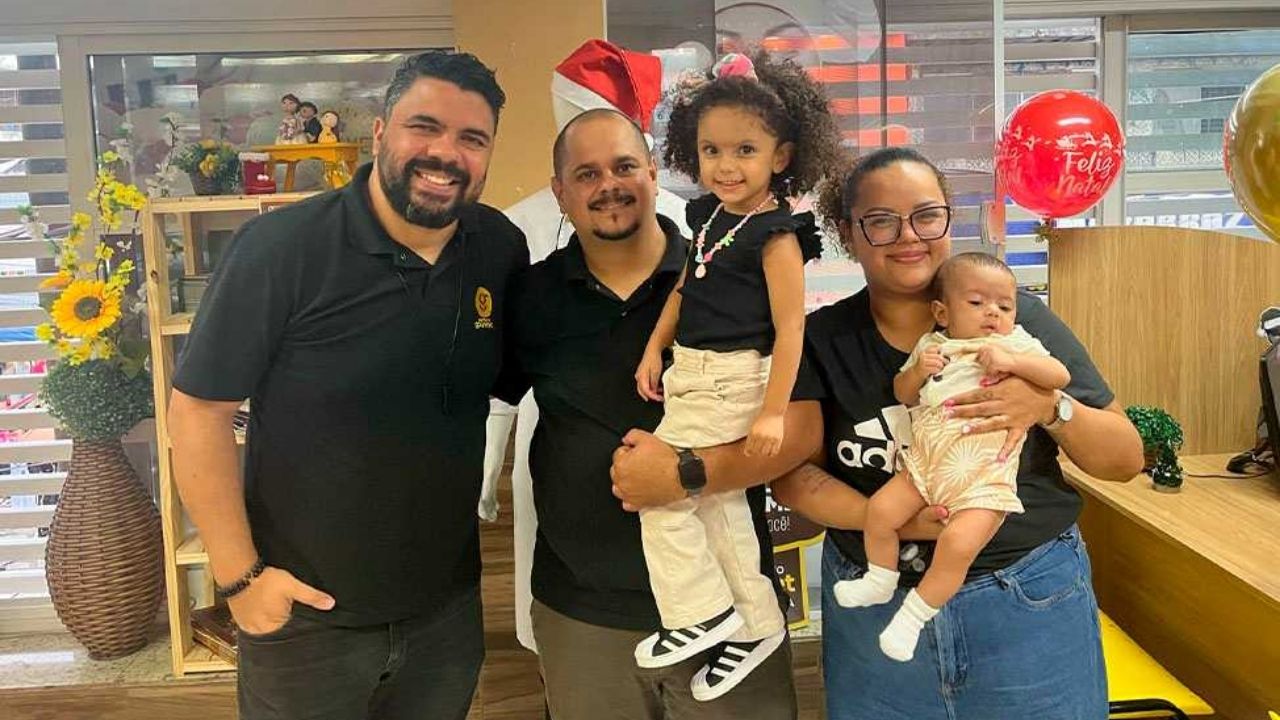
According to the report from Terra, Pamela already had the desire to start a business. When the chance to take over a unit arose, she knew the strength of the brand and saw a concrete possibility for growth.
This detail is important because the decision was not made on impulse alone. Pamela was already involved in the operation, followed the school’s routine, and understood part of the processes. The opportunity appeared in an environment she already knew, which reduced uncertainties and gave more security for the change.
Motherhood was a challenge, but it did not hinder expansion
The report highlights that Pamela is a mother of four and faced the fear of not being able to handle it. She herself recognized that motherhood and entrepreneurship demand a lot, especially when the professional schedule mixes with family demands.
Even so, the story shows that motherhood was not treated as a definitive barrier. With organization and support, Pamela managed to advance in the franchises and maintain her presence with her children. The point is not to romanticize the overload, but to show that planning and a support network made a difference in the journey.
Busy routine includes family, work, and husband’s support
Pamela relies on the support of Danilo, her husband, but states that her routine remains full. Still, according to the source, she tries to start the day early with the children and reserve quality moments with them at night, whenever possible.
This balance appears as a daily attempt, not as a perfect formula. The life of an entrepreneurial mother involves choices, sacrifices, and constant reorganization. The story gains strength precisely because it shows the real routine behind the growth in franchises, without hiding the fatigue and necessary adjustments.
Path included pregnancy, operational changes, and expropriation
The journey of Pamela was not linear. The report mentions difficult moments, such as a pregnancy amid operational changes and even the expropriation of a unit, situations that required emotional resilience and adaptability.
During these phases, she relied on the support network formed by her partner, the work team, and the purpose connected to her children. The story shows that growth in entrepreneurship also involves unforeseen events, especially when the operation depends on a physical store, team, customers, and administrative decisions.
First unit had revenue more than doubled
One of the milestones mentioned by Pamela was the performance of the first unit she took over. According to the entrepreneur, after she started managing the school, the monthly revenue more than doubled, a result celebrated with the entire team.
This data helps explain why her trajectory gained prominence. The growth of the franchises was not just symbolic or emotional; there was also operational success. Still, Pamela states that satisfaction is not only in the numbers but also in seeing students graduate and change their lives.
Franchisor’s structure helped in the journey
The source reports that the franchisor’s support was essential for Pamela’s progress. Materials, training, and an available team helped the entrepreneur feel more secure throughout the process.
This point is relevant because it differentiates isolated entrepreneurship from a franchise model. In franchises, the brand’s structure can offer guidance, standards, and operational support, although success still depends on local management, the team, and the ability to handle market challenges.
Exchange among franchisee mothers strengthened the network
Pamela also highlighted the support among franchisees, especially among women who are mothers. According to the report, there is a genuine exchange about challenges, victories, and difficulties of balancing motherhood and business.
This informal network helps reduce the common sense of isolation in entrepreneurship. When other women share similar problems, the experience ceases to feel individual and forms a community of support, learning, and encouragement.
Sebrae data shows presence of entrepreneurial mothers
The report also cites a Sebrae survey according to which 67% of entrepreneurs in Brazil are mothers. This data helps contextualize Pamela’s story within a broader movement, where motherhood and business are increasingly connected.
This number contradicts the idea that motherhood prevents women from being protagonists of their own financial lives. At the same time, it reinforces the need to discuss support, organization, and real conditions for mothers to be able to undertake without bearing all the costs of this choice alone.
Story inspires students and other women
Today, with four units of Instituto Gourmet, Pamela has become a reference for students who follow her journey. She states that many see themselves in her because they know her journey began within the network itself, as an employee.
This identification is one of the strongest points of the story. Pamela does not appear only as a franchise owner, but as someone who has gone through stages that other women also know: work, fear, family, trial, error, support, and growth.
When franchises, motherhood, and organization enter the same agenda
The journey of Pamela Oliveira shows that entrepreneurship can open paths for women seeking income, autonomy, and family presence, provided there is planning, support, and structure. The case also makes it clear that motherhood does not eliminate challenges, but can coexist with professional ambition.
And you, do you think stories like Pamela’s show a new perspective on entrepreneurial mothers in Brazil? Can franchises be a safer alternative for those who want to start, or do they still require too much preparation for those who already have an intense family routine? Leave your opinion in the comments.





Be the first to react!