Portuguese
  Spanish


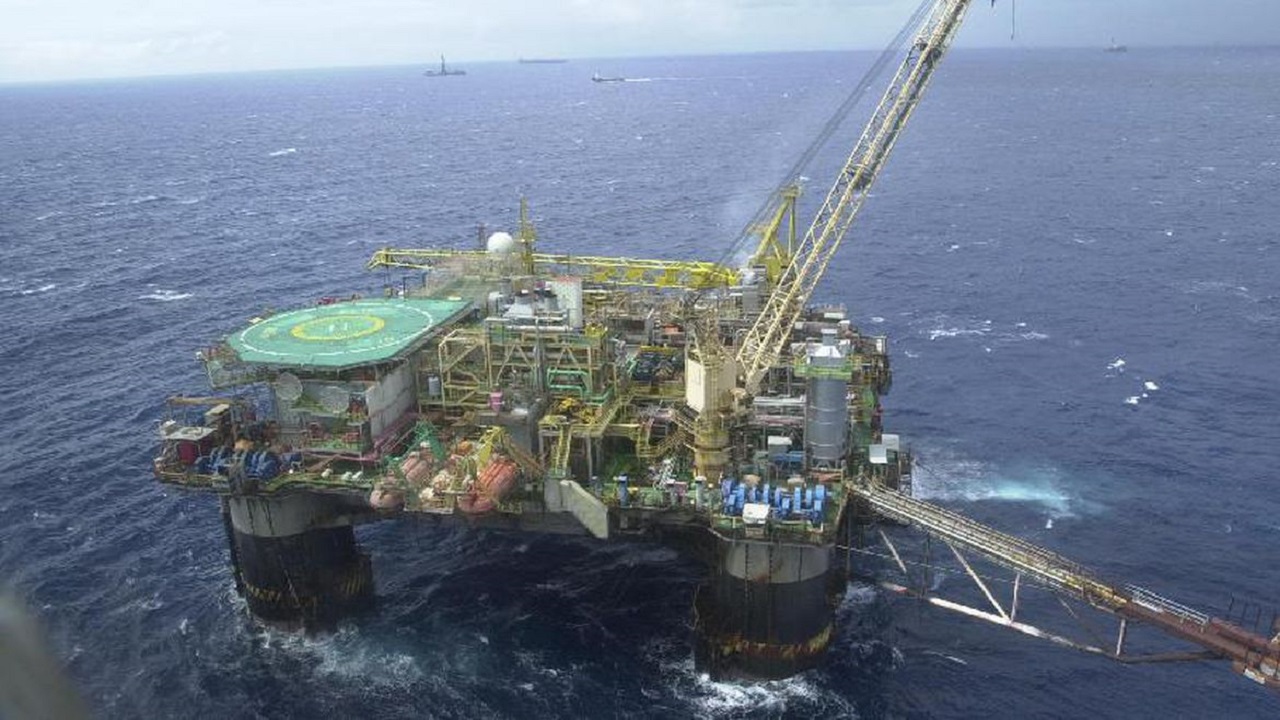

Firjan Yearbook Indicates That R$ 50 Billion Will Be Invested in the Oil and Gas Sector in RJ, Generating Over 60 Thousand Job Opportunities. Moreover, There Are Still Possibilities of Using Renewable Sources
The sixth edition of the Oil Yearbook in Rio projects R$ 50 billion in investments in the oil and gas sector in RJ over the next three years, potentially generating over 60 thousand job opportunities. The document is created by the Federation of Industries of the State of Rio de Janeiro (Firjan) and shows development in the segment after a year of decline in oil and gas sector activities due to the pandemic. The share of RJ in production continues to rise, reaching 80% of the Brazilian total.
Read Other Related News
Brazil Could Be Among the Top Five Oil and Gas Exporters in the World
In April, RJ managed to reach a mark of 2.97 million barrels of oil per day, very close to the 3.16 million recorded in early July. It is worth noting that according to Firjan’s study, the expectation is that this number will grow even more this year, especially with the start of FPSO operations later this month in the Sépia field.
In addition to various job opportunities, the structure will produce over 180 thousand barrels per day. According to expectations from the Energy Research Company (EPE), the country will increase production from three million barrels of oil per day to 5.3 million, with the possibility that 3.4 million of those will be exported daily. If these projections come true, the country could become one of the largest exporters of oil and natural gas in the world, outside the OPEC environment.
-
Petrobras Secures $2.2 Billion Contract to Build and Operate Four Support Vessels for Brazil’s Offshore Oil Fields

-
Oil production grows in Rio, but reserve replacement raises a warning sign

-
Petrobras is expected to complete the drilling of the Morpho well in the Foz do Amazonas in August 2026, the first well in the Equatorial Margin, an oil frontier that the ANP estimates at more than 30 billion barrels and could redraw the map of Brazil.

-
Oil returns to the center of concerns with tension between the US and Iran





Coordinator States That There is a Perspective for Actions That Combine Renewable Energies
The projected investment value by Firjan for the oil and gas sector in RJ has excited Thiago Valejo, Coordinator of the Strategic Content Division of the Oil and Gas Management, who also highlights the possibility of investments that utilize different energy sources, which would not only increase job opportunities but also contribute to global efforts in establishing the ESG agenda.
Firjan documents also emphasize the complementary aspect of matrices and that the creation of new sources did not eliminate the use of others, like coal, which continues to be used. Valejo highlights that this value disclosed by Firjan for RJ is a projection based on announced investments. Brazil already has a matrix that is unequal to other countries, hence it is essential to consider regionalities.
The coordinator also states that RJ has various sources ranging from nuclear to wind, which is why the concept of energy integration is often discussed. The oil and natural gas sector must be part of this mix.
Offshore Wind Energy May Be Part of Firjan’s Projection
One of the options indicated as a complementary use is the utilization of offshore wind energy, which will boost the revitalization of mature oil fields, such as those in the Campos Basin, in the north of RJ.
The Firjan yearbook also highlights the prospect of completing the Rota 3 gas pipeline, scheduled for next year, which will not only generate various job opportunities but will also create the Natural Gas Treatment Unit (UTGN) in Itaboraí.