Portuguese
  Spanish


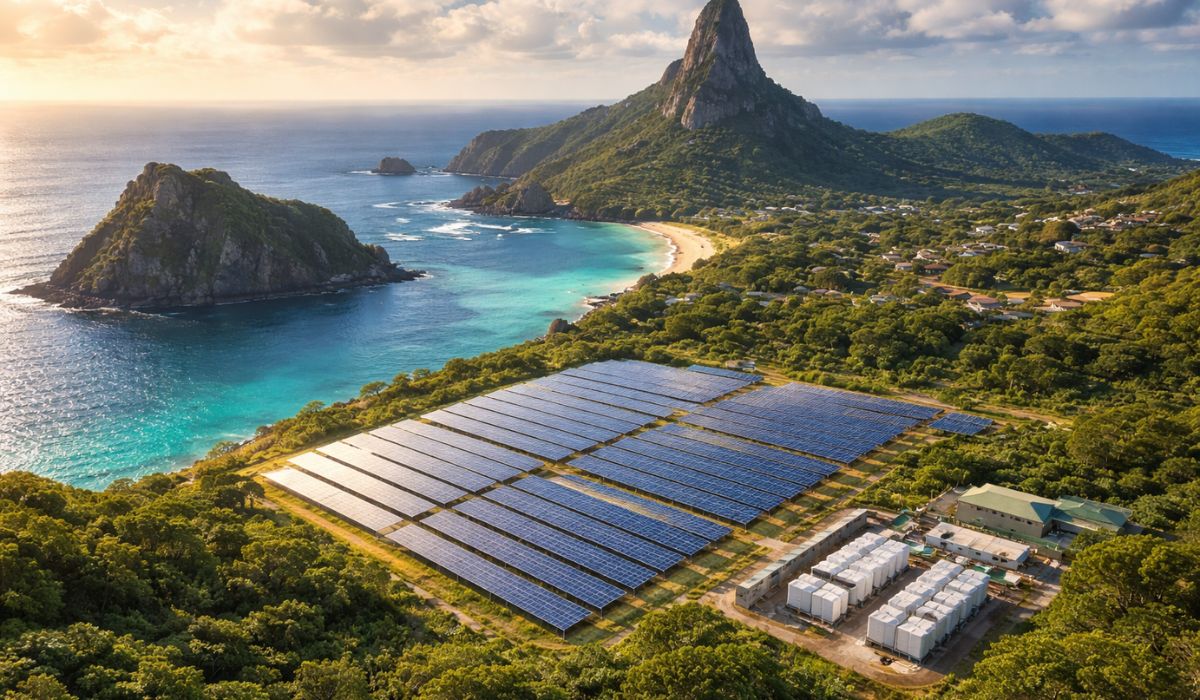

A planned change for the electricity system of Fernando de Noronha places the island at the center of the debate on energy transition, logistical costs, and environmental preservation, while the exact scope of the promise still requires precision in official data.
Noronha Green Project and the change in the energy matrix
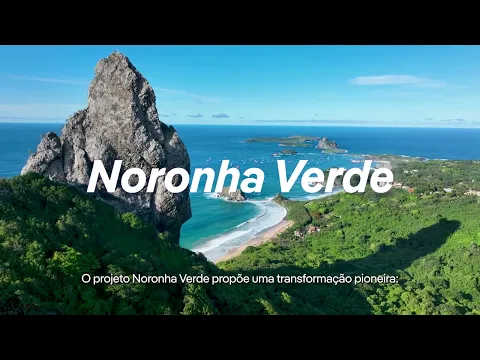
The federal government, the government of Pernambuco, and Neoenergia announced the Noronha Green project with the proposal to increase the participation of solar energy in Fernando de Noronha and reduce dependence on fossil fuels in the archipelago.
According to the company, the initiative plans to install more than 30,000 solar panels and battery storage systems, with an informed investment of R$ 350 million.
In the official information released so far, the presented goal is to bring local renewable generation to about 85% and complete the decarbonization of the island in the first half of 2027.
-
Antarctic Sea Creature Yields Promising Compound Against Melanoma, Captivating U.S. Researchers

-
Underwater Guardian: The Autonomous Robot Monitoring Submarine Cables, Self-Returning, Wirelessly Charging, and Transmitting Data Without Onboard Crew

-
Robots Clean Solar Panels in Desert Power Plants Without Water, Preventing Energy Losses
-
AI Radar Built with Old Camera and $20 Gains Attention After Alleged $317,000 Sale to Chinese Government, But Lack of Documentation and Official Confirmation Raises Questions




How energy supply works today in Noronha
Today, Fernando de Noronha still depends on an isolated electric generation system, based on thermal plants and the shipment of fuel from the mainland.
This model increases operational costs and keeps the island tied to a more polluting energy source.
In technical studies of the sector, the gradual replacement of this structure appears as one of the main fronts to reduce operational costs and emissions in the archipelago.
Solar energy with batteries in the archipelago
The Noronha Green proposal combines solar generation with large-capacity batteries.
In practice, the energy produced during the day can be stored for use at night or during periods of lower solar incidence.
The design of the project was presented as a way to provide greater stability to the supply in a territory that is not connected to the National Interconnected System and relies on local solutions to balance supply and demand.
What already exists in renewable energy on the island
The project does not start from scratch.
Fernando de Noronha already has previous initiatives for photovoltaic generation, but on a scale insufficient to replace the thermal model that still predominates.
The new phase expands this structure and seeks to consolidate solar energy as the basis for local supply.
With this, the expectation of the government and the company is to reduce the need for fuel transportation by sea to keep residences, hotels, public services, and tourism-related activities operational.
World Heritage and Infrastructure Pressure
In addition to the change in the energy model, the initiative has environmental significance as it takes place in an area of protection recognized internationally.
Fernando de Noronha received from Unesco, in 2001, the title of Natural World Heritage.
In this context, any alteration in the island’s infrastructure is usually monitored more closely due to its involvement with environmental preservation, tourism activities, and the operational limits typical of an insular territory.
Population of Fernando de Noronha and Energy Demand
Population data also helps to size the project.
Contrary to what appears in some replicated texts on the internet, the archipelago does not have around 30,000 residents.
According to IBGE, Fernando de Noronha recorded 3,167 inhabitants in the 2022 Census and had an estimated population of 3,341 people in 2025.
Although the number of residents is smaller, the demand for services and energy grows with the circulation of visitors throughout the year and with the necessary infrastructure to cater to local tourism.
Statements from Neoenergia about Costs and Subsidies
The energy transition was also presented by the authorities and the utility as a measure with economic impact.
When announcing the project, Neoenergia’s CEO, Eduardo Capelastegui, stated that the initiative represents “a significant advancement for the island and for the national electric sector, as it enables the production of renewable energy in an isolated system like that of Fernando de Noronha”.
In another public statement on the subject, he declared that the expansion of renewable generation also tends to reduce charges and subsidies associated with energy produced with fossil fuel in isolated systems.
The Plan to Replace Thermal Generation
The plan therefore provides for a structural change in the way electricity is produced in Noronha.
Instead of predominantly relying on a thermal base supplied by fuel transported from the mainland, the island would operate with a predominance of solar generation supported by storage.
The proposal is treated by the project leaders as a model for other isolated areas, especially in places where the logistical cost of thermal supply is higher.

What is confirmed in the official sources
In the consulted official sources, the confirmed point is the implementation of Noronha Verde, with a schedule, announced investment, expansion of photovoltaic infrastructure, and decarbonization targets.
What is securely found is the description of an accelerated transition to a predominantly renewable matrix, with a forecast to eliminate local fossil generation within the announced schedule.
There is an ongoing project, with public goals and direct participation from agents in the electricity sector and public authorities.
There is also a concrete change underway in the island’s energy matrix.
Energy transition in an isolated area
Fernando de Noronha simultaneously faces environmental restrictions, high logistical costs, and constant pressure for infrastructure.
In this scenario, the replacement of thermal generation with renewable sources has gained traction as an energy policy and as a local management agenda.
The disclosed schedule indicates the operation of the new structures within the current phase of the project, while the verification of the final result will depend on the full execution of the works and the system’s performance when it is fully operational.