Portuguese
  Spanish


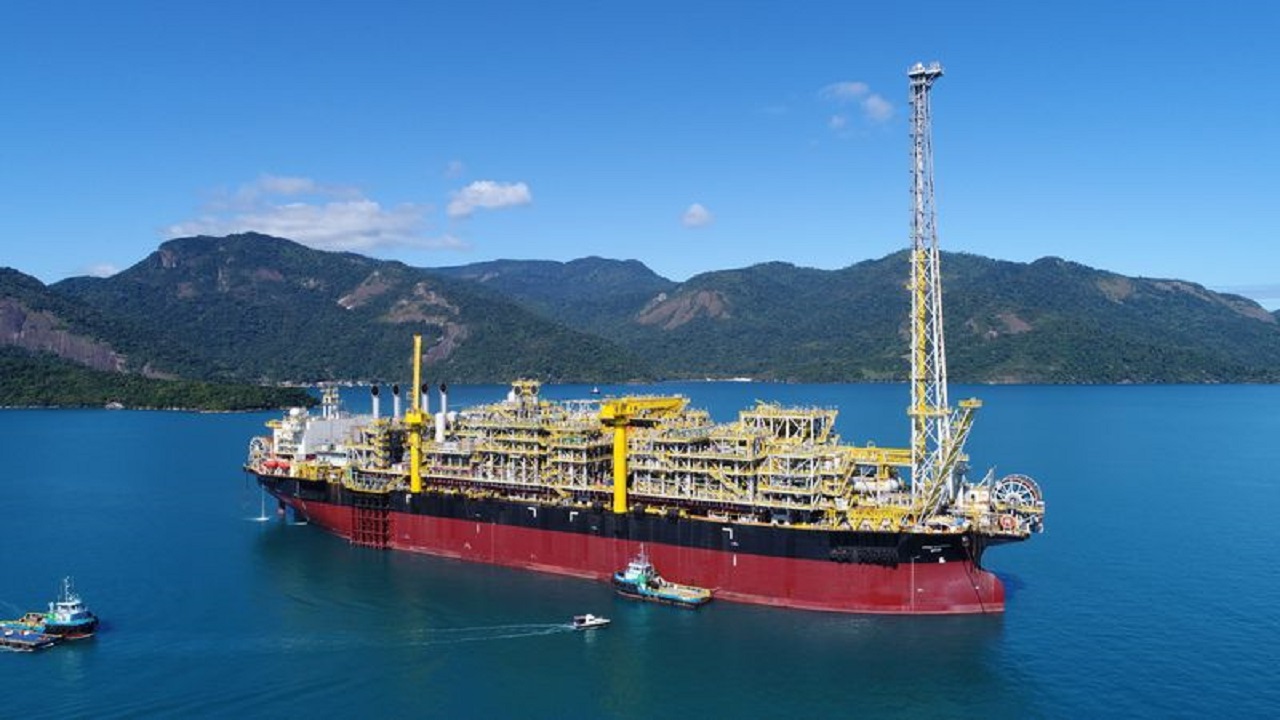

The FPSO Carioca Is on Its Way to the Sépia Field in the Santos Basin. Petrobras’ Vessel Is Expected to Begin Its Operations Still in August
This weekend, the FPSO Carioca began its journey to the Sépia field in the Santos Basin. The platform will be the largest of Petrobras, both in terms of production volume and complexity.
Read Also
Petrobras FPSO Was Almost Entirely Built in China

The Petrobras FPSO is expected to extract its first oil in the Sépia field in the Santos Basin in August. As has been the case in recent times, this platform is another that had a large part of its construction completed in China.
-
France Revamps 530 Social Housing Units with Large Balconies and Glass Facades Without Demolishing Existing Buildings

-
10-Year-Old Max Makes History with Paris Fashion Show, Launches Own Brand, Hires Staff, and Sets World Record as Youngest Runway Designer

-
Bolivian Female Construction Workers Form Association to Combat Discrimination and 38% Pay Gap in the Industry
-
Near Amsterdam, residents buy land and discover they must also build streets, manage drainage, handle waste, and grow food on half their plot.




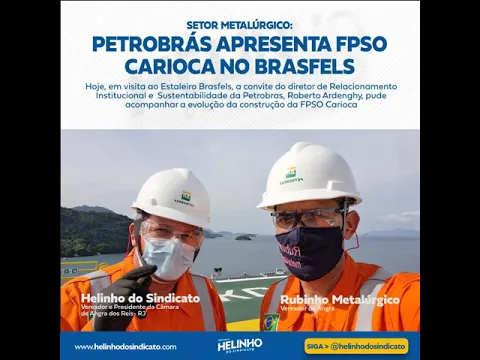
Only a small portion of the vessel was made in Brazil. In the country, the Brasfels shipyard in Angra dos Reis (RJ) was responsible for the construction of two modules for the Petrobras FPSO. The equipment was transported from Brazil to Chinese territory, where it was installed on the vessel.
The FPSO arrived on Brazilian soil in February this year to undergo final preparation stages. The construction, integration, and verticalization of the flare tower were carried out at the Brasfels shipyard in a special operation, considering that the structure has a height of 135 meters. The final commissioning phase of the FPSO also took place at the shipyard, generating approximately 600 job openings.
Maximum Production and Reduction in Carbon Emissions at the Sépia Field
According to João Henrique Rittershaussen, Production Development Director at Petrobras, the FPSO and the development of the Sépia field in the Santos Basin utilized technologies aimed at reducing exploratory risk and the time to start production. In addition to this technology, the investment was designed to reduce carbon emissions and also maximize production in the Sépia field.
He states that the project includes a system that removes CO2 present in the produced gas and another reinjection system into the reservoir, similar to the Búzios and Replicantes fields, which prevents carbon from being released into the atmosphere.
180,000 Barrels Per Day
The production capacity of the new Petrobras FPSO is 180,000 barrels per day, which corresponds to 8% of Petrobras’ oil production. The vessel can also process 6 million m³ of natural gas daily and has a processing plant of 40,000 tons aimed at oil treatment, gas and water injection into reservoirs. The FPSO will be chartered by Petrobras to operate for 21 years in the Sépia field in the Santos Basin.

Graduated in Journalism and Marketing, he is the author of over 20,000 articles that have reached millions of readers in Brazil and abroad. He has written for brands and media outlets such as 99, Natura, O Boticário, CPG – Click Petróleo e Gás, Agência Raccon, among others. A specialist in the Automotive Industry, Technology, Careers (employability and courses), Economy, and other topics. For contact and editorial suggestions: valdemarmedeiros4@gmail.com. We do not accept resumes!