






 Portuguese
  Spanish
 2 min of reading
  0 comments


Fraud Scheme With IPVA Exemption in the Federal District Attracts Drivers From Goiás and Causes Losses of R$ 10 Million. Operation Quíron Reveals How Dealers and Brokers Guided False Registrations.
The exemption of IPVA in the Federal District was created to promote sustainable mobility and stimulate the purchase of electric and hybrid vehicles. However, the benefit became the target of irregularities, as reported this Sunday, 21/09. Owners from Goiás improperly registered cars in Brasília, taking advantage of the tax benefit and avoiding paying the tax in their home state.
According to the Secretary of Economy of Goiás, the practice resulted in a gap of over R$ 10 million. If the scheme had not been dismantled, losses could reach R$ 100 million by 2027.
Operation Quíron Dismantles False Registration Network
The fraud of IPVA in the Federal District was targeted by the Operation Quíron, conducted by the Civil Police of Goiás in conjunction with the Secretary of Economy. During the investigations, it became evident that dealerships and brokers in Goiás instructed clients to register vehicles in Brasília.
-
Unprecedented achievement in India: a colossal 650-ton, nearly 3,000 hp excavator is transformed into 100% electric, marking a new phase in heavy mining.

-
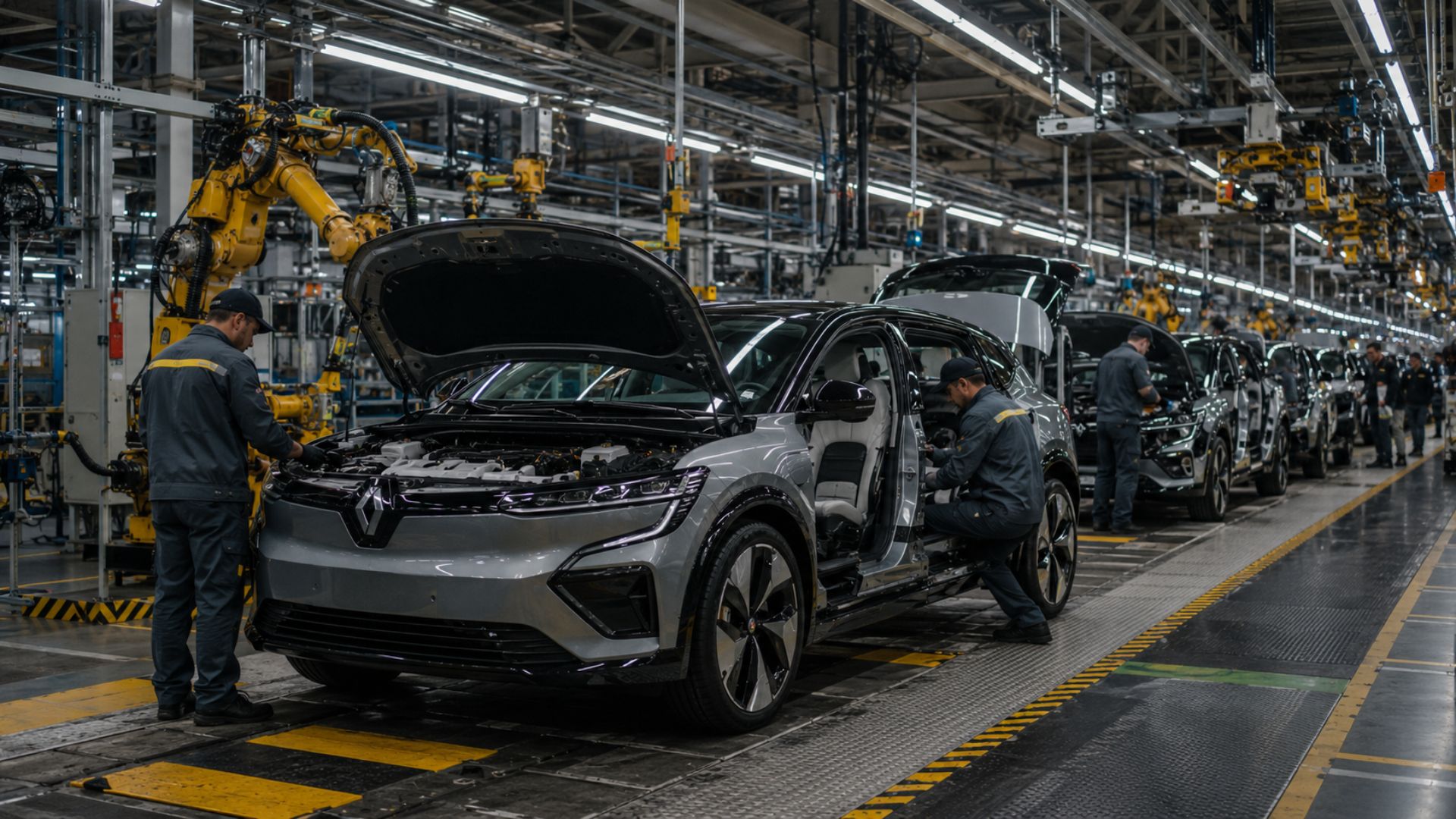
Frightened by the speed of Chinese manufacturers, Renault decided to mimic the pace, made the new electric Twingo in just 21 months, wants to repeat the feat with 36 models by 2030, and along the way, will cut up to 2,400 engineering positions.

-
Chinese battery from Dongfeng promises to exceed 1,000 km without relying on liquid electrolyte, and the detail behind the technology could change the electric car competition.

-
The end of the automotive combustion era has already begun, but many in Brazil have not yet realized the magnitude of the shift towards Chinese electric cars.



Delegate Alexandre Alvim noted that the maneuver gained traction on social media and online forums. Drivers exchanged tips on how to use false or inappropriate addresses to ensure the exemption. Thus, what should have been an environmental policy became a loophole for organized tax evasion.
The investigations revealed that many cars were purchased at dealerships in Goiás and then transferred to the Federal District. To validate the registration, drivers presented irregular proof of residence, allowing them to access the benefit fraudulently.
Now, the notified owners will have to bear the cost of retroactive IPVA, in addition to a 100% fine on the amount owed. It will also be mandatory to transfer the vehicles back to the home state. Those who do not regularize the situation may have debts protested and face legal proceedings for crimes against tax order.
Fiscal Impact and Risks of Regional Imbalance
The advancement of the electric fleet in Goiás has made the fight against this type of fraud even more urgent. The practice not only reduces state revenue but also creates fiscal imbalance between Goiás and the Federal District. While some drivers unjustly benefit, others continue to pay the tax correctly, raising debates about tax justice and unfair competition.
Without effective cooperation between states and more robust inspection systems, similar schemes may persist. Operation Quíron showed that monitoring must be constant to prevent legal loopholes from turning incentive policies into shortcuts for fraud.






-

1 person reacted to this.