Portuguese
  Spanish


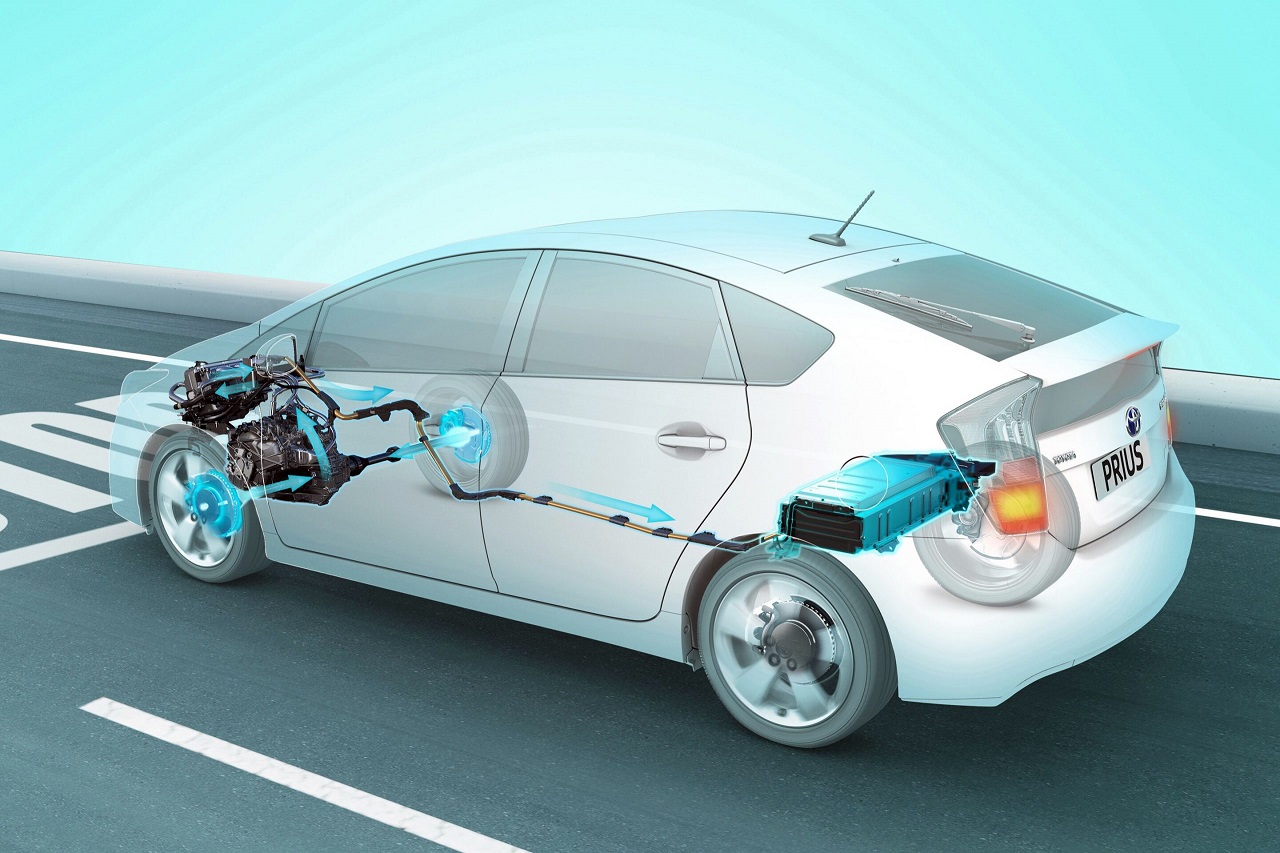

Even With Regenerative Brakes Serving to Give More Autonomy to Electric Cars, It Is Important to Understand How Everything Actually Works to Maintain the Safety of Both the Vehicle and the Driver
Regenerative brakes, in addition to reducing speed and stopping the vehicle, also have the function of recovering a portion of the charge from electric and hybrid car batteries. Even though it is present in more modern car models, this technology has a very simple concept.
Related Articles
- Chinese BYD Opens New Electric Car Dealership in Porto Alegre (RS)
- Electric Cars to Supply Residences, This Is GM’s Proposal With Its New Bidirectional Charging System
- Spike in Nickel Prices Due to the War Could Disrupt the Production of Electric Car Batteries
- Head of Korean Automaker Hyundai Motor Reveals Ambitious Plan to Sell 1.897 Million Electric Cars and Manufacture More Efficient Batteries to Secure 7% of the Global Market; Competition With Giants GM, Ford, and Tesla Will Intensify!
- Nuclear Cars: 8,000 Kilometers of Autonomy and Other Impossible Dreams
Understand How Regenerative Brakes Work
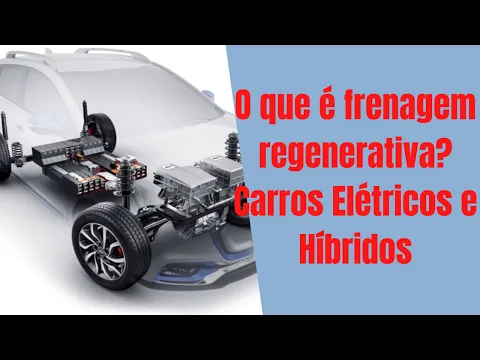

The electric motor, which is responsible for propelling the vehicle, can also function as a type of electricity generator, a kind of alternator to supply energy directly to the batteries, as a way to increase the vehicle’s autonomy.
Thus, the electric motor begins to supply energy to the batteries each time the driver applies the brakes or simply eases off the acceleration. During braking, a sensor sends signals to an electronic module that converts the motor into a generator, taking advantage of all the movement from the car’s wheels, the so-called kinetic energy, causing energy to be generated that is then sent to the batteries.
-
End of an era in Brazil: beloved sedan by Brazilians is discontinued despite having a 2.0 engine with 151 hp, CVT transmission, 466-liter trunk, and up to 650 km of range.

-
New Law Proposal in Brazil Could Heavily Penalize Drivers: Dangerous Overtaking May Become a Serious Offense with Fines Increased Tenfold and a 12-Month License Suspension; Update on 2026 Progress

-
Electric Revolution: Watts W125 Motorcycle Offers 160 km Range, 90 km/h Speed, and Affordable Price Starting at $3,000
-
General Motors Replaces Over a Thousand Workers with 50 Cobots at Electric Vehicle Plant, UAW Union Criticizes Move Amid Industry’s Automation Push



Depending on the electric car and its power, the capability of the regenerative brakes can be strong enough to stop the vehicle without needing to engage the conventional wheel brakes.
The Importance of Regenerative Brakes
As a brief example, it can be said that if the driver happens to need to go down a hill, the energy regeneration system can function as a very efficient “engine brake,” serving to reduce the car’s speed while also generating electricity to recharge the batteries.
Another example of the importance and efficiency of regenerative brakes is the Porsche Taycan sports model, where conventional brakes only need to be engaged to assist the electric motors during stronger braking moments.
According to data from Porsche, the energy regeneration system is responsible for operating in about 90% of the car’s braking and can also add an additional 4 km to the battery’s range, during a braking from 200 km/h to a complete stop. Regenerative brakes also contribute to increasing the lifespan of friction components, such as discs, pads, drums, and shoes, as well as preserving the wheel brakes.
Essential Precautions
It is important to emphasize that if the car is fully charged, that is, 100% charge, the regenerative brakes may not function as energy generators, but this situation is more common in hybrid models since the combustion engine also functions as a generator.
This happens because the battery, like a fuel tank, cannot store electricity beyond its own limit. Therefore, it is important to note that any attempt to recharge under these conditions could overheat the motor, risking explosion of the energy accumulator. This limitation is also connected to the fact that fast charges at charging stations do not exceed 80% of capacity for safety reasons.