






 Portuguese
  Spanish
 3 min of reading


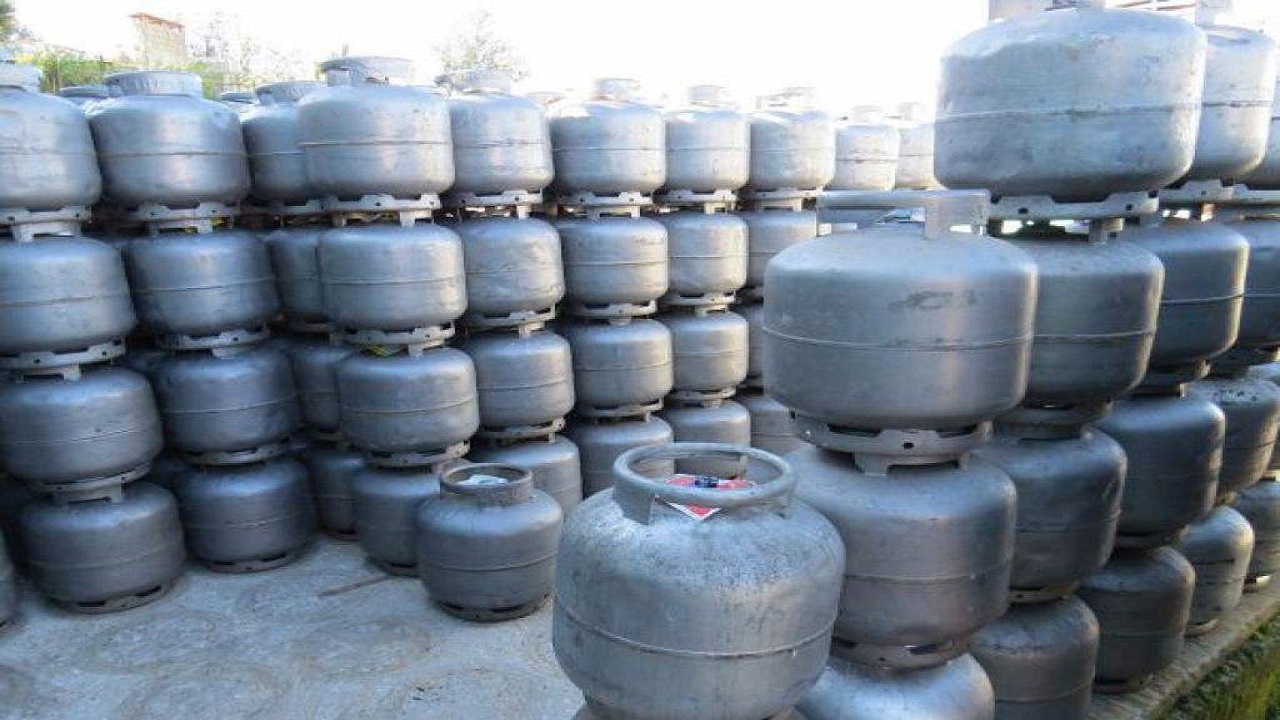
Initiative in Espírito Santo Aims to Sell Cooking Gas with a Discount of R$ 50 for 50 People. The Goal is to Criticize the Current Policy for Selling LPG Gas and Other Fuels.
Those who intend to buy cooking gas with a discount of R$ 50 will have an opportunity this Sunday (19). An action by the Petroleum Workers Union of Espírito Santo (Sindipetro/ES) aims to raffle 50 discount coupons in the Jesus de Nazareth neighborhood, located in Vitória. The project is part of the Caravana dos Petroleiros, which has already passed through Cariacica and São Mateus. The LPG gas reduction activity will take place at the Mãos na Massa Institute, located at Rua Helena Muller, n.º 131, starting at 9 AM.
Cooking Gas Discount Initiative Will Also Bring Recreational Activities
In addition to criticizing the current policy of fuel prices used by the Federal Government, the LPG gas discount initiative in Espírito Santo aims to demonstrate how the sale of Petrobras units can generate unemployment, decrease investments, and reduce revenue for municipalities, including the significant economic and environmental problems for the affected regions.
Alongside the coupon raffle, recreational activities will be offered for the community. The cooking gas discount initiative in Espírito Santo will also publicize studies and research from institutions such as Ineep, Dieese, and Ufes, related to the results that the sale of Petrobras units can cause to the population.
-
Paper money is disappearing from Brazilians’ pockets, with the issuance of new banknotes dropping by 31% from 2020 to 2025, amid the explosion of Pix, which became the most frequent payment method for 46% of the population, while cash plummeted from 42% to 22%.

-
Owner of Tok&Stok and Mobly raises alert in retail, sees debt exceed R$ 1 billion and rushes to court to try to save stores, jobs, and essential operations

-
China connects to the power grid the largest ultra-large battery storage station ever built in the world and signs a billion-dollar contract that consolidates a technology capable of sustaining entire cities with clean energy.
-
The next few hours will be marked by increasing tension regarding the stance to be adopted by the Central Bank’s Monetary Policy Committee (Copom/BC) concerning the benchmark interest rate (Selic) at the end of this Wednesday’s (17th) meeting. Although the market is ‘divided’ on the committee’s decision, the stronger trend in recent weeks is that the rate will remain unchanged at the current level of 14.50% per year. Meanwhile, a minority faction still ‘bets’ on a 0.25 percentage point (p.p) decrease.




The campaign in Espírito Santo also denounces the pricing policy used by the Federal Government, considering that the PPI benefits only shareholders from other countries while the Brazilian people foot the bill, facing constant increases in fuel prices such as LPG gas, gasoline, and diesel.
Cooking Gas Increases 324% After PPI
Data from a new study by the Unique Federation of Petroleum Workers (FUP), based on the official prices of the main fuels consumed in Brazil, shows the impact of the new pricing policy of Petrobras, adopted after the Lava Jato operation and the coup of 2016.
The new policy is called Price Parity of Import (PPI), responsible for adjusting fuel prices according to international quotes. Since it was implemented in October 2016 until today, June 2022, the price of cooking gas has increased by 324%.
During this same period, the minimum wage increased by 37.7% and the main inflation measure, the IPCA, increased by 35%. The cost of cooking gas directly impacts the household budget of a large part of Brazilian families, who use it for food preparation. The impact is much greater, especially for poorer families.
New Technologies May Help Contain Cooking Gas Increases
With the rising prices of LPG gas, various initiatives arise to mitigate these impacts. One of them is a study by a UESB student, which aims to generate biogas from cassava peels.
According to the study’s author, the goal is to mitigate the impacts, considering that the increases in the price of cooking gas affect approximately 98% of families in the country. Since March 2020, there have already been 17 consecutive price hikes.
Another initiative comes from researchers in Rio Grande do Norte (UFRN), who developed a solar-powered stove, a source that is free and renewed every day. This is a great option to avoid the crisis and overcome challenging times. In addition to not using LPG gas, the stove is made from discarded or low-cost materials, such as scraps and mirrors.








Be the first to react!