Portuguese
  Spanish


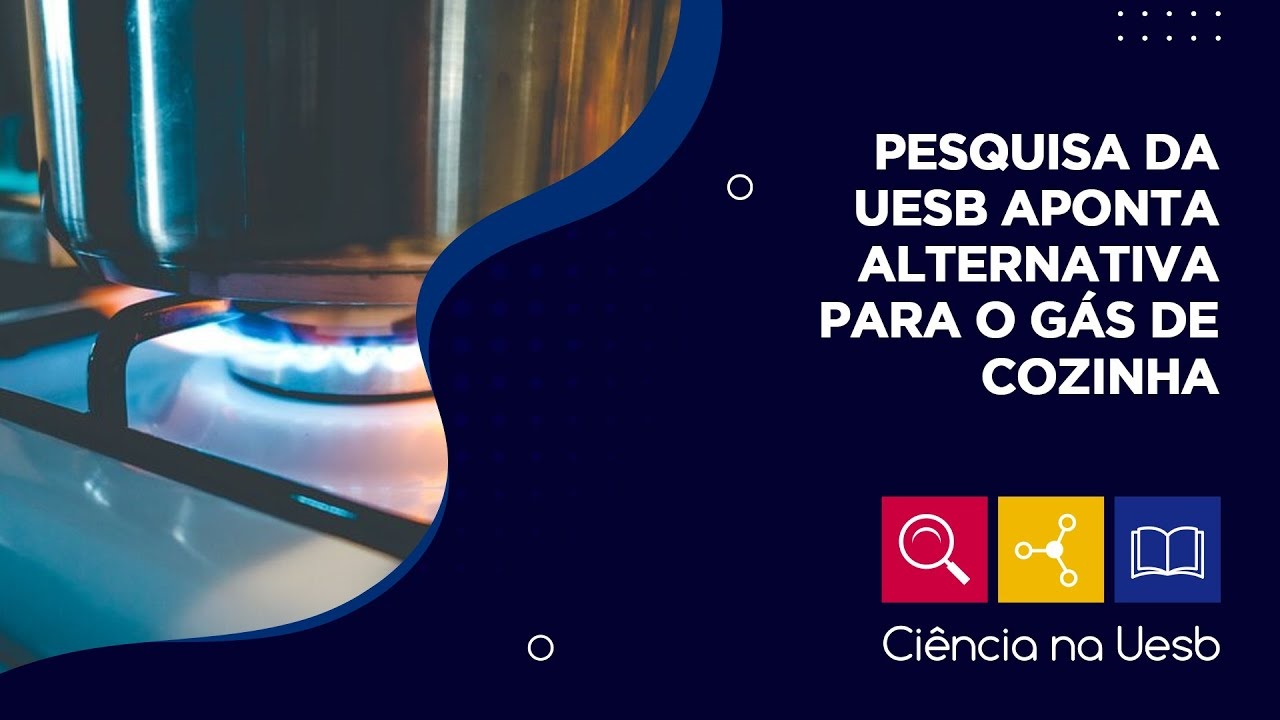

UESB Student Develops Biogas from Cassava Peels. Product May Revolutionize the Energy Sector by Replacing Cooking Gas.
When many liquid and solid wastes are generated throughout the production chain, one of the concerns is to think of ways to reduce and repurpose the impacts generated by the improper disposal of these wastes in the environment. Thus, one of the sectors that generates the most agro-industrial waste is agriculture. Cassava is one of the important sources of starch in Brazil and has a production chain that generates large quantities of waste, such as cassava peels. This caught the attention of researchers from Uesb — State University of Southwestern Bahia, who developed a technology capable of replacing cooking gas.
Cassava Peels Can Produce Biogas


The reality of solid waste generated in the production chain caught the attention of Dayane Silva, a Master’s student in Food Engineering and Science at the UESB Itapetinga campus. According to the student, the research deals with the perspective of generating biofertilizer and biogas through the repurposing of cassava peels, which are often discarded improperly.
Dayane’s research is titled “Application of Solid State Fermentation with Aspergillus niger ATCC 1004 in Cassava Peels for Biogas Production” and aimed to evaluate the influence of fermentation, using a fungus from the peel as a biological pre-treatment in the production and composition of biogas in laboratory-scale biodigesters, which could replace cooking gas.
-
Former Marketing Agency Owner Thrives on Foraging for 250 Days, Sampling Over 170 Plants, and Says He No Longer Remembers Supermarkets

-
IKEA’s AI Handles Nearly Half of Customer Calls, Company Reassigns 8,500 Staff as Design Consultants, Boosting Revenue by €1.3 Billion
-
Owner of Havan Visits Paraguay to Discuss Lower Taxes, Local Suppliers, and International Expansion with President

-
Brazilian Construction Retail Chain Closes After 60 Years, Begins Liquidation Sale Across Five Cities




According to UESB, the results indicated that there was a reduction in crystallinity, reduction of total and volatile solids, and degradation of lignin. This means that the alternative showed excellent efficiency in the anaerobic digestion process in transforming organic matter into biogas, generating gas production more quickly, in greater volume, and with a higher concentration of methane, according to the student, which could generate cooking gas from cassava peels.
Research May Help Families Affected by the Rising Cooking Gas Prices
The UESB student states that the main goal of the research is to use the biogas generated from cassava peels as a way to replace mineral-origin gases, such as Liquefied Petroleum Gas (LPG), used as cooking gas; Natural Gas (NG), used in household appliances, and also when purified, in Compressed Natural Gas (CNG).
Considering that the increases in cooking gas prices impact the household budget of approximately 98% of Brazilian families and also that between March 2020 and April this year there were 17 price hikes one after the other, having an alternative and sustainable fuel is essential.
Biogas from Cassava Peels Can Also Generate Renewable Energy
According to Nívio Batista Santana, a professor affiliated with the Department of Rural and Animal Technology and the Graduate Program in Food Engineering and Science, anaerobic digestion is seen as one of the most promising technologies for generating renewable energy.
Given the current climatic data and high electricity costs, this UESB technology provides an alternative for energy production in the form of biogas, as well as reducing the inappropriate disposal of waste in the environment.
Biogas can also be used for generating electricity, being burned to produce heat for boilers, ovens, stoves, or other systems. As a consequence, there is a reduction in the use of electricity, firewood, cooking gas, among other energy sources.