Portuguese
  Spanish




Expand Your Knowledge On How Growing GDSUN Drives The Energy Transition And Strengthens Distributed Generation In Brazil.
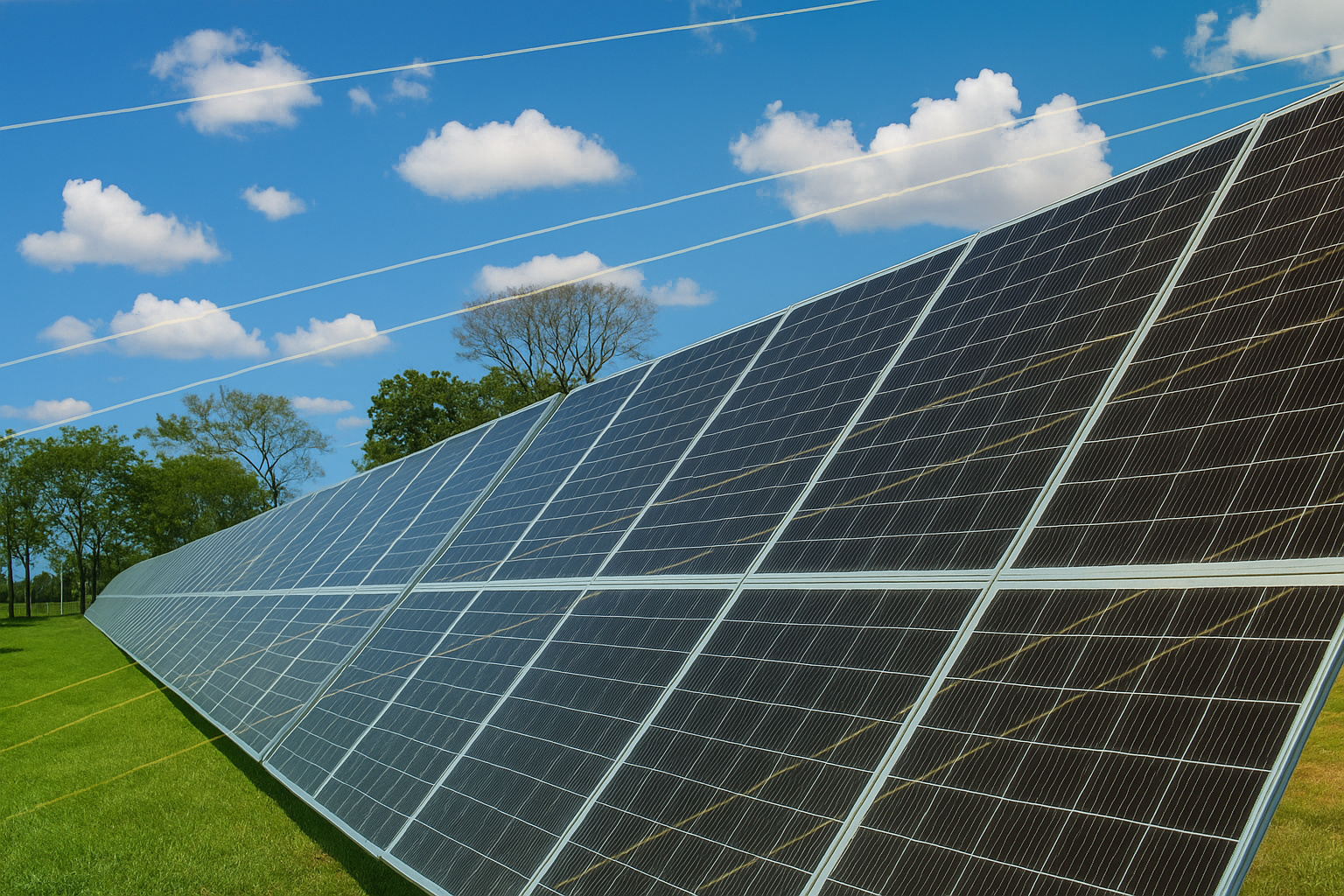
The growing GDSUN has become a remarkable example of how solar energy can therefore drive the energy transition in Brazil. The company, which operates in the distributed generation sector, has been expanding its presence in different regions, consolidating its position as one of the leaders in the renewable energy market.
Between January and July 2025, GDSUN energized five new photovoltaic plants located in São Paulo, Bahia, and Ceará. These states represent strategic areas for the development of solar energy in the country. The new units are: UFV Engenheiro Narcélio Silveira (CE), Caracará (CE), UFV Panorama (SP), Luís Eduardo Magalhães II (BA), and Barra do Arará (BA).
With these inaugurations, the company now operates 74 plants distributed across 12 Brazilian states, totaling 194 MWp of installed capacity. This advancement reinforces GDSUN’s role as an essential agent for the democratization of access to clean energy, serving both consumers and local communities.
-
USP researcher creates thesis to attract international funds for the country’s electric energy sector

-
Trafigura receives authorization from ANEEL to trade electricity in Brazil and expands its operations in the largest energy market in Latin America.
-
Mobile solar panels promised to share space with corn crops, but the 20% to 25% shade reduced production by an average of 7.7% and opened a new dispute between energy and food.
-
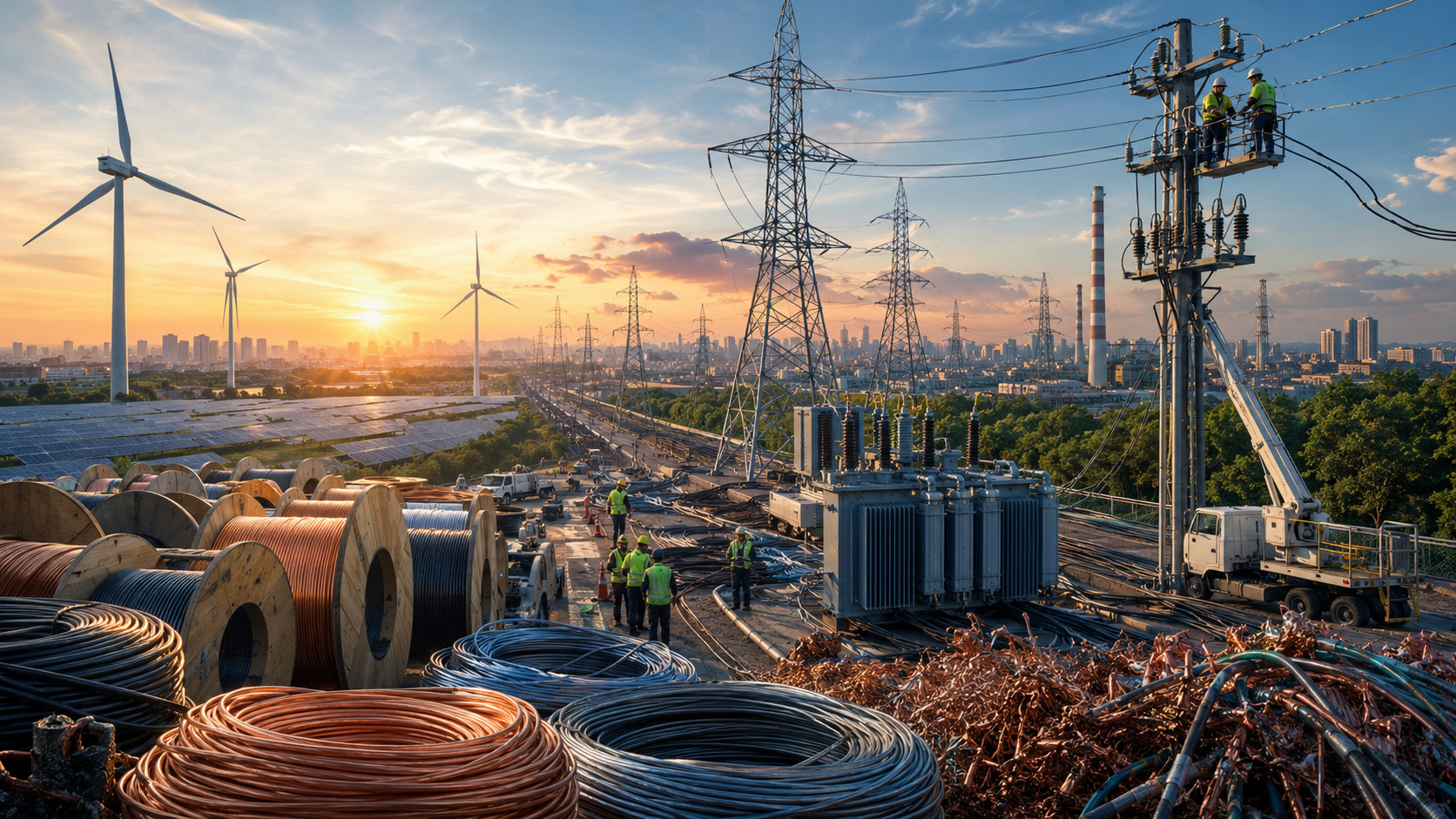
More than 80 million kilometers of wires need to be replaced by 2040: the energy transition doesn’t just depend on panels and electric cars, but on a colossal race for copper, aluminum, transformers, and recycling of old cables.


Strategic Expansion And Commitment To The Energy Transition
The growth of GDSUN is not just a market movement, but a strategy aligned with the future of energy. In addition to the plants that have already been energized, the company plans to bring two new solar plants online in the coming months: UFV Brasília (DF) and UFV Aliança (PE). These expansions enhance the company’s reach and strengthen its commitment to a cleaner and more decentralized energy matrix.
According to Simone Suarez, CEO of GDSUN, “Each new plant is a concrete step towards our commitment to the energy transition and the democratization of access to solar energy in Brazil.” The executive emphasizes that the projects create value for consumers, communities, and the planet, reaffirming the importance of innovation in the advancement of renewable energy.
Furthermore, the growing GDSUN represents the maturation of a sector that, over the past decade, has shifted from a promise to a solid reality. Brazil, due to its privileged geographic position, has one of the best solar irradiation rates in the world. This allows companies like GDSUN to play a central role in the national energy sustainability.
Innovation, Sustainability, And Positive Socioenvironmental Impact
With a sustainable vision and a forward-looking approach, GDSUN has invested in technology and energy efficiency as pillars of its activities. The 2025 projects demonstrate the company’s alignment with the United Nations Sustainable Development Goals (SDGs), especially those related to clean energy (SDG 7), sustainable cities (SDG 11), and climate action (SDG 13).
This approach shows that the growing GDSUN is not only seeking to increase its production but also to build a sustainable legacy. The positive impacts are reflected in both the reduction of greenhouse gas emissions and the creation of green jobs, contributing to the regional and economic development of the areas where the plants are installed.
Historically, the evolution of solar energy in Brazil gained momentum following the regulation of distributed generation in 2012, which allowed consumers and companies to produce their own energy and inject the surplus into the grid. In this context, companies like GDSUN emerged with an innovative business model that connects sustainability and the economy.
Historical Context And Evolution Of The Solar Sector In Brazil
The advancement of GDSUN accompanies the very evolution of solar energy in Brazil. When the company was founded in 2020, the country was still consolidating the regulatory framework for the sector. Since then, there has been exponential growth in both installed capacity and investments. This movement reflects a historical process of energy transformation that began more than a decade ago, when the government and the private sector started investing in low-carbon alternatives.
Currently, Brazil is among the countries with the highest growth in distributed solar generation in the world. This scenario results from public policies, incentives, and, primarily, the engagement of companies committed to sustainability and technological innovation. In this sense, GDSUN stands out as an example of business success aligned with environmental responsibility.
The distributed generation model, which allows the installation of small and medium-sized plants close to consumer centers, helps to reduce transmission losses, lower energy costs, and strengthen national electrical security. GDSUN, with its 74 plants in operation, demonstrates how this model can be both efficient and profitable.
A Promising Future For Solar Energy And The Growing GDSUN
The growth of GDSUN reflects an irreversible trend: the pursuit of renewable sources that ensure energy security and environmental balance. The solar energy sector in Brazil continues to expand, driven by technological advances, decreasing costs, and increasing environmental awareness. This context offers GDSUN a fertile ground for new investments and strategic partnerships.
The company, which is a wholly-owned subsidiary of Franklin Servtec Energia FIP, operates across the entire development cycle of solar plants — from planning and construction to operation and maintenance. This integration ensures quality, efficiency, and predictability in results, consolidating GDSUN as a reference in the national market.
Additionally, the Franklin Servtec Energia fund, which started in 2017 and is co-managed by Franklin Templeton Alternatives and Servtec Energia, strengthens the financial and institutional support necessary to maintain the company’s expansion pace in the coming years.
With a solid trajectory and a future-oriented strategy, the growing GDSUN symbolizes the essential role of solar energy companies in the transformation of the Brazilian energy matrix. Each inaugurated plant represents more than just a physical structure: it is a milestone on the path towards a cleaner, more sustainable, and energy-independent Brazil.