Portuguese
  Spanish



Discover How Own Solar Power Generation Becomes Accessible in Brazil with Financing, Consortiums, and Solutions That Democratize the Use of Clean Energy.
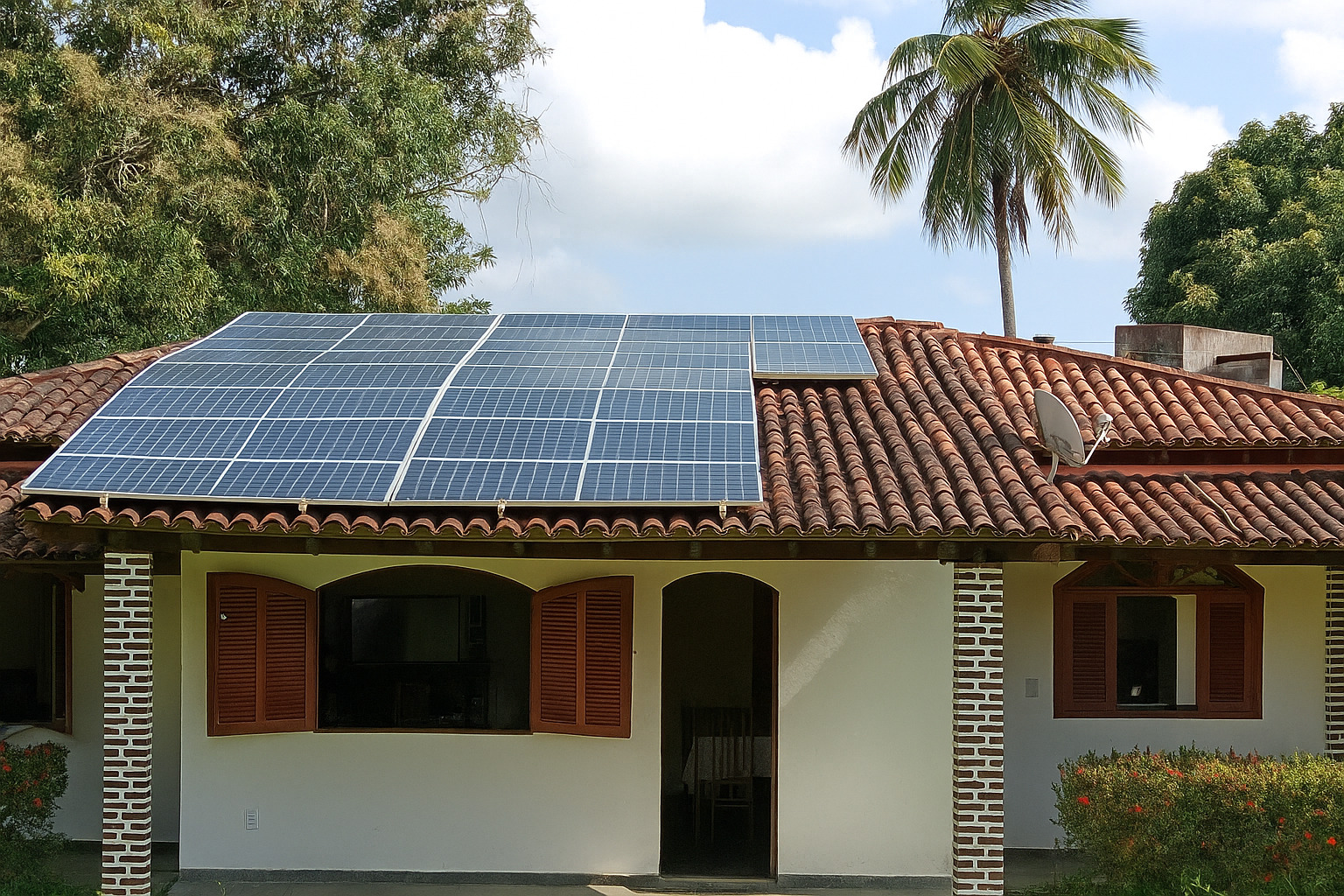
Own solar power generation in Brazil has grown significantly in recent years; therefore, it has become an economic and sustainable alternative.
The country, traditionally known for its energy matrix based on hydroelectric plants, has consequently gradually increased the participation of distributed renewable sources. Like solar energy, enabling small consumers, families, and businesses to produce their own electricity.
Thus, this movement is not limited only to environmental awareness or the search for cost reduction. It also reflects the ease of access to different financing modalities. Which play a central role in popularizing solar energy.
-
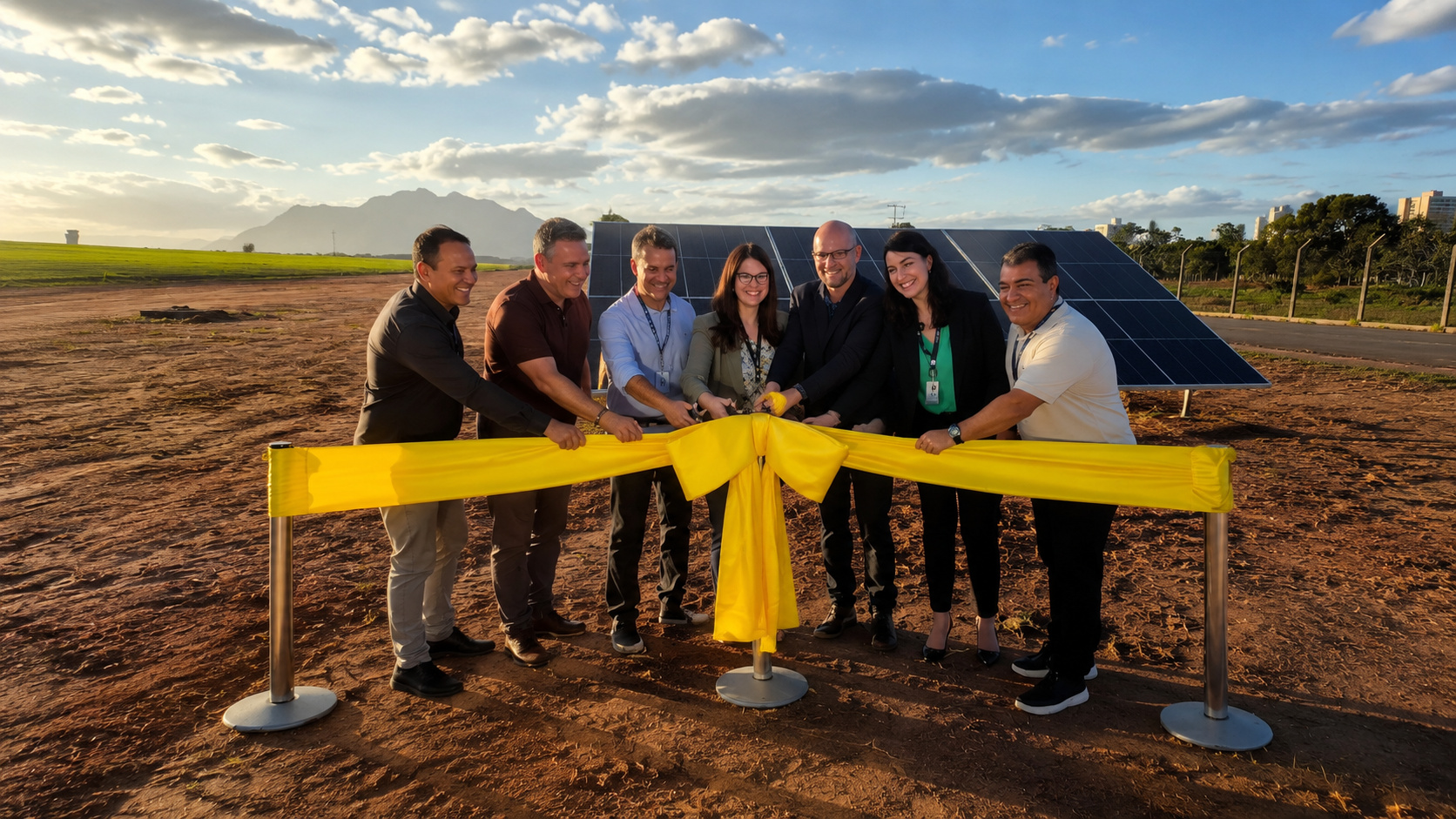
Brazil’s Vitória Airport to Launch Solar Plant Covering Area of 10 Soccer Fields, Boosting Clean Energy and Cutting Costs

-
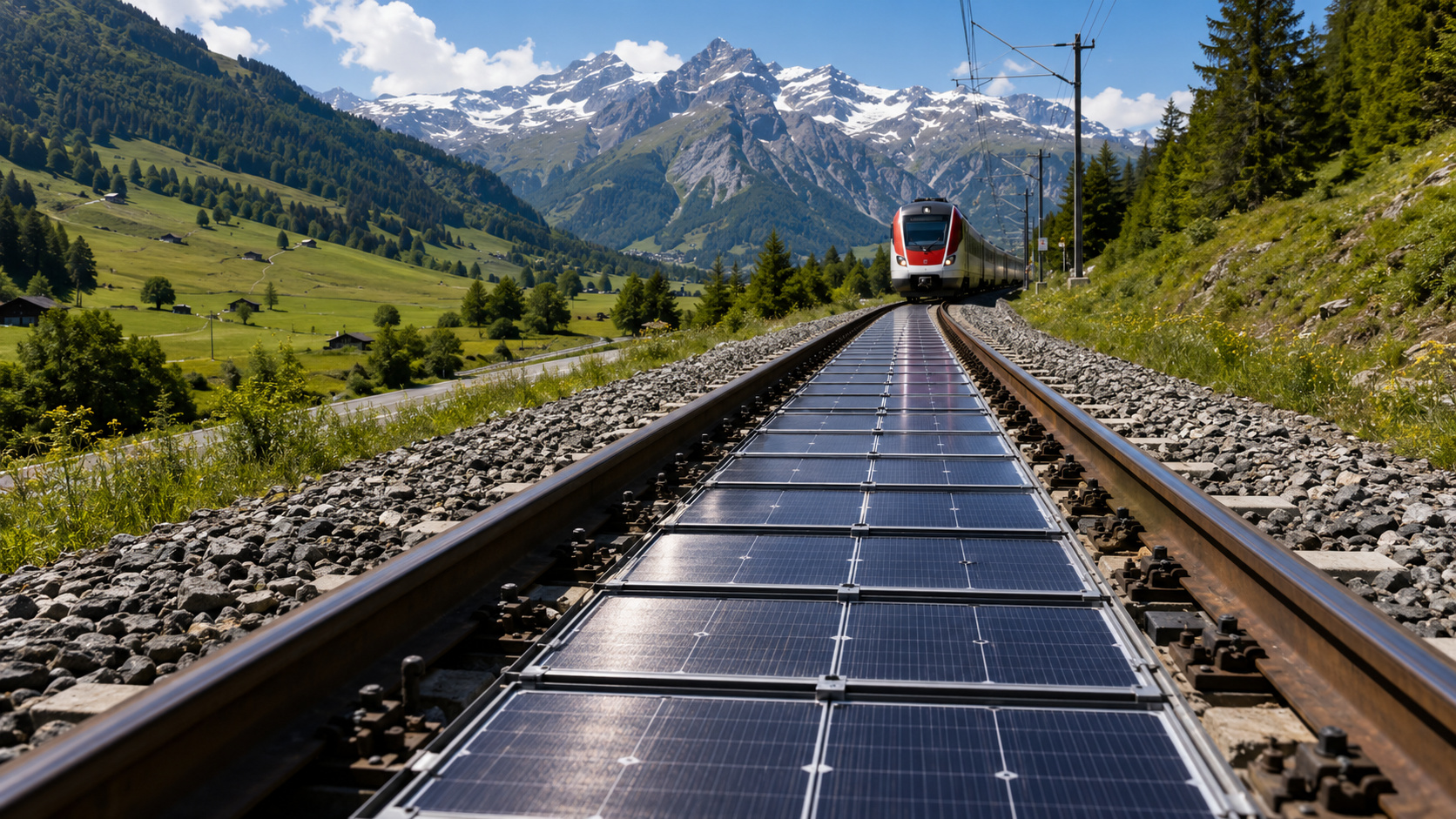
Switzerland Converts Train Tracks into Solar Power Plants with Removable Panels to Generate Energy Without Using Additional Land
-
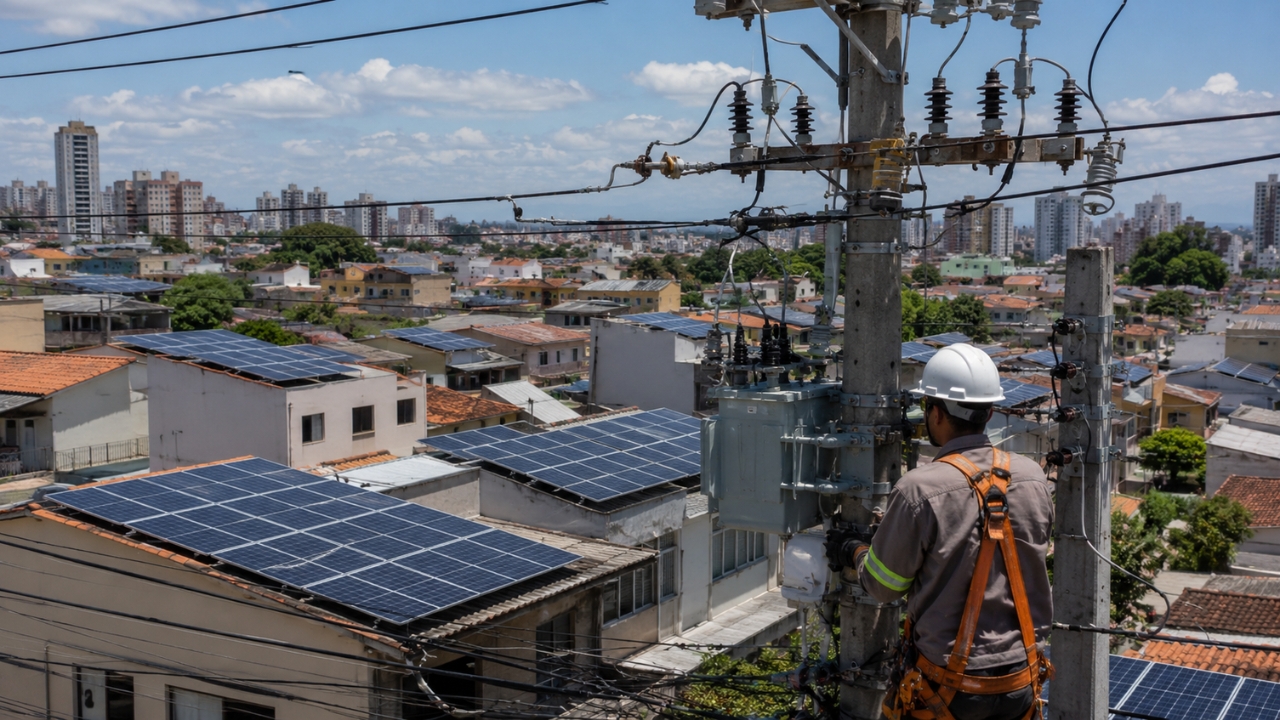
Surge in Solar-Powered Homes in Brazil Leads to Grid Strain and Connection Restrictions in Three States

-
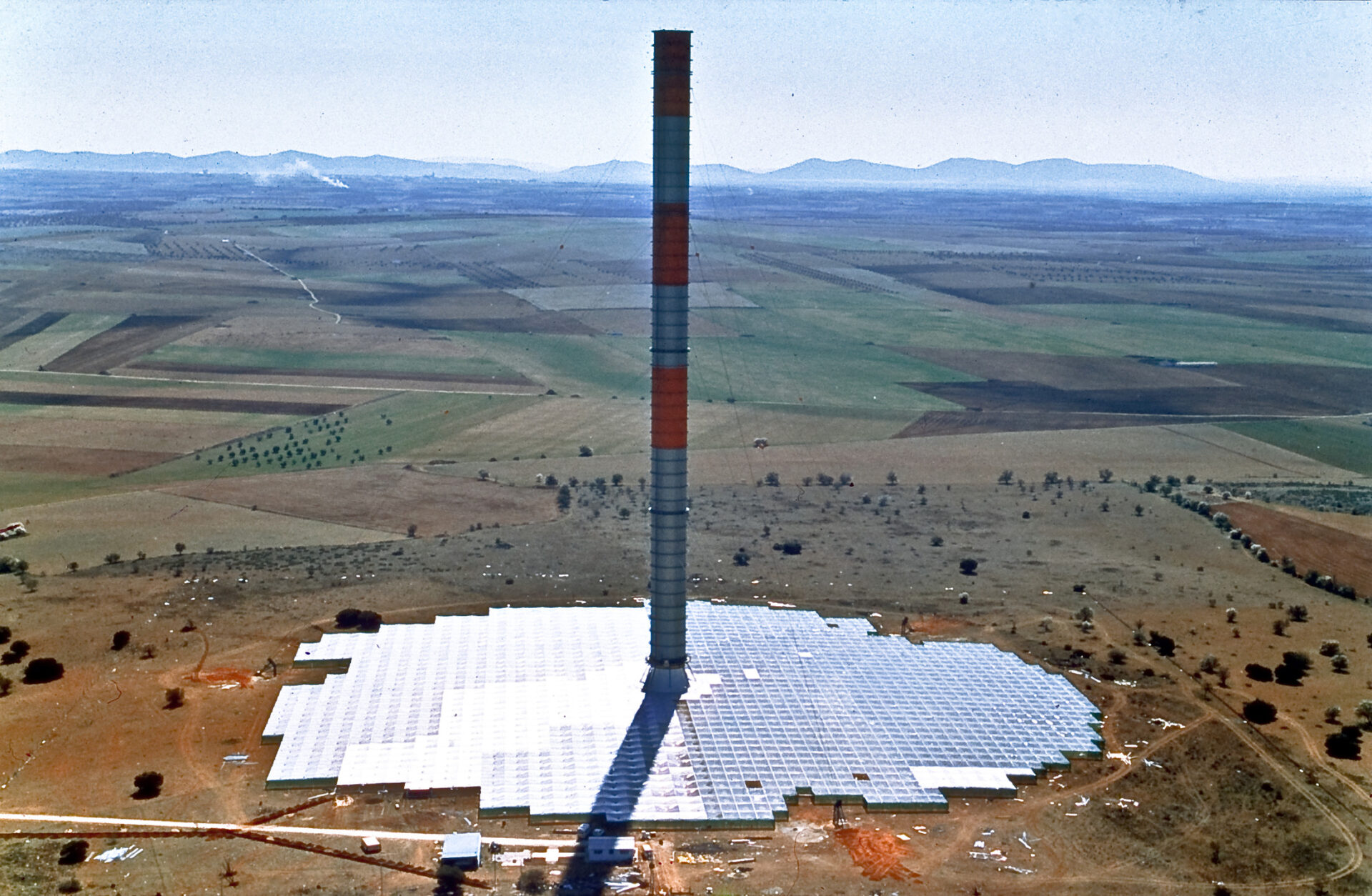
Solar Chimney in Spain Harnessed Sun to Generate Electricity for 7 Years Without Burning Fuel

Historically, Brazil began investing in solar energy on a small scale, primarily in universities and research centers during the 1970s and 1980s.
At that time, the costs of equipment were high and, consequently, the technology was available only for experimental projects.
Only from the 2000s, with the drop in prices of photovoltaic modules and the development of public policies aimed at micro and mini distributed electric power generation, did the sector begin to gain commercial relevance.
In addition, the regulation of the National Electric Energy Agency (ANEEL) for micro and mini distributed generation (MMGD) began to allow residential and commercial consumers to receive credits for the energy they produced and injected into the electrical grid.
This made the investment in solar panels financially attractive.
The Growth of Own Solar Power Generation in Brazil
On the other hand, the increasing interest in solar energy is also related to the change in the profile of Brazilian consumers.
Currently, many individuals seek solutions that combine economy and sustainability; therefore, own solar power generation presents itself as an alternative that meets both objectives.
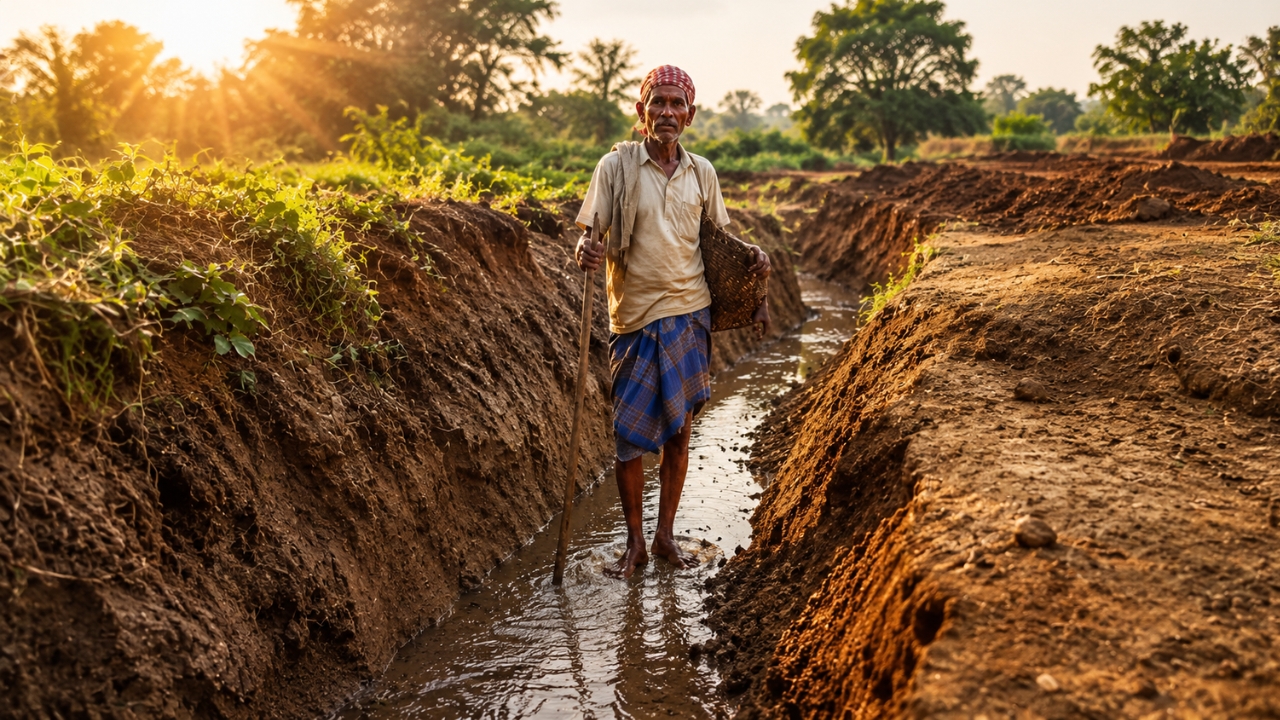
For example, small rural producers significantly reduce their energy costs, increasing the competitiveness of their properties.
Meanwhile, urban residents gain greater autonomy and predictability in electricity consumption.
Today, several acquisition models for solar systems allow, therefore, that own solar power generation reaches a much larger portion of the population.
Among the most used alternatives are traditional bank financing, which offer lengthy terms, reduced interest rates, and conditions that often make the financing installment lower than the electricity bill.
Thus, this scenario creates an immediate opportunity for families and businesses to start saving from the first month of use.
Consortiums and Fintechs: New Ways to Access Solar Energy
Furthermore, solar energy consortiums emerge as an interesting solution for those who wish to plan the investment without paying high interest rates.
In this model, participants await the drawing to install the system, paying only an administration fee.
Consequently, this format has grown rapidly in recent years, as shown by data from the Brazilian Association of Consortium Administrators (ABAC), reflecting the interest of small entrepreneurs and residential consumers in adopting solar energy in a planned and accessible manner.
Another important factor in the expansion of own solar power generation is the performance of fintechs and specialized integrators in solar energy.
For instance, companies like Energy+ simplified access to credit, offering quick profile analysis, fast approval, and financial support for audiences that often lack a solid banking history.
Thus, this approach allows families and rural producers to invest in solar energy, democratizing the generation of clean electricity.
Moreover, the option of leasing or renting solar systems also helps make own solar power generation more accessible.
In this model, the consumer pays a monthly fee for the use of the generated energy, without needing to invest in the equipment upfront.
At the end of the contract, they can purchase the system or renew the lease.
In this way, this modality combines lower initial investment and included maintenance, making solar energy a practical and financially viable solution for households and businesses looking to start generating their own electricity without compromising the budget.
Additionally, the popularization of solar energy has stimulated the emergence of maintenance, monitoring, and consulting services for photovoltaic systems.
Consequently, this support ecosystem ensures that consumers feel more secure when investing in own solar power generation.
They know they will have specialized support throughout the entire life cycle of the system.
Shared Generation and Cooperatives as a Sustainable Alternative
In addition to individual solutions, shared generation and energy cooperatives stand out as innovative alternatives to democratize own solar power generation.
For example, solar condominiums, associations of rural producers, and cooperatives allow various consumers to take advantage of the energy generated by the same solar plant, without installing panels on their properties.
Therefore, this model strengthens collective sustainability and increases access to renewable energy, especially in densely populated urban regions or in rural areas with space limitations.
According to data from ANEEL, in June 2024 more than 6.5 million Brazilian consumers were already benefiting from credits from micro and mini distributed generation, including about 4 million residential families.
Thus, these numbers reflect not only the growing interest in savings generated by reduced electricity bills, but also a cultural shift regarding energy consumption.
Therefore, own solar power generation is not limited to a few privileged individuals; it has become a real and accessible alternative for different consumer profiles, from small farmers to urban entrepreneurs seeking cost predictability and sustainability.
Moreover, educational programs and awareness campaigns on solar energy have broadened the public’s understanding of the benefits of own generation.
In this way, schools, universities, and public and private initiatives have shown that investing in solar energy combines economy and environmental preservation, reinforcing the importance of transitioning to a more sustainable energy matrix.
Regulation, Incentives, and Future Perspectives
Another important point is the role of regulation and state incentives in the expansion of distributed generation.
States that offer credit programs, tax exemptions, or reduced tariffs encourage the installation of photovoltaic systems, accelerating the adoption of solar energy.
Consequently, this favorable regulatory context, combined with the drop in equipment prices and the diversification of acquisition models, creates an ideal scenario for the expansion of own solar power generation across the country.
For the coming years, the sector expects continuous and significant growth.
Therefore, the Brazilian Solar Photovoltaic Energy Association (Absolar) projects that distributed generation will continue to grow at rates exceeding 25% per year until 2030.
This growth will be driven mainly by regions that offer attractive incentives and by consumers seeking greater energy autonomy.
Furthermore, it opens opportunities for new businesses, technological innovation, and strengthening the local economy, as integrators, manufacturers, and service providers expand their operations to meet the growing demand.
Besides the economic aspects, own solar power generation positively impacts the environment.
For example, photovoltaic energy is clean and renewable, contributing to reducing greenhouse gas emissions and preserving water resources.
It decreases the dependence on hydroelectric plants during drought periods.
In this way, investing in solar energy represents not only savings but also a commitment to sustainability and social responsibility.
It aligns individual, business, and collective interests.
Conclusion: Democratization and Future of Solar Energy
In summary, the expansion of own solar power generation in Brazil results from a combination of historical, economic, technological, and regulatory factors.
For example, the drop in equipment prices, the creation of diversified financing mechanisms, the performance of integrators and fintechs, along with the strengthening of cooperative and shared models, make solar energy increasingly accessible.
Thus, by democratizing access to own electricity generation, the country is moving towards a more sustainable, resilient, and inclusive energy matrix, benefiting families, small producers, and businesses from different sectors.
The expectation is that this trend will continue to strengthen, offering new opportunities for savings, innovation, and positive environmental impact.
In this way, own solar power generation, previously restricted to large projects or privileged consumers, is now within reach of many.
It has established itself as a practical, economic, and sustainable solution for Brazil’s energy future.