






 Portuguese
  Spanish


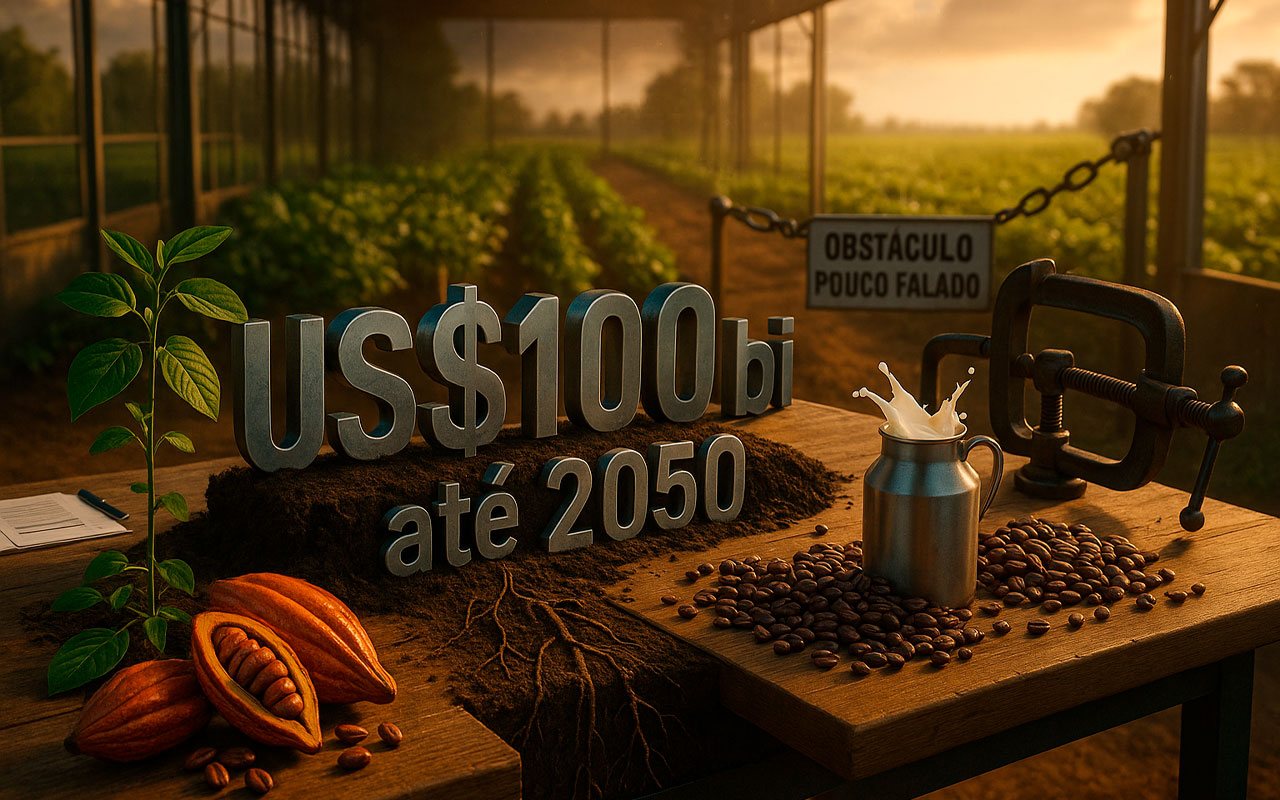


Nestlé, Unilever, Dengo and Mondelēz Announce Targets and Contributions for Soy, Cocoa, Milk, and Coffee, While Studies Point to a Potential of US$ 100 Billion in the Cerrado by 2050; COP30 in Belém Places Brazil at the Center of the Debate.
The term regenerative agriculture has moved from technical jargon to the center of strategies for major food brands. The impetus comes from climate goals, pressure from consumers and investors, in addition to the proximity of COP30, scheduled for November 10 to 21, 2025, in Belém (PA).
In practice, the concept combines techniques already widespread in Brazilian agriculture — such as no-till farming, integrated crop-livestock-forestry (ILPF), and the use of bioinputs — with metrics for carbon, biodiversity, and water. It’s an evolution from “producing with less impact” to regenerating what has been degraded.
The term gained global traction in the 1980s, when Robert Rodale helped popularize the idea of “regenerating, not just sustaining.” In Brazil, the combination of agricultural tradition and science from Embrapa accelerated the adoption of integrated systems with gains in productivity and climate resilience.
-
Bangladeshi Farmers Use Bamboo Levers to Pump Thousands of Liters of Water Daily Without Engines or Electricity

-
Brazilian Forests Could Expand by an Area Twice the Size of Switzerland by 2035, but Agricultural Sector Holds the Key, Study Finds

-
Brazilian Student Develops Solar-Powered Agricultural Machine Capable of Processing 250 Kilograms per Hour

-
Brazilian Farmer’s Viral Video on Onion Prices Opens New Income Opportunities Online


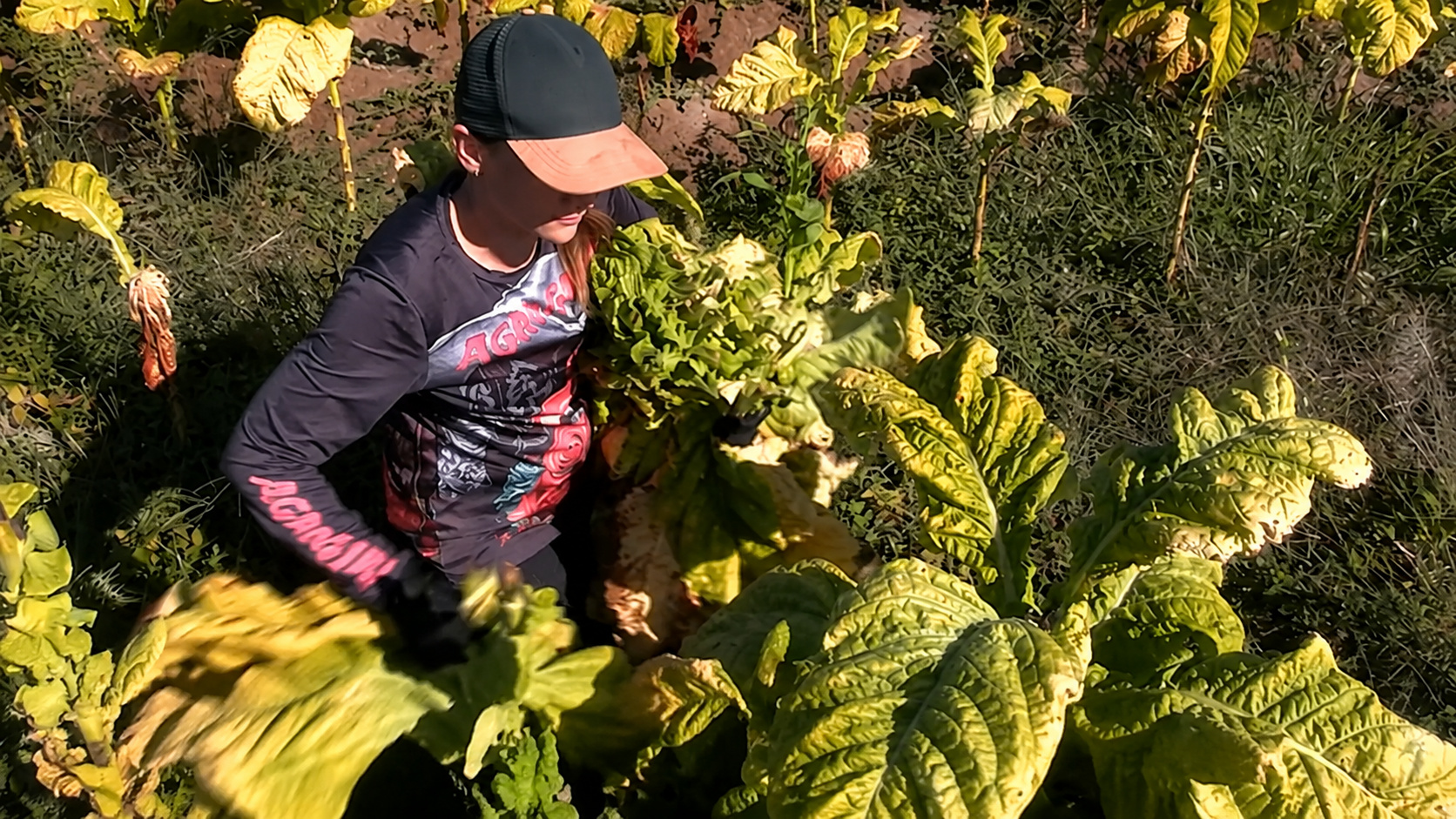
What Is Regenerative Agriculture and Why Has It Gained Momentum on the Eve of COP30
“Regenerate” involves improving soil health, retaining carbon, increasing biodiversity, and optimizing water and nutrients. Techniques like no-till farming protect the soil with cover crops and minimal tillage, while ILPF diversifies production in the same area, combining crops, pastures, and trees. The expected outcome is higher productivity with lower climate risk.
The federal government is also pushing this agenda. The National Bioinputs Program encourages the use of biological substitutes for chemical inputs, and in rural credit, the Safra Plan has introduced lines for pasture recovery and low-carbon practices. This reduces deforestation by utilizing already cleared areas.
With COP30 in Belém, Brazil gains a showcase to present low-emission solutions in agriculture. The event is expected to expand business commitments, partnerships, and financing aimed at regenerative productive landscapes.
The Numbers Supporting the Race, from the Cerrado to Billions in Cocoa and Soy
A study conducted by BCG, in partnership with MAPA, CEBDS, and WBCSD, estimates that adopting regenerative practices on 32.3 million hectares in the Cerrado could generate up to US$ 100 billion in value by 2050, balancing productivity and conservation. This potential helps reposition Brazil as a leader in bioeconomy.
Beyond the economic gain, the focus is on recovering degraded areas, stabilizing carbon stocks, and reducing land use emissions. Progress in the Cerrado, where chains like soy and meat are concentrated, is considered crucial for climate targets and food security.
In cocoa and coffee — chains sensitive to climate — the transition to shaded and agroforestry systems is already showing gains in productivity and income, with companies creating prizes for producers who adopt such practices.
Who Is Putting Money into Regenerative Agriculture Now: Nestlé, Unilever, Dengo, and Mondelēz
Nestlé. The company claims to have exceeded the global target of 30% for raw materials sourced through regenerative practices in Brazil one year early, and reports 41% adoption by the end of 2024. In the Nescafé Origens do Brasil line, the company has obtained carbon neutral certification and maintains a partnership with SOS Mata Atlântica to plant one tree for each package sold.
Unilever. In the Renova Terra project, the company and CJ Selecta announced R$ 32 million for the regenerative transition of soy in the Cerrado, aiming for 45,000 hectares by 2030 — equivalent to 70% to 90% of the soy footprint used by Hellmann’s in Brazil.
Dengo. The chocolate manufacturer operates with 100% of suppliers in agroforestry systems (SAF) since its foundation and estimates sequestering ~60 t of CO₂ per hectare, combining cocoa production with landscape restoration in the Atlantic Forest and Amazon.
Mondelēz. Through the Cocoa Life program, the company has increased its global investment to US$ 1 billion by 2030 and already covers over 90% of the cocoa volume with the program, aiming for 100% by 2025. The focus is on training, income, and reforestation in producing countries — including Brazil.
Little-Discussed Obstacles: What Is Needed to Scale, Metrics, Credit, and Technical Assistance
Experts and investors warn of obstacles, gaps in metrics and divergent definitions of what “regenerative” means, a risk that can open space for greenwashing. Financial sectors and NGOs are demanding standardization of indicators for soil, biodiversity, and emissions to compare projects and release capital at scale.
On the ground, producers are asking for ongoing technical assistance and affordable financing to cover transition costs (cover crops, green fertilization, fencing for rotational management, and forest seedlings). Credit lines for pasture recovery and bioinput programs help, but still do not reach small and medium-sized producers with the needed speed.
Scaling the agenda also involves preferential purchasing and stable price premiums. When brands pay premium prices for grains from regenerative sources, producers tend to stay in the model and spread practices in the region, creating learning networks.
What Changes for Producers and Consumers
For producers, adopting practices such as no-till farming and ILPF tends to reduce costs in the long term (less soil disturbance, better nutrient cycling) and shield crops from droughts and extreme weather events. For the industry, more resilient supply chains mean less supply risk and brands aligned with ESG goals.
For consumers, there may be labels and carbon-neutral lines — as seen with Nescafé Origens — and, in the medium term, a greater offer of products with traceability and embedded restoration. The challenge is to avoid cost pass-through without transparency and ensure that each real invested generates measurable environmental benefits, not just communication.
Overall, Brazil has the chance to lead: applied science in the field, strategic biomes, and major buyers already committed. COP30 could serve as a platform to tie business goals to public indicators and competitive financing, accelerating the shift.
And you, do you believe that these billions will really regenerate the Brazilian countryside or will they serve more as a marketing showcase? Should producers receive higher premiums for regenerative grains? Leave your opinion in the comments and tell how this topic should affect your purchasing habits.


