






 Portuguese
  Spanish


International study released in June 2026 analyzes occupational exposure, residues found in beans, and environmental impacts of intensive coffee farming.
An international report released in June 2026 placed the use of pesticides in global coffee production at the center of a concerning discussion.
Produced by the organization Coffee Watch, the study “Poison in Your Coffee” gathered hundreds of scientific researches.
Chemical residues were identified in the marketed coffee. However, the main alert involves rural workers exposed during cultivation.
-
Quarantine Pest Threatening Palm Trees Puts Brazilian Authorities on Alert, Prompts Monitoring at University of Taubaté and Potential Control Measures Across São Paulo

-
Low-Demand Brazilian Beef Offal Gains Popularity Abroad: Indonesia Purchases $19.5 Million, Boosting Revenue and Reducing Waste
-
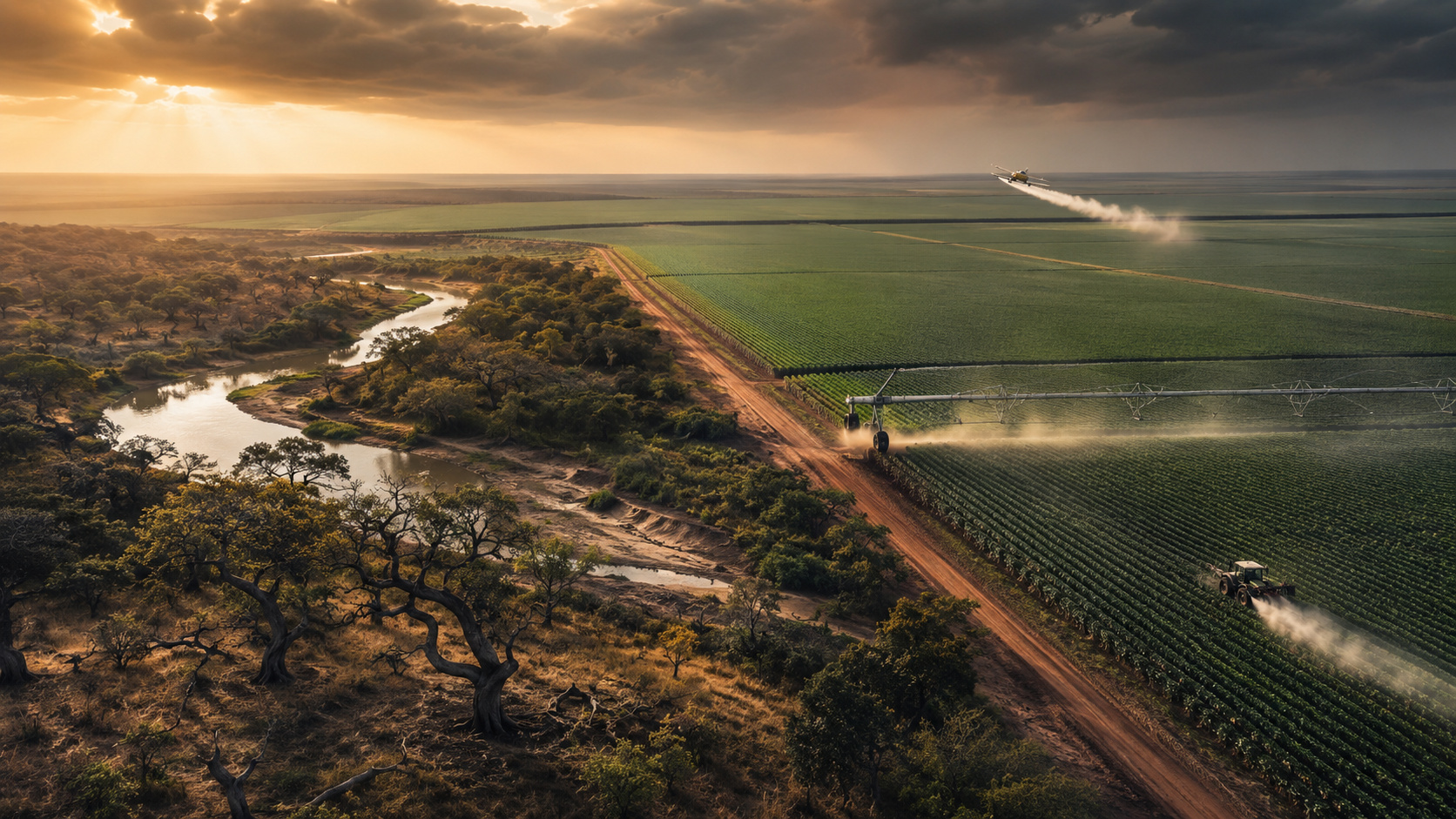
Soy Expansion in Former Brazilian Savanna Sparks Water and Land Conflicts in Major Agricultural Frontier
-
Mexican Pest Threatens U.S. Cattle Herds at Historic Lows, Potentially Boosting Brazilian Beef Exports as Burger Prices Soar



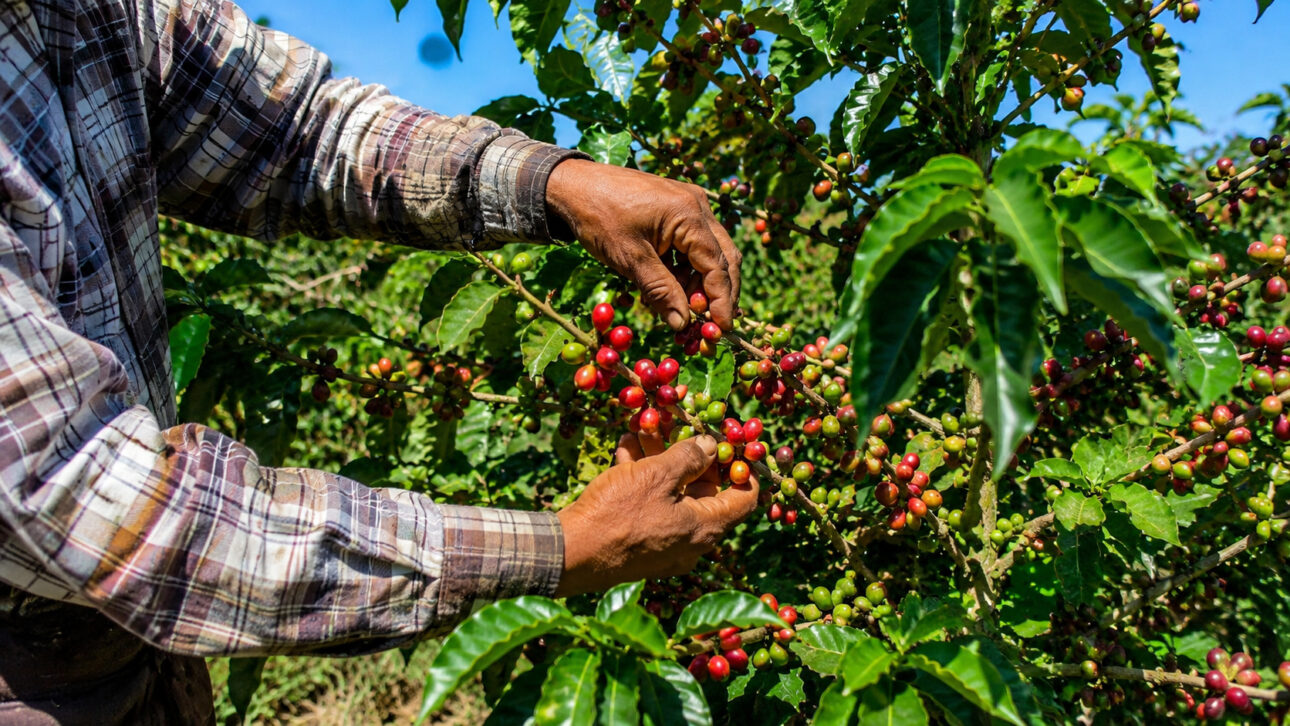
The coffee chain brings together about 25 million producers and approximately 100 million workers in various countries.
Many professionals handle potentially dangerous substances without sufficient training or adequate protective equipment, according to Coffee Watch.
Report identifies 159 substances authorized in coffee farming
The survey identified 159 active substances authorized in the fields of the main producing countries analyzed.
Some of these compounds are classified as potentially carcinogenic, neurotoxic, or harmful to human reproduction.
Data from Coffee Watch indicate that between 59% and 60% of pesticides used in coffee farming are banned in the European Union.
Chlorpyrifos appears among the mentioned products. The European Union banned the substance in 2020 due to possible effects on child neurological development.
Imidacloprid was also mentioned in the report. This insecticide is associated with the decline of important pollinators, especially bees.

Rural workers face the greatest risks
Access to training and protective equipment remains insufficient in many producing regions.
Exposure can cause acute intoxications, accompanied by nausea, vomiting, dizziness, skin irritations, and respiratory problems.
Long-term risks raise even greater concerns among researchers and organizations related to occupational health.
About 14% of the pesticides analyzed are classified as proven or probable carcinogens, according to the report.
Almost two-thirds of the substances evaluated also show potential reproductive toxicity.
Cited research links prolonged exposure to fertility problems, changes in child development, and neurodegenerative diseases, such as Parkinson’s.

Brazil occupies a central position in the international debate
Brazil appears at the center of the discussion for being the largest producer and exporter of coffee in the world.
Studies conducted in coffee-growing regions of Minas Gerais pointed to applications without adequate protection and recurring cases of occupational exposure.
Several pesticides authorized in Brazilian crops are banned in the European Union due to risks to humans and biodiversity.
Residues of dozens of substances were also found in watercourses near the Minas Gerais plantations.
These results have increased concerns about environmental contamination and possible impacts on the supply of local communities.
Coffee Watch links Brazilian production to the approximate loss of 737 thousand hectares of forest cover between 2002 and 2023.
A large part of this reduction occurred in the Cerrado, one of the main agricultural frontiers of the country.
Pesticide residues reach marketed beans
Pesticides led, between 2020 and 2024, the risks recorded by the European rapid alert system for food in the coffee sector.
Data analyzed by PAN Europe showed that 23% of the samples contained pesticide residues banned by European Union legislation.
Different substances were found simultaneously in some of the samples.
The cumulative effects of these combinations, however, are still poorly understood by science.
Certifications do not guarantee pesticide-free coffee
Environmental and social seals can represent important advances in the production chain.
These certifications, however, do not necessarily guarantee the absence of pesticides or adequate conditions for all workers.
The requirements vary among certification systems, making it difficult for consumers to understand.
Sustainable practices can reduce chemical dependency
Agroforestry systems and agroecological practices can significantly reduce the use of pesticides in crops.
These alternatives also preserve biodiversity, improve soil quality, and strengthen crops against climate change.
Organic coffee and other sustainable solutions already exist, according to Coffee Watch.
The main challenge will be to expand these practices and protect workers, consumers, and ecosystems involved in global production.
Should governments, producers, and companies accelerate the reduction of pesticides in coffee cultivation? Share your opinion!


Be the first to react!