






 Portuguese
  Spanish


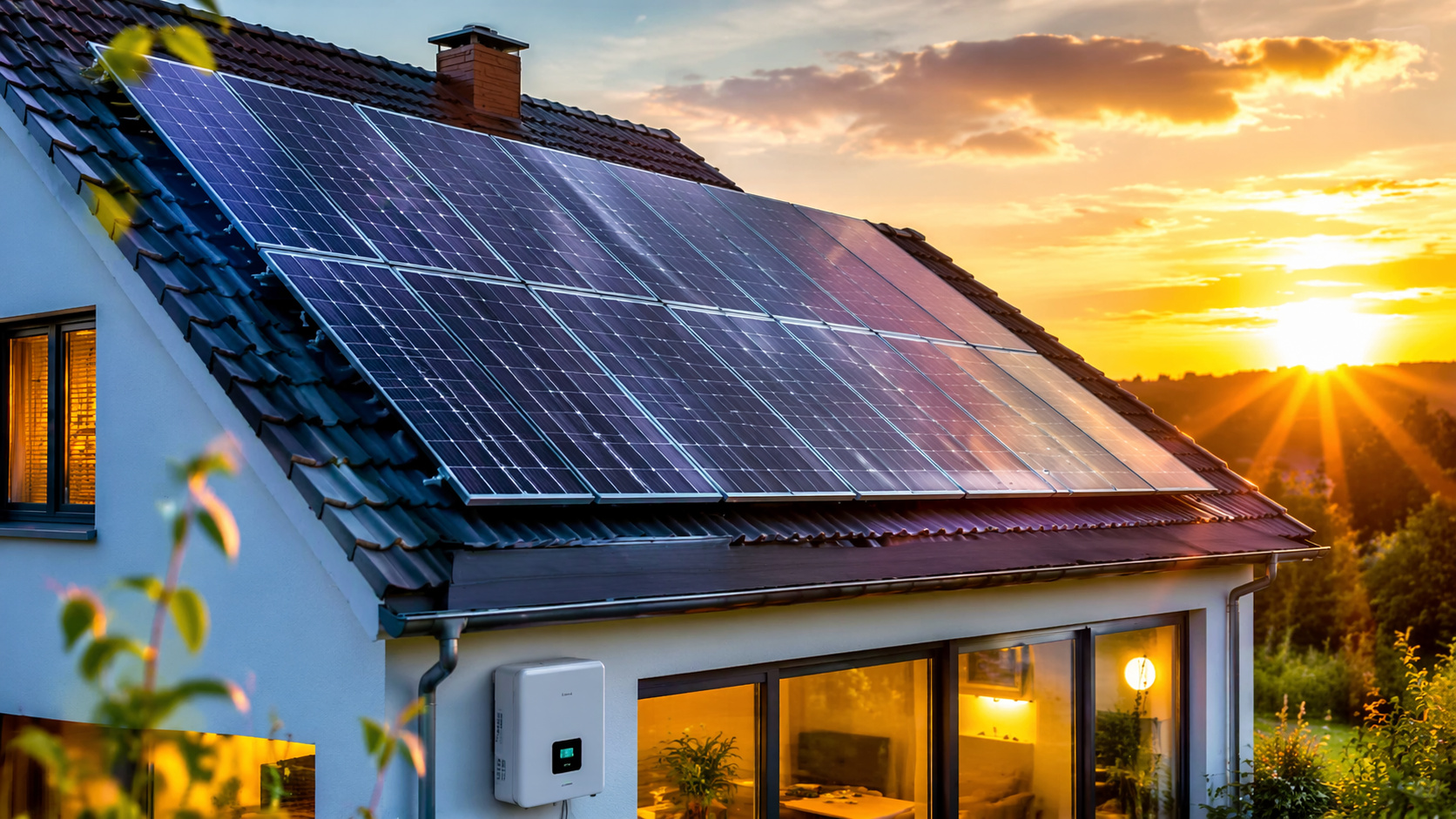
System with solar energy and residential microgrids allows for reducing electricity bills and ensuring autonomy even during power outages
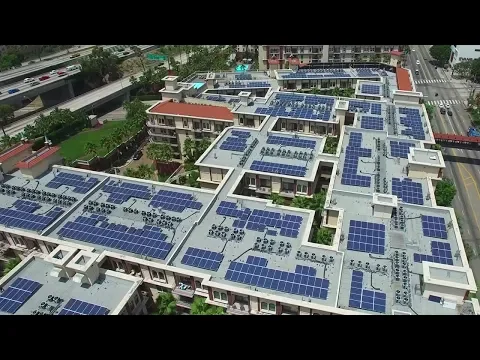
The idea of saying goodbye to a high electricity bill is starting to become a reality with the advancement of residential microgrids. This technology, often installed on rooftops, transforms ordinary homes into systems capable of generating and managing their own energy.
The impact is felt directly in the wallet and daily routine. With self-generated energy and smart storage, the consumption of the electrical grid decreases, and the house can continue to function even when there are supply failures.
Technology transforms homes into small power plants
Residential microgrids function as complete systems within the home itself. They gather equipment that allows for the generation, distribution, and control of energy locally.
-
Brazilian scientists are simultaneously advancing two research projects on clean hydrogen and driving solutions that could transform the energy matrix, enhance industrial competitiveness, and accelerate large-scale emission reduction targets.

-
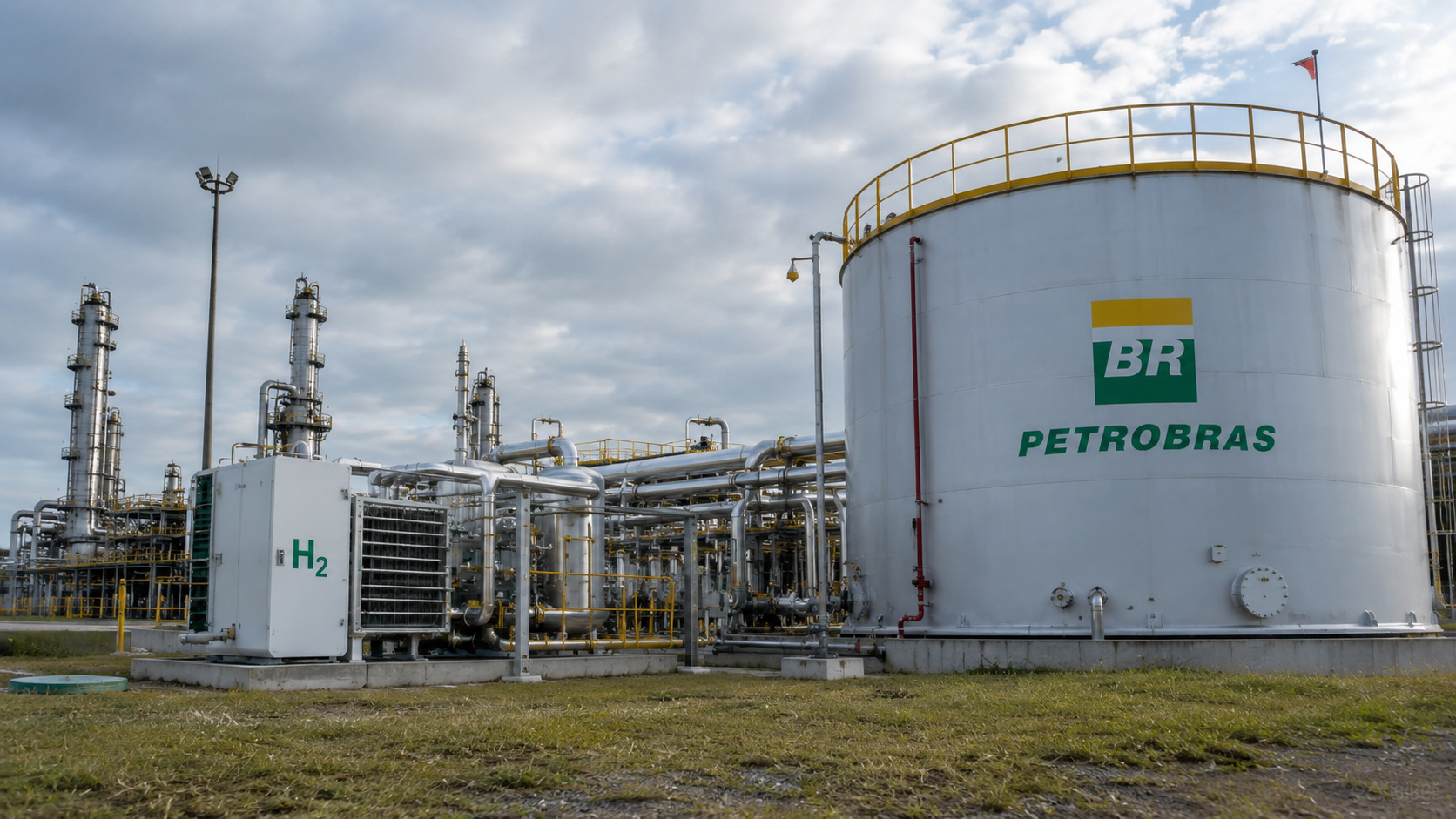
Advancement in renewable energy: A R$ 150 million project launched by Petrobras and Finep aims to create state-of-the-art electrolyzers for green hydrogen, strengthening national research and preparing Brazil to compete in a billion-dollar energy market.
-
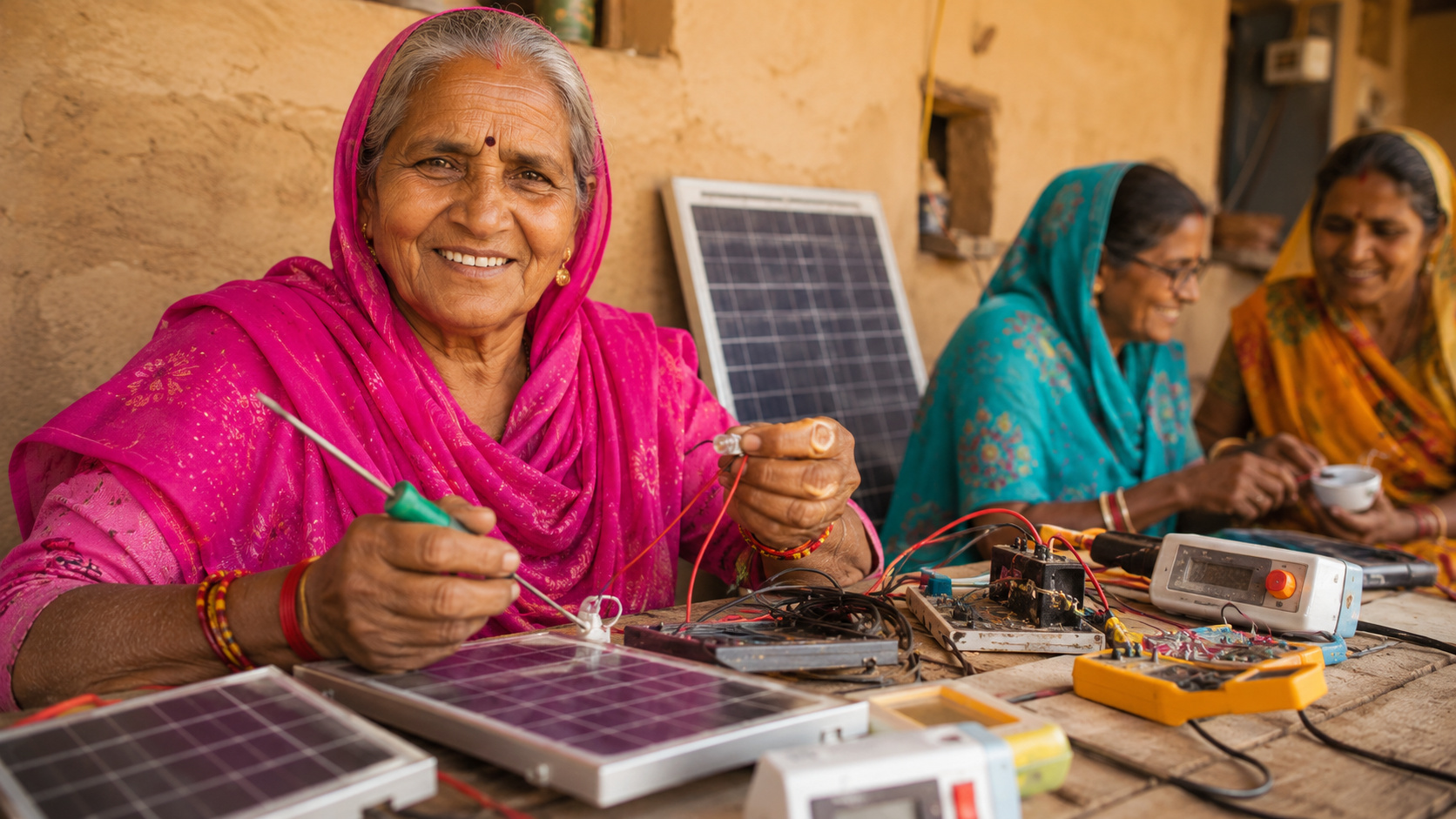
Illiterate or semi-literate grandmothers were trained to repair solar systems, open rural workshops, and light up homes that still depended on kerosene.
-
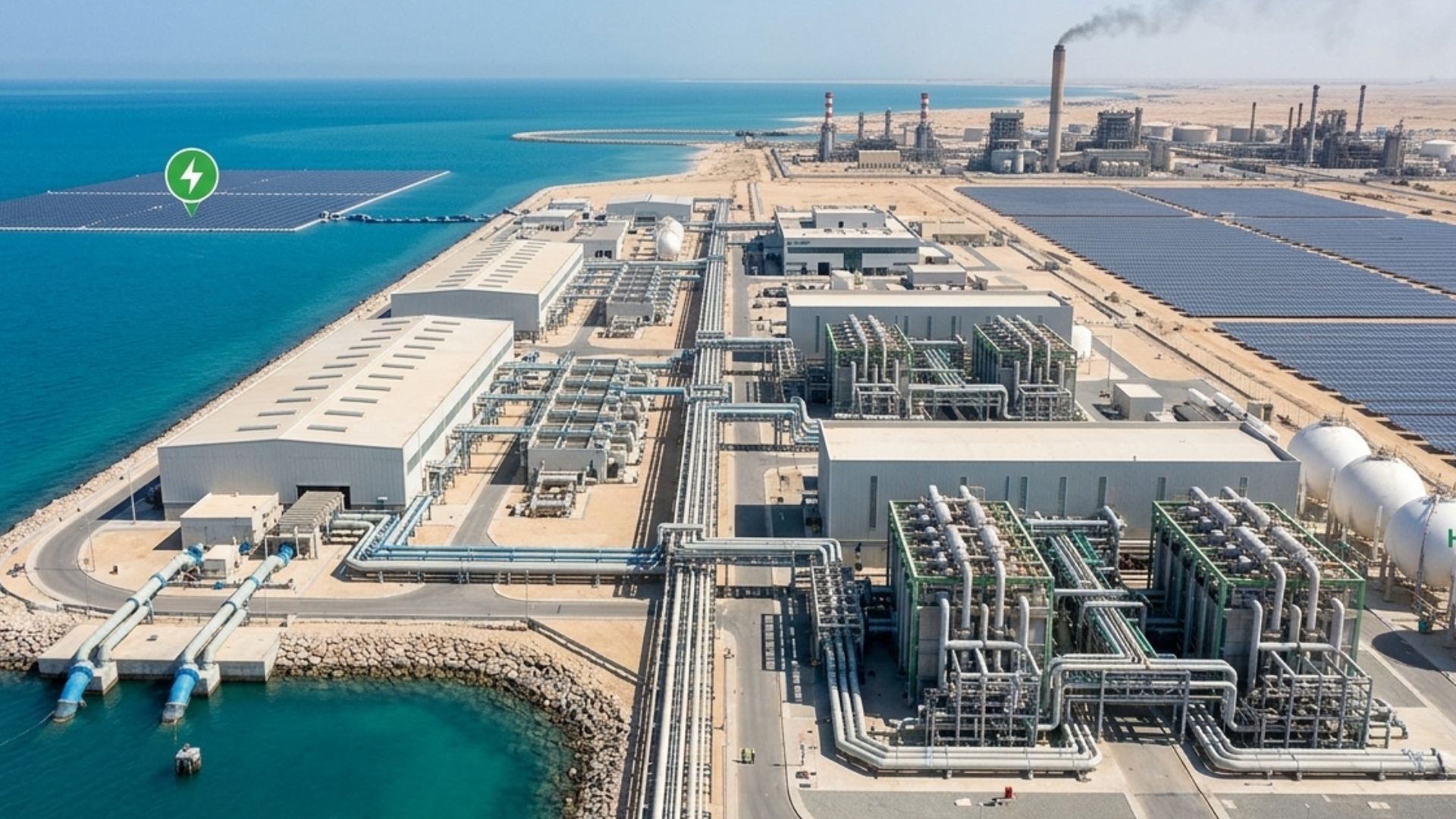
The world has bet on green hydrogen as the fuel of the future, but now faces the side effect: producing 1 kilogram requires about 9 liters of ultrapure water, and the largest projects on the planet are precisely in the driest regions of the Earth, where water is already scarce for people.


The information was released by Idec, a Brazilian consumer protection institute, which detailed how this model is already being applied to reduce dependence on traditional grids. The system can operate connected to the utility or independently.
In practice, the residence starts to act as a mini power plant, producing part or even all of the energy it consumes on a daily basis.
Solar energy on the roof ensures daily electricity production
The main element of these microgrids is solar energy, captured by panels installed on the roof. These devices convert sunlight into electricity throughout the day.
Even without changes in routine, the house begins to generate energy continuously. This process occurs automatically and silently, without the need for constant intervention.
The result is a constant flow of clean energy, which reduces the need to consume electricity from the public grid.
System stores energy and ensures use even at night
Another essential point is battery storage. The energy that remains during the day is not wasted; it is stored for use at other times.
This allows the house to use its own energy at night or during peak consumption times. The system also helps avoid spikes in the electricity bill.
With this feature, the utilization of generated energy becomes much more efficient and continuous.
Idec highlights cost reduction and less energy waste
Idec, the Brazilian consumer protection institute, provided explanations on how local generation reduces electrical losses. Since the energy is produced on the property itself, there is less waste in transportation.
Another direct benefit is the savings on the electricity bill, which occurs progressively. The intelligent system automatically adjusts usage, requiring no effort from the resident.
In addition, controlling consumption improves the use of available energy, avoiding unnecessary expenses.
Houses continue to function even during blackouts
One of the biggest differentiators of microgrids is the ability to keep the house active even without power from the public grid. In situations of power outages, the system can take over the operation.
This autonomy ensures more security and stability for daily life. Essential equipment remains powered, avoiding common inconveniences during blackouts.
The switch between the electrical grid and self-generated energy happens automatically, maintaining a constant supply.

The future points to more independent and economical homes
The trend is that more and more households will adopt this model. The combination of solar energy, batteries, and automation creates an efficient and sustainable system.
As a result, homes cease to be merely consumers and also become producers of energy. This scenario reduces costs and increases energy independence.
The change represents an important advancement in how energy is used within households.
Would you adopt this technology to reduce your electricity bill?
The possibility of generating your own energy, saving every month, and still keeping the house running during blackouts is already within reach for many people.
Would you install such a system in your home to reduce energy costs? Share your opinion and send this content to anyone who also wants to escape high electricity bills.




Be the first to react!