






 Portuguese
  Spanish


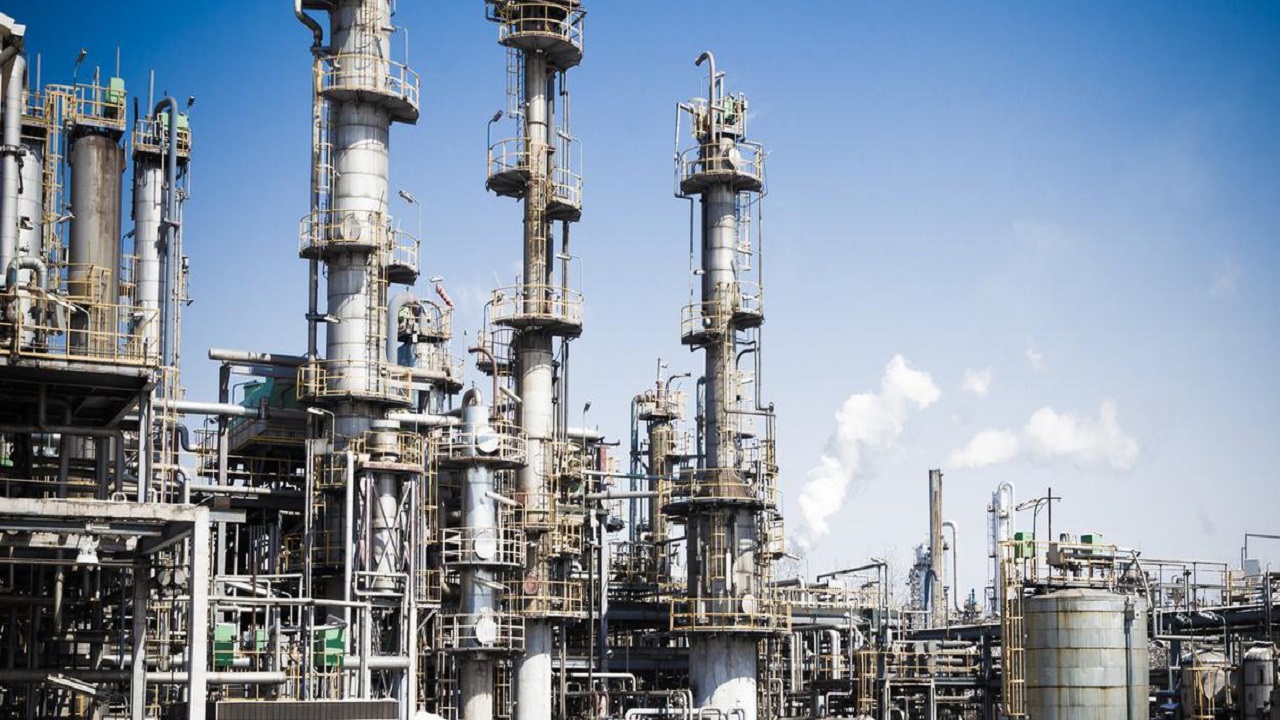

With Tax Benefit Cancellation, Chemical Sector and Other Interconnected Sectors Are at Risk. Chemical Industry Issues Warning for Initial Layoff of 85,000 Jobs After Announcement of Reiq Termination.
On the last Saturday of 2021, President Jair Messias Bolsonaro (PL) issued a Provisional Measure (MP) canceling the Special Regime for the Chemical Industry (Reiq) – a tax benefit granted to the chemical sector since 2013, responsible for reducing recurring PIS and Cofins rates on petrochemical raw materials – in order to compensate for the exemption of income tax payments, which would be allocated to airlines for the leasing of aircraft, running from 2022 to 2023. According to the Federal Government, the additional revenue from the cancellation of the benefit is around R$ 1.4 billion per year. As a result, the chemical sector issued a warning for an initial layoff of 85,000 jobs following the announcement of the termination of Reiq.
Read Other Related News
Consequences After Reiq Termination
If the decision to cancel Reiq is not reversed in Congress, the chemical sector will also have to pass on the prices of raw materials used in the automotive industry, civil construction, pharmaceuticals, and the textile industry.
According to Ciro Marino, the Executive President of the Brazilian Chemical Industry Association (Abiquim), even the syringes used in Covid-19 vaccinations, as well as protective masks and the uniforms of technicians and nurses, which use polypropylene in their manufacturing, will be directly affected if the tax benefit is indeed terminated.
-
Brazilian Executive Takes Helm of Heineken Amid Decline in Sales: 51-Year-Old Has Led Operations Across Four Continents and Managed a $7 Billion Empire

-
Brazilian Actress Turns Waxing Clinic into 400-Unit Chain with $50 Million Revenue, Sells Stake After 13 Years
-
Major Company Shuts Down 70-Year-Old Factory in Brazil, Relocating Production and Impacting Over 100 Families
-
Toyota Shuts Down Brazilian Plant After Producing Over 1 Million Vehicles, Plans Special Destination for Final Corolla Produced Following $2.1 Billion Investment and Expansion.


The amendment made by the Federal Government to the MP took the chemical sector by surprise, as the topic had already been discussed in Congress in 2021, where the final decision was to maintain Reiq at least until 2025. Abiquim reported that this decision challenges the National Congress and brings legal uncertainty to the business environment.
Marino also emphasized the issues of competitiveness in the national chemical industry, which currently imports about 50% of chemical components, whereas ideally, it should only import between 20% and 25%. The Executive President of Abiquim concluded his remarks by stating that if this situation is not reversed in Congress, the chemical sector will seek legal action.
Chemical Sector Faces Mass Layoff Threat After Federal Government Decision
According to a study conducted by the Getulio Vargas Foundation (FGV) at the request of Abiquim, the termination of Reiq will result in the layoff of 85,000 workers in the chemical sector, in addition to a loss of revenue of R$ 3.2 billion.
Furthermore, there will also be a sharp decline in the Gross Domestic Product (GDP), around R$ 5.5 billion, not to mention the jeopardization of industrial units in Brazil, affecting over 20 chemical industries, including the significant Braskem. The study commissioned by Abiquim makes it clear that, regardless of the scenario, there will be a net loss of revenue.
Conclusion of FGV Study and Important Alert from Abiquim
All estimates from the FGV study take into account the degree of impact on the value chain and other sectors linked to the chemical sector following the Federal Government’s decision, as well as the effect of the removal of the 3.65% tax benefit on essential raw materials.
Finally, Abiquim warns that the cancellation of Reiq is a grave mistake that will soon have significant impacts on all production sectors, not just the chemical industry. The MP needs to be re-evaluated by the National Congress within 90 days.


