






 Portuguese
  Spanish
  4 min of reading
  5 comments


Railway With R$ 15 Billion in Investments and Promise of 5 Thousand Jobs Aims to Boost the Northeast. However, Financial and Logistical Challenges Cast Doubt on the Deadline for Completion. If Completed, the Project Could Revolutionize the Regional Economy.
One of the most ambitious projects in Brazil’s recent history is about to redefine the economic and social directions of the Northeast.
With an impressive budget of R$ 15 billion and the promise of generating 5 thousand direct jobs, the Transnordestina Railway is seen as the great solution for the transportation of grains, minerals, and other strategic products from the region.
According to information from the Ministry of Transport, the construction, which is currently 63% complete, is expected to be finished by 2026.
-
Not even Trump convinces the market: U.S. companies state that Brazil has no substitute, pressure Washington against the 25% tariff, and warn that the measure could raise prices, cause layoffs, delay projects, and harm sectors that depend on stones, wood, seeds, and other Brazilian products.

-
It’s not just Bolsa Família: CadÚnico can provide access to seven little-known benefits, including cheaper electricity bills, free interstate travel, microcredit, cisterns, popular phone service, and exemption from fees in public exams and the Enem.
-
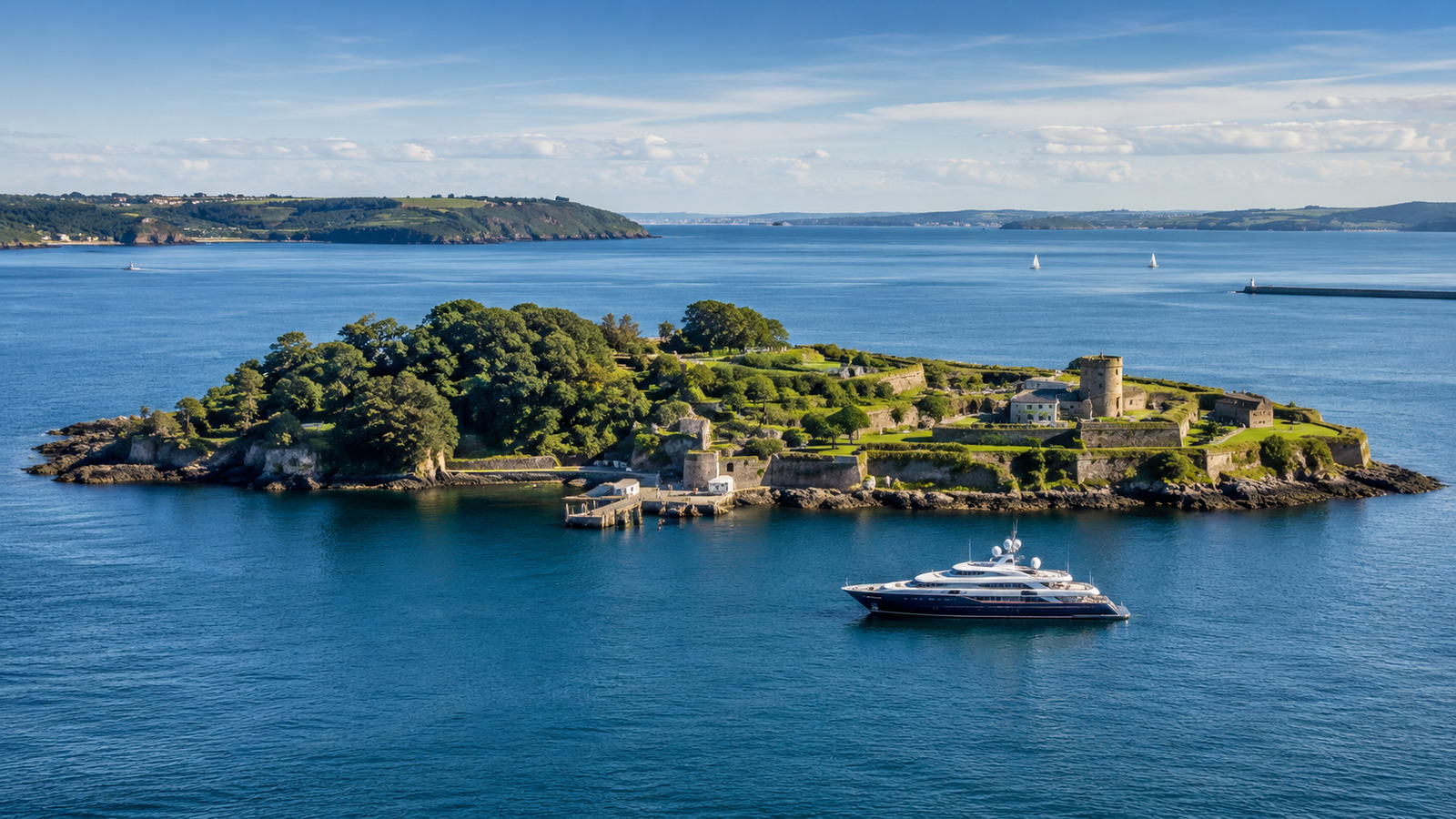
Boxer with a fortune of £162 million, Tyson Fury wants to spend £6 million on a private 6.5-acre island to dock his £42 million superyacht near a naval base in the UK.

-
Change in INSS reduces waiting time from 45 to 30 days, prioritizes pensions, revisions, and BPC, and could expedite over 100,000 stalled processes, while employees receive productivity bonuses and the government attempts to reduce a backlog that still exceeds 2.1 million requests.



In order for this to happen, revealed the CNN Brazil website this week, the project will require an additional investment of R$ 3.6 billion, funded through credit from the Northeast Development Fund (FDNE), from the Northeast Bank.
With a length of 1,757 kilometers, the railway promises to connect Eliseu Martins in Piauí to the Port of Pecém in Ceará, passing through Salgueiro in Pernambuco.
The division of the project foresees two main sections. One of them, with 1,209 kilometers, will connect Piauí to Ceará, while another 548 kilometers will form the branch that goes to the Port of Suape in Pernambuco.
Despite the pace of the construction, which resumed in 2023 after a series of setbacks, the project has already consumed R$ 7.1 billion but still requires efforts to meet the deadlines.
This infrastructure is seen as strategic not only for the Northeast but for Brazil as a whole.
According to experts, the Transnordestina will play an essential role in the evacuation of products from the region known as Matopiba, which encompasses Maranhão, Tocantins, Piauí, and Bahia.
Grains, fertilizers, cement, and even fuels will have a more efficient route to external markets, reducing logistical costs and increasing the competitiveness of Brazilian agribusiness.
Despite the great transformative potential, the project faces logistical and financial challenges that cast doubt on its completion within the established timeframe.
Business leaders and local authorities express concern over the slow progress of some sections, especially in Piauí.
Still, the Ministry of Transport maintains the delivery forecast for 2026, with the expectation that some operations might begin in 2025.
Economic Potential and Regional Impact
The Transnordestina Railway, if finalized according to the schedule, promises to revolutionize the economy of the Northeast.
Studies indicate that the project could add up to R$ 7 billion annually to the region’s GDP, a significant impact on states historically marginalized in the national economic landscape.
Cities like Iguatu, Quixeramobim, and Quixadá in Ceará are already feeling the first signs of transformation.
The proximity to the railway has stimulated new businesses and attracted investors, increasing expectations for local economic growth.
This projection is reinforced by the strategic position of the project, connecting the northeastern interior to important ports, facilitating international trade.
Additionally, the qualification of the local workforce has been one of the pillars of the project, with the “Qualifica PAC” program training workers, especially beneficiaries of the Bolsa Família, to meet the demands of the construction.
According to Minister Wellington Dias, this initiative aims to align economic development with social inclusion, expanding opportunities for communities that have historically faced challenges in accessing the job market.
Challenges That Threaten the Schedule
Although optimism is high, infrastructure problems, delays in specific sections, and the high cost of the project continue to create uncertainties.
The additional R$ 3.6 billion, though crucial, may not be sufficient if new unforeseen issues arise.
Moreover, the complexity of integrating 1,757 kilometers of railway in a region with a history of structural deficiencies poses significant risks.
Another concern for experts is logistical execution. The project’s length requires efficient management and rigorous planning to avoid bottlenecks, especially in areas where the terrain and climate hinder progress.
Transnordestina: Strategic Connection for Brazil
Despite the challenges, the significance of the Transnordestina for Brazil is undeniable.
The railway will play a fundamental role in the integration between Matopiba and the Northeast ports, making the transportation of goods faster and more efficient.
This strategic connection could consolidate the region as a logistics hub, attracting investments and boosting sectors such as agribusiness and mining.
According to project data, the rail transport is up to 30% cheaper than road transport, which could lead to significant savings for exporters and strengthen the competitiveness of Brazilian products in the international market.
Expectations for the Future
If the challenges are overcome, the Transnordestina Railway could represent a historic turning point for the Northeast.
In addition to improving transportation infrastructure, the project has the potential to reduce regional inequalities, creating job opportunities and promoting sustainable growth.
But will the project fulfill all the promises made? With a tight schedule and a series of obstacles ahead, the future of the Transnordestina remains uncertain.
Will the project indeed be the solution that the Northeast so desperately needs, or will it join the long list of unfinished projects in the country?
Do you believe that the Transnordestina Railway will be delivered on time and transform the Northeast, or do you consider this project yet another difficult promise to fulfill?





A obra da roubalheira **** e seus asseclas.
Sobre Ferrovia Transnordestina é bonito e importante para a Região, o Problema é o desvio de dinheiro, que é a especialidade deste governo, às obras não termina…
Notícia desatualizada e mentirosa, a obra n parou nos últimos 6 anos, e n irá mãos até suave, foi entregue à União o trecho de salgueiro-suape, só esta sendo feito o trecho até pecem, o dinheiro que a União disse que entregaria, a primeira parcela de 1 bi n será mais entregue, será repassado apenas 400 milhoes no dia 31/12