Portuguese
  Spanish


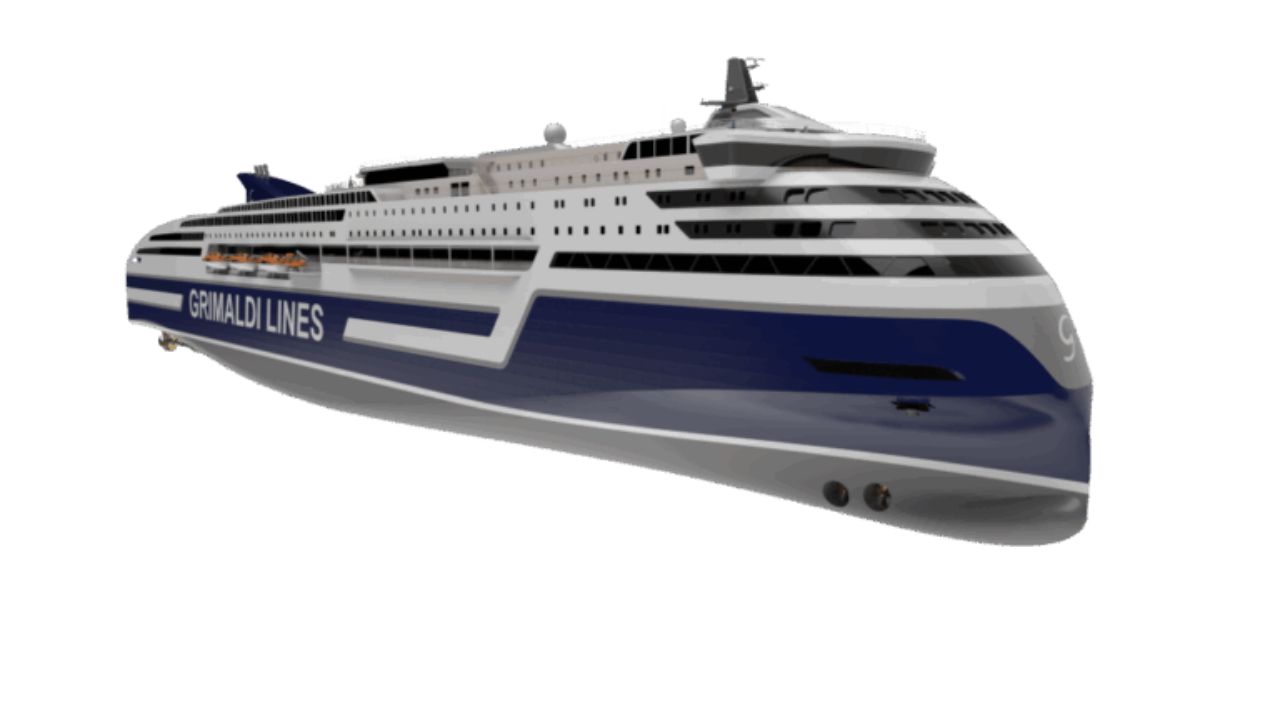

Finnish Company Will Develop The Design Of Six Vessels That Will Be The First In The Mediterranean Designed For Alternative Fuel, Strengthening The Bet On Sustainable Ships.
The shipyard China Merchants Jinling Shipyard (Weihai) has contracted the Finnish maritime engineering company Deltamarin. The goal is to design six new passenger and cargo (Ro-Pax) ships ready for methanol. The order was placed by the Italian shipping group Grimaldi.
Strategic Agreement For The Construction Of Innovative Ships
Deltamarin confirmed the design and engineering contract on June 24. The company will be responsible for the basic and detailed design of the ships. These vessels are part of the “Next Generation Med” class, ordered by Grimaldi in April of this year. Design work will begin immediately at Deltamarin.
Deadlines And Operation Of New Ships In The Mediterranean
The delivery of the ships is scheduled to take place between 2028 and 2030. The six ships will be deployed on major Mediterranean routes. They will operate under the Grimaldi Lines and Minoan Lines brands. Four of the vessels will be operated by Grimaldi Lines under the Italian flag. The other two will be registered under the Greek flag for operation by Minoan Lines, a subsidiary of Grimaldi.
-
The U.S. Navy Conducts Submarine Tests in Idaho Lake to Detect Underwater Noises Hidden by the Ocean

-
Nuclear Submarine USS Alexandria Retired After 35 Years, Having Completed Over 1 Million Miles in Missions

-
MODEC Introduces New Hull Design for FPSO Gato do Mato to Produce Up to 120,000 Barrels of Oil Per Day in Brazil’s Pre-Salt Region
-
This Massive 12-Meter, 21-Ton Underwater Drone Can Operate Autonomously for Up to Five Days


Technical Specifications And Capacity Of Future Ships
Each of the new vessels will be 229 meters long. The cargo capacity will be 3,300 meters of lane for rolling vehicles. There will also be space for more than 300 passenger vehicles. The total capacity of each of these ships will be up to 2,500 passengers.
Pioneering In Sustainability
The new ships will be powered by engines capable of operating on methanol. This makes them the first ships in the Mediterranean designed specifically for this alternative fuel. The design includes additional green technologies. Among them are shore power readiness, silicone-based hull coatings, and optimized hull and propeller designs. Advanced onboard energy management systems will also be utilized. Grimaldi expects these features will reduce CO2 emissions per unit of cargo by over 50% compared to current ships.
Expansion Of Partnership And Previous Projects For The Grimaldi Group
Earlier this year, Deltamarin had already been contracted by the same Chinese shipyard. At that time, the project was for a trio of new Ro-Pax ships. These vessels also form part of Grimaldi’s methanol-ready fleet order. The trio, operated by Finnlines of the Grimaldi Group, will serve a route in the Baltic Sea between Finland and Germany.