Portuguese
  Spanish


Hair takes center stage in a new phase of female hair surgery, with a no-shave technique that attracts women for its discretion, rapid recovery, and the promise of restoring density and naturalness in the face of hair loss.
Hair has become one of the main focuses of the new wave of hair transplants among women, driven by the increased demand for effective solutions against hair loss and the evolution of less invasive techniques. Among these, the no-shave hair implant stands out for preserving hair length, allowing an almost immediate return to routine, and reducing resistance from patients who do not want to undergo visible changes during treatment.
The topic draws attention because female hair loss is no longer seen merely as an aesthetic issue but is also addressed due to the emotional weight it carries. According to Dr. Alan Wells, president of the Brazilian Society of Hair Surgery, the advancement of hair surgery among women is linked both to greater awareness of effective solutions and to technical evolution that now delivers more natural and discreet results.
Why hair loss has led more women to hair surgery

The high demand for hair transplants among women is directly related to the impact that hair loss has on self-esteem, confidence, and even social and professional life. The problem, according to the basis, does not usually arise for a single reason. In many cases, it appears as a result of multiple factors affecting the scalp and hair health simultaneously.
-
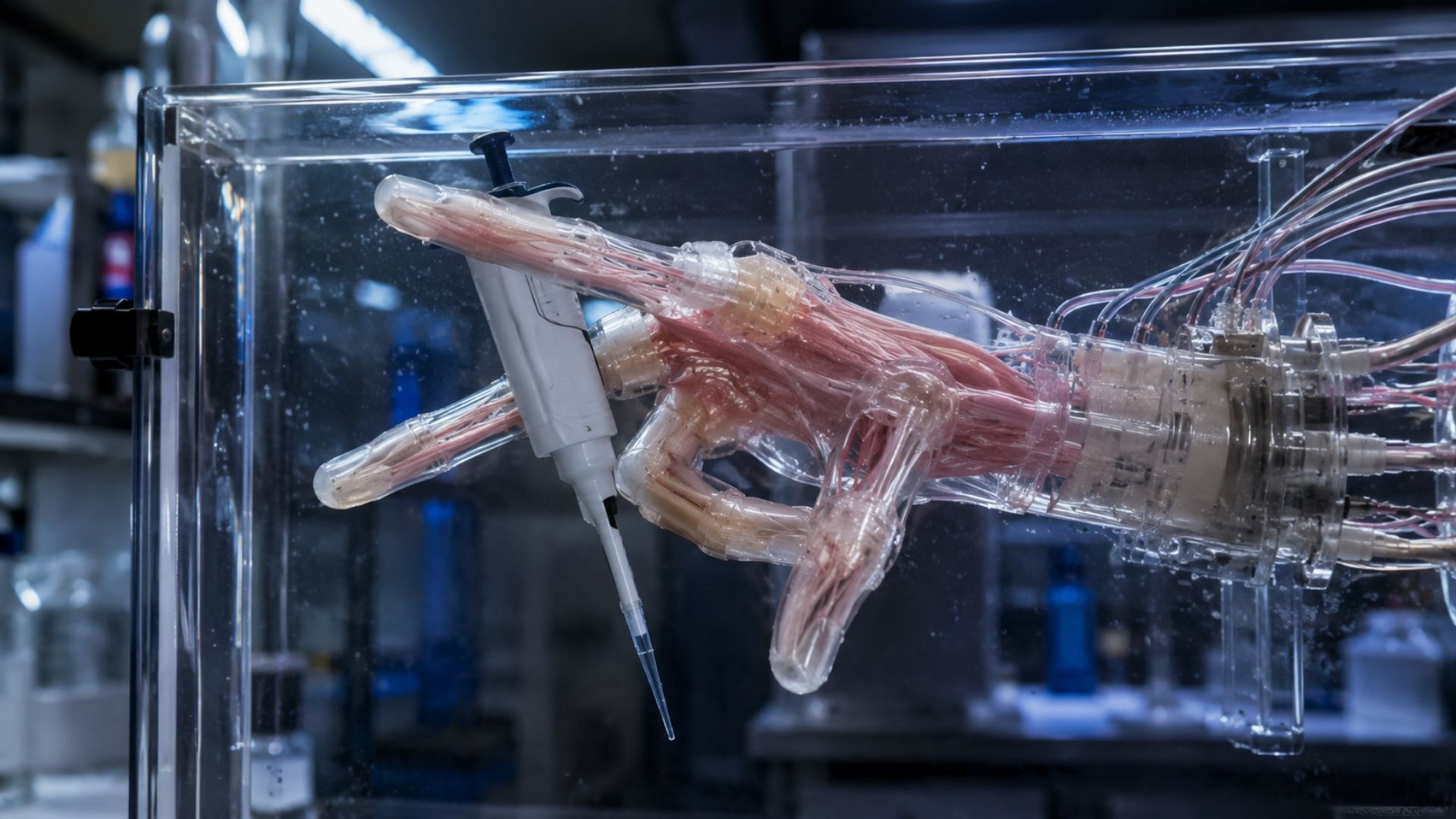
Tokyo Scientists Create First 18cm Biohybrid Hand Using Human Muscle, Capable of Scissor Gesture and Holding a Pipette

-
Brazil Faces Norway in World Cup at Stadium Linked to Jimmy Hoffa’s Mysterious Disappearance

-
Retired Woman Leaves French Public Housing Due to Fear, Lives in Van for Weeks, Prompting Response from Local Authorities and a Priest
-
9-Year-Old Fabio Isaac Wins Gold at Copernicus Math Olympiad in Singapore, Representing Peru Against Global Young Talents



Among the most common causes is female androgenetic alopecia, of genetic and hormonal origin, which causes progressive hair thinning. Also included in this scenario are factors such as physical or emotional stress, hormonal changes, especially during menopause, nutritional deficiencies, such as lack of iron and vitamins, in addition to thyroid diseases.
What makes the no-shave hair technique so appealing
The no-shave transplant gained ground precisely by responding to a demand that is very important for women: treating hair loss without drastically altering appearance during the process. Unlike the traditional method, this technique preserves hair length and avoids obvious signs immediately after the procedure.
In practice, this changes the perception of the surgery. Instead of being seen as an aggressive process with immediate visual impact, the technique has become associated with naturalness, discretion, and continuity of routine. This is one of the factors that, according to Alan Wells, helps reduce patient resistance and makes the procedure more accepted.
How the no-shave hair implant works
The method dispenses with complete shaving of the areas involved in the procedure. In the traditional model, it is usually necessary to shave both the donor area of the hair follicles and the region that will receive them. In the no-shave hair transplant, the length of the strands is maintained, which better preserves the patient’s appearance.
This characteristic allows for a return practically the next day, without visible marks that would reveal the procedure. Furthermore, the technique facilitates a result closer to the natural hair lines, better respecting the original density and style of each woman.
Why the technique requires more precision from the surgeon
Although it is less invasive and more discreet, the procedure requires a high technical level. According to Alan Wells, the technique is advanced and depends on the surgeon’s experience to precisely identify the follicles and safely conduct the extraction and implant.
This detail is decisive because the aesthetic gain is directly linked to the execution. When well done, the surgery manages to combine immediate discretion and naturalness in the result. Therefore, the advancement of the method is also related to the evolution of the specialty and the preparation of the teams that perform this type of intervention.
What changes in practice for women undergoing the procedure
The main practical gain lies in recovery and reduced visual impact. Since the hair does not need to be shaved, the patient can return to her routine more quickly and with less exposure. This is especially important for those who work, have an active social life, or do not want to reveal that they have undergone hair surgery.
Another important point is the emotional effect. For many women, the possibility of treating hair loss without having to face a radical visual transformation during recovery makes the decision more comfortable. The procedure ceases to be merely a medical intervention and also functions as a solution that respects the patient’s image and identity.
When shaving hair may still be the best option
Despite the advancement of the technique, it is not suitable for all cases. The basis makes it clear that, in cases of very advanced baldness, shaving part of the hair may still be the best strategy. In these situations, the extent of the area to be treated may require a different surgical approach.
This shows that unshaven hair transplantation does not eliminate the need for careful medical evaluation. Before indicating the best path, it is necessary to understand the cause of hair loss, the degree of the condition, and the area that needs to be restored. Correct diagnosis remains the first step in treatment.
The numbers that explain rapid recovery and low risk
The basis indicates that the patient can return to light activities in one to two days. Complete recovery usually occurs in seven to ten days. These timelines help to understand why the technique has gained so much strength as one of the main bets in female hair surgery.
Another important piece of data is the safety profile of the procedure. Being less invasive, the intervention presents a low incidence of complications and almost no risk. Local inflammations and transient loss of native hairs are described as rare and avoidable cases when the surgery is performed in an appropriate environment by an experienced team.
Why Brazil has gained prominence in this area
Brazil has attracted attention in the application of the technique, especially due to the level of naturalness achieved in the procedures. According to the basis, the use of surgical loupes and greater hair extraction are among the steps performed by most Brazilian specialists, which reinforces the country’s prominence in this field.
This recognition strengthens the perception that female hair surgery is experiencing a phase of sophistication. What was once viewed with apprehension for appearing artificial is now associated with technical refinement and results closer to the original appearance of the hair.
What this advancement represents for the future of female hair surgery
In Alan Wells’ assessment, unshaven hair surgery is not just an alternative, but a representation of the future of the specialty. This is because the procedure responds exactly to what the modern patient seeks: naturalness, discretion, and safety.
This point summarizes why the technique has gained so much strength. It is not limited to solving hair loss, but also accompanies a change in patient expectations. The procedure needs to work well, look natural, and interfere as little as possible with daily routine. It is precisely this combination that has transformed the technique into one of the main bets in female hair surgery.
Would you undergo an unshaven hair transplant if it allowed you to recover your hair with more discretion and a quick return to your routine?