






 Portuguese
  Spanish
  3 min of reading


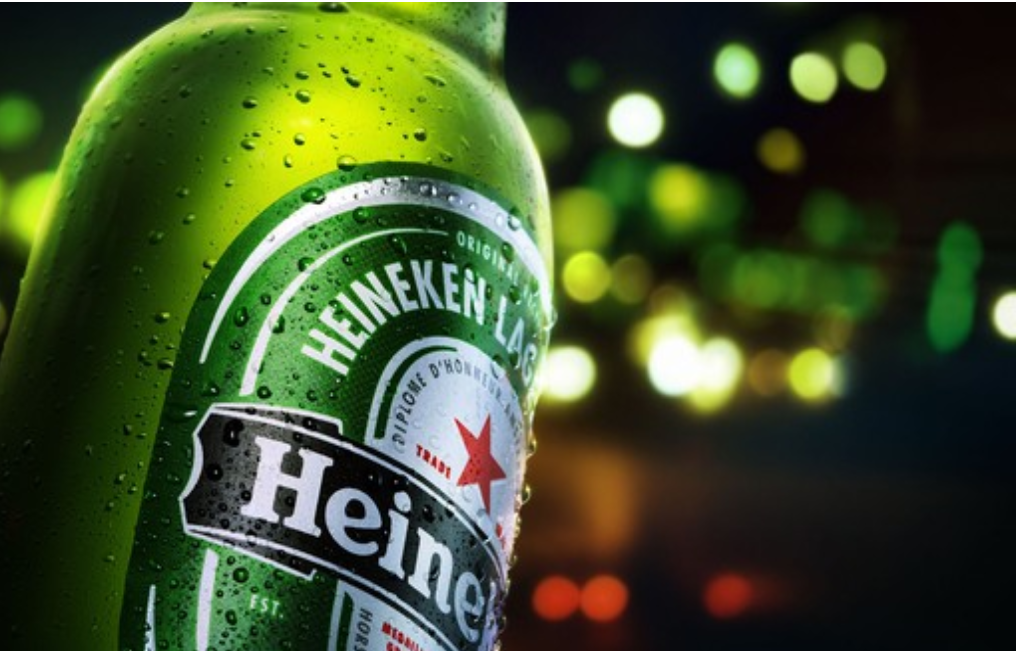
The Dutch Multinational Heineken Will Donate R$ 4.5 Million, Which Was Meant for Rock in Rio, for the Construction of an Oxygen Plant
Heineken, a leading multinational in beer manufacturing, will donate part of the investment originally allocated for Rock in Rio to build an oxygen plant in hospitals in Brazil. In partnership with BNDES, both will donate R$ 4.5 million to the project called “Saving Lives.” The donated funds were intended for the rock festival; however, with the worsening of the pandemic, the event was canceled and postponed to 2022.
Investments in the Construction of an Oxygen Plant
Maurício Giamellaro, CEO of the Heineken Group in Brazil, says that we are all going through a difficult moment, which requires an effort of partnerships, whether public or private, to overcome the situation of the pandemic with minimal impacts. According to him, Heineken, which is a well-accepted brand in the Brazilian market, could not fail to contribute in some way during this tough time, and thus the company is working towards the construction of an oxygen plant.
The partnership with the National Bank for Economic and Social Development – BNDES, is part of the agency’s project “Saving Lives”, which is a matching platform where donations from civil society or private institutions are doubled. The cooperation with Heineken in the healthcare system will invest a total of 9 million reais.
-
In Matopiba, soybeans have replaced rice and beans, and traditional Cerrado communities that used to grow their own food now have to buy it, while pesticides from neighboring farms reach the springs.

-
Coal mine purchased for $2 million in Wyoming, the Brook Mine holds rare earth elements and critical minerals estimated at up to $37 billion, in an asset that the US is competing for with China.
-
In the year Brazil won the World Cup, gasoline cost R$ 1.77, the cheapest car was worth R$ 13,000, there were no flex-fuel cars, SUVs were rare, and no Chinese brand sold a single vehicle in the country.
-
Neighboring Balneário Camboriú will receive a R$ 1 billion airport with 225 hangars, an area of 2.2 million m², a technology park, and an export zone that promises to transform the economy and generate thousands of jobs.


Heineken Has Job Opportunities for Helpers
The Dutch multinational Heineken has called for candidates with elementary education seeking formal positions in Rio de Janeiro to fill 93 delivery assistant openings.
Selected candidates by Heineken will receive the following benefits: A salary range compatible with the market; medical and dental assistance; partnerships with partner companies; meal vouchers; transportation vouchers, and others.
Prerequisites to apply for the Heineken job opening: Instruct the driver to perform simulations to eliminate accident risks, simplifying the process; Ensure the quality and integrity of the delivered products through proper handling of items; Use personal protective equipment correctly to ensure physical integrity; maintain personal appearance and hygiene to uphold the company’s image; Contribute to the maintenance and conservation of vehicles to ensure the fleet’s upkeep and image; Value good relationships with internal and external customers, focusing on service delivery and ensuring the quality of services provided. Click here to access Heineken’s full article.
Port of Açu May Have the Construction of a Hydrogen Plant
Under the control of Prumo Logística, Port of Açu and Fortescue Future Industries have signed a memorandum of understanding to study the feasibility of constructing a 300-megawatt (MW) green hydrogen plant on-site. The document also includes other solar and wind energy projects in the states of Rio de Janeiro and Espírito Santo.
The Australian mining company Fortescue, owner of Fortescue Future Industries, plans to construct a green hydrogen plant in Brazil to achieve carbon neutrality goals. The availability of green hydrogen and renewable energy will further promote the sustainable industrialization of Port of Açu.
According to the terms of the memorandum for construction, the hydrogen plant’s production will be used to generate 250 thousand tons of ammonia per year, widely used in the agricultural fertilizer sector. The president of Açu, José Firmo, stated in a joint interview that the hydrogen plant itself will be powered by wind and solar projects. Access the full article here.



Be the first to react!