






 Portuguese
  Spanish
  5 min of reading
  0 comments


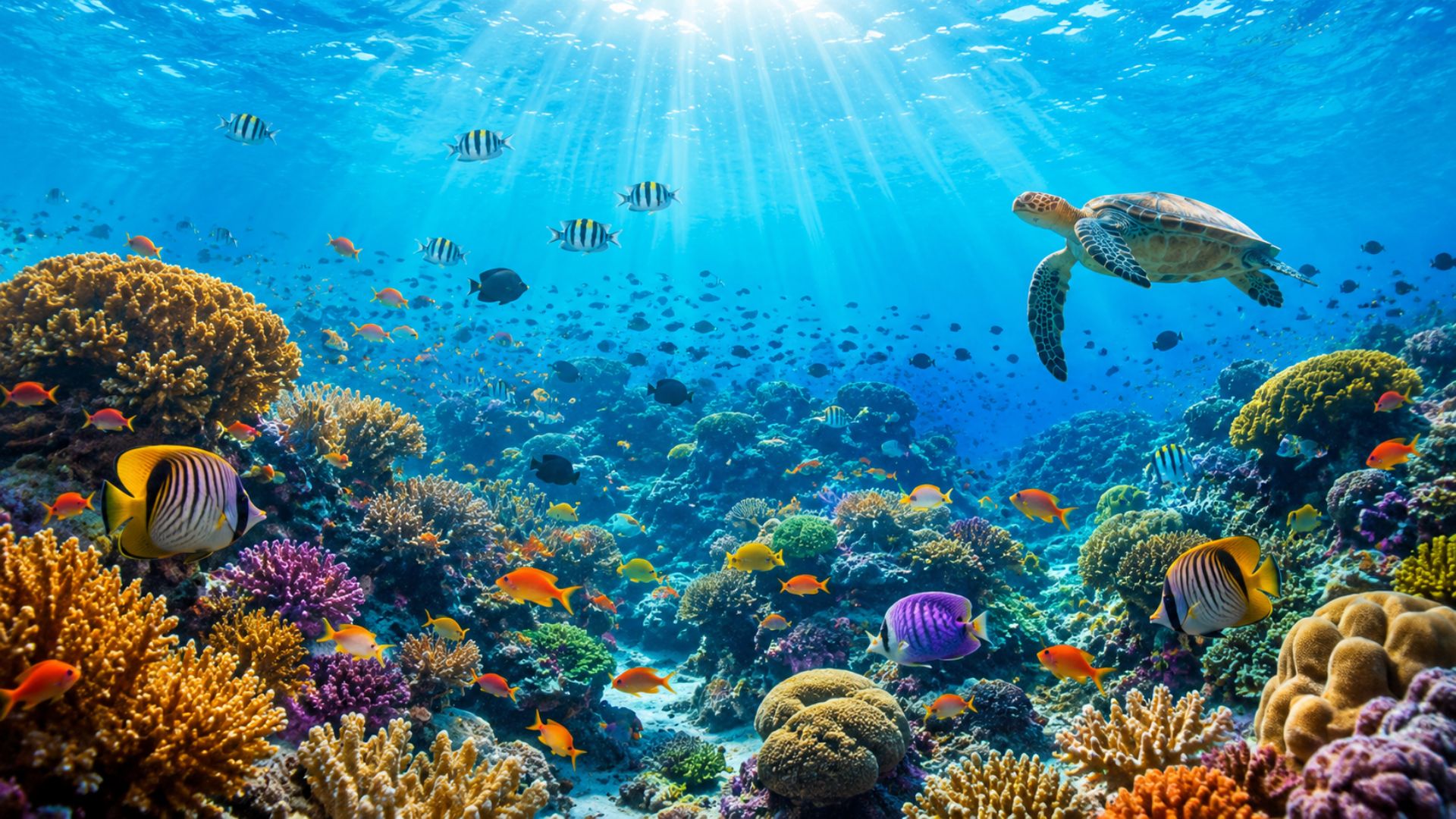
At a conference in Kenya, over 100 countries pledged $6.4 billion to save the oceans, with money for conservation, blue economy, and sustainable fishing. The amount is a record, but much of the promises had already been announced before, and history shows that turning investment into a healthy sea is the real challenge.
The oceans cover more than 70% of the planet, regulate the climate, and feed billions of people, but they have been declining due to warming, pollution, and predatory fishing. It was to try to halt this collapse that world leaders gathered in June 2026 in Mombasa, Kenya, and announced a historic investment of $6.4 billion in actions to protect the sea. The figure is impressive, and so is the location: it was the first time that the Our Ocean Conference, the main global meeting on the topic, took place on African soil.
But, as with almost every billion-dollar environmental promise, the announcement comes with a footnote star. Much of this money had already been promised before the event, and recent history shows that the gap between what is announced and what actually becomes ocean conservation is usually huge. It is worth understanding what was promised, where the investment is going, and why the real challenge starts only after the headlines.
The biggest announcement for the sea, on African soil
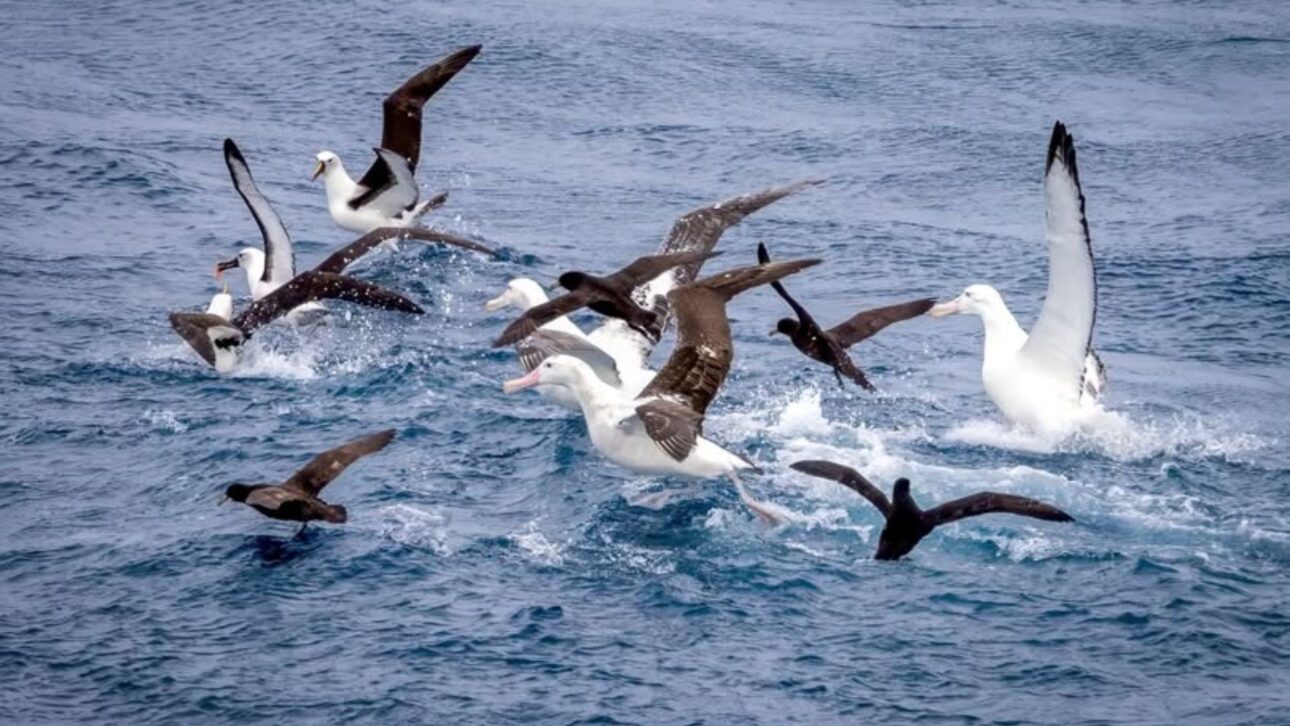
The number came from the 11th edition of the Our Ocean Conference, held in Mombasa and analyzed by institutions such as the World Resources Institute. There were 320 new commitments, totaling $6.4 billion, announced by more than 100 governments, companies, and civil society organizations. The declared focus is to advance marine conservation, sustainable fishing, climate resilience, and the so-called blue economy.
-
10-year-old boy from Bahia finds a different way to multiply, reorganizes partial sums in base 10, and transforms a common school calculation into an example of mathematical creativity that went beyond the test, was reviewed by teachers, and turned into a technical article.

-
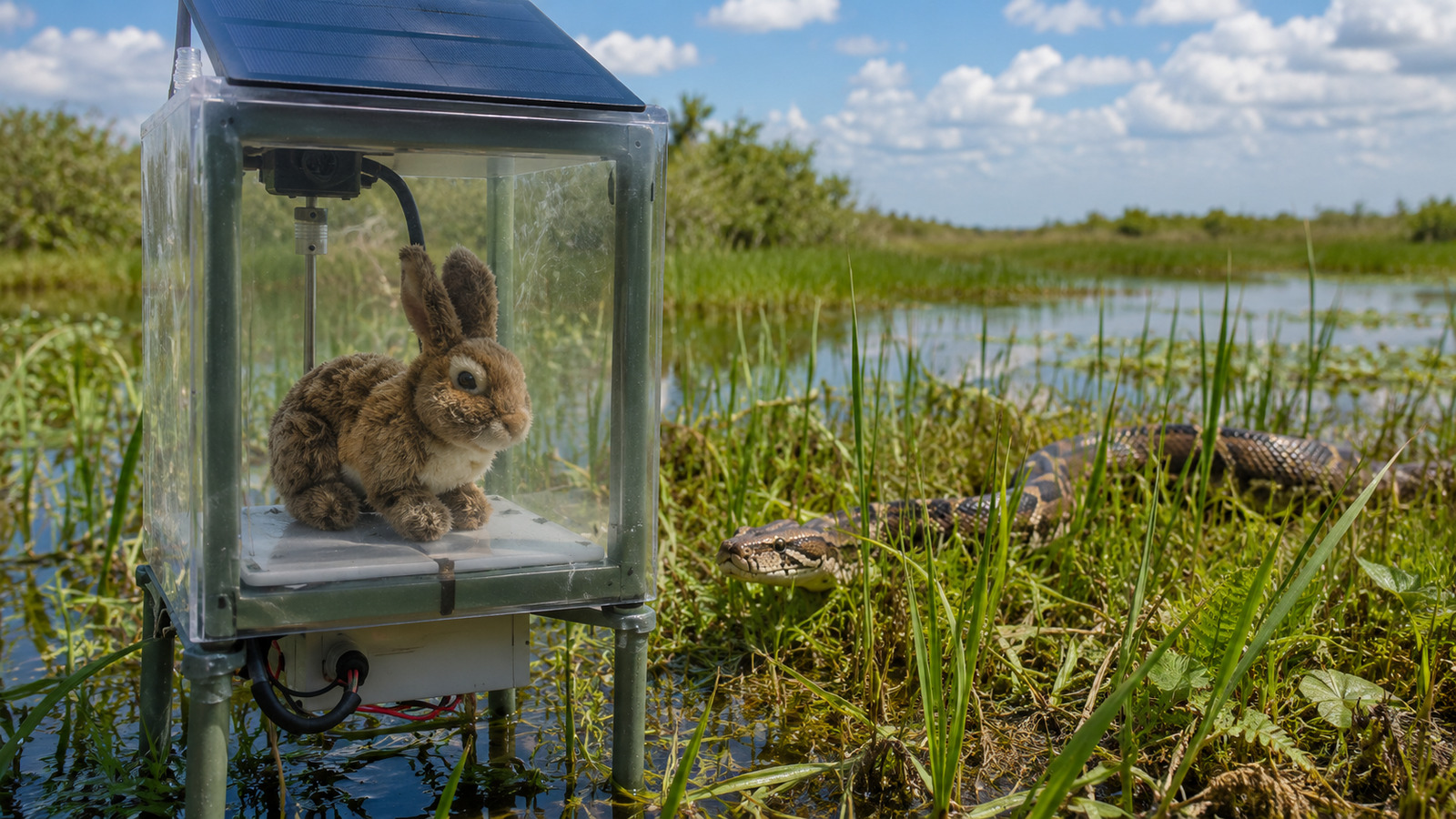
Florida begins sending robotic rabbits to the Everglades swamps, where they mimic prey, use cameras, AI, and sensors to attract and locate invasive pythons hidden in the mud and vegetation.

-
Engineers in Brazil deploy a robot dog to enter pipelines of a R$ 134.7 million project, facing mud, sand, humidity, and toxic gases, and send data in real-time without exposing workers.
-
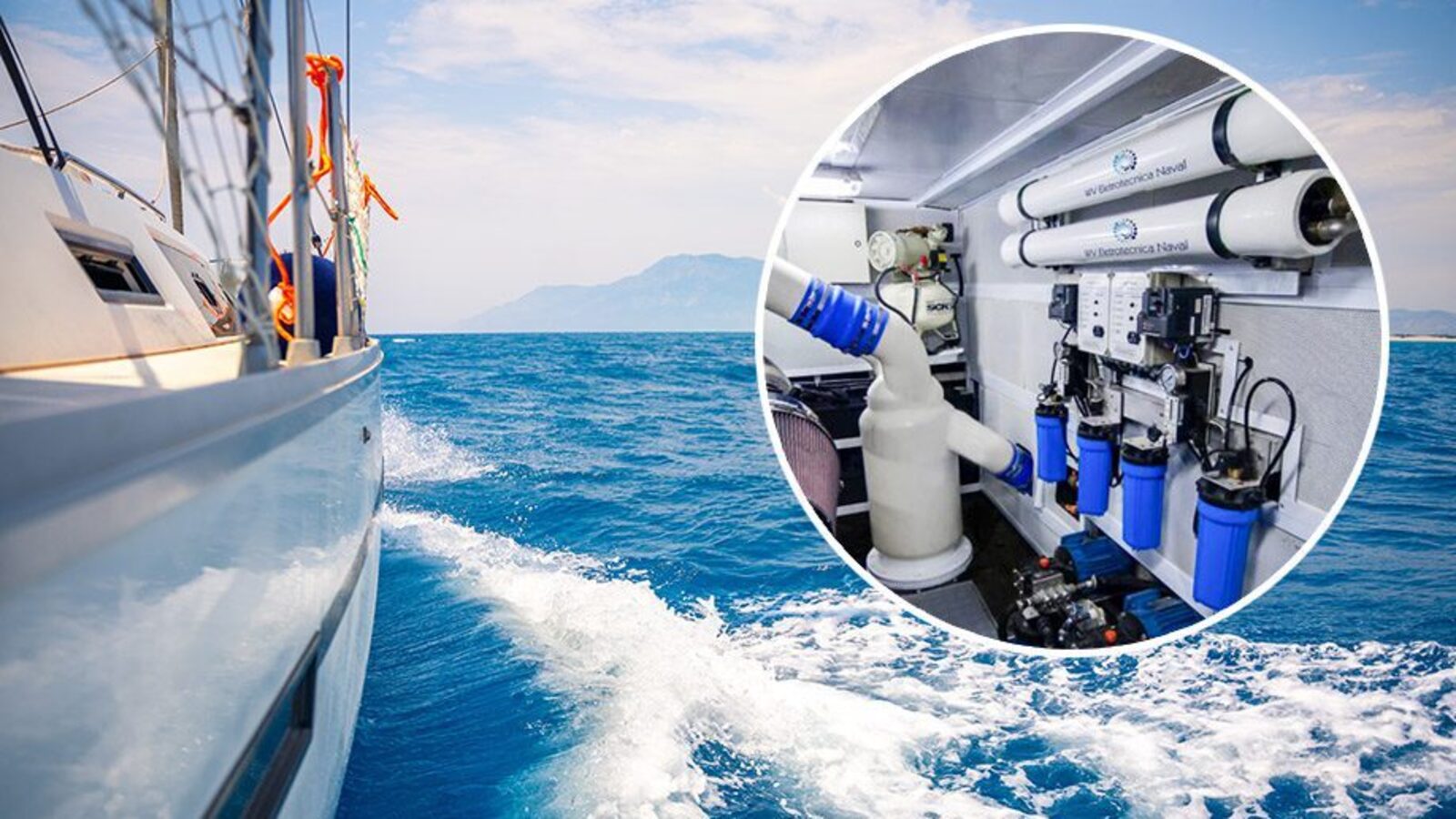
Brazilian family creates machine that transforms seawater into fresh water, produces up to 130 liters per hour, facilitates routine on vessels, and boosts family business along the country’s coast.


The choice of Kenya had symbolic weight. For the first time, the main global ocean forum landed in Africa, a continent surrounded by rich seas and communities that depend on fishing to live. Nine African governments took advantage of the meeting to announce new protected marine areas, a concrete step towards the international goal of protecting 30% of the oceans by 2030. For a continent often left out of major environmental decisions, hosting this investment was also a political statement.
Where does the money go
Not all the investment goes to the same place, and the division helps to understand the priorities. According to the conference’s balance sheet, the largest share, about $2.86 billion, was allocated to the sustainable blue economy, the set of economic activities related to the sea carried out in a way that does not destroy it. Another $1.75 billion goes to sustainable fishing, and about $1.1 billion for the adaptation of oceans to the climate crisis.
Behind these values is a list of concrete objectives. The money should fund the fight against illegal, unreported, and unregulated fishing, which plunders fish stocks worldwide, as well as the creation of new conservation areas, tackling pollution, and strengthening maritime security. The blue economy appears as a guiding thread, with the idea that protecting the oceans and generating income from them do not need to be opposing things, as long as the investment is well applied.
Why the oceans cannot wait
To understand the urgency, just look at the state of the sea. The oceans absorb a good part of the heat and carbon dioxide that humans release into the atmosphere, acting as a buffer for global warming. The problem is that this service has a limit: the water heats up, becomes more acidic, and loses oxygen, which threatens coral reefs, entire food chains, and the very fishing on which millions of families depend.
Add to this the flood of plastic, spills, and overfishing, and it becomes clear why ocean conservation has become a global priority. Without a healthy sea, there is no stable climate or food security. That is why every investment in the blue economy and sustainable fishing is treated as a matter of survival, not as an environmental luxury. The ocean is not a landscape; it is life infrastructure.
The turnaround: promise is not delivery

Here resides the side that deserves healthy skepticism. Announcing billions is the easy part. As allAfrica reminded while covering the event, the conference ended with the usual question: will the promises be kept? Much of this year’s $6.4 billion, by the way, had already been announced before the meeting, which inflates the sense of novelty.
The accumulated numbers explain the distrust. Over more than a decade of conferences, about $169 billion has been promised for the oceans, but monitoring by the World Resources Institute shows that only a part has become reality: close to 41% of the commitments have been completed, another portion is still in progress, and almost a fifth hasn’t even started. In terms of actual money delivered, it’s said to be around $26 billion. In other words, without oversight and transparency, the historic investment risks becoming just another pretty headline that doesn’t reach the sea. Real conservation depends on what happens after the official photo.
And Brazil, owner of the Blue Amazon
It may seem like a distant issue, but Brazil has everything to do with this conversation. The country controls a vast maritime area, nicknamed the Blue Amazon, larger than most national territories and rich in biodiversity, oil, and energy potential. Everything decided about conservation and the blue economy abroad ends up echoing here, on a coastline that supports fishing, tourism, and industry.
Brazil is also betting its own chips on the sea as an economic engine. The country is preparing to auction oceanic areas for offshore wind energy parks, with an estimated potential of hundreds of gigawatts, and is investing in green hydrogen research and new marine technologies. In this scenario, a global investment in the blue economy and sustainable fishing is not distant environmental charity, but part of an economic competition in which Brazil wants, and needs, to be well-positioned. Healthy oceans are of interest to the wallet, not just nature.
The announcement of $6.4 billion for the oceans is both great and old news. Great because it puts conservation, blue economy, and sustainable fishing at the center of the debate. Old because we’ve seen this movie of grand promises that dwindle when it’s time to pay the bill. The investment exists, the challenge is to ensure it reaches the sea.
And you, do you believe that this time the money will indeed turn into protected ocean, or do you think it will repeat the history of promises that fall by the wayside? Share your bet in the comments.





Be the first to react!