






 Portuguese
  Spanish


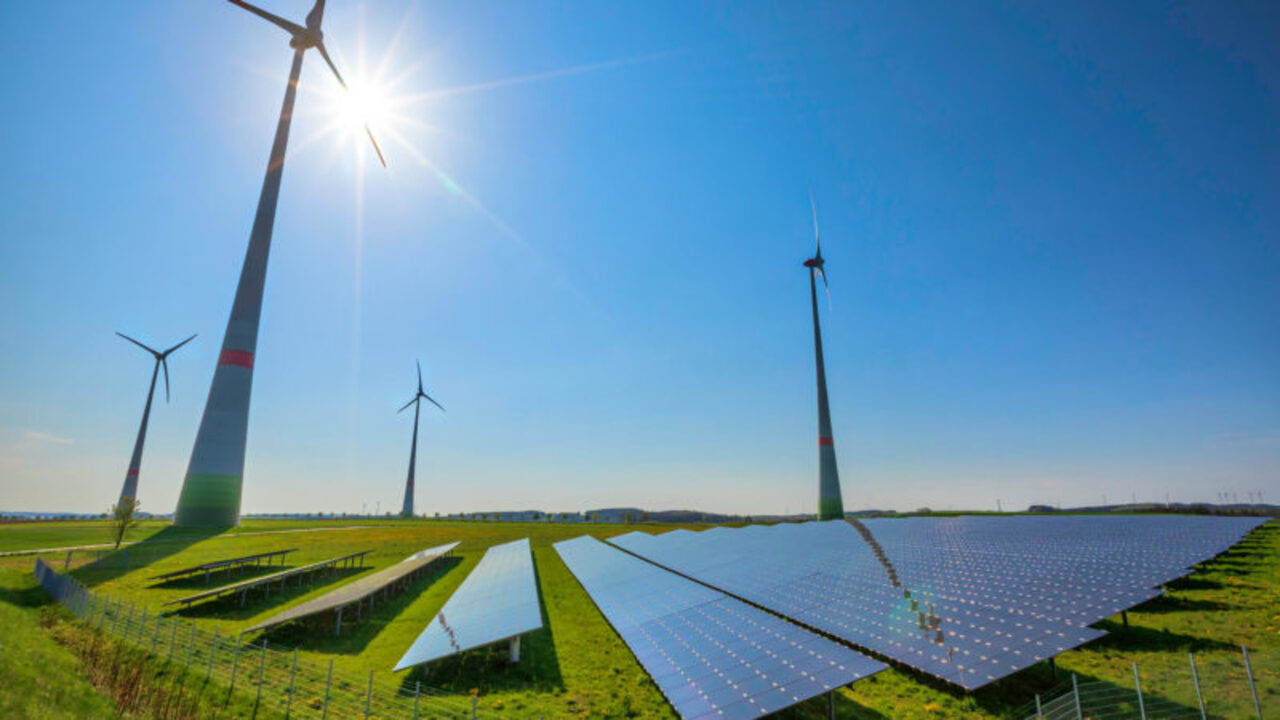

Hydroelectric Plants Share Space With Solar, Wind, And Biomass In Brazil, Falling By 22% In Electricity Generation
Last Saturday (27), at 8:30 PM, the whole world turned off its lights in support of a movement calling for an urgent energy transition, leaving behind hydroelectric plants and acquiring renewable sources such as solar, wind, and biomass energy, in order to mitigate the effects caused by the improper use of the planet’s resources in energy generation.
Read Also
Hydroelectric Plants Being Replaced
Most countries rely primarily on fossil fuels as their energy source, while Brazil predominantly uses renewable sources such as solar and wind energy. However, to meet the growing demand and ensure energy security, diversifying sources is also urgent.
Élbia Gannoum, president of the Brazilian Wind Energy Association (Abeeólica), states: “Hydroelectric sources are practically exhausted; we have utilized all viable resources from an economic, social, and environmental standpoint.”
-
Brazil Aims to Become a Global Exporter of Green Hydrogen, the Clean Fuel Set to Generate Billions

-
Brazil to Hold First Offshore Wind Energy Auction, Aiming to Become the Country’s New Hydropower
-
Brazil to Hold First Auction for Batteries to Store Solar and Wind Energy from the Northeast
-
Brazilian scientists are simultaneously advancing two research projects on clean hydrogen and driving solutions that could transform the energy matrix, enhance industrial competitiveness, and accelerate large-scale emission reduction targets.

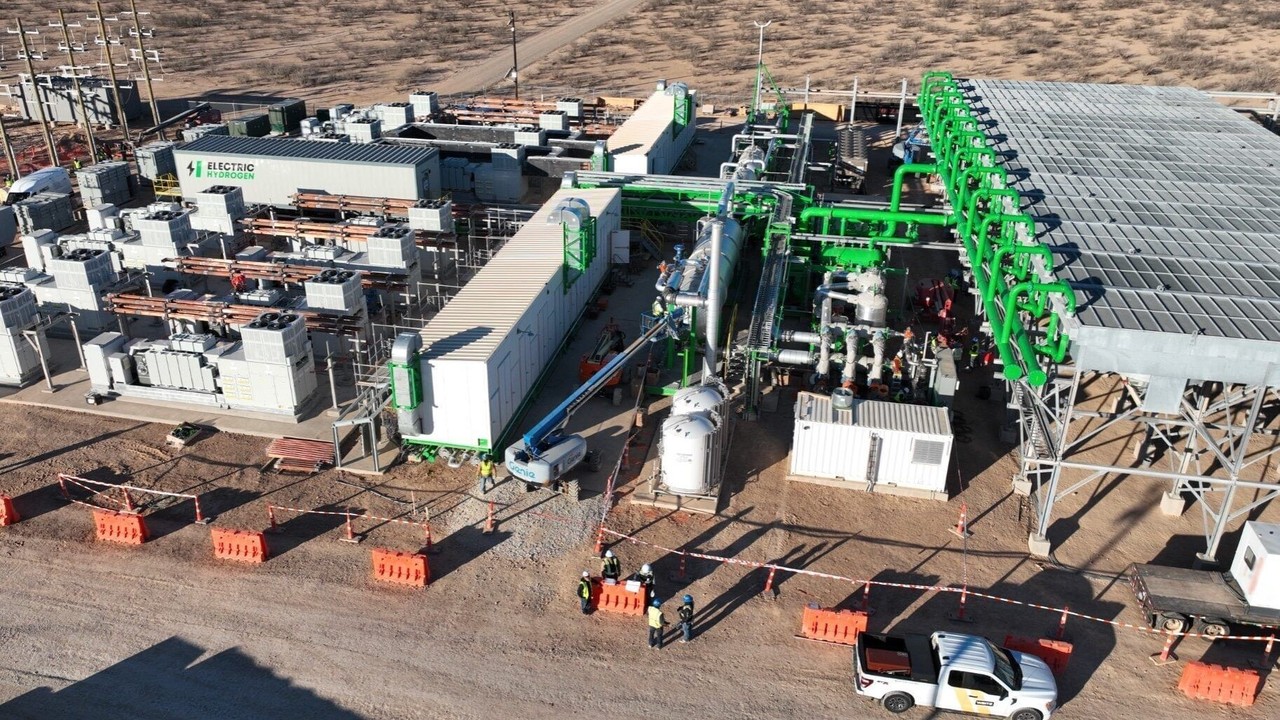


This transformation has been occurring over the last 21 years, during which hydroelectric plants went from representing 82.9% to 60.9% of all electricity generation sources. This has made way for wind energy, which now accounts for 9.6%, biomass, currently at 8.6%, and solar energy, at 4.4%. According to Carlos Pires, director of the Energy Development Department of the Ministry of Mines and Energy (MME).
Non-renewable sources have also found space alongside hydroelectric plants, but according to Carlos Pires, in these cases, sources with lower emissions were encouraged, such as natural gas, which grew from 2.7% to 8.3%.
“Distributed generation is a vocation of solar energy, and wind has a large-scale vocation, because the turbines are better than those in hydroelectric plants, from a technical and economic standpoint, when it faces better winds, and these winds are localized, while the sun is distributed,” says the president of Abeeólica.
Use Of Renewable Sources In Brazil Is Three Times Higher Than Worldwide
In recent years, renewable energy sources in Brazil reached a 46.1% share of the Energy Matrix. Renewable energy sources include solar, wind, biomass, and hydraulic energy. The Brazilian indicator represents three times the global average.
The total energy demand reached 294 million, showing a growth of 1.4% over 2018. Solar energy grew by 92% and wind by 15.5%. Combined, both contributed 50% of the increase in the share of renewables in the matrix.
Growth Of Biomass In Brazil
In 2019, biomass thermal power plants saw a 3% increase in energy generation compared to the previous year. Overall, Brazil produced 3,108.6 MW average through biomass, surpassing the 3,007.1 MW average result from 2018. These figures were released by the Electric Energy Trade Chamber (CCEE).
This growth is primarily due to the increase in the number of projects dedicated to energy production from biomass, with 295 plants counted as of December 2019.
Regionally, the state of São Paulo is the largest producer of energy from this source, reaching 1,391 MW average during the period, a growth of 5%. The region possesses 41% of the installed capacity of such plants in the country. Mato Grosso do Sul ranks second with 514.9 MW average, and Minas Gerais with 390.4 MW average. Completing the list of the largest biomass generators in 2019.





