






 Portuguese
  Spanish
  2 min of reading
  0 comments


A Decade of Innovation in Clean Energy
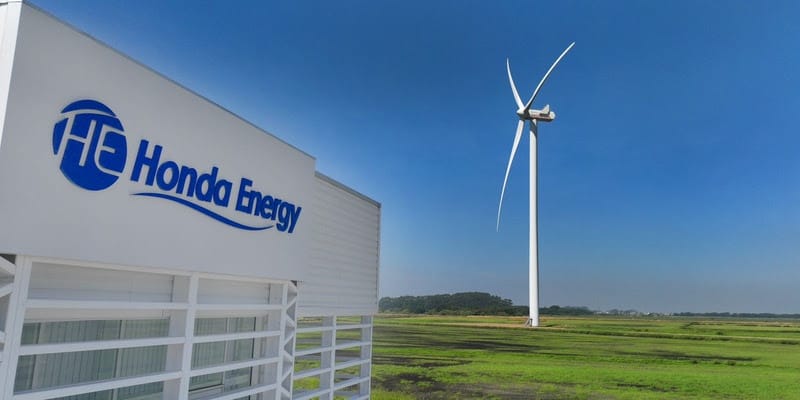
Celebrating a journey of ten years of operations, Honda Energy, the renewable energy division of the Honda group, announces a remarkable milestone for the Brazilian automotive industry: the production of 1 million cars using clean electric energy generated by its own wind farm. This initiative underscores the company’s commitment to sustainability and reducing the environmental impact of its operations, aligning with the global mission to achieve carbon neutrality by 2050.
Honda Energy provides electricity not only for Honda’s factories located in the interior of São Paulo but also for its administrative office in the capital, through the National Interconnected System. This achievement is made possible by the wind farm located in Xangri-lá, Rio Grande do Sul, inaugurated in November 2014, showcasing Honda’s leadership in adopting eco-friendly practices in the automotive sector.
Celebrating Sustainability
The celebration of this achievement was marked by a ceremony attended by Otavio Mizikami, President of Honda Energy and Industrial Vice President of Honda Automobiles, along with various authorities and partners. “For nearly a decade, our operation has shown significant results, positioning Honda as a reference in sustainability in Brazil. We are the only company in the national automotive sector completely self-sufficient in renewable electric energy, and this self-sufficiency allows us to look to the future with pride in our achievements and optimism to continue paving the way for a healthier planet,” emphasizes Mizikami.
-
New Honda HooRide 125 scooter debuts in China with ADV styling, 17-inch wheels, TFT panel, Smart Key, and fuel consumption of up to 47.17 km/l, aiming to resemble an urban X-ADV with a 125 engine, CVT transmission, and an economical proposal for cities.

-
Volkswagen focuses on ethanol and tests a Saveiro 100% alcohol-powered with a recalibrated engine; the project may ensure tax reduction, targets corporate fleets, and revives technology that lost ground since the arrival of flex-fuel vehicles in 2003.

-
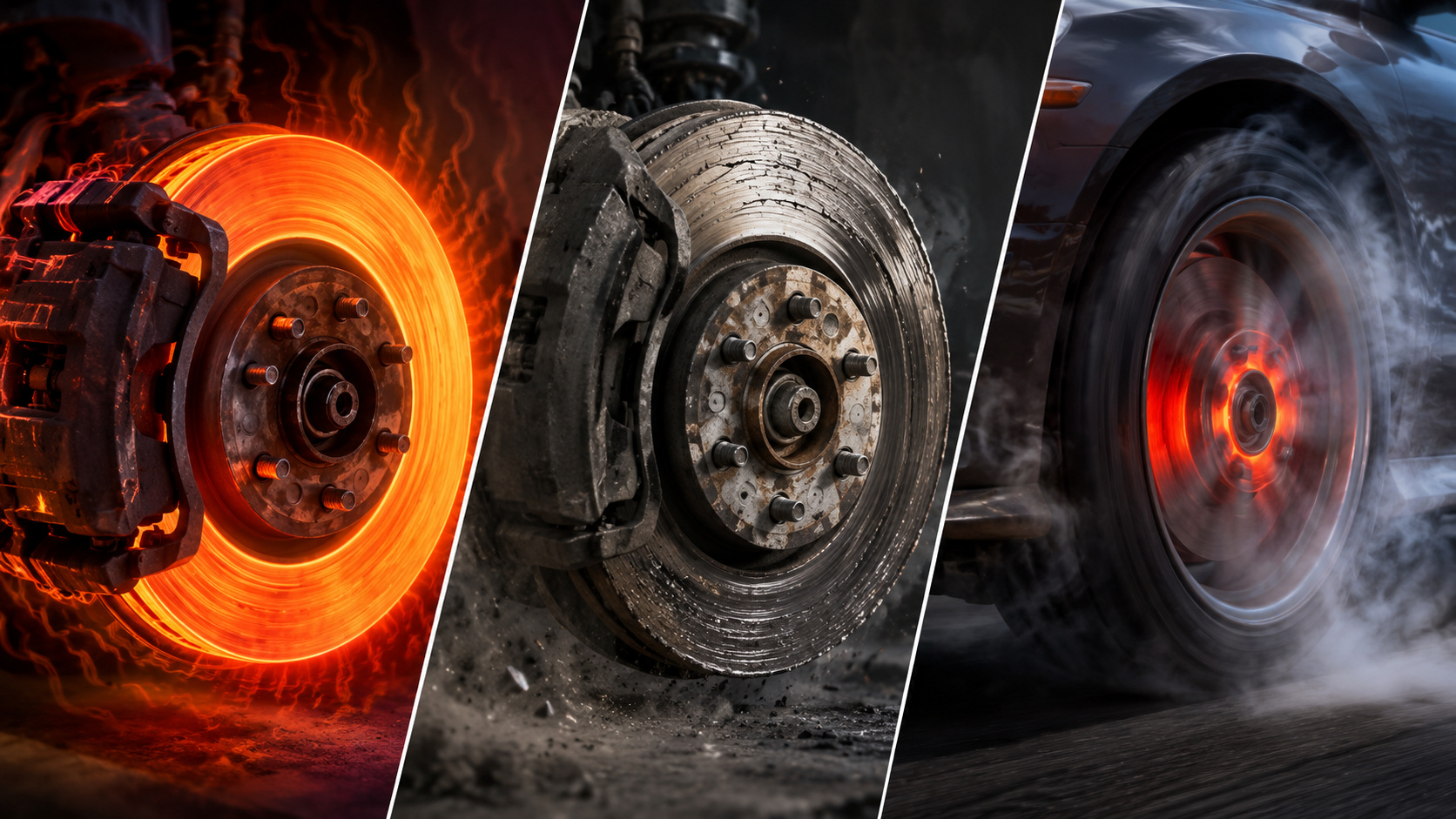
Keeping your foot lightly on the brake pedal while driving may seem harmless, but mechanics warn: this habit generates constant heat, wears out the pads too quickly, and can warp the discs, making braking expensive and dangerous.

-
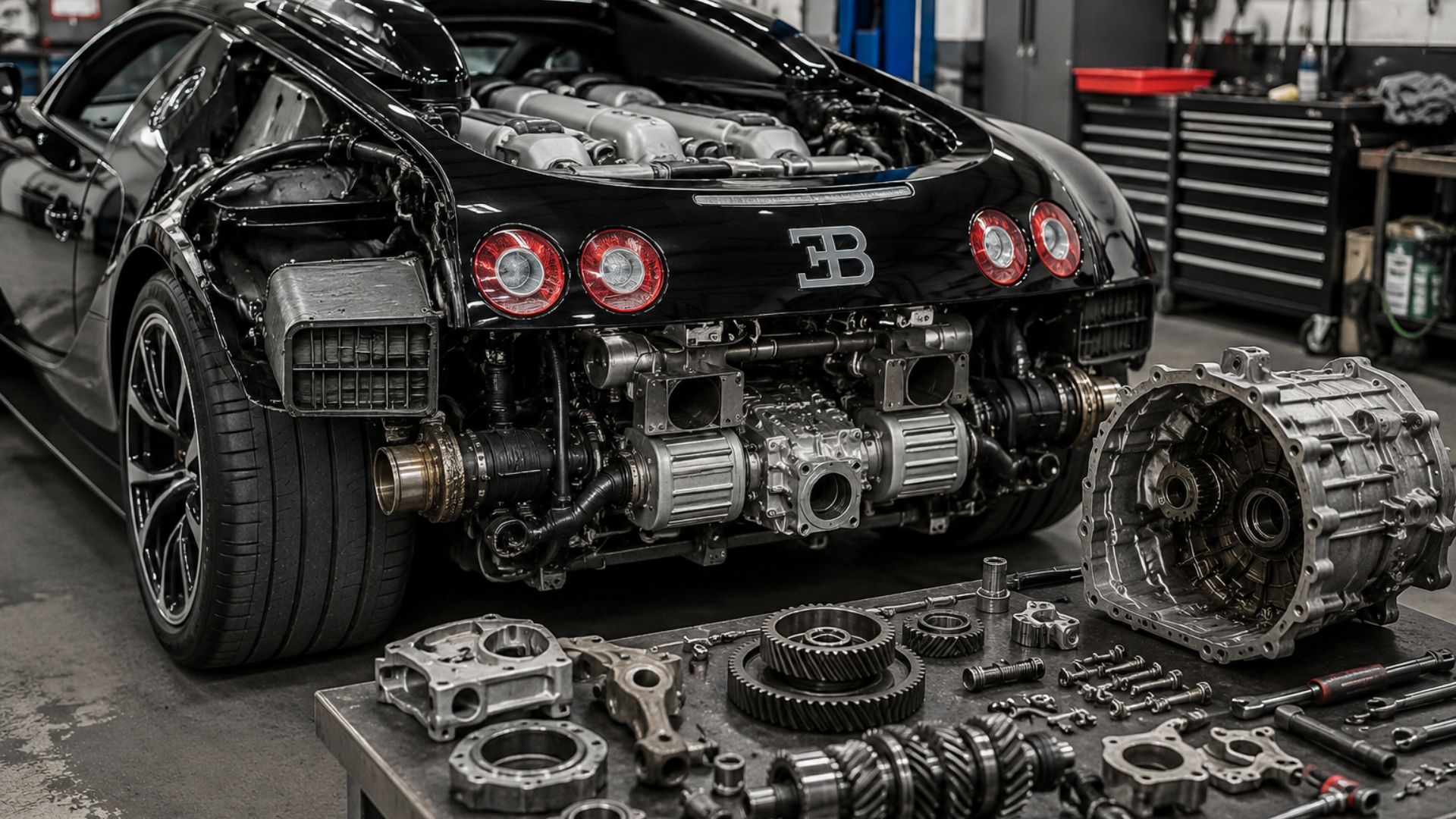
The YouTuber Mark McCann bought a Bugatti Veyron for almost $1.2 million, but discovered that the supercar’s gearbox is so damaged that even Bugatti itself won’t accept to repair it, and the repair could cost a fortune.


Honda Energy: Pioneering and Impact
Located in Xangri-Lá, Honda’s project features ten wind turbines, achieving an installed capacity of 31.7 MW. Since the beginning of its operations, the initiative has avoided the emission of 47,000 tons of CO2 and generated approximately 720,000 MWh of energy. This amount of energy is sufficient to supply nearly 35,000 households for ten years, highlighting the significant impact of the project on environmental preservation.
The operation of the wind farm is based on the conversion of mechanical energy, generated by the movement of the wind turbine blades, into electric energy. This energy is then transmitted to the Atlântida Substation, connected to the National Interconnected System, facilitating the exchange of electric energy throughout the country.
This journey of Honda Energy not only reinforces Honda’s commitment to environmental innovation but also sets an inspiring example for the automotive sector and beyond. The ability to produce 1 million cars with clean energy highlights the viability and positive impact of renewable energies in the industry, encouraging other companies to follow a similar path towards sustainability and environmental responsibility.
Source: Honda Brazil.








Be the first to react!