Portuguese
  Spanish


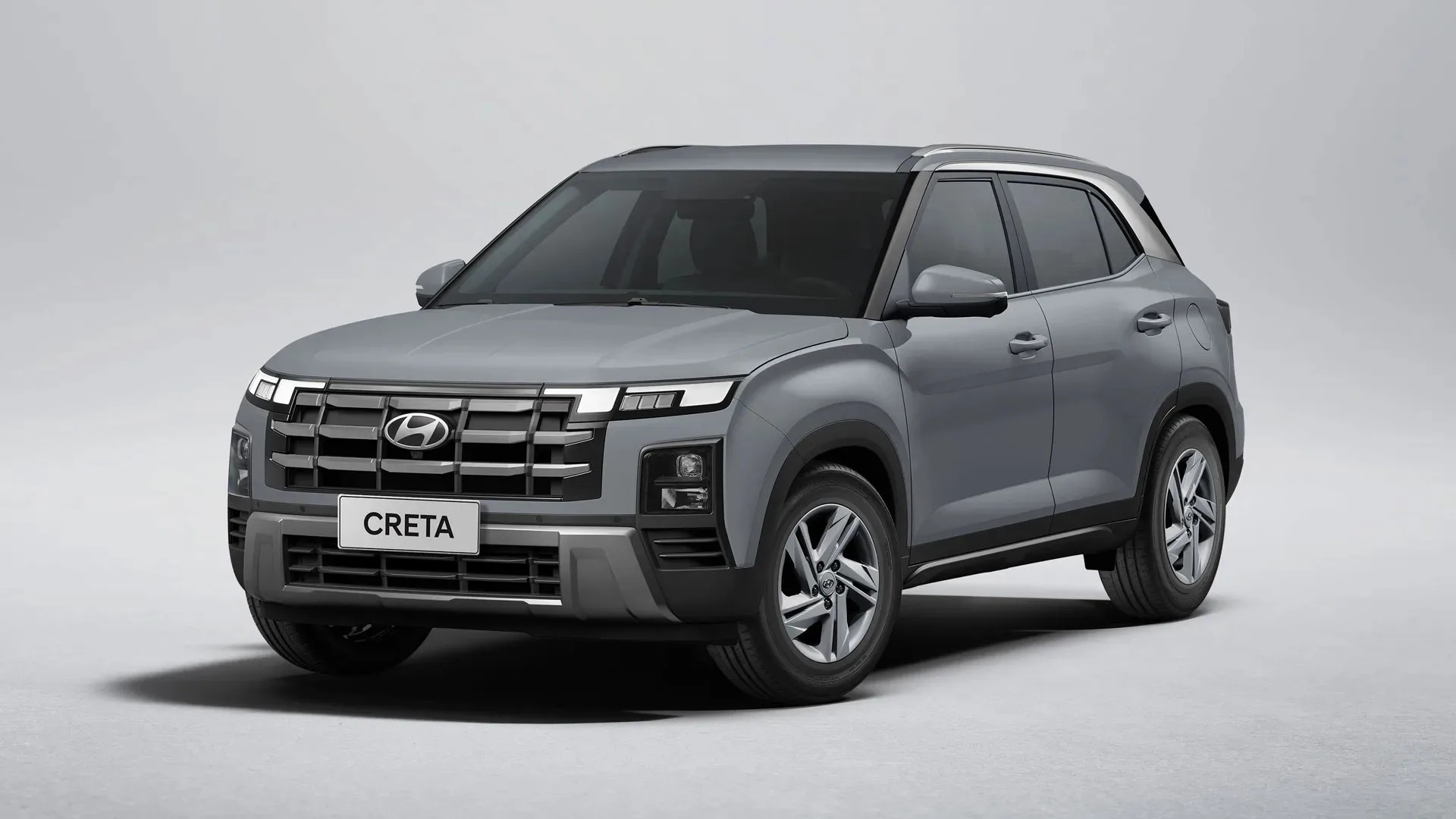

Have you noticed how some cars seem to fit perfectly with what Brazilian drivers look for in an SUV? The Hyundai Creta 2025 is one of those cases: striking presence on the streets, increasingly robust technological package, and an interesting balance between comfort and performance. It’s no wonder the model remains strong among the best-selling in its category. But what really makes the Creta such an appealing option for those looking for an SUV in 2025?
Hyundai Creta 2025 and Its Updated Design
One of the strong points of the Hyundai Creta 2025 is the updated design, which reinforces the SUV’s personality. The Korean brand got it right by investing in modern lines and a robust appearance, without neglecting elegance. The front end features an even more striking grille, sharper LED headlights, and chrome details that enhance sophistication.
Inside, the Creta is also impressive. The dashboard has been redesigned to offer a more intuitive experience, with quality materials and finishes that resemble SUVs from higher categories. Additionally, the interior space continues to be one of its highlights, accommodating both the driver and passengers well, with ergonomic seats and good leg and shoulder room.
-
Sales of Brazil’s Cheapest Electric Car Halted Before First Deliveries: E-Motors Suspends Emova Easy Due to Import Tax Increase and Rising Freight Costs

-
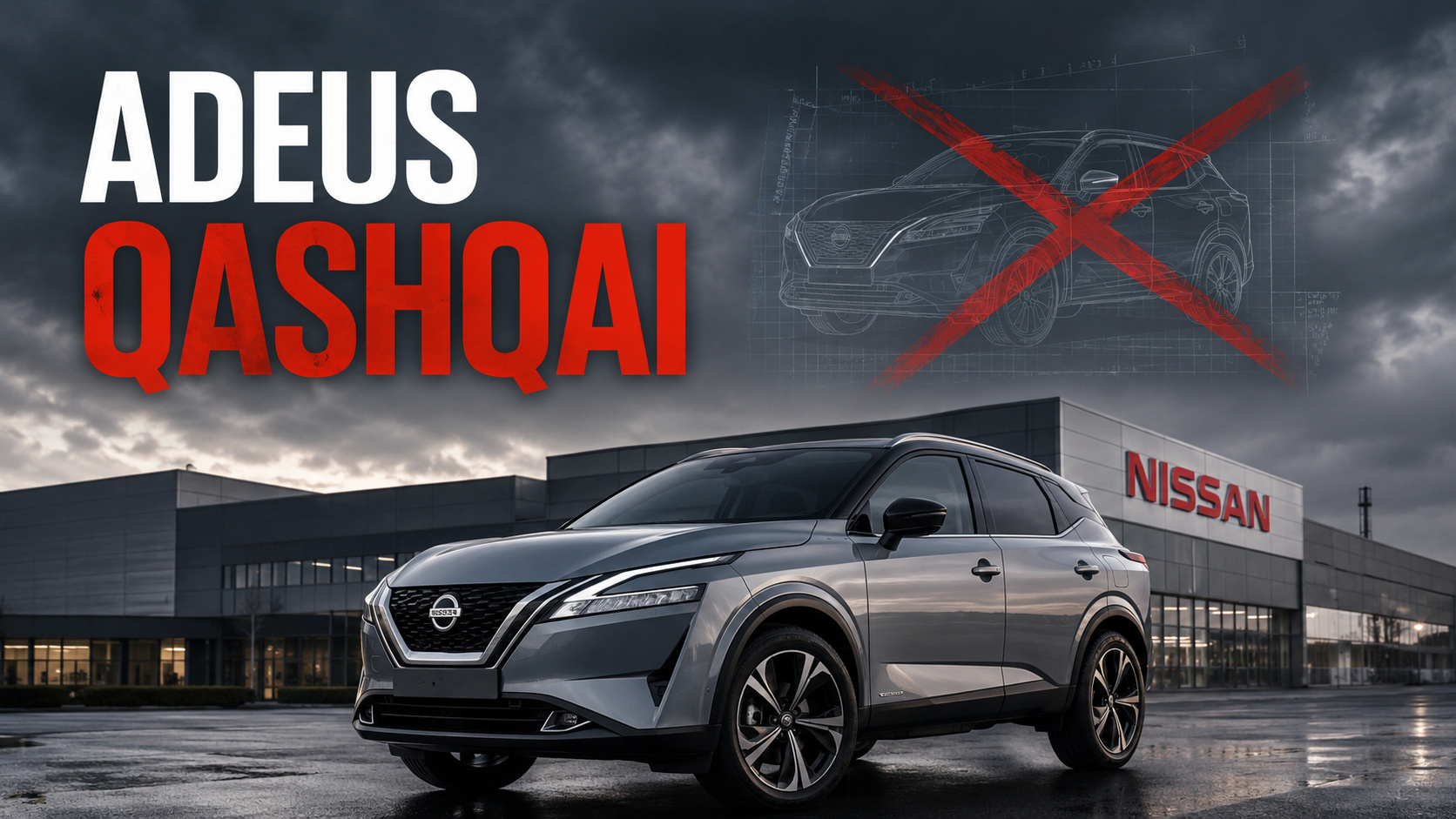
Nissan Discontinues Qashqai SUV Amid Cost-Cutting, Chinese Competition, and Product Line Review

-
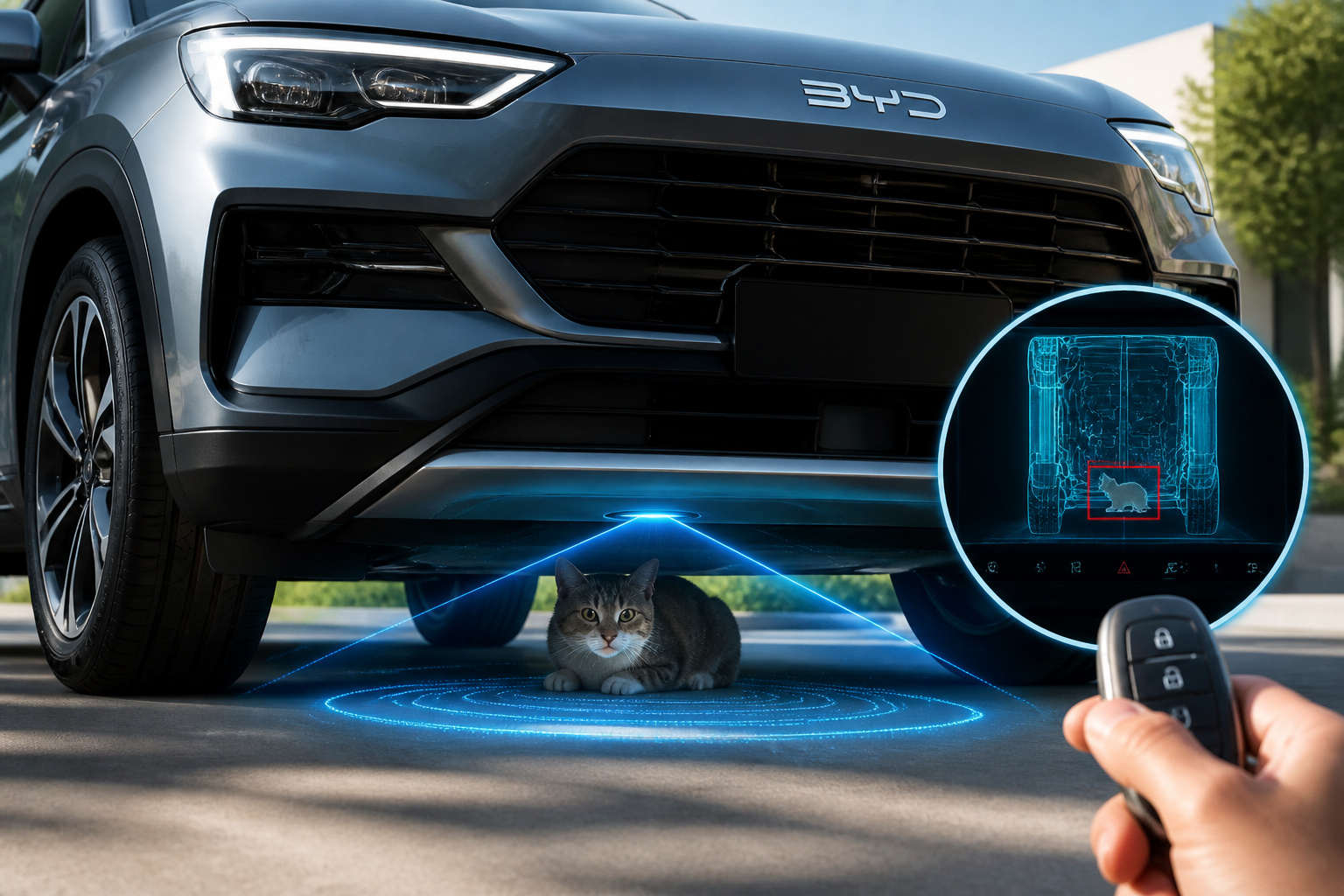
BYD Patents Revolutionary System Using Computer Vision to Detect Animals Under Cars Before Starting, Preventing Tragedies

-
Study Reveals Why Cars Are More Expensive to Produce and Buy in Brazil Compared to Mexico, Highlighting Taxes, Logistics, and Industrial Costs as Key Factors.


Embedded Technology That Makes a Difference
Another distinctive feature of the Hyundai Creta 2025 is the embedded technology. The multimedia center includes a 10.25-inch screen in the more complete versions, support for Apple CarPlay and Android Auto, as well as wireless connectivity in some packages.
The digital instrument panel also adds a touch of modernity and makes the driving experience more practical and visually appealing. Driver assistance systems, such as blind spot alerts, lane-keeping assist, and adaptive cruise control, elevate the Creta in terms of safety and convenience.
It’s worth noting that not all direct competitors offer such a complete package in their mid-range versions, which makes the Hyundai SUV an even more attractive option.
Balanced Engine and Performance
In the SUV segment, power doesn’t always speak the loudest. What consumers really seek is a balance between performance and efficiency, and the Hyundai Creta 2025 delivers that competently.
The model comes with two engine options: the 1.0 turbo, which ensures good agility in urban traffic and highways, and the 2.0 aspirated, aimed at those seeking quicker responses and greater driving pleasure. In both configurations, the six-speed automatic transmission proves to be efficient and smooth, without jolts or hesitations.
Moreover, the suspension calibration has been designed to handle the uneven asphalt of Brazilian cities well, offering stability in curves and comfort on longer trips. This makes the Creta a balanced choice for those in need of a versatile car, ready for both daily commutes and weekend drives.
Comfort as a Priority
The Hyundai Creta 2025 also stands out for its level of comfort. The front seats feature electric adjustments in some versions, as well as ventilation and heating, items that are rare among more accessible mid-size SUVs. The acoustic insulation has been improved, reducing external noise entering the cabin and making the driving experience more pleasant.
Another detail that cannot be overlooked is the dual-zone digital air conditioning, allowing the driver and passenger to choose their temperatures independently. For those traveling with family, the generous rear space and exclusive air vents further enhance the feeling of comfort.
This attention to comfort shows that Hyundai understands that the SUV is not just a vehicle for transportation, but an extension of the driver’s home— a space that needs to be welcoming, practical, and comfortable.
Competitive Cost-Effectiveness
In an increasingly competitive market, the Hyundai Creta 2025 remains competitive also due to its cost-effectiveness. Although it is not the cheapest SUV in its category, the list of standard equipment and safety features justifies the investment.
Additionally, the model has a good resale value and maintenance costs within the segment’s average, factors that weigh heavily in the decision to purchase a new car. Another point is the well-distributed network of dealerships in Brazil, ensuring quick after-sales service and easy access to replacement parts.
The Creta may not be the most affordable SUV on the market, but its proposal is to deliver more for a fair price. And when looking at the overall package, it’s hard not to recognize how well it fulfills that role.
An SUV That Resonates with the Brazilian Consumer
The Hyundai Creta 2025 doesn’t try to be an exclusive or unrealistic car, but rather an SUV tailor-made for the tastes and needs of the Brazilian public. It offers attractive design, useful technology, balanced performance, outstanding comfort, and cost-effectiveness that makes sense in daily life.
For those looking for a car capable of meeting both urban routines and leisure trips, the Creta stands out as an excellent option—and it’s precisely this combination of attributes that positions it among the strongest candidates to remain at the top of the market in the coming years.