Portuguese
  Spanish



After Announcing Its Entry into The Electric Vehicle Sector, LG Partners With Hyundai to Produce Batteries for Electric Vehicles in Karawang, Indonesia
Hyundai and LG have partnered to create a joint venture for the production of batteries for electric cars. The companies signed a letter of intent with the Indonesian government to establish the business. The Korean companies plan to invest US$ 1.1 billion in the new company, with 50% ownership for each, and build a factory in Karawang, near the capital Jakarta. Accordingly, local authorities will prioritize the factory with various types of incentives.
Read Also
Battery Factory for Electric Cars Will Have Capacity of 10 GWh
The Hyundai and LG factory will be built on a 330,000 m² area, with construction starting this year and expected to be completed in 2023. Thus, the factory will be fully operational in 2024, and once in operation, the facility will produce lithium-ion batteries with a capacity of 10 GWh, enough to power 150,000 electric cars.
The battery cells produced in Karawang will be used in vehicles from Hyundai and Kia, which will be assembled on the new global electric modular platform (E-GMP). The new joint venture will help Hyundai expand its electric car lineup to 23 models and reach 1 million zero-emission registrations by 2025.
-
Latin America’s Largest Port Invests $400 Million in Rail System with Trains Up to 2.4 Kilometers Long
-
New Smart Radar Begins Issuing Fines to Solo Drivers in Carpool Lanes, Uses Cameras to Count Occupants, Changing Traffic Enforcement Rules on Busy European Roads

-
Why can the crane operator only obey the correct signalman on the construction site: among dozens of workers, a hand raised by the wrong person can confuse the maneuver and turn a load of tons into an immediate risk.
-
What changes with the new public transportation rules that can reduce pressure on fares and pave the way for zero fare in Brazil?

LG states that it chose Indonesia because the country is one of the world’s nickel producers, an essential raw material for making batteries for electric cars. In addition to this factor, the local government is also showing strong support for the segment, proposing policies to make the country a strong competitor in the global market.
LG Announces Its Entry into The Electric Vehicle Sector
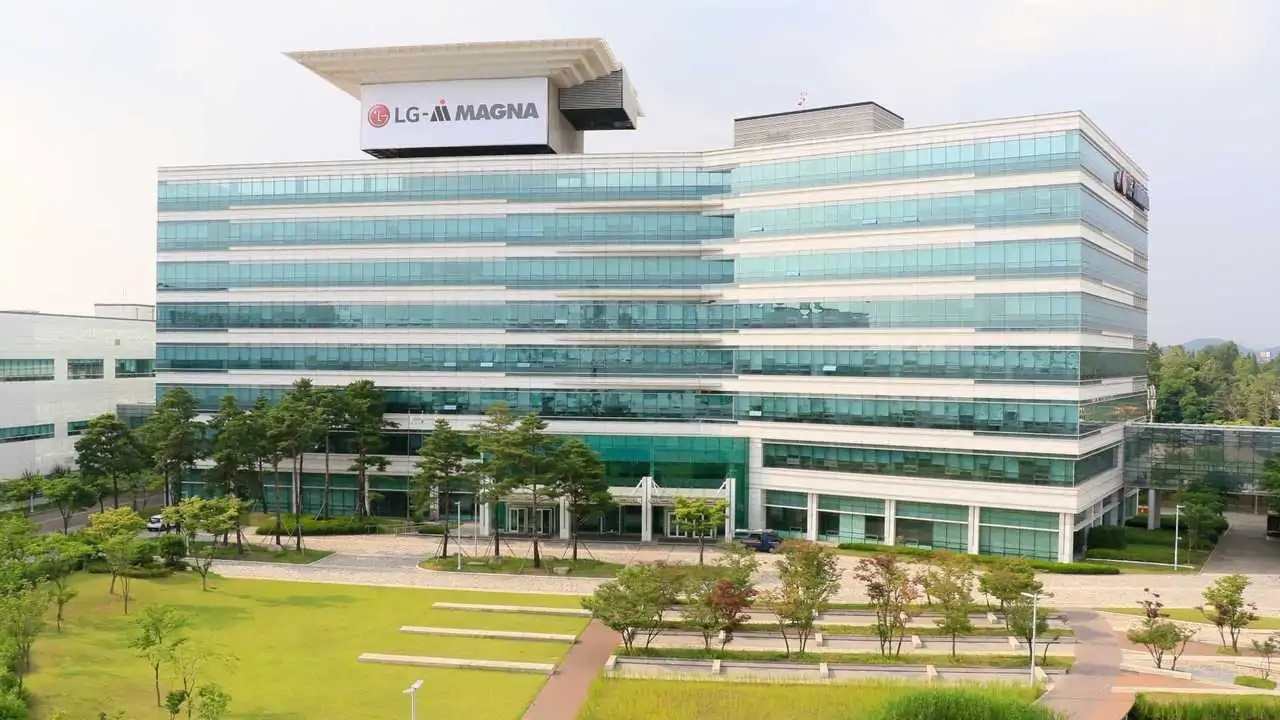
In June, after exiting the smartphone sector, LG announced its entry into the electric vehicle market. Later this year, LG purchased Magna International, a parts supplier for the global automotive sector headquartered in Canada.
At the time, the company’s plans were to manufacture components for electric cars such as induction chargers, multimedia centers, and even electric motors. It is worth noting that the Canadian company in the vehicle sector also has partnerships with major automakers like Ford, BMW, and GM. LG acquired 51% of the Canadian firm and started operations in the company in July.
Get to Know LG and Hyundai
LG began its operations in South Korea in the late 1940s, and its businesses are operated through 147 subsidiaries across 53 countries, employing approximately 177,000 people.
The LG Group operates in various sectors such as chemicals, energy, machinery, telecommunications, metals, services, and finance.
Hyundai’s mission is to offer high-quality vehicles to the global market through excellent service and efficiency. The automaker has 10 factories worldwide, with only 3 in South Korea. In Brazil, the automaker arrived in 2011, with its unit in Piracicaba (SP), with an investment of US$ 700 million. The factory has a capacity to produce up to 180,000 cars per year, equivalent to 36 cars per hour.