Portuguese
  Spanish


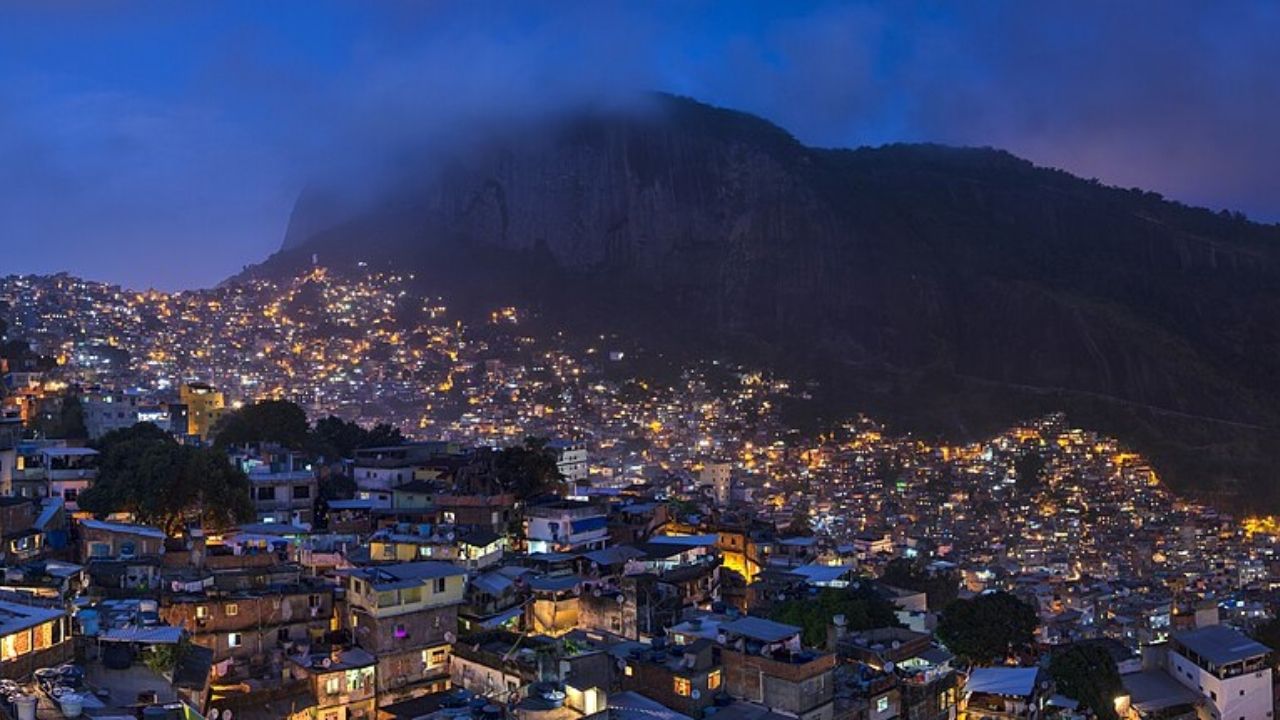

The incorrectly discarded cooking oil in Rocinha, southern zone of Rio de Janeiro, motivated the creation of the Óleo no Ponto project in 2020. The initiative collected 14.4 thousand liters of the waste between January 2024 and March 2025, transforming the material into ecological cleaning products sold under the brand Sabão do Morro.
A water reservoir with a dense mass and strange at the bottom. This was the starting point of a project that would change the relationship of thousands of Rocinha residents with domestic waste disposal. In 2020, businessman and community leader Marcelo Santos, 43 years old, born and raised in the favela, visited the Rocinha Sports Complex accompanied by biology teacher Márcio Aroeira. The two noticed the accumulated fluid, and the biologist quickly identified it: it was cooking oil waste incorrectly discarded by the residents. Santos states that from that conversation, he sought to understand the degree of oil contamination, the level of health damage, and the environmental impacts involved, and what he discovered led him to create Óleo no Ponto, a project documented by Mongabay in a report published in October 2025.
The initiative was born in the largest favela in Brazil. According to official data cited by Mongabay, Rocinha, in the southern zone of Rio de Janeiro, holds this position among the more than 12 thousand favelas and communities in the country, with just over 72 thousand inhabitants and more than 30 thousand households. In this dense and populous context, incorrectly discarded cooking oil represented an environmental problem of invisible proportions, and it was precisely there that Santos found the way to transform it into product, income, and environmental reeducation.
The extent of the problem: one liter of cooking oil can contaminate 25 thousand liters of water
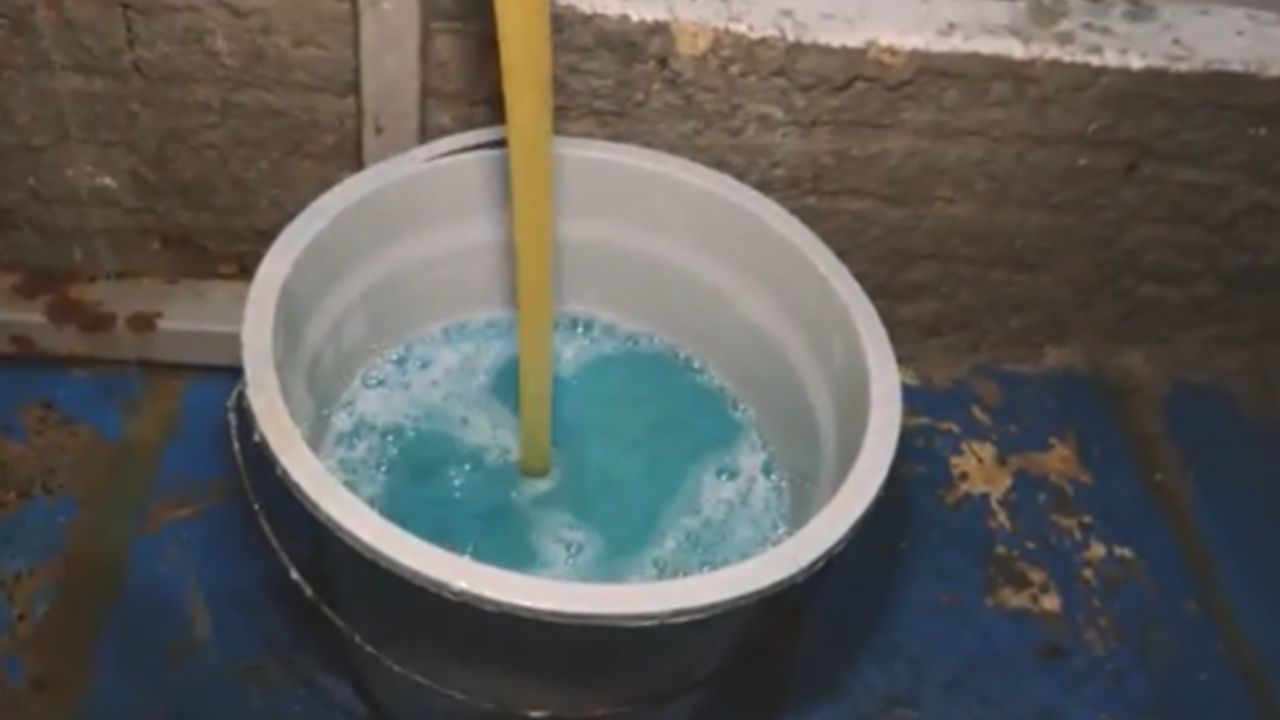
Before creating any solution, Marcelo Santos needed to understand the scale of the damage. What he discovered is that the improper disposal of cooking oil, whether in the sink, toilet, or regular trash, leads to consequences that go far beyond clogging.
-
Drilling a Well? These 5 Locations in Brazil Could Turn Your Water Dream into a Costly Mistake

-
90 Years Before Disney, an “Original Moana” Made History in Cinema by Depicting Life in Samoa and Shaping the Documentary Genre

-
Study in Barcelona Reveals Giraffes Can Add Quantities and Memorize Changes, Surprising Scientists
-
After Losing 16-Year-Old Son in Accident Caused by Pothole, Merchant Takes Action by Mapping Road Defects and Filling Around 1,500 Potholes in Mumbai Area



According to the Basic Sanitation Company of the State of São Paulo (Sabesp), a single liter of oil can pollute up to 25,000 liters of water. The same entity estimates that 100 million liters of the substance are improperly discarded every month in Brazil, increasing the cost and energy expenditure in sewage treatment and worsening the climate crisis.
In Rocinha, the local consequences were concrete. Santos points out that improper disposal often clogs pipes and stormwater passages, carrying polluting compounds to the ocean. One of the direct destinations of this flow is São Conrado Beach, which, according to him, has been contaminated by the favela’s sewage for years.
During intense storms, the clogging of pipes can cause trash to flow downhill, causing accidents on nearby streets and roads. “By removing this oil from the beaches, streets, and sewers, we also bring safety to people,” Santos declared to Mongabay.
How the project was created and the decisive role of a Faperj call for proposals
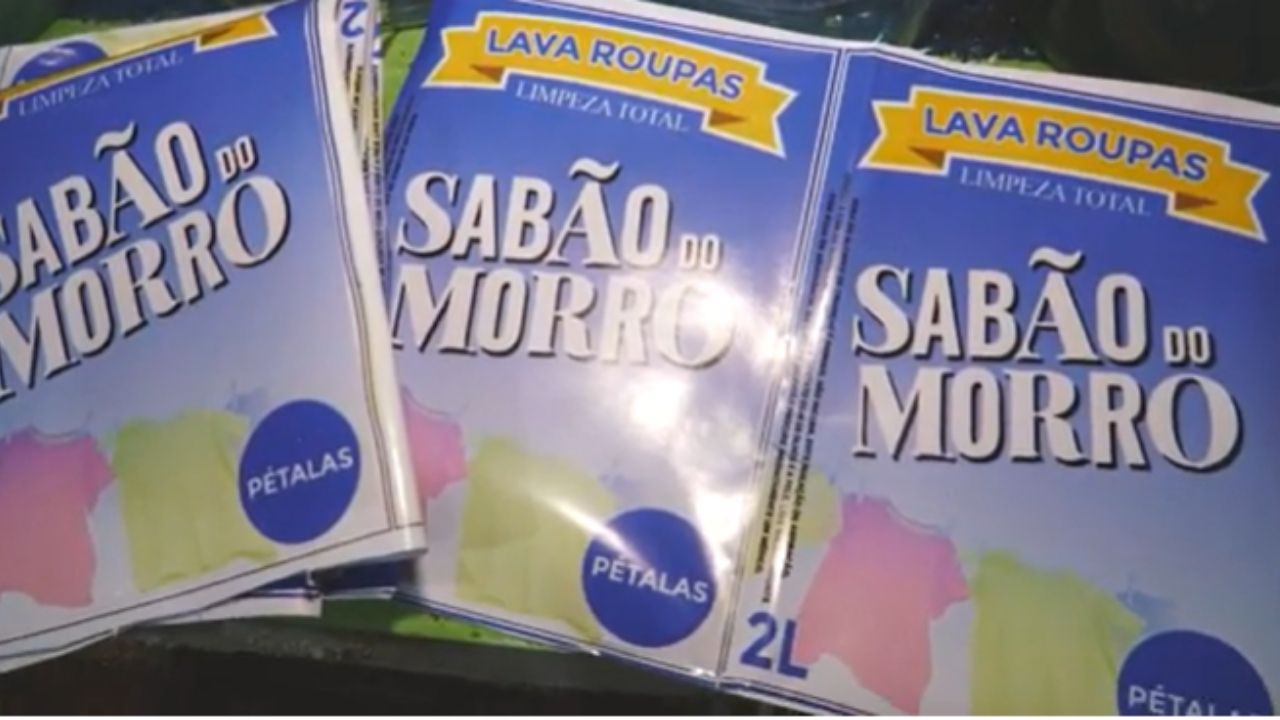
Months after visiting the Sports Complex, Santos conducted research and established contact with professionals in the chemical sector. In 2020, he formally created Óleo no Ponto, a community initiative aimed at the proper collection of used cooking oil from Rocinha’s households. Initially, to attract residents and give traction to the proposal, he offered basic food baskets in exchange for 20 liters of used oil, a practical engagement strategy based on direct value exchange.
In 2021, the project went through a turning point. Through a call for proposals opened by the Foundation for Research Support of the State of Rio de Janeiro (Faperj), Óleo no Ponto received R$ 350,000 as part of an incentive for environmental proposals that combine technology, innovation, and renewable energy within the favelas. The funds allowed Santos and his wife Adriana, the current project coordinator, to invest in research, qualified staff, new machinery, and supplies. From this productive leap, the brand Sabão do Morro was born, becoming the commercial face of the initiative.
The factory at Ciep, the collection machine, and the social currency system
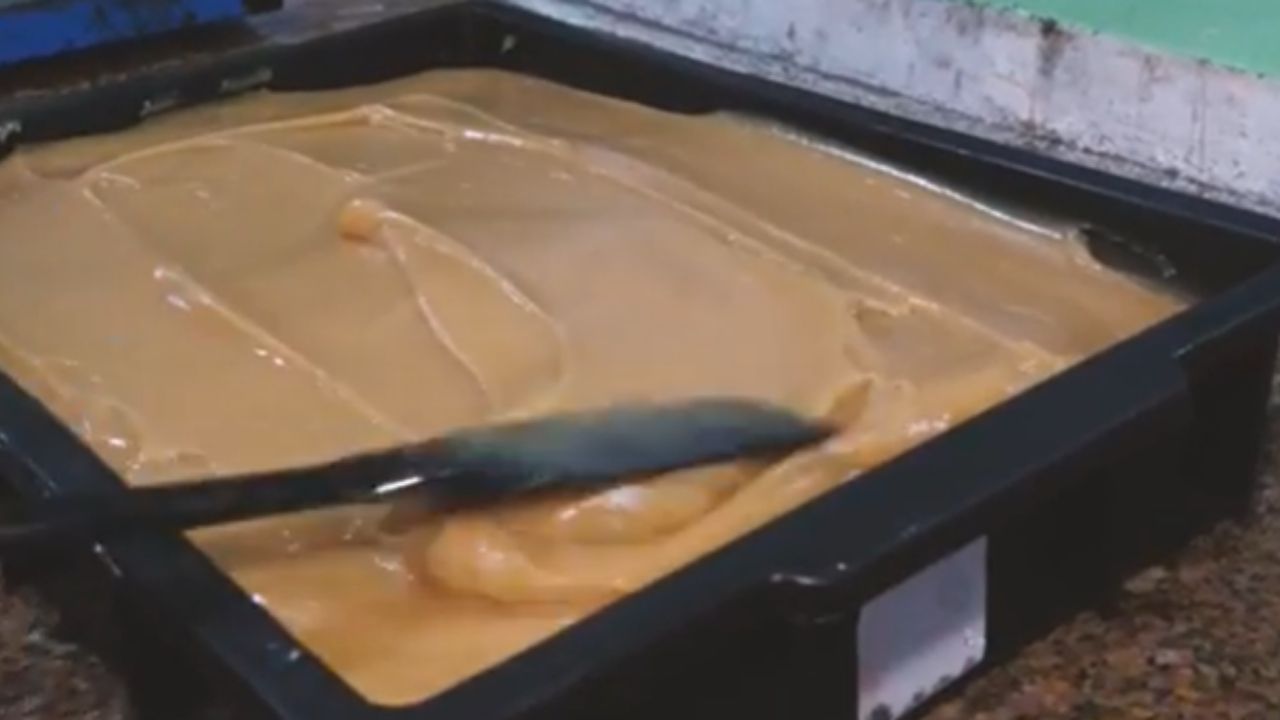
The headquarters of Óleo no Ponto operates in an Integrated Center of Public Education (Ciep) in the heart of Rocinha. There, a small factory is supplied by the collected oil, as well as a sales point for the products generated from the reuse and treatment of the waste. The cycle begins when residents store the excess from home frying in PET bottles and deposit it at specialized stations.
The receiving machine installed in the Ciep can store up to 220 liters of oil and operates with a social currency system: the resident enters their cell phone number on a digital panel, receives instructions via text message, and accumulates points to exchange for Sabão do Morro.
The equipment also filters the deposited oil and detects elements that are not suitable for conversion into ecological products, such as water added to artificially increase the volume, which is automatically identified by the system. For restaurants, bars, and snack bars, the project provides barrels of up to 18 liters, collected as soon as they are full and immediately replaced with empty containers.
The products, production numbers, and women’s empowerment


With the collected oil, caustic soda, aromatic essences, and sodium, nine residents of Rocinha produce the line of Sabão do Morro items. Five liters of oil yield up to 23 bars of soap, sold for about R$ 2 per unit in Ciep stores and small markets in the region, as well as on social networks and through a delivery system.
According to Adriana Santos, project coordinator, about 150 units of paste soap are manufactured per week, and dishwashing products lead sales among local merchants, with an estimate of 1,200 units sold monthly. The absolute best-seller, however, is the bar soap.
The central focus of the project is the empowerment of women in situations of social vulnerability. The participants undergo a three-month training workshop, learning to produce ecological cleaning materials. “We want to give them the fishing rod so they can catch their own fish”, said Adriana to Mongabay. Many of those trained continue producing on their own after the training, reselling the products in other areas of the city. The project is certified by the Regional Chemistry Council (CRQ).
Partnerships with hotels and malls and the 50% increase in collection volume
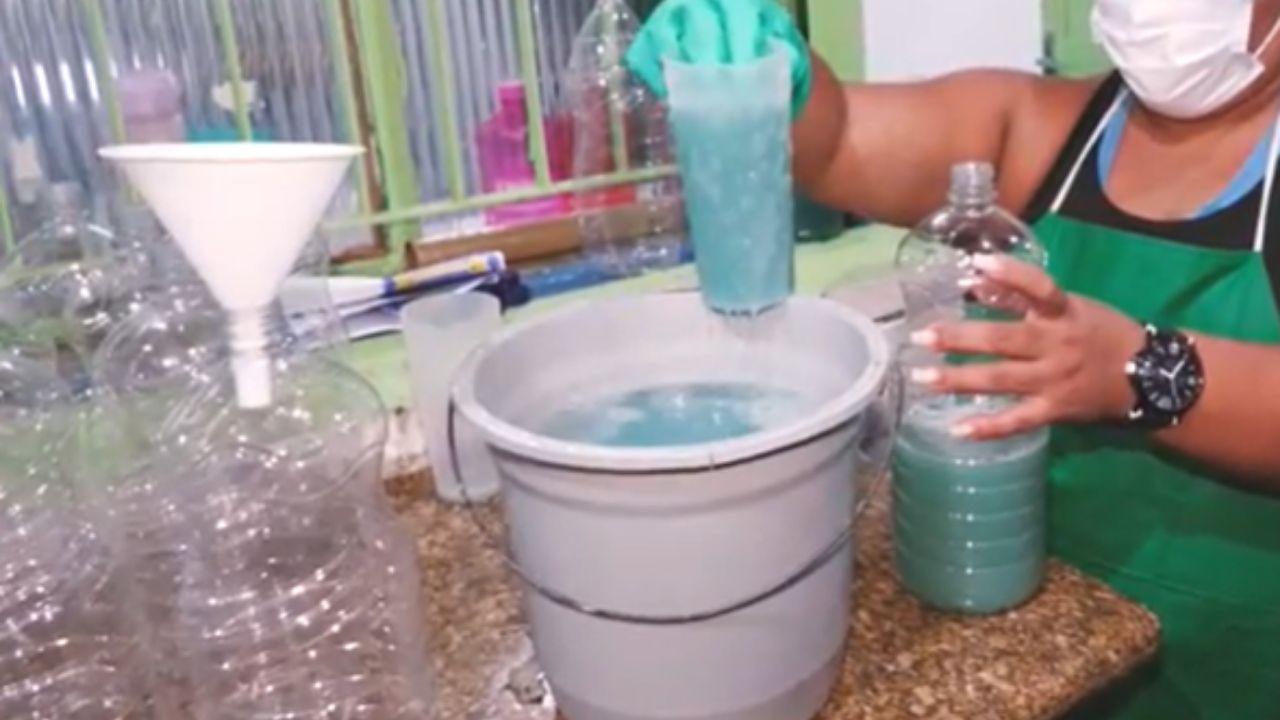
Starting in April 2025, Óleo no Ponto established four partnerships with large establishments in Rio de Janeiro: two hotels and two malls. Each partner has a container capable of storing up to 80 liters of oil. According to data released by the project to Mongabay, between January 2024 and March 2025, about 14.4 thousand liters of oil were collected from all collection points. Since the beginning of the partnerships with the hotel network, the monthly average increased by approximately 50%, reaching 1,800 liters per month. Since last year, the women trained by the project have participated in the creation of more than 5,000 items.
For environmental engineer Amanda Caroline Sousa, consulted by Mongabay, the project applies in practice the principles of the National Solid Waste Policy, embedded in the concept of circular economy. “Promoting a solution for oil disposal is to apply in practice the principles of the circular economy, when a waste is reinserted as raw material in another production process”, she stated. Adriana, in turn, is already eyeing the next step: placing Sabão do Morro on the shelves of major supermarkets in Rio de Janeiro, expanding the collection hubs, and continuing environmental education lectures in community schools.
Cooking oil that would go down the drain turned into soap, jobs, and environmental protection in the largest favela in Brazil. Do you already dispose of cooking oil correctly in your home? Do you know of any similar projects in your city? Leave your comment, this is a conversation that needs to expand beyond Rocinha.