Portuguese
  Spanish


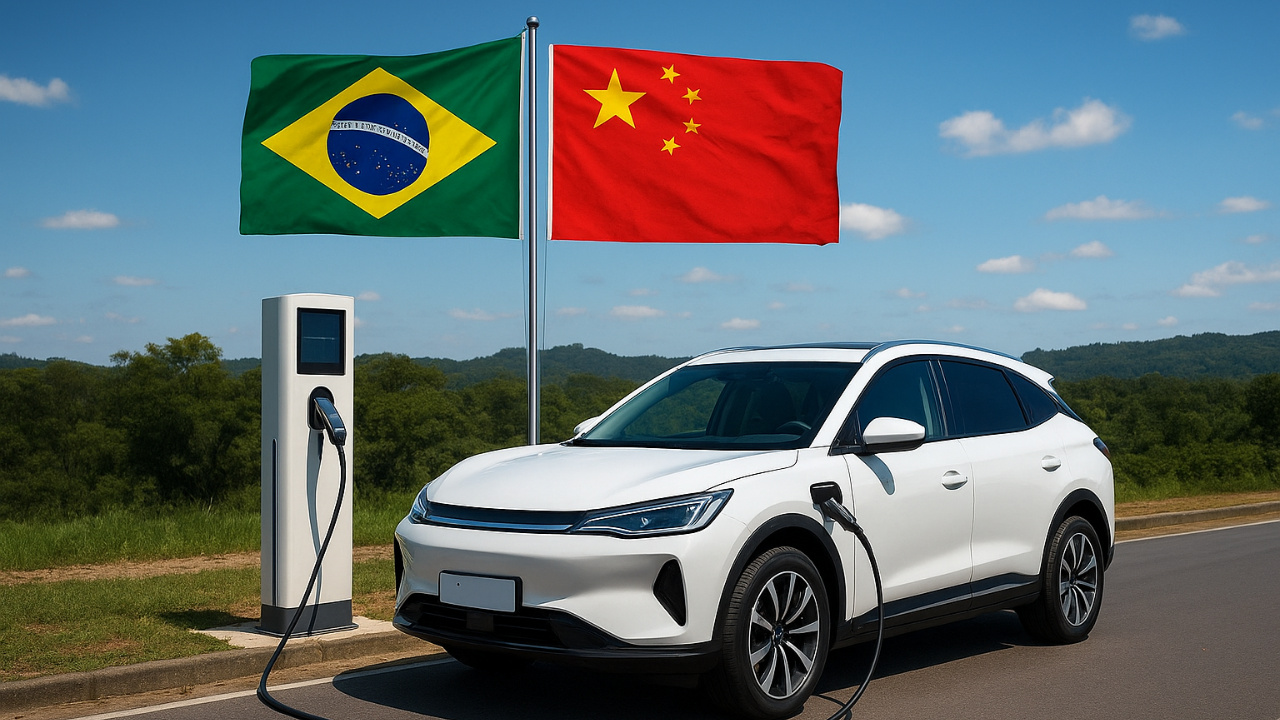

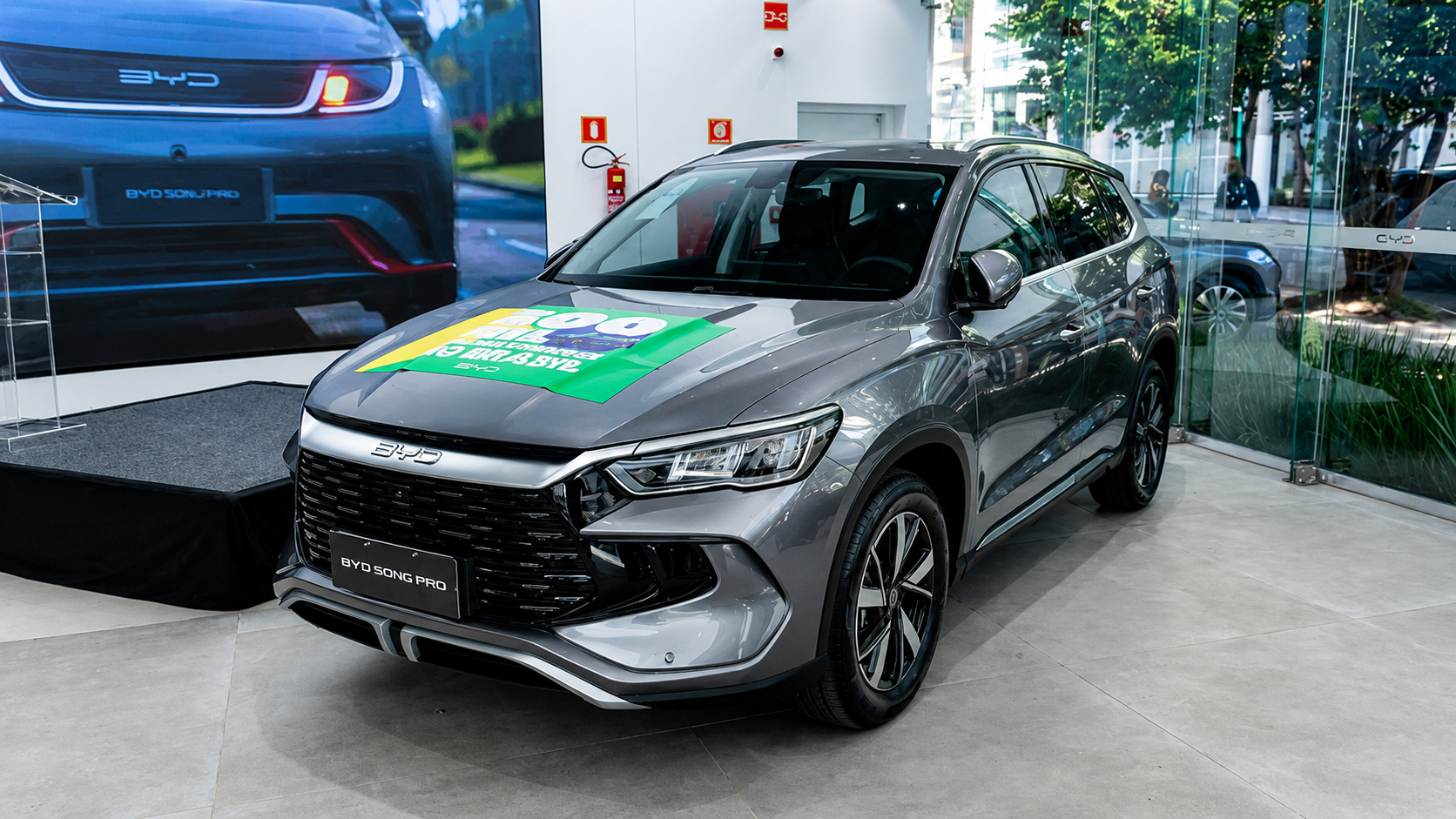
Chinese Brands Expand Their Presence in Brazil and Already Represent 11% of Electric and Hybrid Car Sales. Strategy Aims at Premium Vehicles Before Popularizing More Accessible Models.
The Brazilian automotive sector is experiencing an accelerated transformation. The presence of Chinese automakers is growing consistently, especially in the electric and hybrid car segment. In the first eight months of 2023, these brands have already reached 11% of passenger car sales in the country, and the expectation is that they will reach 15% soon, as reported this Tuesday.
This movement reflects not only China’s technological strength but also a change in the behavior of Brazilian consumers, who are increasingly open to sustainable and innovative vehicles.
Chinese Strategy Prioritizes Profit Over Volume
Experts point out that the strategy of Chinese brands in Brazil follows a different path. Instead of initially betting on volume, they focus on premium vehicles, priced above R$ 300 thousand, where they can achieve more robust profit margins than in their domestic market.
-
Chery Offers Lifetime Battery Warranty and Car Replacement for Major Failures Under New Chinese Regulations

-
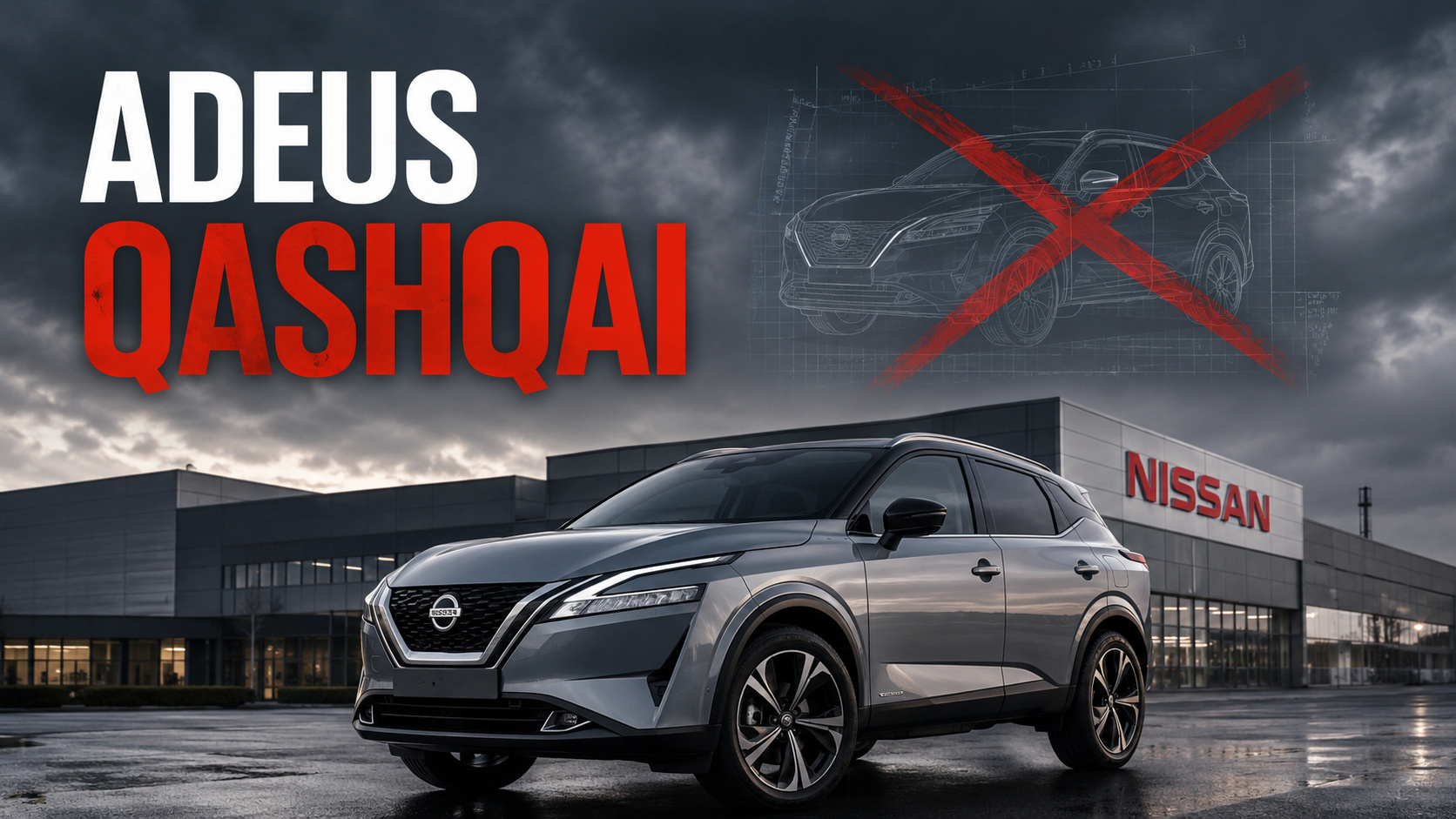
Nissan Discontinues Qashqai SUV Amid Cost-Cutting, Chinese Competition, and Product Line Review
-
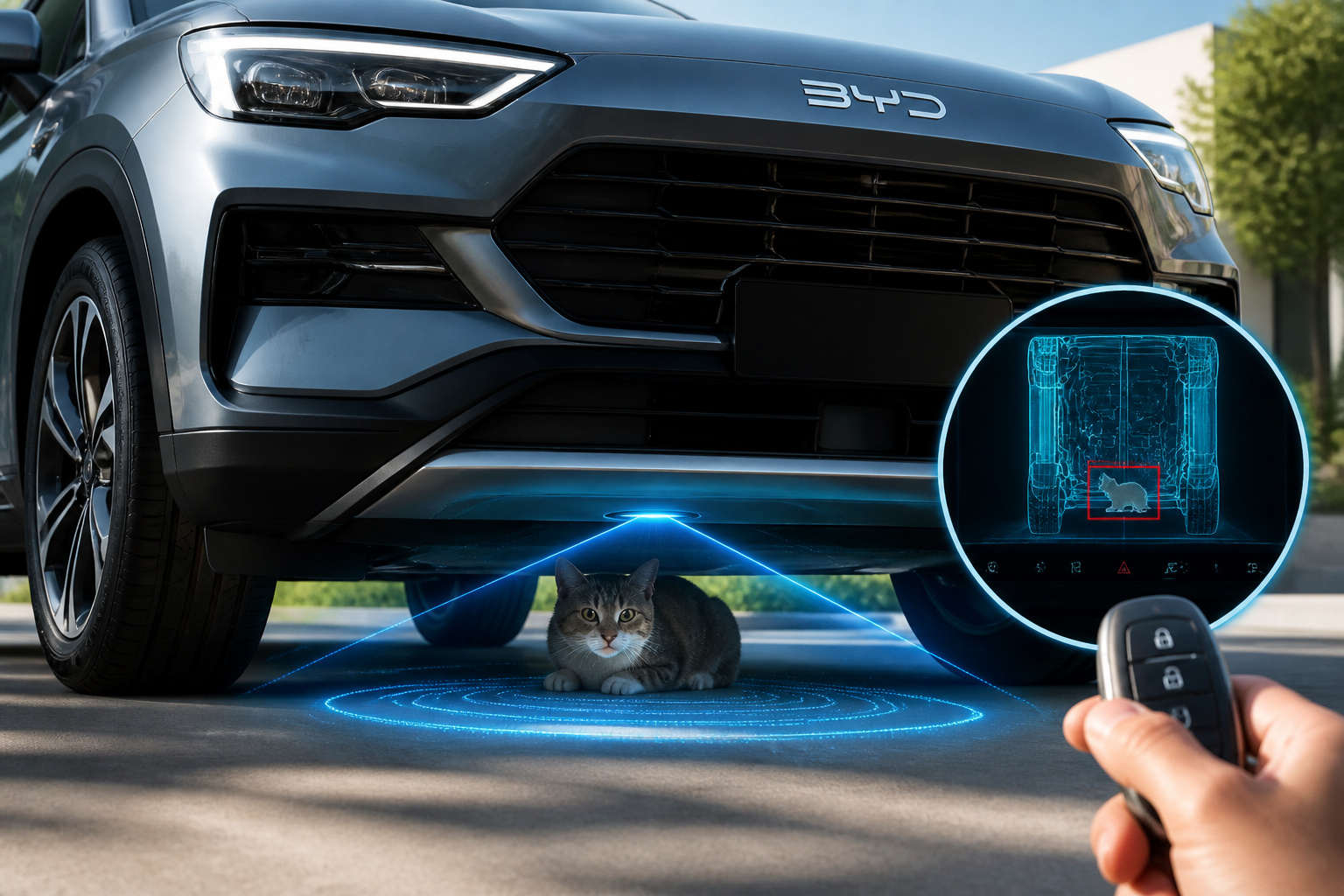
BYD Patents Revolutionary System Using Computer Vision to Detect Animals Under Cars Before Starting, Preventing Tragedies

-
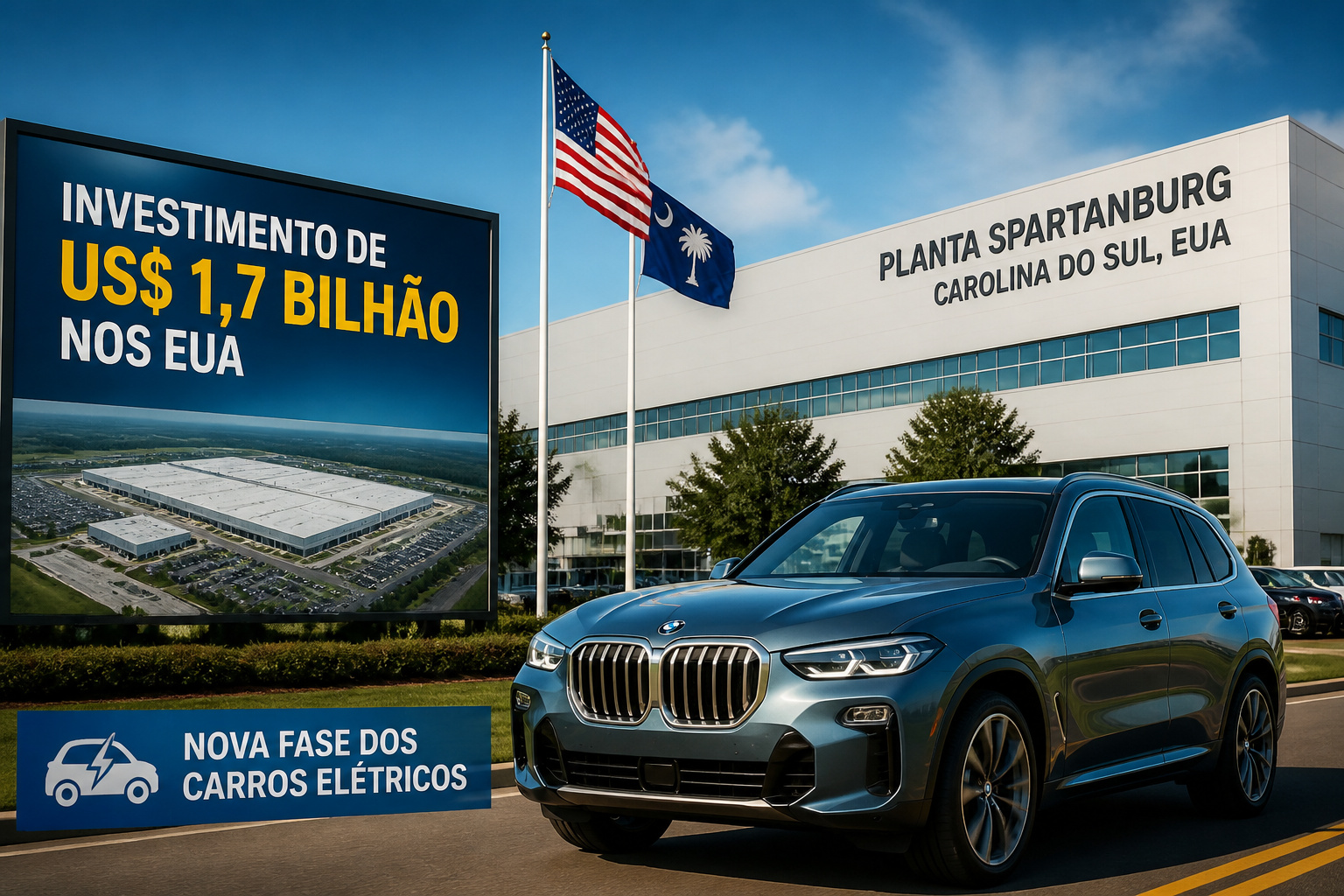
BMW Completes $1.7 Billion Investment in the U.S. for Electric Vehicle Production, Positions South Carolina for New Generation as Rivals Reassess EV Race
David Wong of Alvarez & Marsal evaluates that the choice of the luxury segment ensures financial stability for automakers and opens the door for a second movement: the arrival of more affordable electric cars, which could reach prices around R$ 100 thousand.
The Chinese advance has surprised traditional manufacturers. Rogelio Golfarb, former president of Anfavea, emphasizes that the new technologies brought by China, especially in plug-in hybrids and fully electric cars, have challenged local competitors.
To balance the competition, historical groups have been seeking strategic alliances. One example is the partnership between Stellantis and Chinese Leapmotor, which promises to accelerate electrification in the Brazilian market.
Brazil Bets on Electrification as an Environmental Policy
The entry of Chinese automakers occurs in parallel with the national effort to reduce emissions in urban transportation. Brazil, which previously relied mainly on renewable fuels, is now strengthening electrification as a pillar of its environmental policy.
This scenario creates opportunities for brands that dominate the entire production chain—from mining to battery development—like Chinese companies, which can offer more competitive costs without sacrificing innovation.
Despite the current focus on luxury models, analysts believe that electric cars from China will soon find space in the garages of the Brazilian middle class as well. This is because the sector is already preparing for a second phase: the popularization of sustainable vehicles before they become mere desirable items.
With consumers increasingly attentive to sustainability and technological advantages, the market for electric cars in Brazil is likely to become one of the most dynamic in the region, primarily driven by the Chinese strategy.