





 Portuguese
  English
  Spanish
  2 min of reading


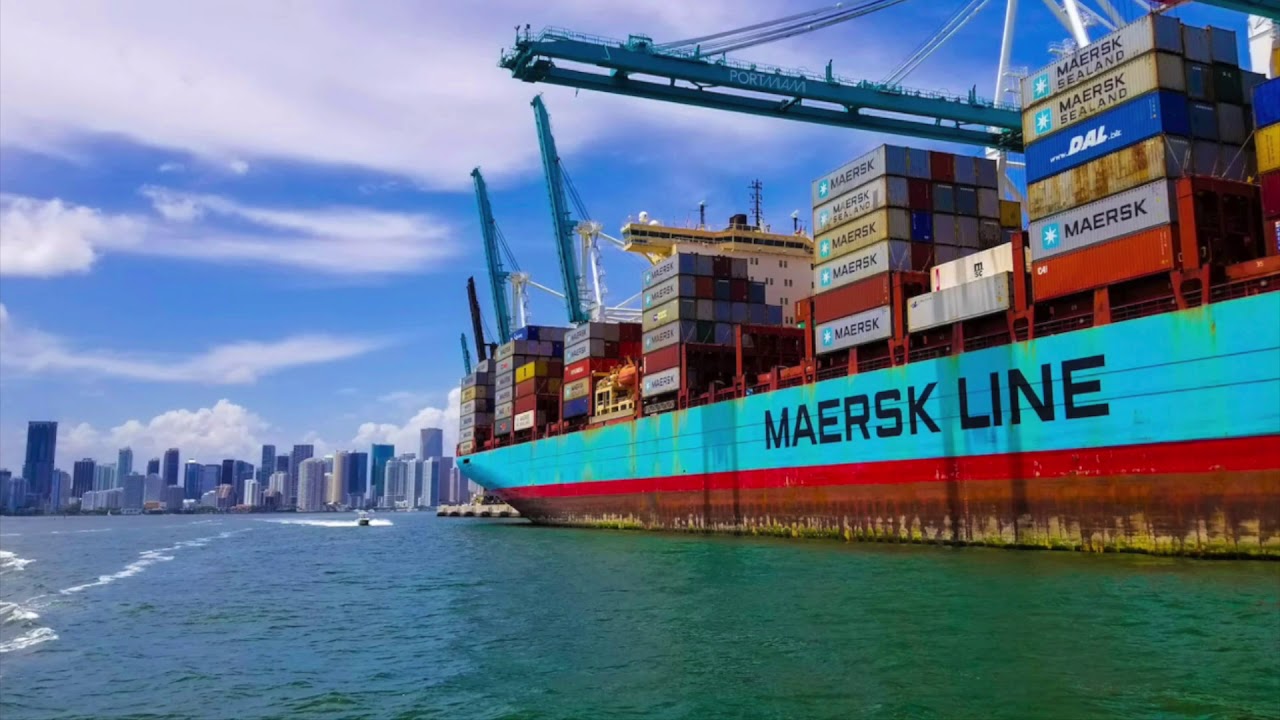
Maersk, a Danish logistics company with 119 years of existence, has stood out in the maritime shipping market by adopting a business diversification strategy.
With plans for investments of R$ 4 billion by 2025, the company aims to expand its solutions with air and truck freight, in addition to acquiring areas for storage. Executive Karin Schöner, president of the company on the East Coast of South America, is responsible for developing the company’s business in a promising region.
Doubled in size in just two years, Maersk’s expansion is one of the main reasons for the increase in revenue. In 2020, the company reported revenues of US$ 39.7 billion, in 2021 it was US$ 61.7 billion, and in 2022 revenue reached US$ 81.5 billion, representing a 105% increase in 24 months.
Maersk’s Investments in Brazil
With significant investments in Brazil, the Danish company aims to mature its business on solid ground. Today, the company has 20 offices in the country, 2,000 employees, and serves around 6,000 clients. Additionally, the company has 165 own trucks, 46 ships responsible for international freights, and 9 more ships dedicated to cabotage (between Brazilian ports).
-
INSS changes the rule and protects the benefit of those who do odd jobs: new measure prevents the immediate loss of BPC in situations that previously worried thousands of families and brings a little-known change for those seeking work.

-
Health costs pressure China to increase tax on cigarettes after the billion-dollar impact of smoking nearly doubles in 8 years

-
China’s major economic artery receives a megaproject worth $11.39 billion to allow ships to pass through the Three Gorges: new locks carved into the mountain promise to double the logistical capacity of the Yangtze River by 2050.

-
Banco Master has its liquidation recognized by the Bahamas Justice, expands the international scope of the process, and places overseas assets at the center of a billion-dollar dispute involving creditors, investigations, and cooperation between countries.




To meet the demand of its clients, Maersk has two subsidiaries (Aliança Navegação e Logística and Maersk Supply Chain Apoio Marítimo), one associated company (Itapoá Terminais Portuários, with 30% owned by the Danes) and a joint venture (Brazil Terminal Portuário). On national soil, the company invests in infrastructure by acquiring airports, trucks, and land to provide warehouses and distribution centers.
The Automotive Sector is One of Maersk’s Main Clients in Brazil
The automotive sector is one of the main clients of the company and also one of the responsible for the use of air services that the company operates at Brazilian airports using eight Boeing 777 freighters for global use. With these operations, Maersk seeks to ensure quality and efficiency in servicing clients, leading to continuous sales.
Amid intense competition in maritime container shipments, the diversification strategy adopted by the Danish giant has yielded good results. The Swiss Mediterranean Shipping Company is Maersk’s main rival, and both have about 17% of the global maritime shipping market share.
With its expansion on solid ground, Maersk seeks to continue transforming the market by offering increasingly comprehensive solutions for its clients. The company is on a significant transformation journey, moving toward an even more promising future in an increasingly competitive market.







-

1 person reacted to this.