Portuguese
  Spanish


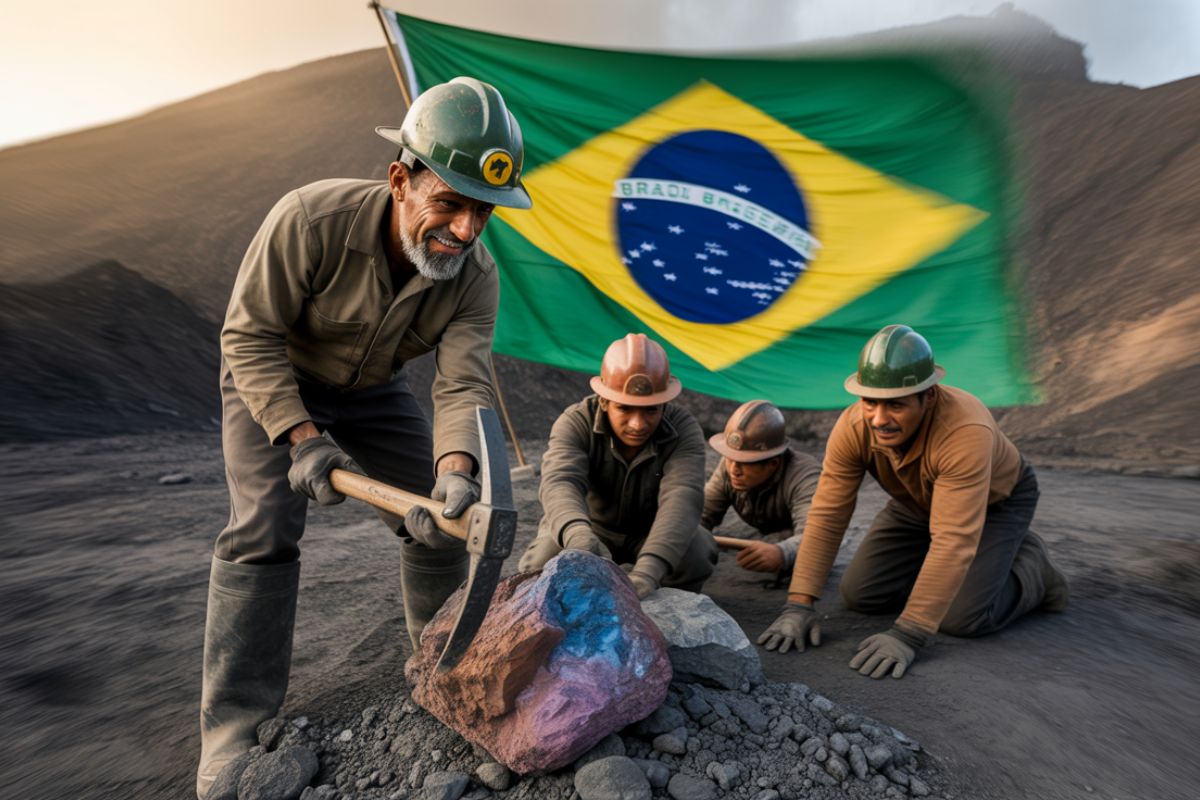


A Gigantic Deposit Over An Extinct Volcano In Minas Gerais, With Potential To Be One Of The Largest In The World, Places Brazil At The Center Of The Global Battle For Essential Minerals For Future Technology.
In southern Minas Gerais, over the crater of an extinct volcano that formed 120 million years ago, geologists and mining companies have discovered a treasure that could redefine Brazil’s role in the global economy. This is a colossal deposit over an extinct volcano in Minas Gerais, located in the Poços de Caldas plateau, which hosts one of the largest and richest rare earth reserves on the planet.
These 17 chemical elements, with names like neodymium and dysprosium, are the essential raw materials for manufacturing high-power magnets used in wind turbines, electric vehicles, smartphones, and missiles. The discovery not only confirms Brazil as the holder of the second largest global reserve of these minerals, but it also opens a historic opportunity to break China’s monopoly, which currently controls nearly 90% of global production.
The Unique Geology Of The Poços De Caldas Caldera
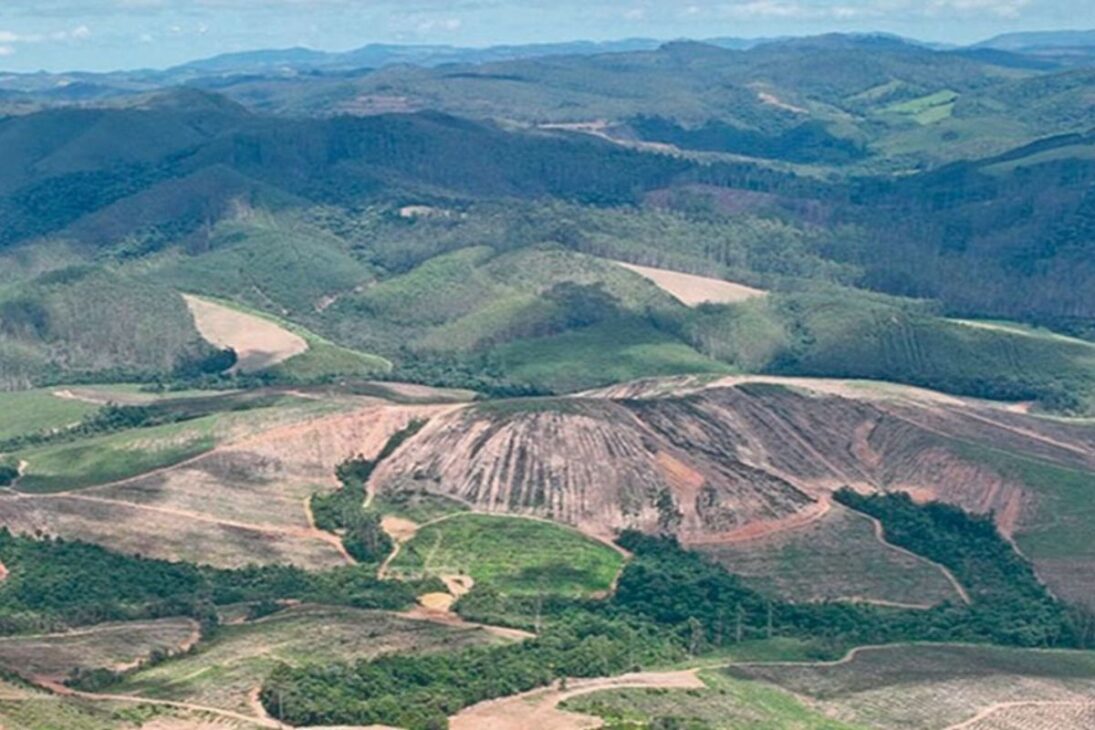
The richness of the deposit over an extinct volcano in Minas Gerais is due to its unique geological origin. Intense volcanic activity, which occurred millions of years ago, concentrated these rare elements in ionic clay deposits, a type of ore that offers crucial advantages:
-
China could reduce iron ore imports from 80% to 50% of consumption by 2030, while its share in global steel production falls from 52% to 46%, in a shift that could reshape the global market, says CMRG.

-
Brazil is sitting on one of the largest lithium reserves in the world, in the Jequitinhonha Valley, but national mining has almost become an appendage of China: 97% of the metal’s export goes to a single country, which also dominates refining.
-
Iron ore falls to 762 yuan in China as real estate sales decline and steel production hits lowest level since 2018
-
Brazil has minerals, clean energy, and a waiting market, but it could miss a billion-dollar opportunity if it doesn’t speed up the race for green minerals, while the steel industry seeks to reduce emissions.


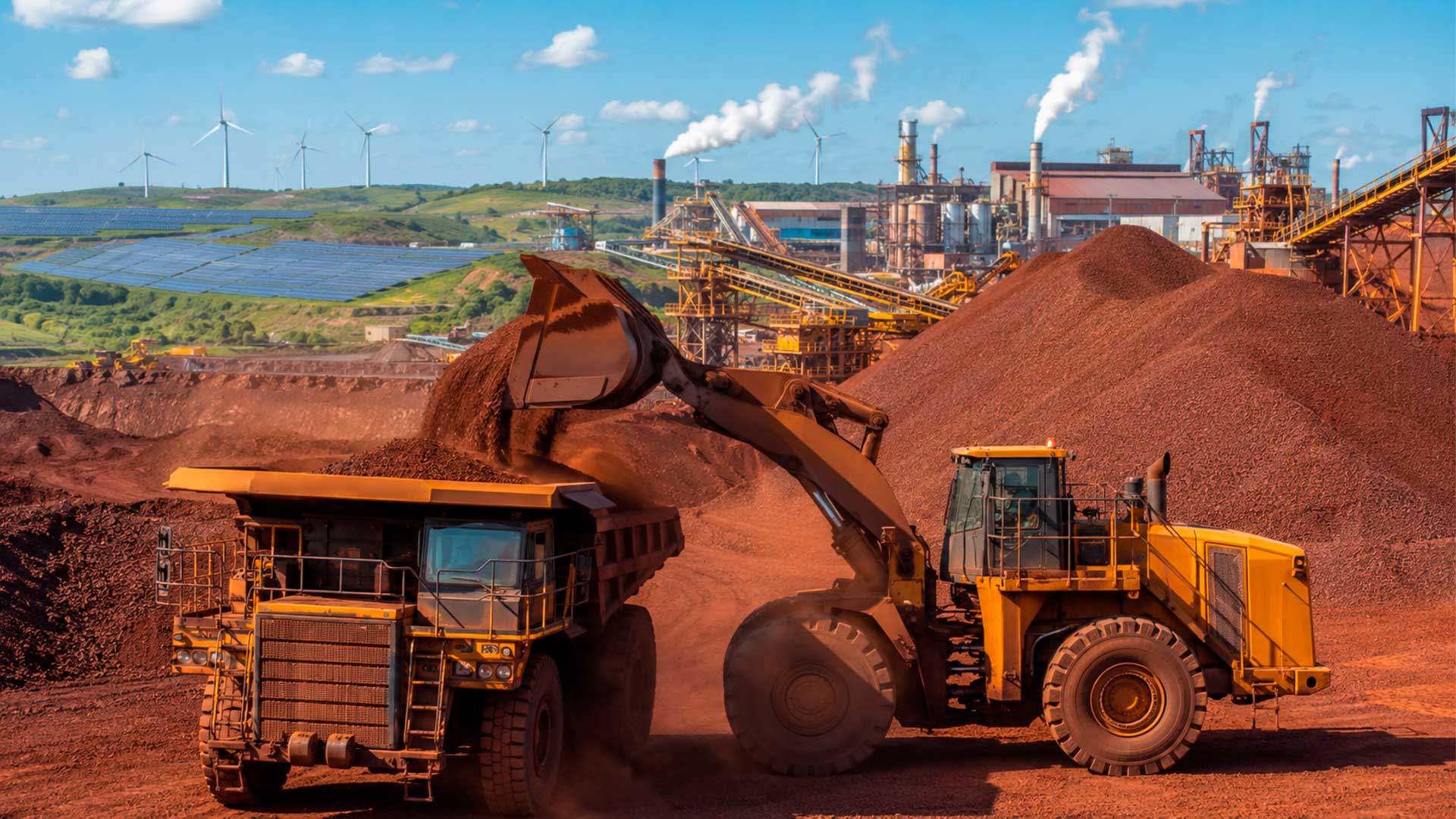
Easier And Cheaper Extraction: The deposits are shallow (up to 30 meters deep), eliminating the need for explosives and underground tunnels.
A Cleaner Process: The extraction method that uses saline solutions to “wash” the clay is considered much more sustainable and has a lower environmental impact than hard rock mining, which is predominant in China.
The Impressive Numbers
The potential of the region is enormous. Although only a small fraction of the area has been explored, the numbers already place the deposit over an extinct volcano in Minas Gerais on the global map.
- Reserves: Initial estimates point to 2 billion tons of clay rich in rare earths, with potential to reach 10 billion tons, which could meet a significant portion of global demand.
- Concentration: The average concentration of elements in the clay is 2,500 parts per million (ppm), a content considered high and economically very viable.
The Race For Technological “Gold”: Who Is Ahead?
The discovery has attracted the interest of international mining companies, mostly from Australia, which are already heavily investing in the region.
Meteoric Resources: Leads the Caldera Project, with plans to start production in 2026, focusing on a low environmental impact operation.
Viridis Mining and Minerals: Is developing the Colossus Project and has already announced it has achieved a “world record” in the recovery rate of minerals in its tests, and plans to establish a refining and recycling center in the region.
The Impact For Brazil: From Raw Material To Technology
For Brazil, the exploration of the deposit over an extinct volcano in Minas Gerais represents an opportunity to go far beyond simply exporting raw materials. The great challenge is developing the technology to refine these minerals in the country, adding value and creating a national production chain.
The economic potential is estimated at tens of billions of dollars annually, generating thousands of jobs and diversifying the export agenda. More than that, mastering the production of rare earths could guarantee Brazil’s technological sovereignty, making the country a key player in the energy transition and the high-tech industry of the 21st century.
And you, what do you think about the potential of this deposit over an extinct volcano in Minas Gerais? Do you believe that Brazil will be able to turn this mineral wealth into technological development? Leave your opinion in the comments!