





 Portuguese
  English
  Spanish
  5 min of reading
  4 comments




With Presence in Over 20 Countries, the Largest Meat Processor in the World Leads in Cattle and Chicken and Ranks Second in Pork, Supported by Acquisitions, Strong Brands, and Global Scale
The Largest Meat Processor in the World started as a small butcher shop in Anápolis (GO) and has transformed into a group that employs over 280,000 people and supplies markets on five continents. A leader in beef and chicken, and second in pork, JBS combines an acquisition strategy, a multi-protein portfolio, and popular brands to maintain its dominance.
In 2024, the company reported R$ 417 billion in net revenue, solidifying its status as a giant in Brazilian agribusiness. Expansion remains active: operations in over 20 countries, investments in new plants, and an innovation arm in biotechnology focused on cultivated protein demonstrate a commitment to scale and technology—while environmental and governance controversies keep the company in the spotlight.
Who is JBS and Where Does It Operate
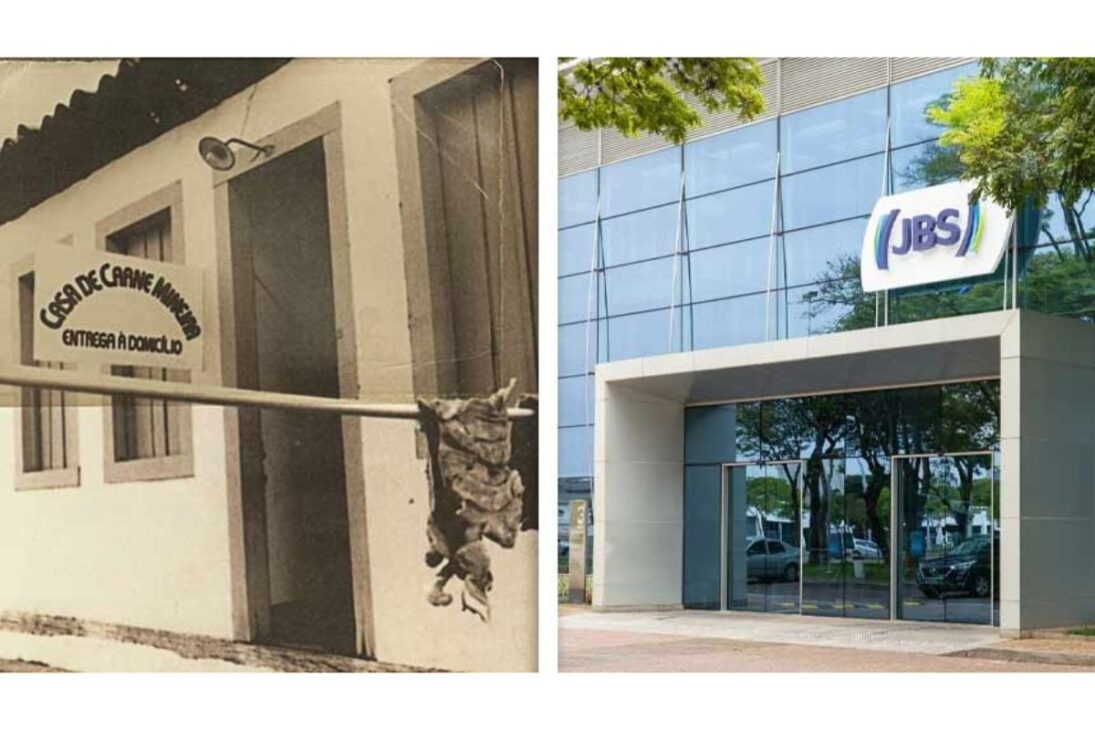
The journey began in 1953 with Casa de Carnes Mineira, founded by José Batista Sobrinho, and evolved into a global multi-protein conglomerate.
-
Mathematician who claims to have predicted the last three champions points out the winner of the 2026 World Cup, and the name that came out of the model surprised many people.

-
Archaeologists opened intact Roman tombs in the heart of Rome with food offerings and objects kept for 2,000 years.

-
Supermarket in Bahia faces administrative proceedings after grinding meat at night to sell the next day, raising an alert about the “Ground Meat Law”

-
Between 1 and 2 million people live in vehicles in the United States according to estimates, and a Brazilian spent a day testing how they bathe, eat, and sleep given the high cost of rent.


Today, the largest meat processor in the world operates units in the Americas, Europe, Oceania, and Asia, connecting farms, processing plants, and distribution centers to retail and food service networks.
This reach is supported by a decentralized structure by country and protein, improving capital allocation and diluting regional risks.
The result is a rare ability to respond to cycles in cattle, chicken, and pork prices, redirecting volumes to markets with better profitability.
How JBS Became a Global Leader
The scale leap occurred through strategic acquisitions both inside and outside Brazil. Abroad, the acquisition of Pilgrim’s Pride (USA) and Tasman Group (Australia) expanded participation in poultry and cattle.
In the country, Seara (2013) consolidated the presence in poultry, swine, and processed foods, strengthening the multi-protein strategy.
This inorganic expansion was combined with operational gains: process standardization, international logistics, and contracts with major chains, which guarantee demand predictability.
In terms of volume and revenue, the company has taken the lead in the sector, remaining a reference for global competitors.
Portfolio and Brands: From Raw to Value-Added
JBS operates in beef, poultry, pork, and lamb, as well as processed foods and ready-to-eat meals. In Brazil, brands like Friboi, Seara, and Swift anchor its presence in retail and digital.
The mix has evolved from raw cuts to higher value-added items, a strategy that reduces volatility and improves margins.
For industrial clients and food service, global scale allows for standardization of specifications, traceability, and continuous supply, a differentiator for large chains requiring regularity and sanitary certifications.
Revenue, Investments, and Global Presence
With R$ 417 billion in net revenue in 2024, the company reinforced its cash flow to expand capacity and modernize plants.
Among recent moves, the company announced the largest cattle plant in Latin America in Campo Grande (MS) and an investment of US$ 70 million in Paraguay in poultry (2025).
The listing in New York was planned to strengthen the capital structure and accelerate diversification, expanding access to international investors.
This financial and geographical advancement solidifies the largest meat processor in the world at an uncommon level of predictability in the sector, although still subject to cattle supply cycles in the USA and tariff changes in key markets.
Sustainability and Innovation: Goals and Technological Fronts
At the Biotech Innovation Center (Florianópolis), the company researches cultivated protein and processing technologies.
At the same time, it maintains zero deforestation goals for direct and indirect suppliers in Brazilian biomes, using traceability and digital solutions for monitoring.
It’s a contested field: civil society organizations question goals and deadlines, while the company highlights efforts in clean supply chain, animal welfare, and emission reduction.
The transition to higher value-added products and R&D initiatives support the long-term thesis in innovation.
Comparisons: How JBS Positions Itself Against Rivals
Globally, Tyson Foods is the main counterpart, especially in North America.
JBS surpasses the rival in revenue and geographic coverage, following acquisitions that included assets of Tyson itself in Brazil and Mexico (2014).
With Cargill, it competes in agribusiness and processing; with Marfrig and Minerva, it measures strengths in cattle in South America; and with BRF, it shares the poultry and pork market in Brazil.
JBS’s competitive advantage lies in its multi-protein approach and geographic diversification, which buffer against supply and price shocks.
The challenge is to sustain margins in adverse cycles, such as the cattle market in the USA, and to respond to regulatory and reputational pressures in several countries.
Controversies and Risks Under Scrutiny
The company faces environmental criticisms linked to the risk of deforestation in the supply chain, with fines and reports from NGOs maintaining pressure for full traceability.
In the legal and regulatory realm, actions in the USA and Brazil have addressed competitive, labor, and governance allegations, and the company has settled in some cases.
These points reinforce the need for transparency and strengthened governance.
For investors and business partners, the test is execution: meeting environmental goals, enhancing compliance, auditing indirect suppliers, and maintaining consistent public communication about progress and non-conformities.
What to Watch in the Coming Quarters
For those following the largest meat processor in the world, three vectors should guide the short and medium term:
(1) Cattle cycle in the USA and spreads in beef; (2) international trade, with tariffs and agreements impacting volumes and prices; (3) ESG and traceability, especially in Northern Brazil, where image risk and market access are more sensitive.
On the strategic side, gains in value-added, execution in R&D, and selective expansion in geographies with competitive costs should protect margins and maintain leadership against Tyson, Cargill, Marfrig, Minerva, and BRF.
JBS stands atop as the largest meat processor in the world, supported by scale, multi-protein offerings, and strong brands, and challenged by ESG, cycles, and regulation. Now, we want to hear from those living this daily: producers and suppliers, are traceability requirements changing the commercial relationship? buyers and retailers, is the delivery and quality standard stable across different countries?




Uma grande lavadora de dinheiro público usso sim!!
Quando se é o sócio(laranja) dos que estão no governo federal, mesmo dando prejuízo, o sócio banca os rombos!
Quando cresce dessa maneira, é igual ao PCC e ao CV, niguém segura mais!
Há possibilidades de crescer com trabalho, e Não roubando do povo BRASILEIRO!
Talvez o brasileiro que é o simples e humilde trabalhador, acredite nessa falácia!
Parabéns é lindo ver o país crescendo .