Portuguese
  Spanish


Enjoy Free Screenings and Discover the Solar-Powered Mobile Cinema That Brings Culture and Sustainability to Jundiaí.
The city of Jundiaí takes an important step in democratizing culture and, at the same time, in promoting sustainability by hosting the solar-powered mobile cinema, an innovative initiative that combines technology, art, and environmental awareness.
In this way, the project, known as CineSolar, arrives in the city with free screenings of short and feature films, providing the population with a unique and accessible experience.
More than entertainment, the action also combines education, leisure, and reflection on energy futures.
-
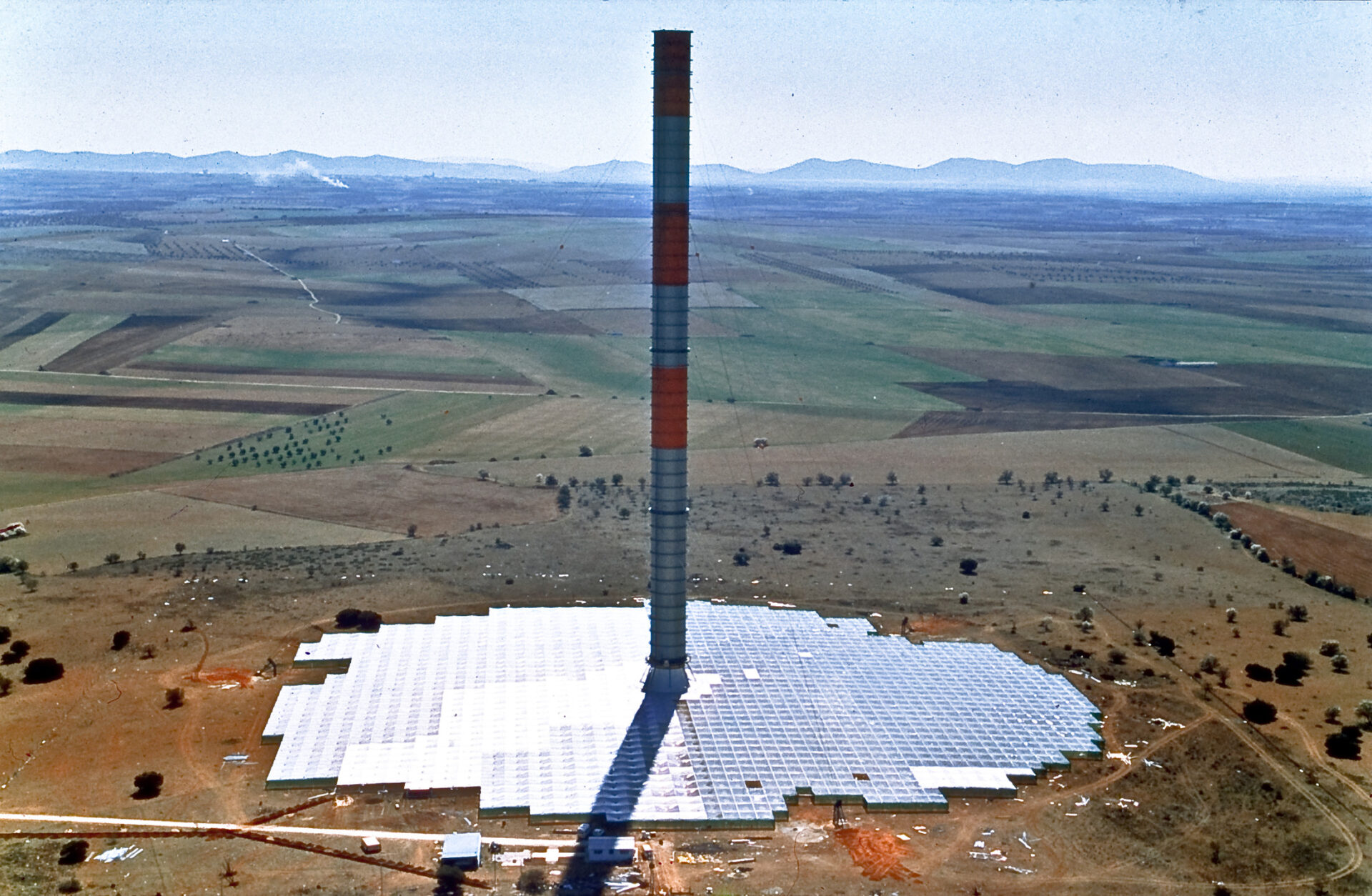
Solar Chimney in Spain Harnessed Sun to Generate Electricity for 7 Years Without Burning Fuel

-
Solar energy reaches 55 GW, becoming the second largest power source in Brazil’s energy mix

-
Solar energy can increase property value by up to 10% and become a selling point.
-
Solar and wind energy surpass natural gas for the first time in the world and accelerate energy revolution




In fact, the concept of mobile cinema is not new. Since the early 20th century, mobile projectors brought films to small towns and rural areas where permanent movie theaters did not exist.
Thus, these early experiences brought the population closer to cinematic culture, often with the aims of entertainment and education.
With the advancement of technology and, consequently, environmental awareness, a new proposal arises: the solar-powered mobile cinema, which democratizes access to culture and contributes to environmental preservation.
Furthermore, CineSolar evolves the old mobile cinemas.
Its adapted van has solar panels that capture the sun’s energy and power the entire audiovisual system.
Therefore, this innovation allows film screenings to take place in public locations, without the need for polluting generators or conventional electricity consumption.
Consequently, the initiative brings culture to different neighborhoods and encourages the use of renewable energies, thus reinforcing the importance of sustainable practices in everyday life.
Additionally, the project encourages an interdisciplinary approach to culture.
By visiting CineSolar, children and young people learn about science, technology, and art simultaneously.
Therefore, the experience goes beyond entertainment, as it sparks curiosity about how solar energy is practically applied in various sectors of society, promoting environmental awareness from an early age.
Program and Audience Experience
In Jundiaí, the project takes place at the Francisco Gastaldo Educational, Cultural, and Sports Complex, located in the Morada das Vinhas neighborhood.
The activities begin at 6:30 PM, with the screening of short films from different genres, designed for all ages.
Right after, at 7:30 PM, the feature animation completes the free programming for the entire community.
Additionally, the audience can visit the CineSolar van and get to know closely the structure that transforms solar energy into culture and entertainment.
Indeed, the initiative reflects a growing trend in Brazil and around the world, where sustainable cultural projects gain ground as a way to encourage conscious consumption and environmental education.
Moreover, the use of solar energy in cultural activities clearly demonstrates how technology can ally with art and sustainability.
Consequently, this type of project widens the debate on alternative energy sources and reinforces the need to reduce dependency on non-renewable resources.
Historically, the relationship between cinema and education includes many itinerant initiatives.
During the 20th century, especially in rural areas of Brazil, trucks and mobile theaters exhibited educational and informative films, often encouraged by government programs or cultural associations.
Thus, these mobile cinemas brought the population closer to knowledge and cultural expressions, even in hard-to-reach regions.
Therefore, the solar-powered mobile cinema maintains this tradition, but with a modern view focused on sustainability and technological innovation.
Furthermore, the project connects the audience to new forms of cultural consumption.
Instead of relying solely on large movie theaters or digital platforms, people experience cinema in a communal and outdoor setting.
This way, the experience strengthens the sense of community and revives the classic experience of going to the movies, now with a modern and sustainable approach.
Social and Educational Impact
The social impact of the project goes beyond the cinematic experience.
By offering free screenings, CineSolar ensures that children, young people, and adults have access to culture, regardless of their economic status.
Moreover, the initiative encourages community interaction, as the events take place in public spaces, promoting meetings and dialogues among residents.
In times of increasing digitalization and social distancing, actions like this reinforce the importance of in-person culture and collective sharing.
Another relevant aspect of CineSolar is its educational character.
By watching films powered by solar energy, the audience reflects on the role of renewable energy in modern society.
Thus, the initiative becomes a practical example of sustainability, showing that it is possible to align technology, culture, and environmental responsibility.
Additionally, this approach sparks interest in topics such as solar energy, environmental preservation, and technological innovation, contributing to the formation of more conscious citizens.
The solar-powered mobile cinema also represents a milestone in the decentralization of culture.
Often, cultural offerings concentrate in large urban centers or regions with established infrastructure.
However, itinerant projects like CineSolar break these barriers, bringing art and entertainment to different neighborhoods and cities.
This way, democratization strengthens local cultural identity and values the diversity of experiences, making culture accessible to everyone.
Furthermore, the project encourages the appreciation of local culture.
Films, shorts, and audiovisual content can include stories from the region, strengthening cultural memory and encouraging local talents to express themselves artistically.
Therefore, this dialogue between cinema and community reinforces people’s emotional connection to their city, making cultural learning more meaningful.
Institutional Support and Reflections on Sustainability
For the City Hall of Jundiaí, the arrival of CineSolar demonstrates commitment to sustainable culture and access to education and leisure.
Moreover, the Cultural Management Unit emphasizes that initiatives like this strengthen decentralization policies, allowing each territory in the city to receive innovative cultural actions.
The project exemplifies how public policies can stimulate creativity, technological innovation, and environmental awareness simultaneously.
Beyond the social and cultural impact, CineSolar opens doors to discussions about the future of energy and sustainable mobility.
The use of solar energy in a mobile cinema proves that ecological solutions work, even in sectors traditionally dependent on conventional resources.
Therefore, this experience inspires new ideas and encourages the adoption of sustainable practices in different areas of society.
The project also values direct contact with technology.
By visiting the adapted van and observing the functioning of the solar panels, the public practically experiences the potential of clean energy.
Thus, this educational experience is especially relevant for children and young people, who playfully understand the importance of sustainable technologies for the future of the planet.
Another highlight is the interdisciplinarity of the experience.
The audience not only watches films but also learns about science, the environment, and technological innovation.
Thus, this integrated approach stimulates creativity and awakens vocations in areas such as engineering, cinema, design, and sustainability, contributing to the personal and professional development of new generations.
Culture, Technology, and Sustainability Walking Together
In summary, the solar-powered mobile cinema that arrives in Jundiaí offers more than a free movie program.
It unites culture, technology, and sustainability, reviving traditions of past mobile cinemas and incorporating present innovations.
In this way, the initiative promotes cultural inclusion, environmental education, and community togetherness, becoming an example of how art and science can walk together for the benefit of society.
The presence of CineSolar in Jundiaí demonstrates that it is possible to align leisure and environmental awareness, providing cultural experiences accessible to all.
Moreover, by transforming solar energy into entertainment, the project promotes cinema and inspires reflection on the role of each individual in building a more sustainable future.
Thus, Jundiaí positions itself as a reference in innovative culture and environmental responsibility, showing that access to art and technology can be democratic and sustainable.