Portuguese
  Spanish


USPTO Interview Features Kavita Shukla, Founder of The FRESHGLOW Co. and Inventor of FreshPaper, a Botanical Sheet That Preserves Fruits and Vegetables Up to Four Times Longer, Inspired by Grandmother’s Spices in India, Tested Since School and Patented in the United States on 04/16/2002 to Reduce Food Waste.
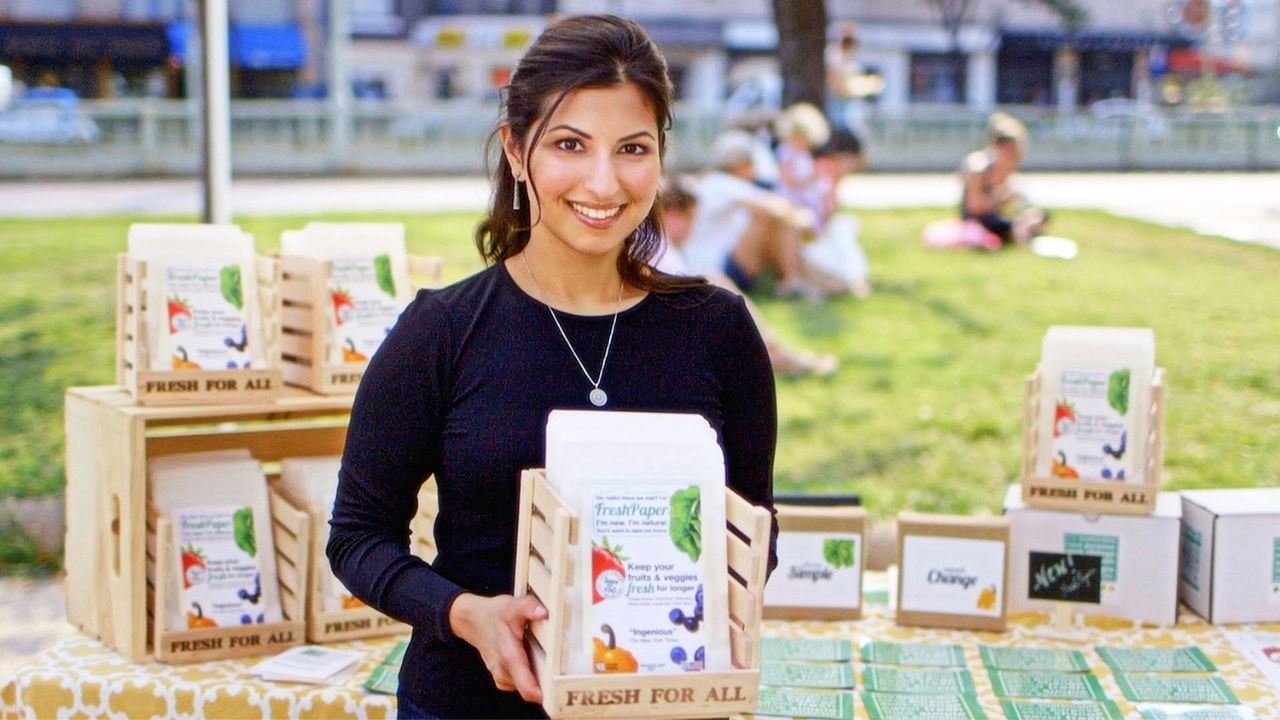
The technology that preserves fruits up to four times longer began with a home experiment and became FreshPaper, a sheet infused with botanical compounds. The invention is attributed to Kavita Shukla, founder and CEO of The FRESHGLOW Co., in an interview published by the USPTO, the United States patent office.
According to the USPTO, the idea was born when Kavita was 12 years old, after visiting her grandmother in India and observing the use of a homemade spice mixture. What started as scientific curiosity in school turned into a patented product, designed to reduce food losses without relying on refrigeration.
Idea Born After an Experience with Spices in India
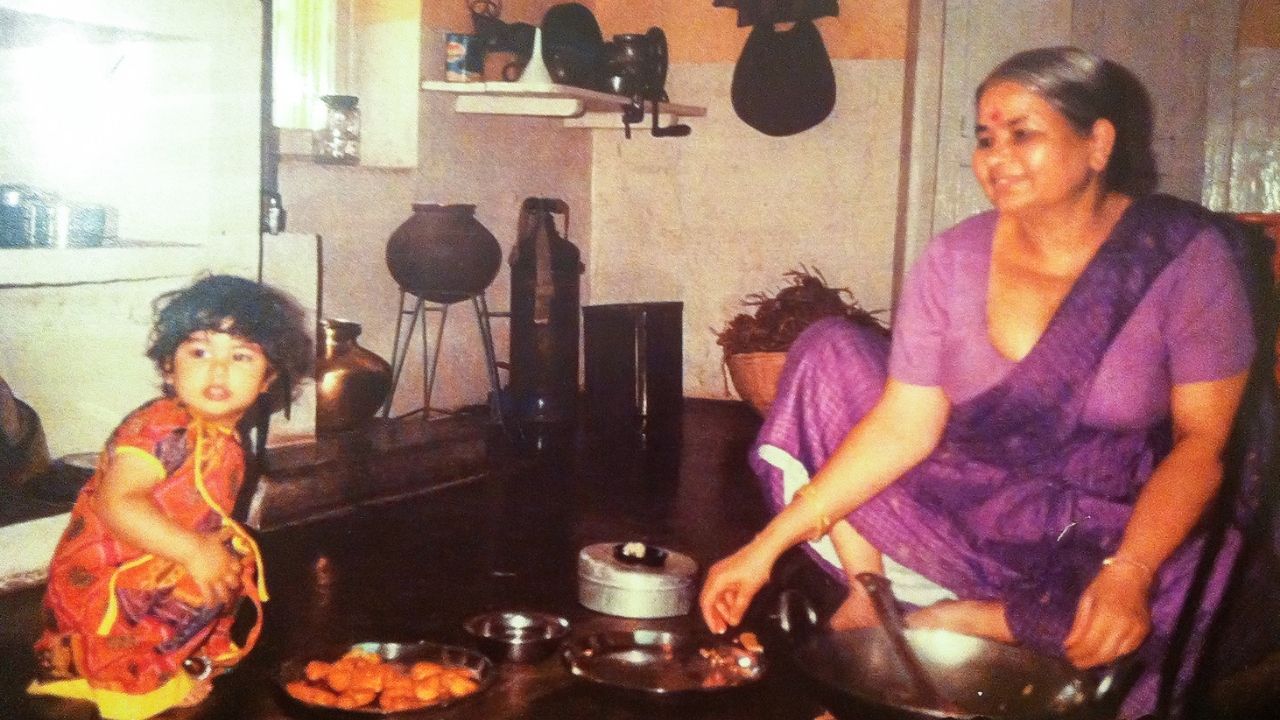
Kavita Shukla told the USPTO that, at the age of 12, during a trip to India to visit her grandmother, she accidentally drank tap water while brushing her teeth. Since there was a risk of contamination, her grandmother prepared a homemade spice mixture.
-
South Korea Tows 18 Concrete Blocks Weighing Up to 48,000 Tons Over 36 km to Construct a 3.2 km Underwater Tunnel Between Busan and Geoje, Installed Nearly 50 Meters Deep

-
Chinese Tianwen-2 Mission Targets Near-Earth Asteroid After 1 Billion Kilometer Journey to Collect Ancient Samples, Aiming to Uncover Clues About Water, Organic Compounds, and Solar System Origins Before Heading to a Comet

-
France Constructs 900-Meter Sea Wall in Brest, Expands Port by 14 Hectares for Marine Renewable Energy Hub
-
New Discovery Suggests Prehistoric “Hobbits” May Have Survived on Komodo Dragon Remains




She did not get sick, and the episode sparked her curiosity about the power of botanical ingredients. From there, the young girl began to investigate how natural compounds could affect food preservation and microorganism growth.
FreshPaper Started as a School Science Project
Kavita herself states that FreshPaper started as a high school science project. In the initial tests, she compared fruits, like strawberries, in containers with pond water and spice mixtures, observing differences in spoilage.
These initial experiments helped form the basis of the technology. The logic was simple: create an accessible, easy-to-use sheet capable of preserving fruits and vegetables for longer, without requiring expensive equipment or a cold chain.
Botanical sheet promises to keep food fresh for longer
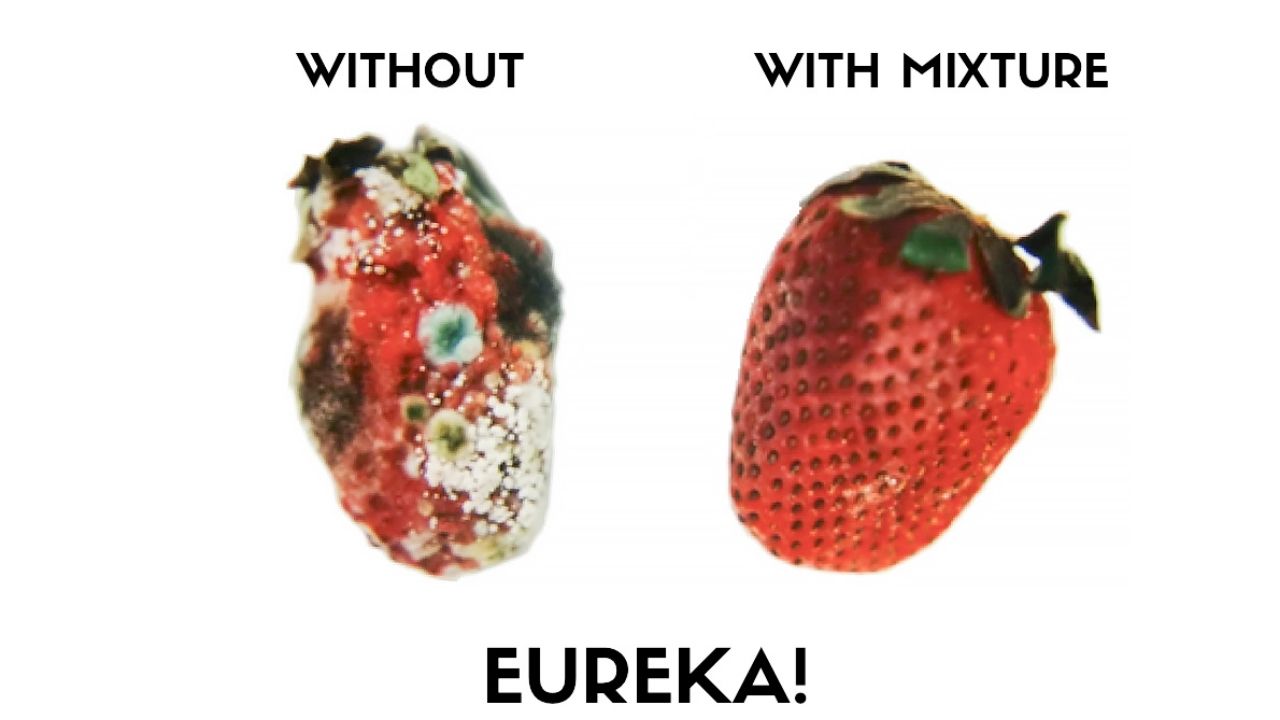
FreshPaper is described by the USPTO as a sheet infused with botanical ingredients, capable of keeping agricultural products fresh for longer periods. The source informs that, because of the spice mixture, the food can last up to four times longer.
This promise draws attention because it addresses a common stage of waste: food that spoils in the fruit bowl, at the market, or in the kitchen before being consumed. The technology does not replace good storage practices but offers a simple intervention to prolong the shelf life of products.
Patent in the USA changed the path of the invention
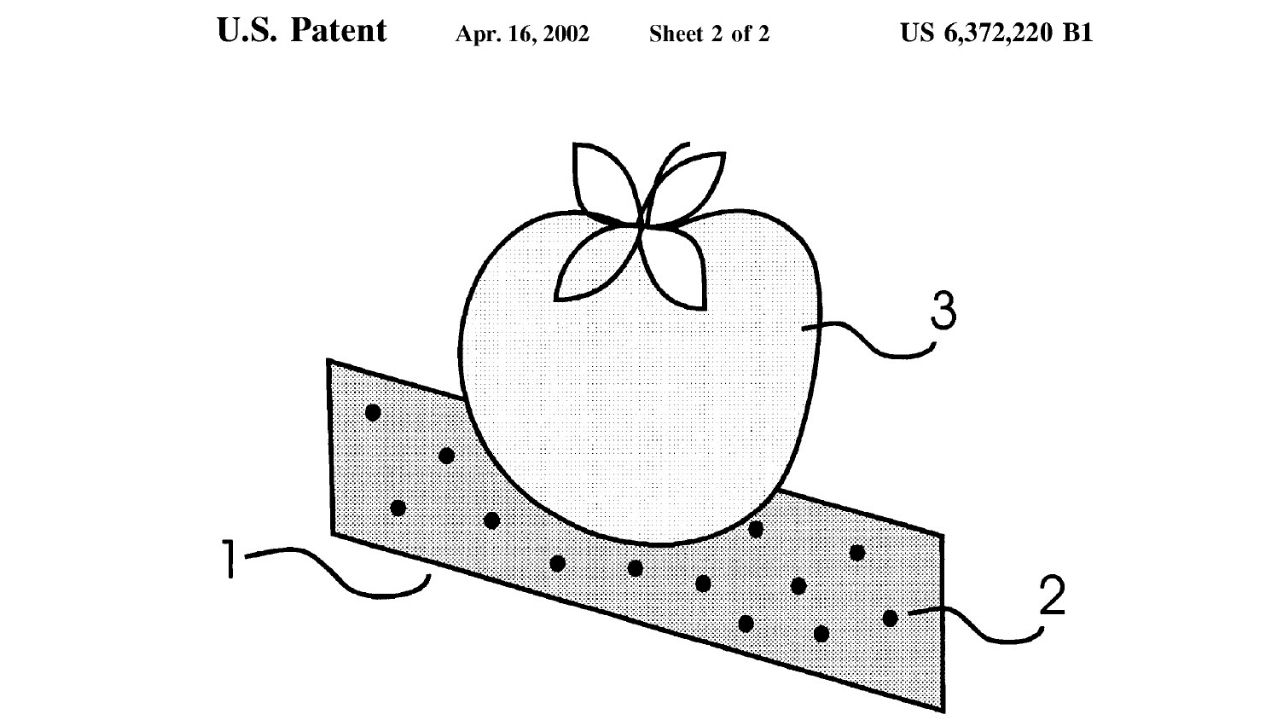
The USPTO informs that Kavita Shukla received the U.S. patent no. 6,372,220 B1 on April 16, 2002. The patent deals with a material impregnated with fenugreek for the preservation of perishable substances.
Intellectual protection was decisive in transforming the idea into a business. According to Kavita, the patent provided a foundation to undertake, protect the invention, and guide how the product would reach the market. Without this step, FreshPaper might have remained just a school experiment.
Product was designed for those without a refrigerator
The lack of refrigeration appears as one of the central motivations for the invention. Kavita reports that her grandmother grew up without a refrigerator and states that more than a billion people still live without access to refrigeration.
This context helps explain why a sheet that preserves fruits can have an impact beyond the domestic kitchen. In places without a refrigerator, refrigerated transport, or adequate storage, prolonging the life of food can reduce losses before consumption.
Food waste became a global problem at the center of the company
In the interview, Kavita highlights that the world produces enough food to feed the population, but still loses more than a third of the global food supply. She also mentions that more than 800 million people go hungry every day.
FreshPaper enters this debate as a small solution to a huge problem. The strength of the product lies precisely in tackling a simple part of waste: preventing fruits, vegetables, and other foods from spoiling too soon in homes, markets, and food banks.
From local market to business with a global vision
Before scaling the idea, Kavita took handmade sheets to a farmers’ market in Cambridge, Massachusetts. She reports that she produced the material in her small apartment, bought supplies at a hardware store, and took the product to the local market.
The experience showed that farmers and consumers also faced food losses on a daily basis. This local test was important because it put the invention in the hands of real people before any major expansion.
The FRESHGLOW Co. organized the invention as a company
Kavita Shukla is presented by the USPTO as the founder and CEO of The FRESHGLOW Co., a company linked to FreshPaper. The trajectory shows the transition from a school invention to a structured initiative with product, brand, patents, and intellectual property strategy.
The source also informs that Kavita holds four U.S. patents. This data shows that FreshPaper does not rely solely on a good story, but on a formal foundation of protection and technology development.
Innovation draws attention for being simple and replicable
FreshPaper stands out by not relying on a device, motor, app, or refrigerator. The proposal is to use a botanical sheet placed with food to prolong freshness.
This simplicity helps explain the interest in the product. In a market accustomed to complex solutions, a sheet that preserves fruit for longer seems small but addresses a daily problem: food bought, not consumed in time, and wasted in the trash.
The invention also shows the value of starting small
Kavita reports that she faced doubts and obstacles before moving the idea forward. The interview shows that the turning point came when she decided to share the product with farmers and consumers in her own community.
This point is relevant for entrepreneurs and inventors. An innovation doesn’t need to start on a large scale to prove its value; sometimes, the first real test happens at a fair, with regular users, direct feedback, and continuous adjustment.
What this sheet reveals about the future of food
FreshPaper shows how a low-complexity solution can tackle a global problem. The technology preserves fruits and vegetables for longer, reduces waste, does not depend on a refrigerator, and was born from a combination of traditional knowledge, botany, and patent protection.
The question is whether simple solutions like this can gain more space in combating food waste. Do you believe that small home technologies can change the way fruits and vegetables are preserved, or does the problem depend more on logistics, conscious consumption, and major changes in the food system? Leave your opinion in the comments.