Portuguese
  Spanish


BNDES Expands Investment in Circular Economy
The National Bank for Economic and Social Development (BNDES) approved, in September 2025, a financing of R$ 400 million for Lwart Environmental Solutions in Lençóis Paulista.
This investment is part of a total investment of R$ 713 million.
The goal is to expand the capacity of the world’s largest lubricant oil re-refining unit.
With this, Brazil consolidates itself as a leader in the circular economy of the industrial sector.
According to Folha de S. Paulo, the project transforms Lwart into the second largest global recycler.
-
Green Roofs on Homes Gain Popularity for Reducing Heat, Noise, and Rain Impact in Brazil

-
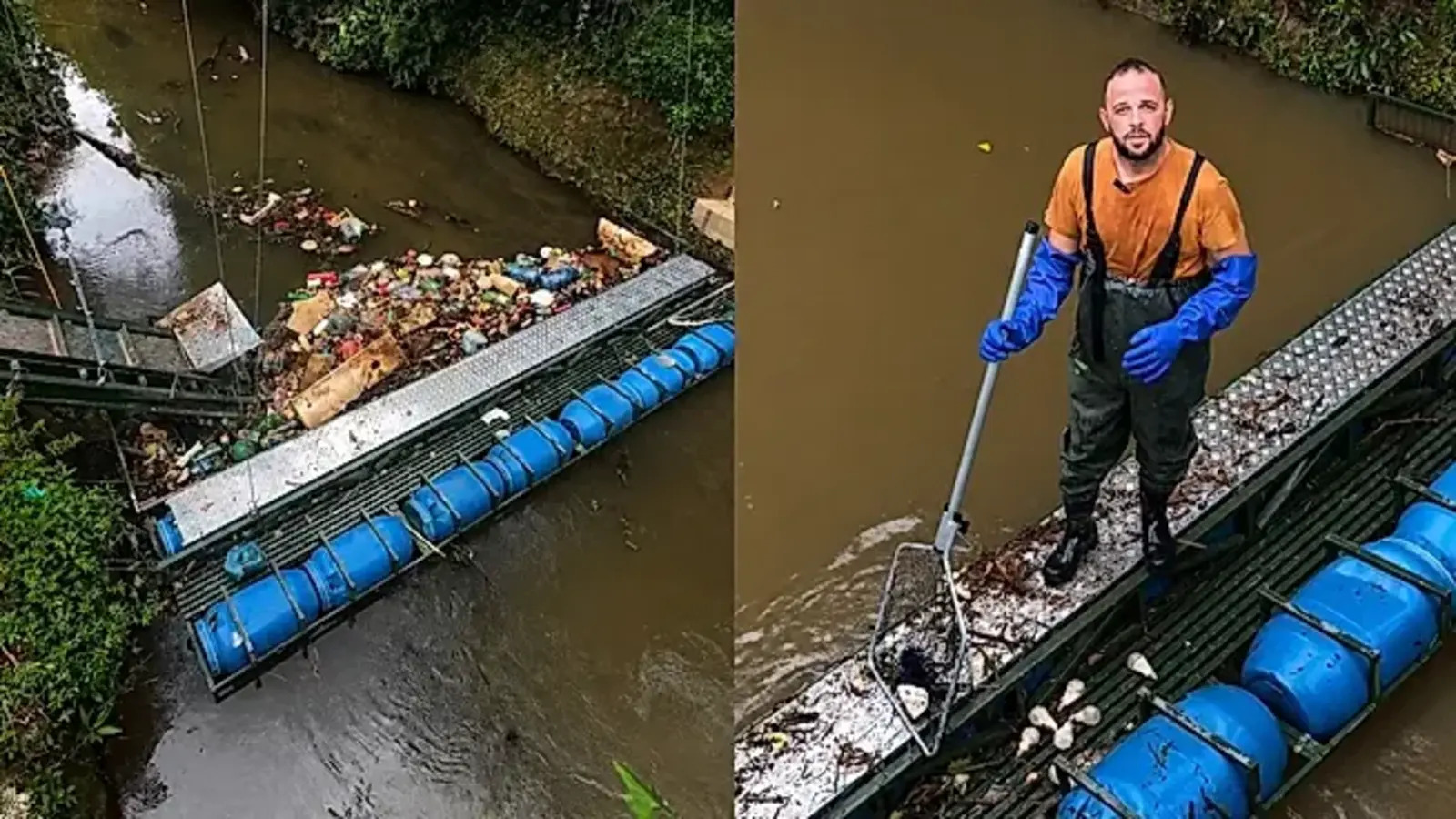
Brazilian promises his children to save a river, creates an eco-barrier in his backyard, has already removed more than 40 tons of trash from the water, and even inspires the idea in other states of the country.

-
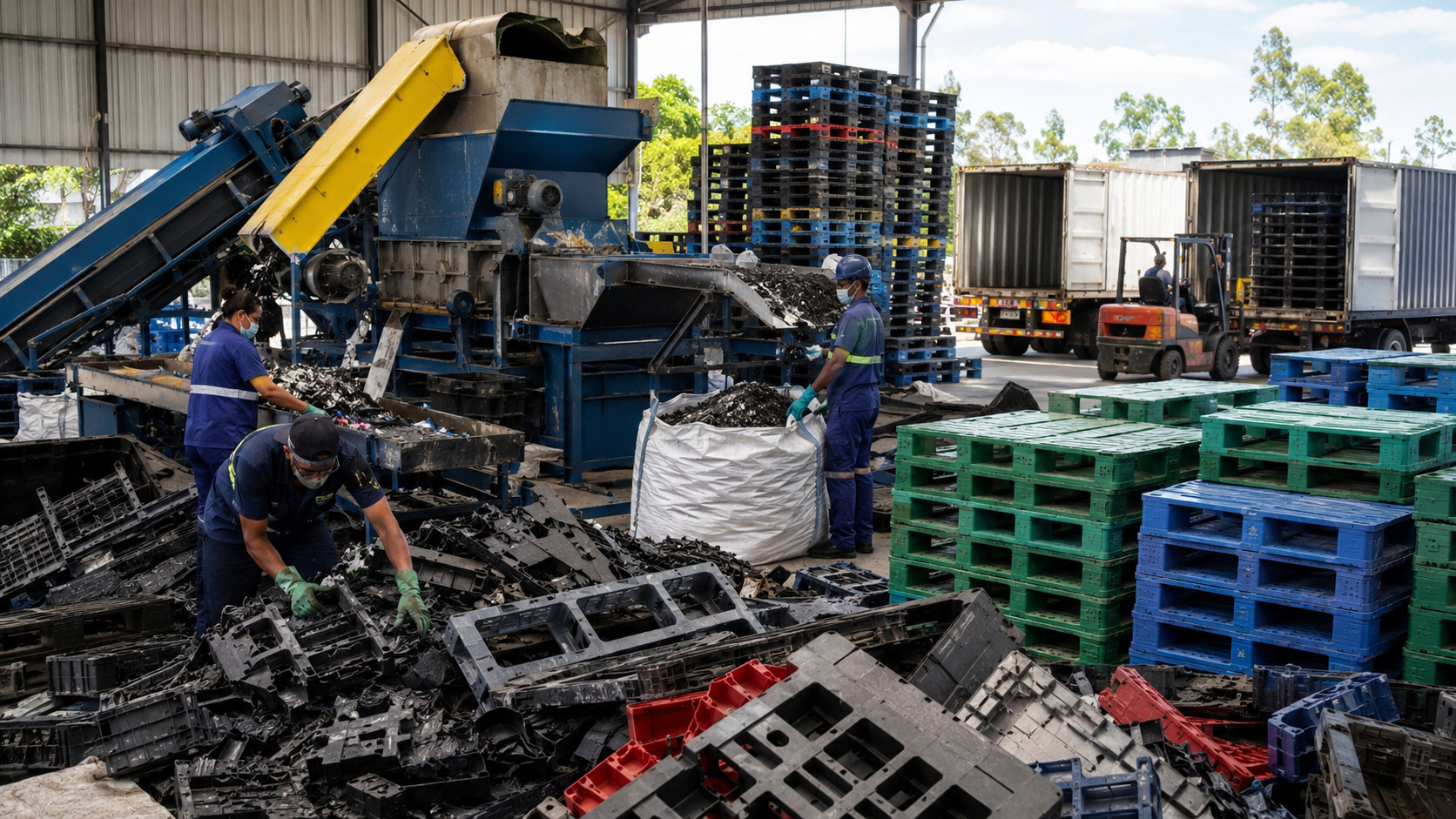
How a Brazilian company created a system that transforms broken pallets of any brand into new assets, recycles 80 tons of plastic per month, and found a profitable solution to a problem that challenges industries across the country.
-
Invasive bullfrog capable of devouring other amphibians and laying up to 20,000 eggs is found in Florianópolis, raising an alert about the threat to native fauna.


The company operates in the segment of used and contaminated lubricating oils.
Thus, the country gains a strategic position in the international recycling scene.
Production Capacity Gains Significant Expansion
Lwart’s factory already processes about 240 thousand cubic meters of used oil per year.
From this total, it generates 178 thousand cubic meters of reconditioned oil.
With the expansion, the capacity will have an additional leap of 144 thousand cubic meters per year.
This will make the plant a global reference in industrial sustainability.
The financing is divided between the Climate Fund, responsible for R$ 320 million, and the Finem line, with R$ 80 million.
This investment represents 56% of the total needed.
The forecast is that the expansion will make the São Paulo plant one of the most modern in the sector.
Brazil will then lead mineral oil recycling in the world.
Positive and Strategic Environmental Impact
According to Aloizio Mercadante, president of BNDES, the environmental impact will be significant.
In 2025 alone, the project will avoid the emission of 501,707 tons of CO₂ equivalent.
This number would correspond to the refining of virgin oil to obtain the same volume of base oil.
This reduction strengthens the national decarbonization policy and reduces external dependence.
The re-refining also prevents toxic waste from being disposed of in the environment.
Thus, the importance of recycling lubricating oils is reinforced as a measure for environmental preservation.
Re-refining Process and Sustainable Cycle
The Lwart process consists of collecting contaminated oils at gas stations, workshops, and industries.
Afterward, the material undergoes specialized treatment and is transformed into sustainable mineral oil.
This product returns to the market ready to be reused by industries that manufacture new lubricants.
This practice ensures energy efficiency and strengthens the logic of circular economy.
In this model, waste becomes productive input again.
Thus, Brazil positions itself as a global model for sustainable reuse.
The country manages to align technological innovation, environmental preservation, and industrial competitiveness.
This movement enhances national prominence in the face of international climate goals.
Global Relevance and Future Projection
With this advancement, Lwart Environmental Solutions expands its national relevance and, at the same time, strengthens its strategic role. Meanwhile, Brazil consolidates itself as a global leader in sustainable industrial practices.
Furthermore, the project creates a connection between public investment, industrial innovation, and environmental responsibility, thus generating lasting positive impacts. At the same time, strategic policies transform entire sectors and elevate Brazilian competitiveness.
Thus, the expansion of the São Paulo plant reinforces Brazil’s role in the global market and, consequently, accelerates new trade partnerships. At the same time, oil recycling grows in light of decarbonization goals.
Above all, the country strengthens its international image and assumes a prominent position. And, in the face of this movement, the inevitable question arises: Will Brazil definitively take the global lead in the circular economy?