






 Portuguese
  Spanish
  3 min of reading
  1 comment


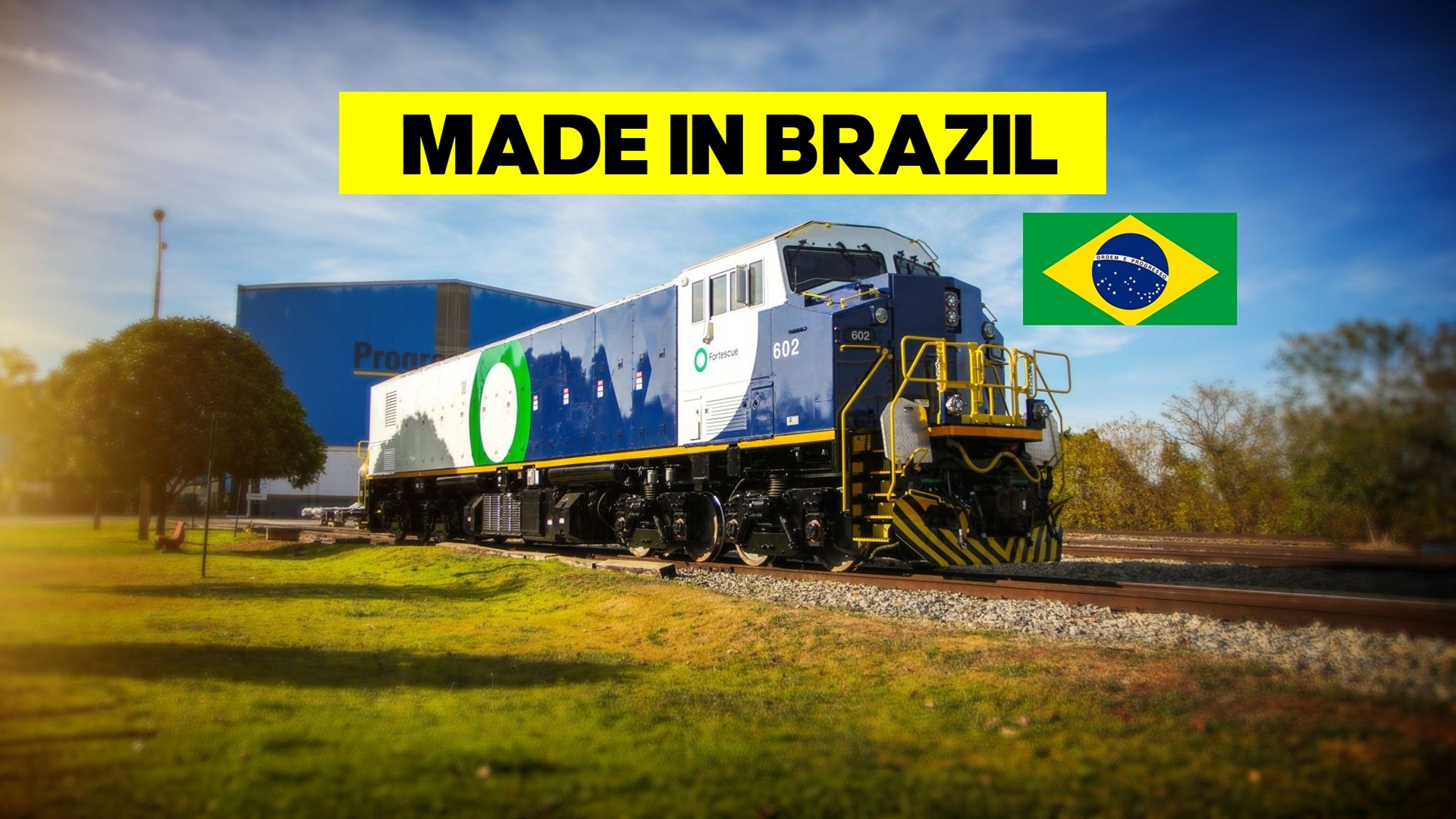


Built in Brazil, Electric Locomotives with 14.5 MWh Batteries Arrive in Australia, Enter Operation in Iron Ore Transport, and Start to Replace Diesel Locomotives on Heavy Rail Routes
The Australian miner Fortescue announced the arrival of the world’s largest battery electric locomotives, with 14.5 MWh, intended for iron ore transport between mines and ports in Western Australia, marking a significant advance in the electrification of heavy rail transport.
According to information from the Setelagoas website, the locomotives arrived in the city of Port Hedland on the last day of December 12.
The EMD SD70J-BB locomotive, entirely powered by electricity, represents a historic advance for the Brazilian railway industry. Manufactured by Progress Rail, a subsidiary of Caterpillar, at the facility located in the Cidade de Deus neighborhood, the equipment was delivered in January of this year and traveled by ship, with an initial stop in South Africa, before arriving in Australia.
-
Retired trains leave European tracks and become tons of steel, aluminum, and copper in dismantling yards where recycling exceeds 90%, but batteries, composites, and electronics create a new frontier of railway waste.

-
The strategic railway of Santa Catarina will receive R$ 608 million, will undergo historic modernization, and could transform logistics between Mafra and the Port of São Francisco do Sul.
-
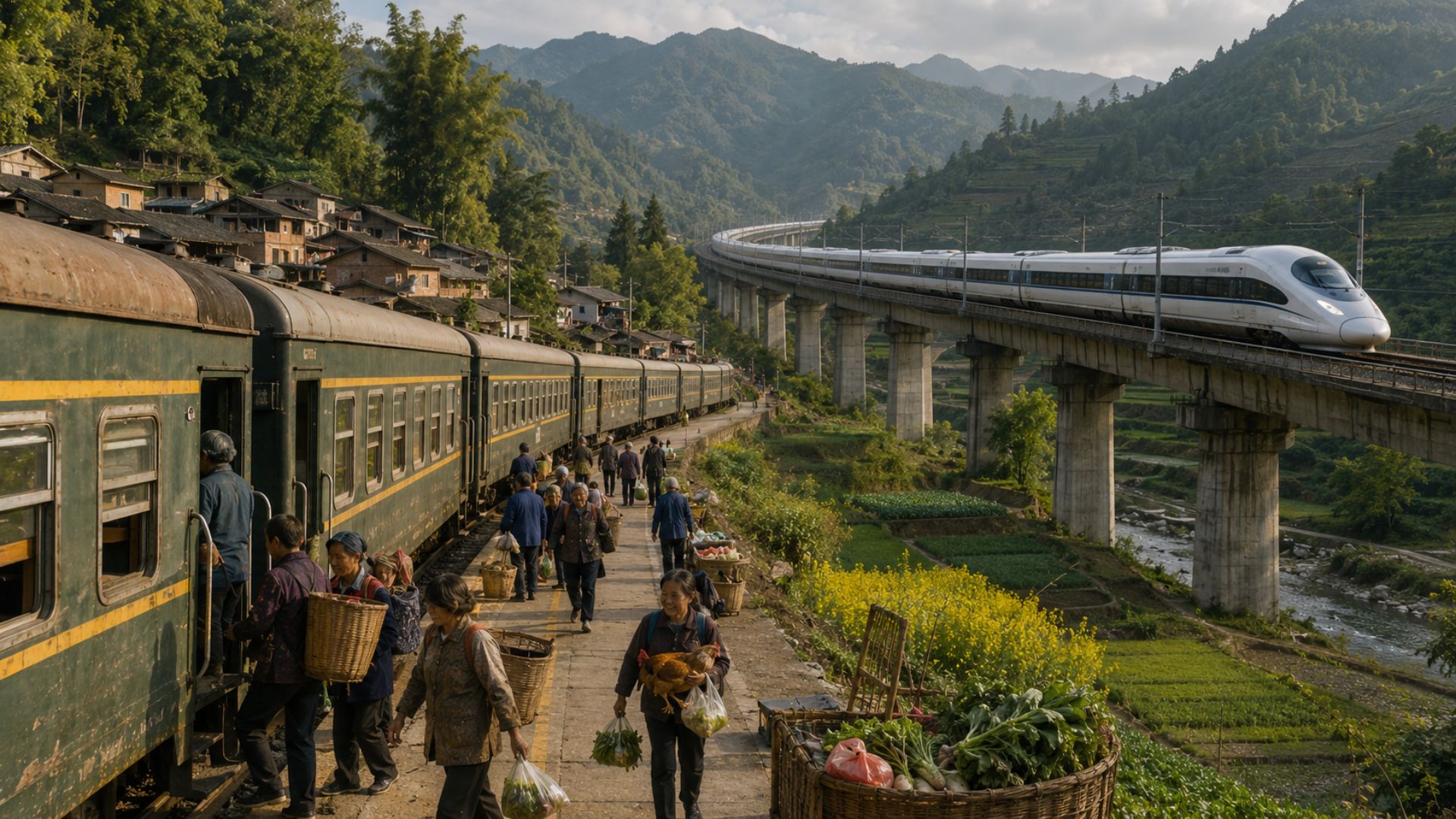
While showcasing bullet trains traveling at over 300 km/h, China maintains about 81 slow train lines that travel at 40 km/h, charge less than R$ 2 for a ticket, and cross remote villages carrying residents, students, and even chickens and vegetables to the market.

-
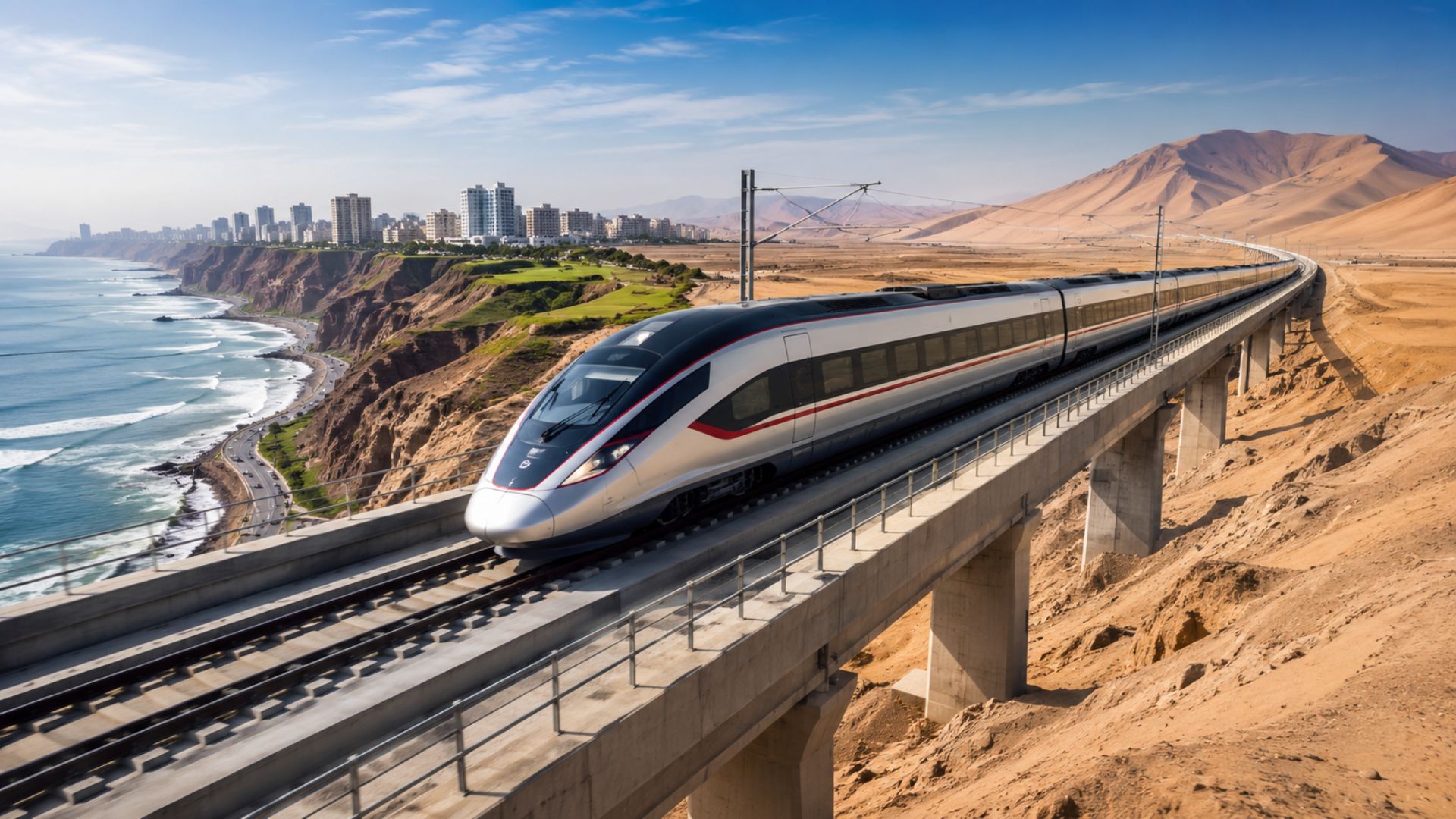
Peru plans to build, with Chinese technology and capital, what is intended to be the fastest train in South America, a high-speed line between Lima and Ica at up to 200 km/h, but the $6.5 billion project is only expected to be completed around 2032.



Battery Electric Locomotives Start Operation in Australian Mining
Fortescue has stated that the mobile electric locomotives, equipped with the largest land batteries in the world, will soon begin operations in iron ore transport in Western Australia.
The units were designed to replace diesel locomotives on regular routes, especially in remote areas where electrification via conventional networks is not feasible.
The initiative is part of the company’s strategy to reduce emissions associated with heavy rail transport, one of the segments that still relies heavily on fossil fuels for long-distance operations.
Energy Capacity and Technical Features of the Locomotives
The locomotives weigh 265 tons each, have eight axles, and an energy capacity of 14.5 MWh, a classification that positions them as the largest mobile land batteries ever used in commercial railway operation worldwide.
Equipped with regenerative braking systems, the units can recover up to 60% of the energy during downhill travel, increasing energy efficiency on mining routes.
The system allows charging at a power of 2.8 MW, enabling quick charging cycles during operations and greater operational availability of the locomotives in continuous freight transport.
Production in Brazil and Zero Emissions Goals in Pilbara
The locomotives were manufactured in Sete Lagoas, Brazil, at a Progress Rail facility owned by Caterpillar, as part of a contract established over two years ago.
Fortescue intends to use electricity generated from its own renewable energy facilities to charge the locomotives, aligning the project with its goal of achieving zero emissions in mining operations in Pilbara by the end of the decade.
According to the company, the gradual replacement of diesel with electricity significantly reduces carbon emissions associated with the internal transport of iron ore in the region.
Deliveries, Timeline, and Leadership Statement
The delivery of the locomotives was initially scheduled for 2023, but was completed only this year, with the first unit arriving in June and the second delivered last week.
Both arrived in Port Hedland before proceeding to Fortescue’s facilities in Pilbara, where they will undergo the final stages of operational integration and route testing.
In a social media post, Dino Otranto, CEO of Fortescue, stated that the 14.5 MWh battery electric locomotives are not concepts, but operational assets that redefine the transportation of heavy freight by rail.
Broader Movement in the Australian Mining Sector
Fortescue’s initiative is not isolated within the mining sector in Australia, where other companies are also advancing the electrification of long-distance rail transport.
Earlier this month, BHP received its set of battery-powered transport locomotives for operations in Western Australia.
Manufactured by Wabtec, BHP’s locomotive features a 7 MWh battery and a regenerative braking system, with imminent commissioning and the start of operations in real conditions.
These initiatives indicate a gradual transition of long-distance rail transport to battery electric solutions, replacing locomotives powered by fossil fuels and contributing to a newer, more ecological future in the sector.







Um marco histórico que cada vez mais o Homem vai descobrir usar toda excencia da energia elétrica não só a passagem de eletrons. O único detalhe é que ela não possui os passadiço do lado de fora isso deixa ela por assim dizer ****. Mas isso com o tempo será corrigido. Parabéns a antiga EMD.