Portuguese
  Spanish




Biomethane for Mineral Transport Becomes Central to Lucas Kallas’ Strategy
Biomethane for mineral transport has taken on a strategic position in the plans of businessman Lucas Kallas, who advocates for the use of renewable fuel as an alternative to diesel in the heavy logistics of the mining sector. The proposal aims to reduce emissions, cut operational costs, and align the production chain with global decarbonization goals.
The initiative arises at a time when mining companies face increasing pressure from investors and international markets to reduce their carbon footprint. Additionally, major global buyers demand more sustainable production chains, especially in the supply of iron ore.
Lucas Kallas is focusing efforts on a project that uses biomethane as an energy source for trucks and mineral transport structures. The strategy combines environmental sustainability with economic viability.
-
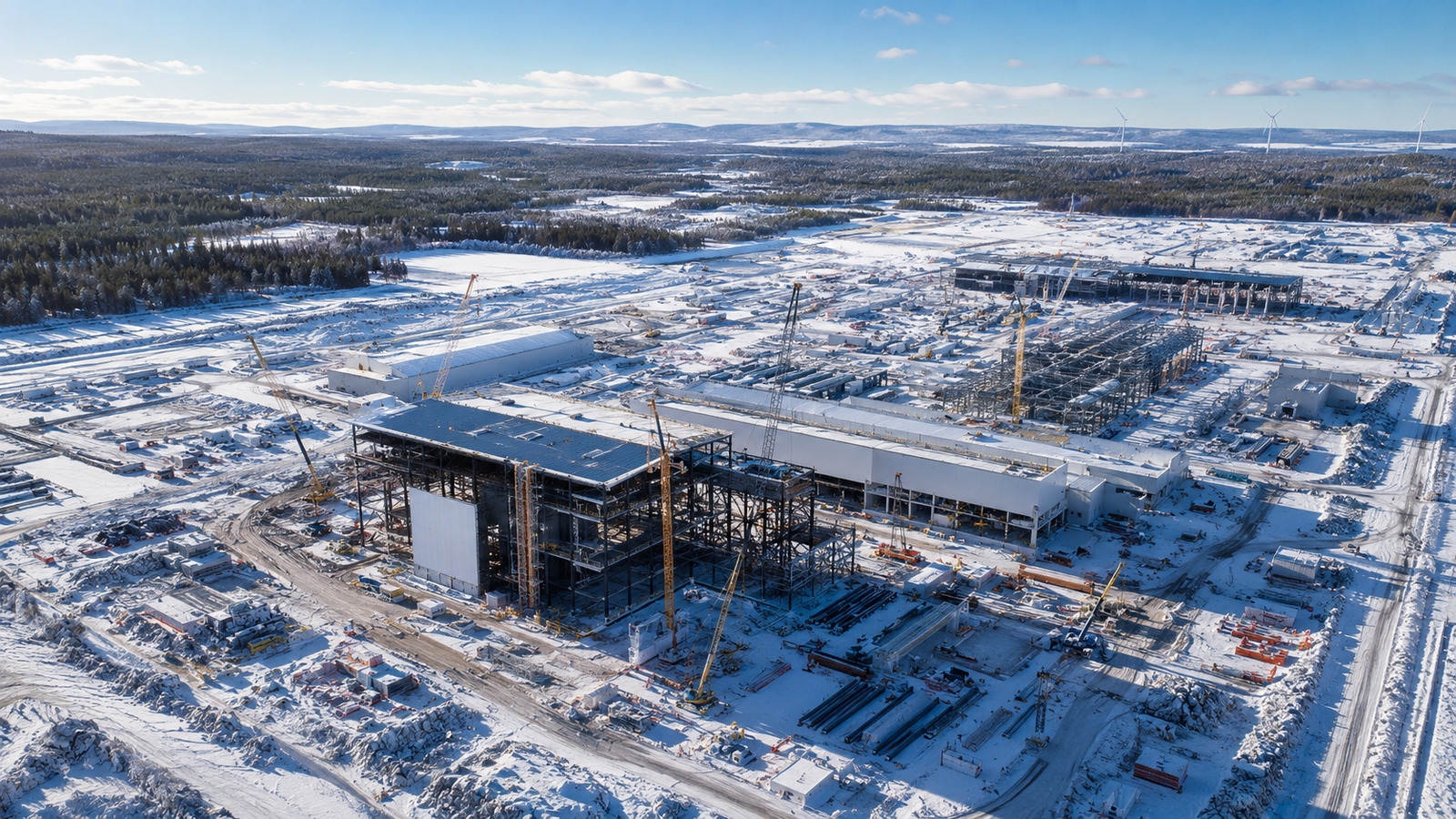
US$ 7 billion, green hydrogen, and steel with up to 95% less CO₂: the first green steel plant on the planet emerges in Sweden and targets Brazil as the next chapter

-
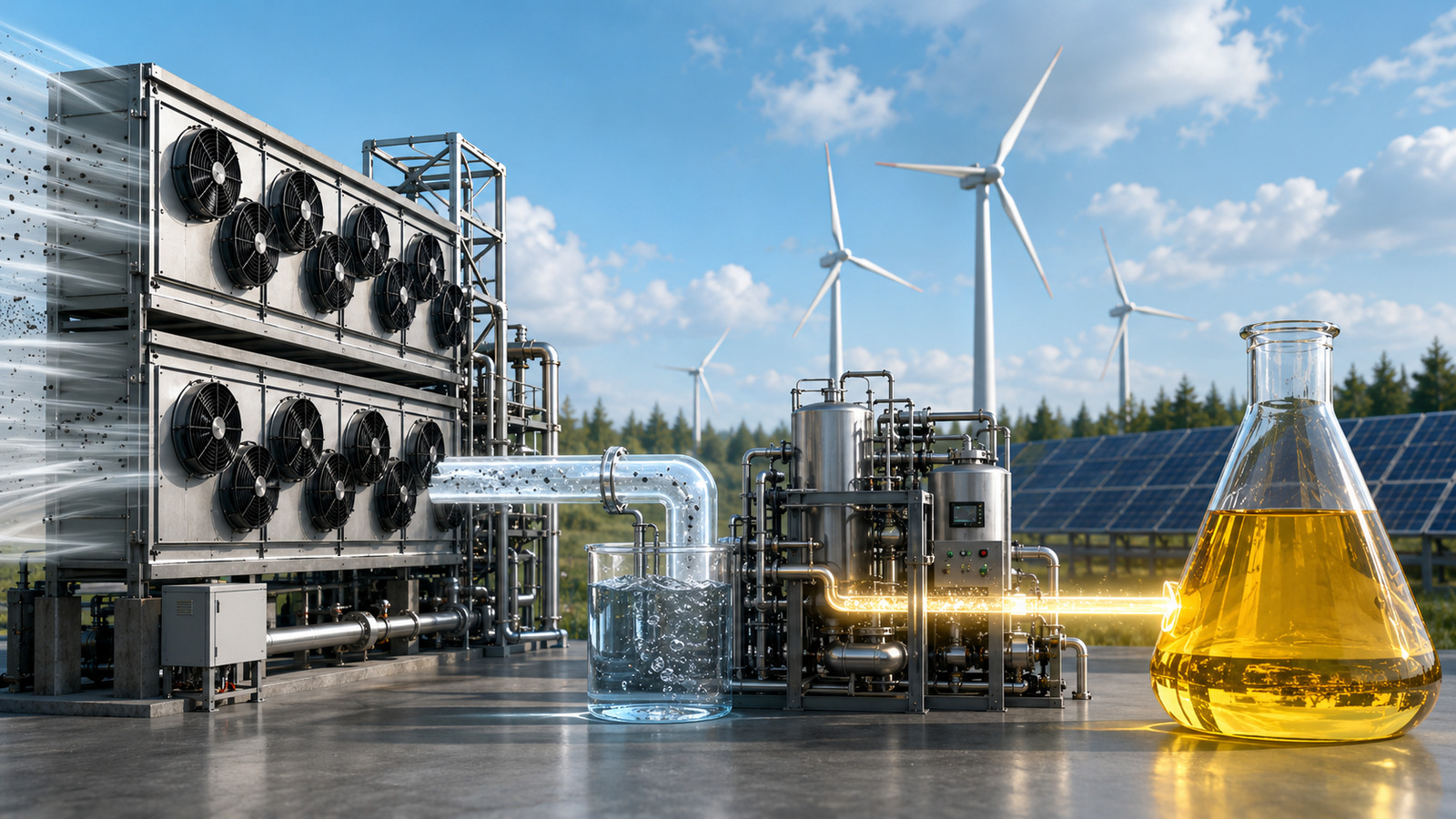
Swedes manage to create synthetic fuel with CO₂, water, and renewable energy, compatible with current engines, but face a huge problem: the energy expenditure is still double the return.
-
Brazil begins to transform wheat, residues, sweet potatoes, and soy molasses into ethanol, in a new phase of biofuels that seeks to utilize leftovers from the field and industry to fuel flex-fuel cars.

-
Sebrae and Petrobras join forces in Ceará to include waste pickers in the circular economy and strengthen the biofuel chain, creating new income opportunities and expanding the sustainable use of waste with a direct impact on regional development.

Understand What Biomethane Is and Why It Is Gaining Ground
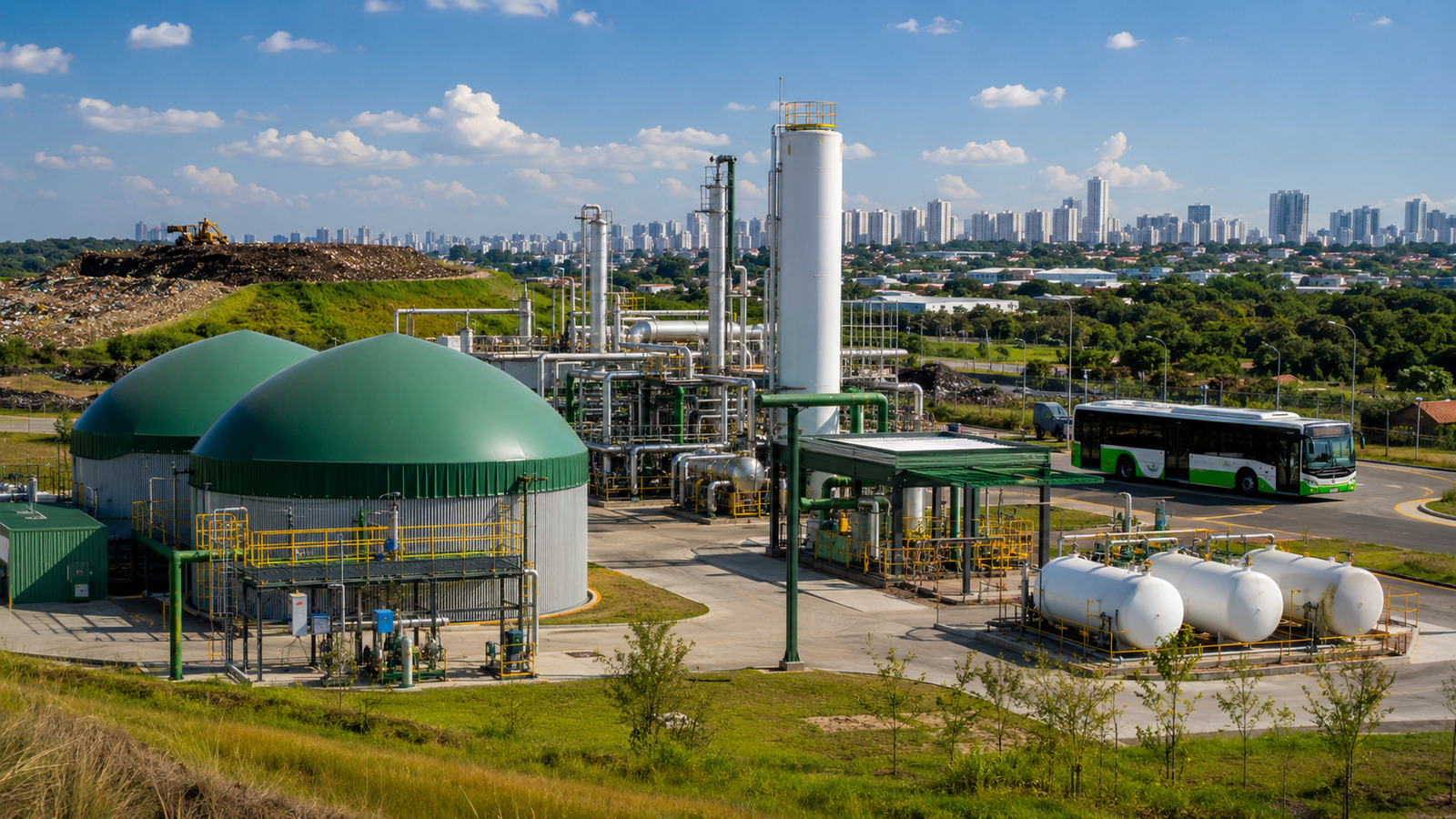
Biomethane is a renewable fuel produced from the purification of biogas. This biogas arises from the decomposition of organic waste, such as agricultural leftovers, urban waste, and animal manure.
After treatment, biomethane reaches quality similar to fossil natural gas. However, it presents a significant environmental advantage because it utilizes waste and reduces methane emissions into the atmosphere.
For this reason, specialists point to biomethane as a strategic alternative for sectors that are difficult to electrify, such as heavy transport and mining.
Project Aims to Reduce Emissions in the Mining Sector
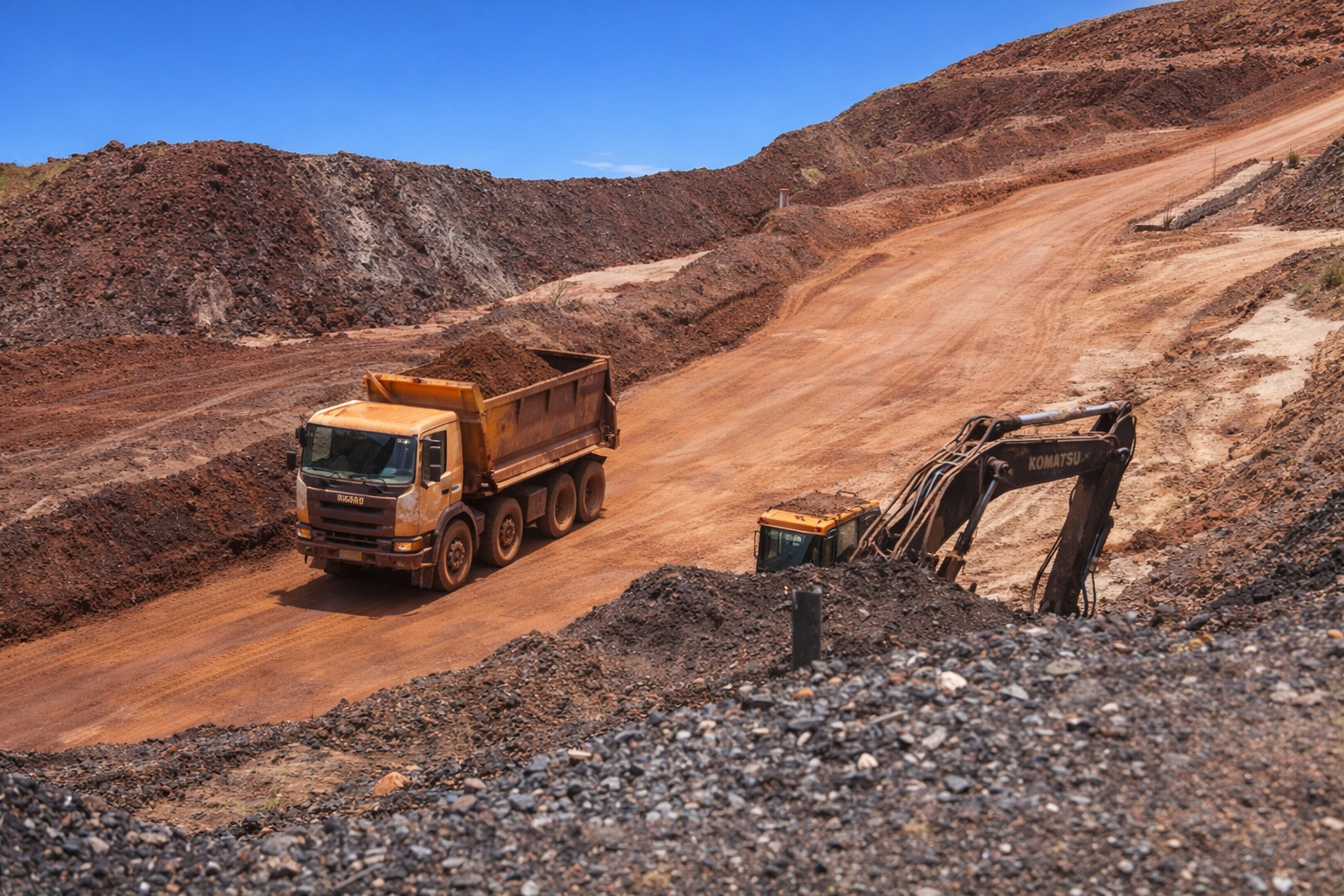
The transport of minerals heavily relies on large trucks powered by diesel. This model generates a high volume of CO₂ emissions and increases costs associated with fossil fuels.
By focusing on biomethane for mineral transport, Lucas Kallas aims to gradually replace diesel with renewable fuel. This shift could reduce greenhouse gas emissions and improve the environmental indicators of operations.
According to data from the energy sector, vehicles powered by biomethane can significantly reduce emissions compared to traditional diesel. Furthermore, the fuel presents competitive potential in terms of cost, depending on production scale.
Strategy Aligns with Global Decarbonization Trends
The mining sector is facing increasing pressure from international investors. Global funds prioritize companies with clear environmental commitments and carbon reduction targets.
In this context, biomethane projects for mineral transport gain strategic relevance. Companies adopting low-carbon solutions enhance their reputation and expand access to external markets.
Experts emphasize that decarbonizing logistics represents one of the biggest challenges in mining. Off-road trucks and heavy fleets operate continuously and consume large volumes of fuel.
Lucas Kallas initiated studies on energy alternatives in recent years, when discussions about energy transition gained momentum in Brazil. Initially, the technical team assessed partial electrification of the fleet.
However, structural limitations and high initial investment made immediate implementation of fully electric trucks on a large scale difficult.
Next, the group analyzed alternative fuels compatible with adaptable engines. At this point, biomethane emerged as a viable option due to the availability of technology already on the market.
As a result, the project evolved into technical and economic studies focused on the gradual substitution of diesel with renewable gas.
Infrastructure and Fuel Production
To enable biomethane for mineral transport, the strategy involves installing production units close to operational areas. The fuel can be generated from agroindustrial or urban waste available in the region.
This approach reduces logistical costs and creates a local sustainable cycle. Additionally, it encourages a circular economy by turning waste into energy.
Energy sector experts point out that Brazil has high potential for biomethane production, mainly due to its strong agricultural activity.

Economic and Operational Impact
The adoption of biomethane can reduce dependence on imported diesel and increase cost predictability. Furthermore, contracts for the supply of renewable gas can offer price stability in the long term.
Transport companies that already use natural gas report reduced noise and less wear on engines. These factors also impact maintenance costs.
In the case of mining, where logistics represent a significant portion of the budget, any gain in efficiency has a direct impact on competitiveness.
Despite the advantages, implementation requires investment in fueling infrastructure. Internal gas stations must meet safety and storage standards.
Additionally, adaptations to the fleet may require replacement or conversion of engines. Viability depends on detailed planning and return on investment analysis.
From a regulatory standpoint, Brazil’s energy sector already has regulations that allow for the production and commercialization of biomethane. However, large-scale projects require environmental licensing and agreements with distributors.
Sustainability as a Competitive Differentiator
International markets value minerals with a lower carbon footprint. European and Asian countries adopt strict policies for environmental traceability.
By investing in biomethane for mineral transport, the strategy seeks to add value to the final product. Ore transported with renewable fuel can gain a competitive advantage in international negotiations.
Moreover, corporate climate goals require a progressive reduction of emissions throughout the production chain.
Comparison with Other Energy Alternatives
Fully electrifying the fleet represents a long-term goal but faces technological limitations in large-scale operations. High-capacity batteries still present challenges regarding range and cost.
Green hydrogen also appears as a future solution, but it depends on expanding infrastructure and still high costs.
In this context, biomethane emerges as a viable interim alternative available in the short term.
Experts project growth in biomethane production in Brazil in the coming years. Public policies and incentives for renewable energy are expected to stimulate new investments.
The mining sector could become one of the main consumers of the fuel if projects like the one led by Lucas Kallas advance.
The integration of waste production, renewable energy generation, and heavy transportation creates a model aligned with a low-carbon economy.
Biomethane for mineral transport has entered the strategic agenda of Lucas Kallas as a concrete alternative to reduce emissions and increase logistics efficiency in the mining sector.
The proposal combines environmental sustainability, economic viability, and alignment with international requirements. Although technical challenges exist, the project points to a possible path for the gradual decarbonization of Brazilian mining.
If the initiative advances as planned, it could serve as a reference for other companies in the sector looking for alternatives to traditional diesel and wishing to position their operations within the new logic of energy transition.